
- Dawei Metal 2026 Chinese New Year Special Offer: Gallop into Success with Upgraded Tools!
- Aluminum Alloy Combination Tool Set for Home, Automotive, and Repair Use
- Striking Tools: Types, Uses, and How to Choose the Right One
- Highest Quality Hand Tools: Inside the World's Most Trusted Tool Brands
- Why a Machete Saw Belongs in Your Outdoor Kit
Company:Shandong Dawei Metal Materials Co., Ltd.
Tel:+8615666285386
Email:dwhardwaretools@gmail.com
Address:Room 1413, Building 8, Shandong Steel Xintiandi Plaza, No. 61 Gongye South Road, High-tech Zone, Jinan City
Measuring Devices: The Complete Guide to Precision Tools, Tape Measures & Calipers
Measuring Devices: The Complete Guide to Precision Tools, Tape Measures & Calipers
Measuring devices are the foundation of accuracy in industries ranging from construction and manufacturing to laboratory testing and quality control. Whether you are measuring length, diameter, or weight, selecting the right measuring device directly affects efficiency, product quality, and cost control.
This guide provides a professional, in-depth analysis of measuring devices, including tools tape measure, calipers measuring tool, and answers the common question: what tool is used to measure mass. It also covers technical specifications, material engineering, application scenarios, and troubleshooting—helping both buyers and professionals make informed decisions.
Key Takeaways of Measuring Devices
| Category | Typical Tool | Accuracy | Application |
|---|---|---|---|
| Length Measurement | Tools Tape Measure | ±1mm | Construction, DIY |
| Precision Measurement | Calipers Measuring Tool | ±0.02mm | Machining, Engineering |
| Mass Measurement | Digital Scale / Balance | ±0.1g or higher | Laboratory, Industrial |
What Are Measuring Devices?
Measuring devices are tools designed to quantify physical properties such as length, width, thickness, diameter, and mass. In modern industry, measuring devices are no longer just basic tools—they are precision instruments engineered for reliability, repeatability, and durability.
From a commercial perspective, high-quality measuring devices not only improve work efficiency but also reduce error rates and material waste, making them a critical investment for any business.
Types of Measuring Devices and Their Functions
1. Tools Tape Measure
The tools tape measure is one of the most widely used measuring devices in the world. Its flexibility and portability make it ideal for construction, carpentry, and general-purpose measurement.
Key Features:
Measurement range: typically 3m to 10m
Blade material: carbon steel or stainless steel
Coating: nylon-coated or matte finish for wear resistance
Locking mechanism for stable readings
Engineering Insight:
Industrial-grade tape measures use heat-treated steel blades combined with anti-rust coatings, ensuring long-term durability even in humid or dusty environments.
Recommended reading: tape measure buying guide
2. Calipers Measuring Tool
The calipers measuring tool is essential for precision measurement tasks. It is widely used in machining, metalworking, and quality inspection processes.
Types of Calipers:
Vernier calipers
Dial calipers
Digital calipers
Technical Capabilities:
Accuracy: up to ±0.01mm
Measurement types: internal, external, and depth
Material: hardened stainless steel
Engineering Insight:
High-end calipers are CNC-machined and laser-calibrated to ensure consistent measurement accuracy across the entire scale.
Recommended reading: precision measuring tools selection guide
3. What Tool Is Used to Measure Mass?
A frequently asked question is: what tool is used to measure mass?
The answer depends on the required precision and application:
Common Mass Measuring Devices:
Digital scales – for general industrial and commercial use
Analytical balances – for laboratory-level precision (0.001g or finer)
Platform scales – for heavy-duty industrial weighing
Engineering Insight:
Mass measuring devices rely on load cell technology, which converts force into electrical signals, ensuring highly accurate and repeatable results.
Technical Parameters Explained
Understanding technical specifications is critical when selecting measuring devices.
Accuracy vs. Resolution
Accuracy: how close the measurement is to the true value
Resolution: the smallest measurable increment
For example, a calipers measuring tool with 0.01mm resolution is suitable for high-precision engineering tasks.
Measurement Range
Different measuring devices are designed for different ranges:
Tape measures: up to 10 meters or more
Calipers: typically 0–150mm or 0–300mm
Scales: from grams to tons
Choosing the wrong range can lead to inefficiency or measurement errors.
Durability and Protection
Industrial environments demand robust measuring devices:
Shock-resistant housings
Anti-corrosion coatings
Dust and water resistance (IP ratings)
These features significantly extend the lifespan of the tools.
Material and Manufacturing Process Analysis
The performance and longevity of measuring devices are directly influenced by materials and production processes.
Material Comparison
Carbon Steel
High strength
Cost-effective
Requires coating to prevent rust
Stainless Steel
Excellent corrosion resistance
Longer service life
Preferred for precision tools
Surface Treatment Technologies
Chrome plating: improves corrosion resistance
Nylon coating: enhances wear resistance
Matte finishing: reduces glare for easier reading
Precision Manufacturing
High-quality measuring devices undergo:
CNC machining for dimensional accuracy
Laser engraving for clear scale markings
Calibration testing for consistency
Recommended reading: how measuring tools are manufactured
Application Scenarios Comparison
Construction Industry
The tools tape measure is the primary choice due to its flexibility and ability to measure long distances quickly.
Mechanical Engineering
The calipers measuring tool is indispensable for precision measurement of parts such as shafts, holes, and components.
Laboratory & Chemical Industry
When considering what tool is used to measure mass, analytical balances are the gold standard due to their ultra-high precision.
Industrial Manufacturing
A combination of measuring devices is typically used:
Tape measures for layout
Calipers for precision
Scales for material control
Pros and Cons of Common Measuring Devices
| Tool | Pros | Cons |
|---|---|---|
| Tools Tape Measure | Portable, affordable, easy to use | Lower accuracy |
| Calipers Measuring Tool | High precision, versatile | Higher cost, requires care |
| Mass Measuring Devices | Accurate weight measurement | Needs calibration |
Common Troubleshooting for Measuring Devices
1. Inaccurate Readings
Cause: Calibration drift or mechanical wear
Solution: Regular calibration and maintenance
2. Tape Measure Retraction Failure
Cause: Internal spring fatigue
Solution: Replace spring or upgrade to industrial-grade model
3. Caliper Display Malfunction
Cause: Low battery or electronic failure
Solution: Replace battery or inspect circuitry
4. Scale Measurement Errors
Cause: Uneven surface or overload
Solution: Place on stable surface and avoid exceeding capacity
Recommended reading: measuring tools maintenance tips
How to Choose the Right Measuring Devices
When selecting measuring devices, consider the following:
Required precision level
Measurement range
Working environment
Material and durability
Frequency of use
For professional users, investing in high-quality measuring devices ensures long-term accuracy, reduced maintenance costs, and improved productivity.
Conclusion
Measuring devices are essential tools that directly impact the quality and efficiency of work across industries. From the everyday tools tape measure to the highly precise calipers measuring tool, and specialized instruments answering what tool is used to measure mass, each plays a critical role.
For businesses and professionals, choosing the right measuring devices is not just about measurement—it is about reliability, performance, and long-term value.
If you are looking to upgrade your toolkit, explore our full range of professional measuring devices designed for industrial precision and durability.
- Pro:Precision Measuring Instruments: Essential Tools for Accurate Measurement
- Next:Precision Woodworking Tools: C
-
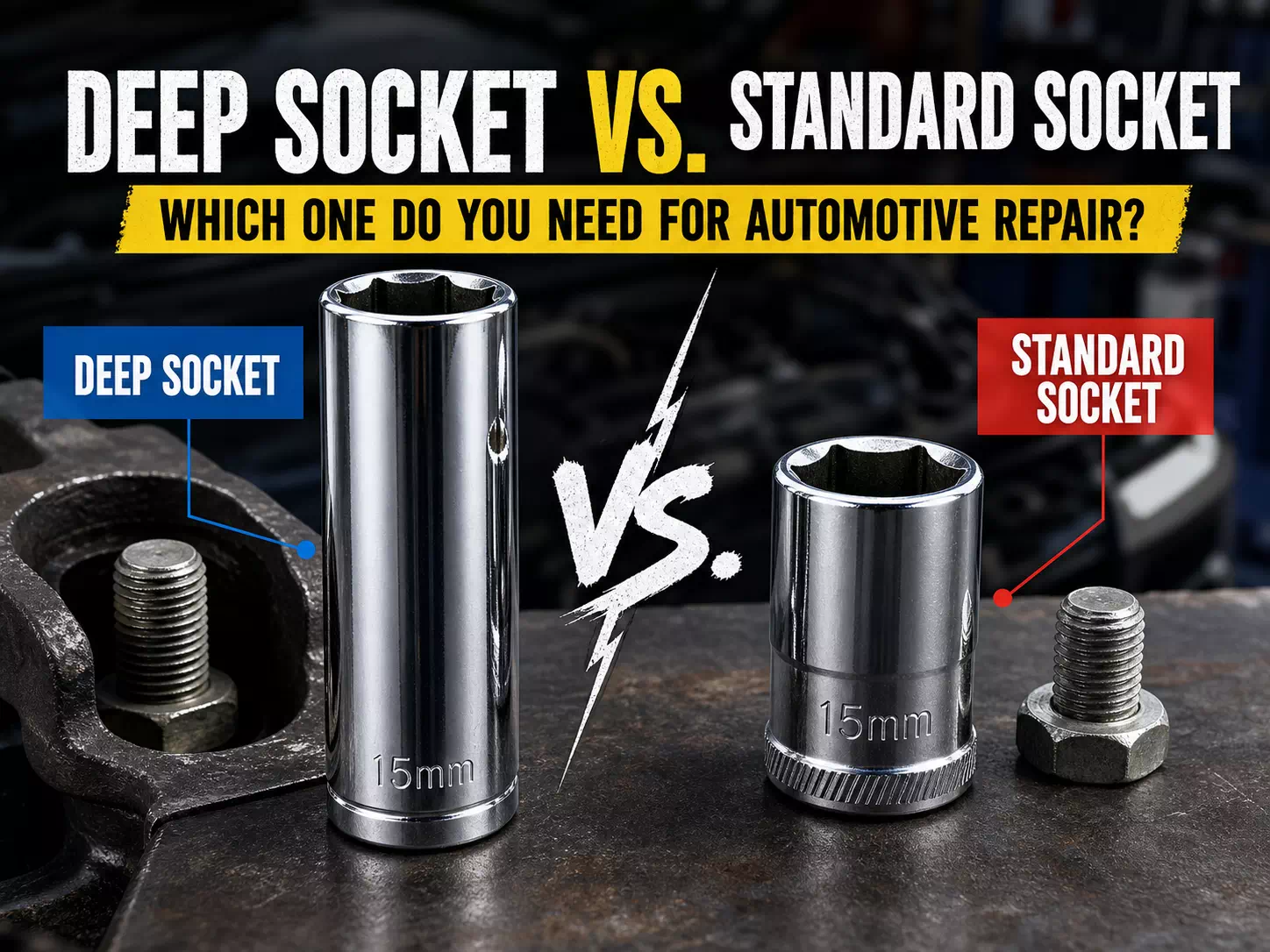
Deep Socket vs. Standard Socket: Which One Do You Need for Automotive Repair?
-

Socket Set vs. Wrench Set: Which Is Better for Automotive Repair?
-
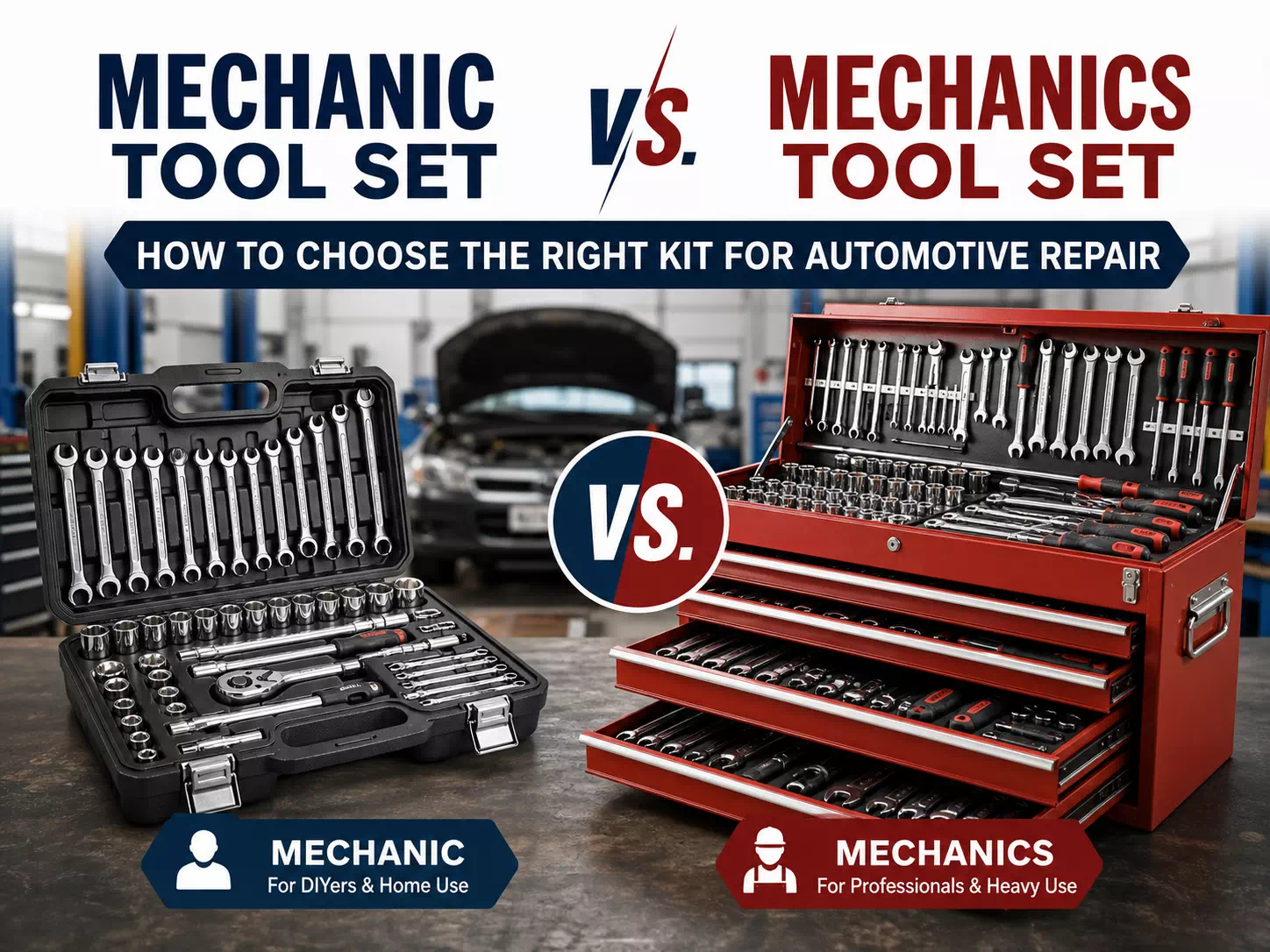
Mechanic Tool Set vs. Mechanics Tool Set: How to Choose the Right Kit for Automotive Repair
-
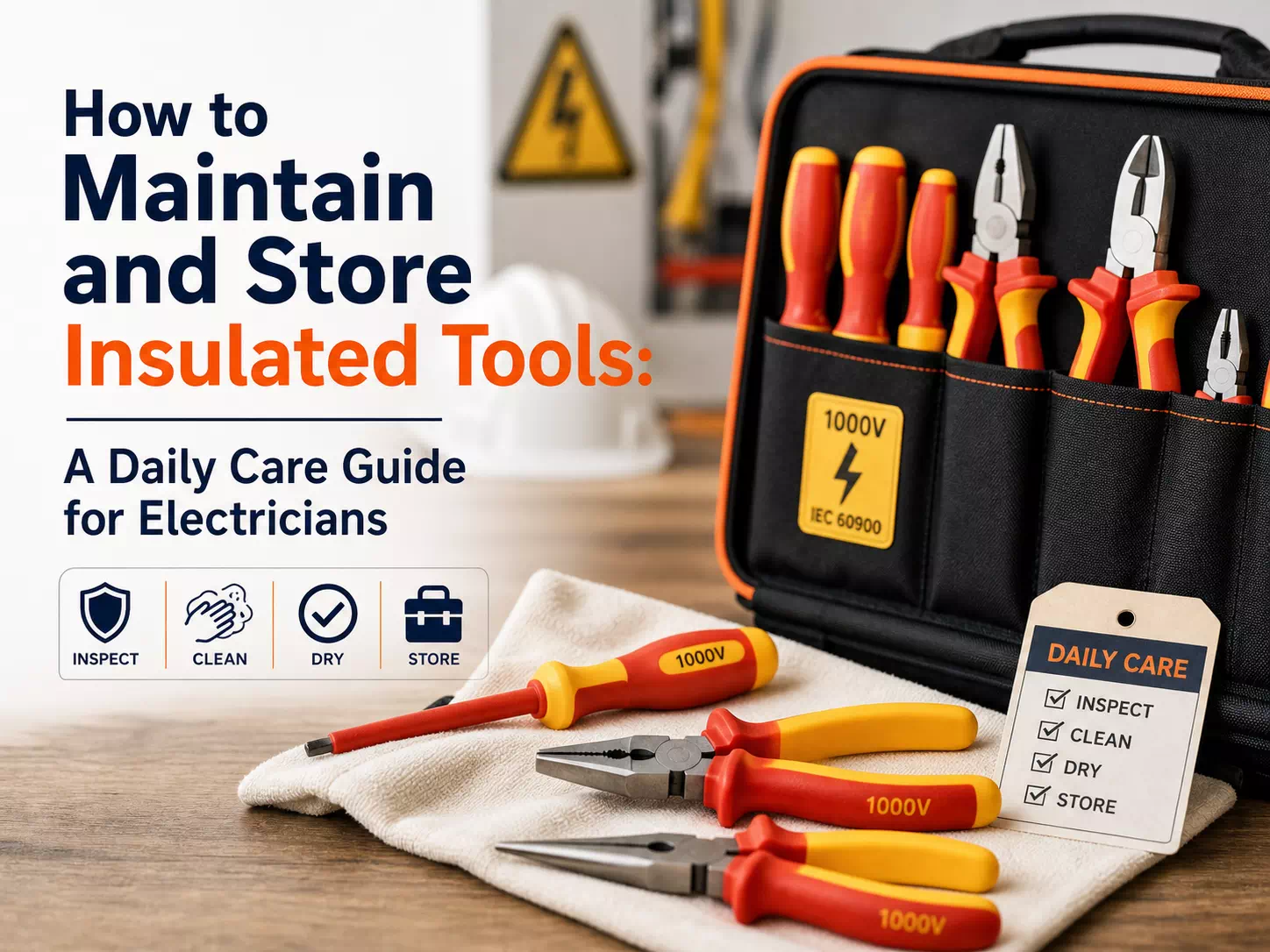
How to Maintain and Store Insulated Tools: A Daily Care Guide for Electricians
-

How to Choose a 1000V VDE Insulated Tool Set: A Practical Guide for Electricians and Maintenance Tea
-
Essential Insulated Tools for Safe Device Measurement: A Practical Hardware Tools List