
- Dawei Metal 2026 Chinese New Year Special Offer: Gallop into Success with Upgraded Tools!
- Aluminum Alloy Combination Tool Set for Home, Automotive, and Repair Use
- Striking Tools: Types, Uses, and How to Choose the Right One
- Highest Quality Hand Tools: Inside the World's Most Trusted Tool Brands
- Why a Machete Saw Belongs in Your Outdoor Kit
Company:Shandong Dawei Metal Materials Co., Ltd.
Tel:+8615666285386
Email:dwhardwaretools@gmail.com
Address:Room 1413, Building 8, Shandong Steel Xintiandi Plaza, No. 61 Gongye South Road, High-tech Zone, Jinan City
Precision Measuring Instruments: Essential Tools for Accurate Measurement
Introduction to Precision Measuring Instruments
In modern manufacturing and engineering industries, measurement accuracy is critical for maintaining product quality and ensuring proper component performance. Precision measuring instruments are specialized tools designed to measure dimensions with extremely high accuracy.
These instruments are widely used in mechanical engineering, automotive manufacturing, metal processing, and quality inspection. By using reliable precision measurement tools, professionals can ensure that machine parts meet strict tolerance requirements and industry standards.
As technology advances, modern precision measuring instruments are becoming more advanced, combining traditional mechanical design with digital technology to deliver faster and more accurate measurement results.
What Are Precision Measuring Instruments?
Precision measuring instruments are devices used to measure physical dimensions such as length, thickness, diameter, and depth with very high accuracy. These tools are commonly used when standard measuring devices cannot provide the level of precision required.
Precision measuring instruments are typically capable of measuring extremely small differences in dimensions, often within micrometers.
Common measurement units include:
Millimeters (mm)
Micrometers (µm)
Inches (in)
These instruments are essential in industries where even a small measurement error can affect the quality or functionality of a product.
Common Types of Precision Measuring Instruments
Vernier Calipers
Vernier calipers are widely used precision measuring instruments designed to measure internal dimensions, external dimensions, and depth.
They are commonly used in machining workshops and manufacturing facilities because of their accuracy and durability.
Key features include:
High measurement precision
Ability to measure multiple dimensions
Reliable mechanical design
Micrometers
Micrometers are highly accurate precision measurement tools used to measure very small distances and thicknesses.
There are several types of micrometers including:
Outside micrometers
Inside micrometers
Depth micrometers
Micrometers are frequently used in mechanical engineering, metalworking, and precision manufacturing.
Dial Indicators
Dial indicators are precision instruments used to measure small variations in distance or position. These tools are often used in machine alignment and equipment calibration.
Applications include:
Mechanical inspection
Equipment alignment
Surface flatness measurement
Height Gauges
Height gauges are used to measure vertical dimensions accurately. They are commonly used in inspection laboratories and machining workshops.
Height gauges often work together with surface plates to provide extremely accurate measurement results.
Applications of Precision Measuring Instruments
High-quality precision measuring instruments are essential for industries that require extremely accurate measurements.
Manufacturing Industry
Manufacturers use precision measuring tools to ensure that machine parts meet required specifications and tolerances.
Mechanical Engineering
Engineers rely on precise measurement data when designing and assembling mechanical systems.
Automotive Industry
Automotive manufacturers use precision measuring instruments to inspect engine components, gears, and mechanical parts.
Quality Control
Quality inspection departments use precision measuring devices to verify product accuracy and ensure compliance with engineering standards.
Advantages of Precision Measurement Tools
Using professional precision measuring instruments offers several advantages:
High Accuracy
These tools provide extremely accurate measurement results, which helps ensure product reliability.
Improved Product Quality
Accurate measurements help manufacturers maintain consistent production quality.
Reduced Production Errors
Precision measuring tools reduce the risk of dimensional errors during manufacturing.
Better Quality Control
Measurement data allows engineers and inspectors to verify that products meet strict specifications.
Digital vs Mechanical Precision Measuring Instruments
Precision measuring instruments can be divided into two main categories: mechanical and digital.
Mechanical instruments rely on manual scales and mechanical components, while digital instruments use electronic sensors and digital displays.
Digital measuring devices offer faster readings and easier operation, while mechanical tools are valued for their reliability and durability.
Both types of tools are widely used depending on the specific measurement requirements.
Future Development of Precision Measuring Instruments
As industrial technology continues to evolve, precision measuring instruments are becoming increasingly advanced.
Future developments may include:
Smart digital measurement systems
AI-assisted measuring technology
Automated inspection equipment
Wireless data collection and analysis
These innovations will further improve the accuracy, efficiency, and reliability of industrial measurement processes.
FAQ About Precision Measuring Instruments
What are precision measuring instruments?
Precision measuring instruments are tools designed to measure dimensions with extremely high accuracy in engineering and manufacturing applications.
What industries use precision measuring tools?
Industries such as manufacturing, automotive, mechanical engineering, and quality inspection widely use precision measuring instruments.
What is the most common precision measuring instrument?
Common precision measuring instruments include micrometers, vernier calipers, dial indicators, and height gauges.
Why are precision measuring instruments important?
They ensure accurate measurements, which improves product quality and reduces manufacturing errors.
- Pro:Digital Measuring Devices: Modern Tools for Accurate Measurement
- Next:Measuring Devices: The Complet
-
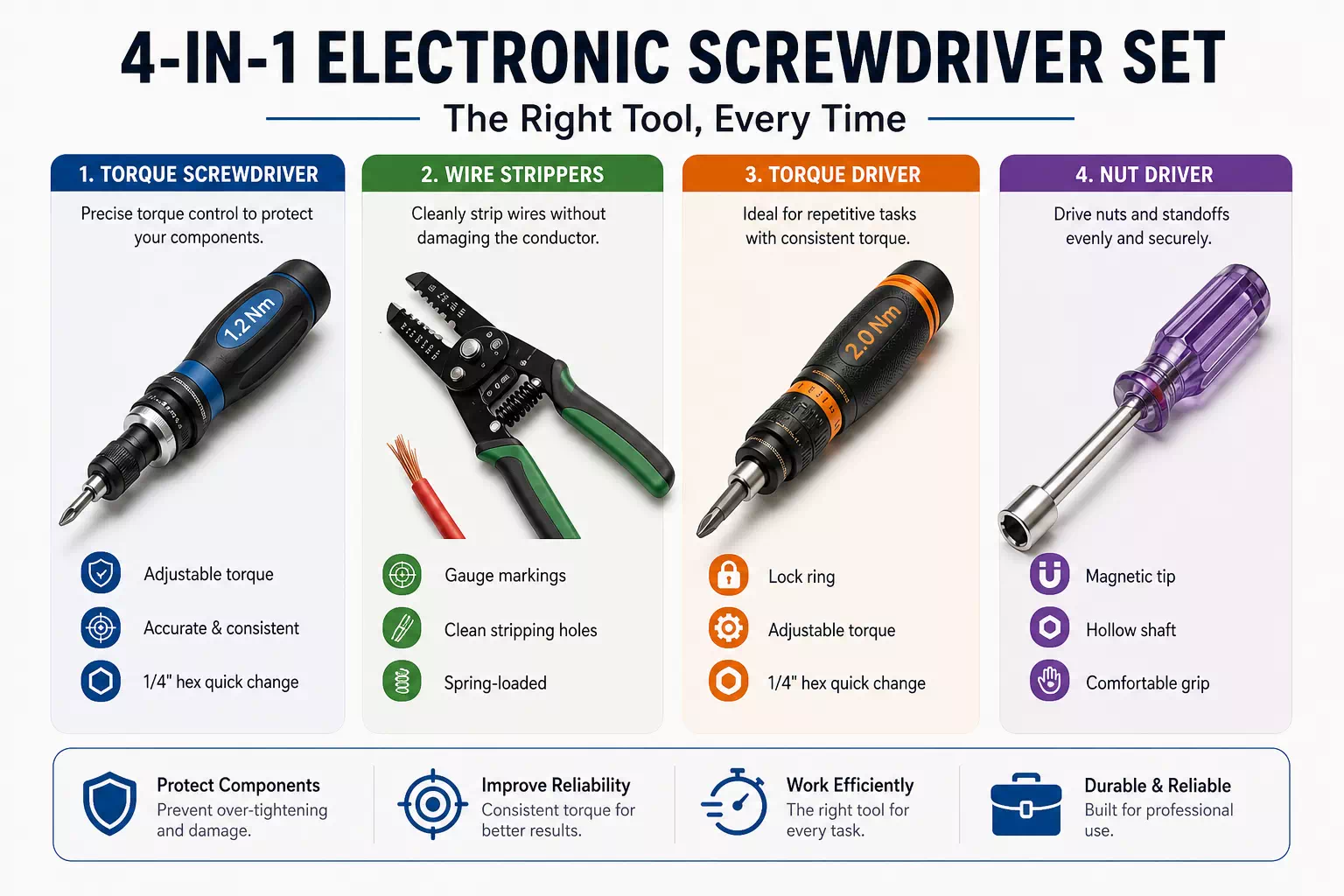
Torque Screwdrivers, Wire Strippers, Torque Drivers, and Nut Drivers: A Practical Electronic Tooling
-
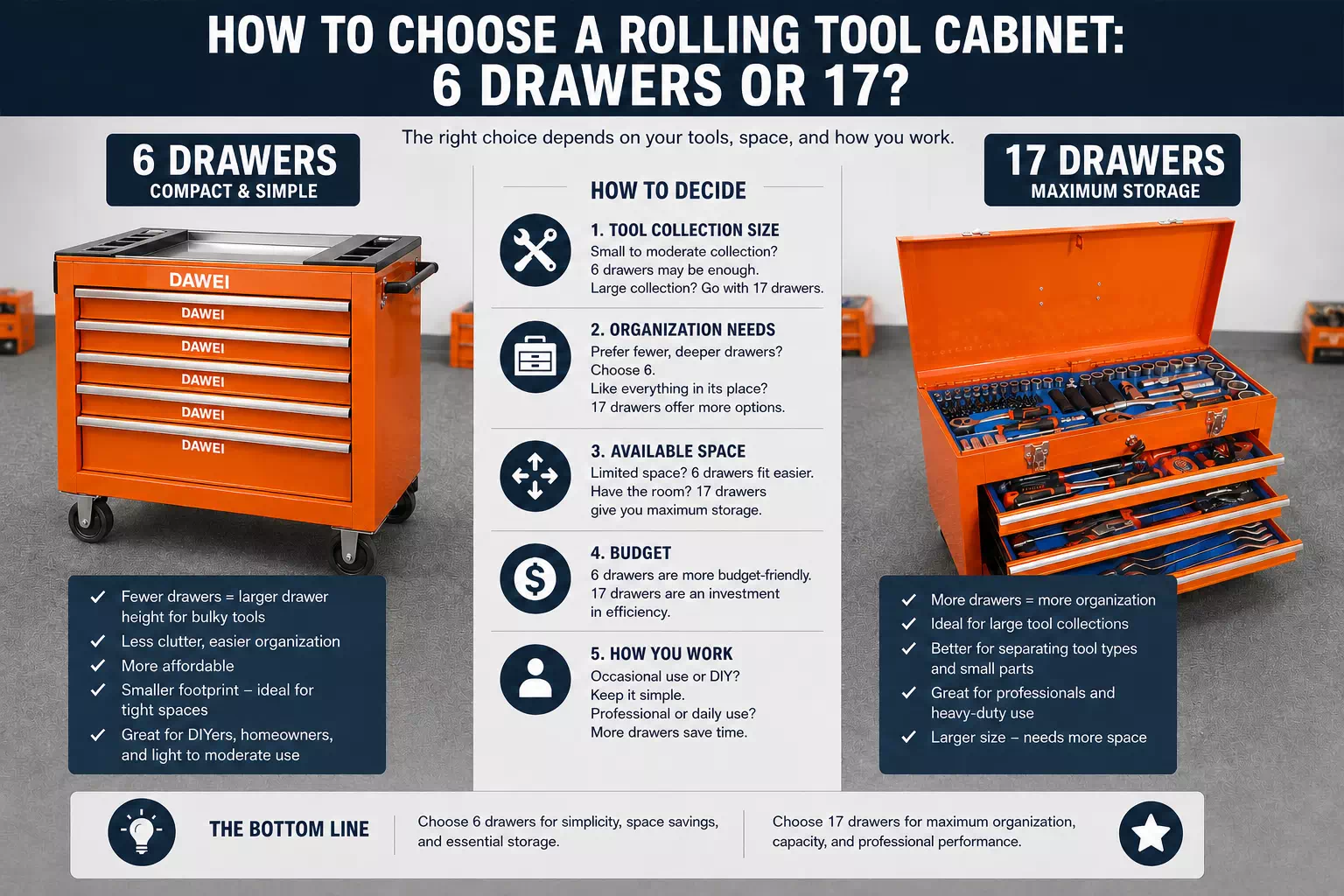
How to Choose a Rolling Tool Cabinet: 6 Drawers or 17?
-
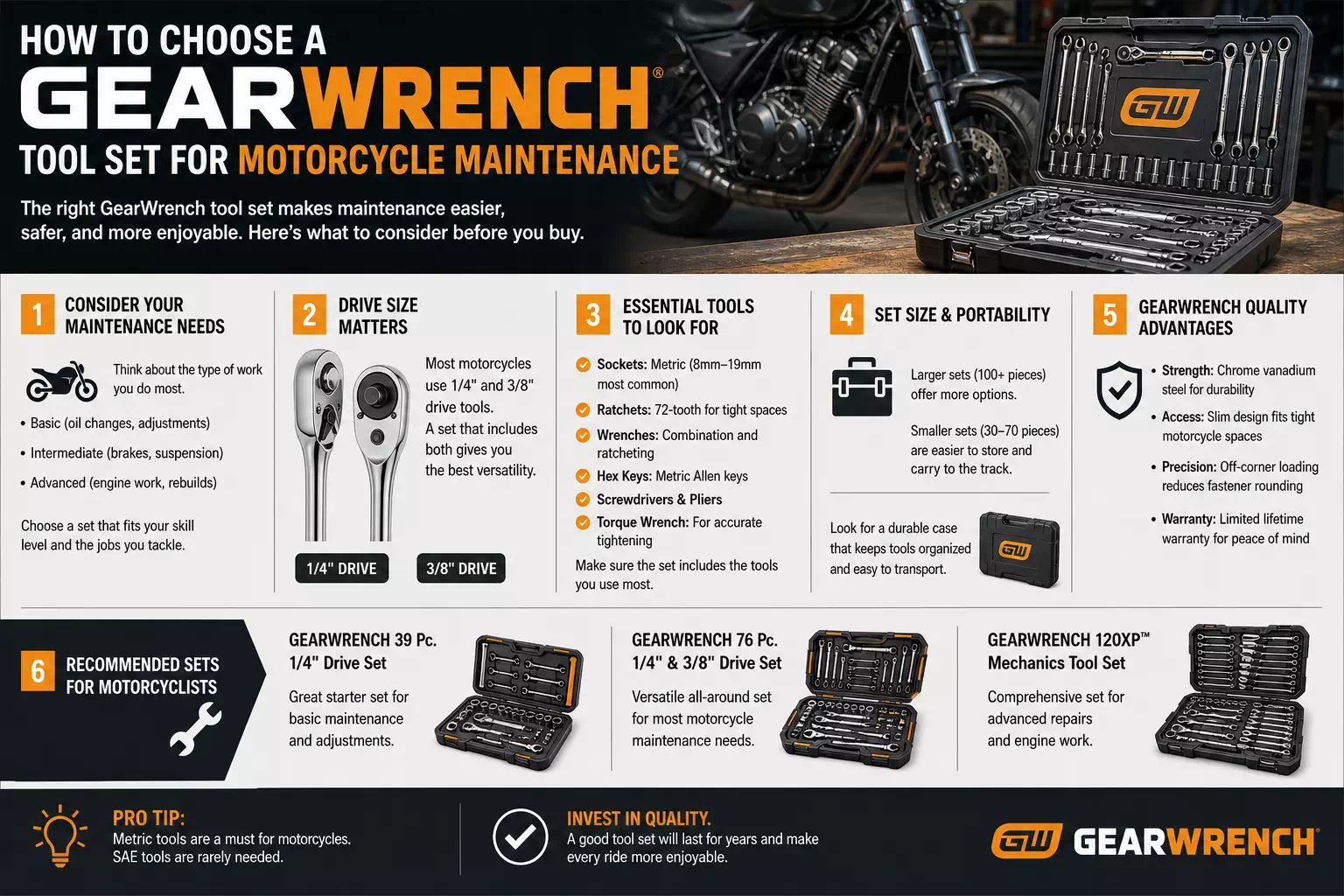
How to Choose a Gear Wrench Tool Set for Motorcycle Maintenance
-
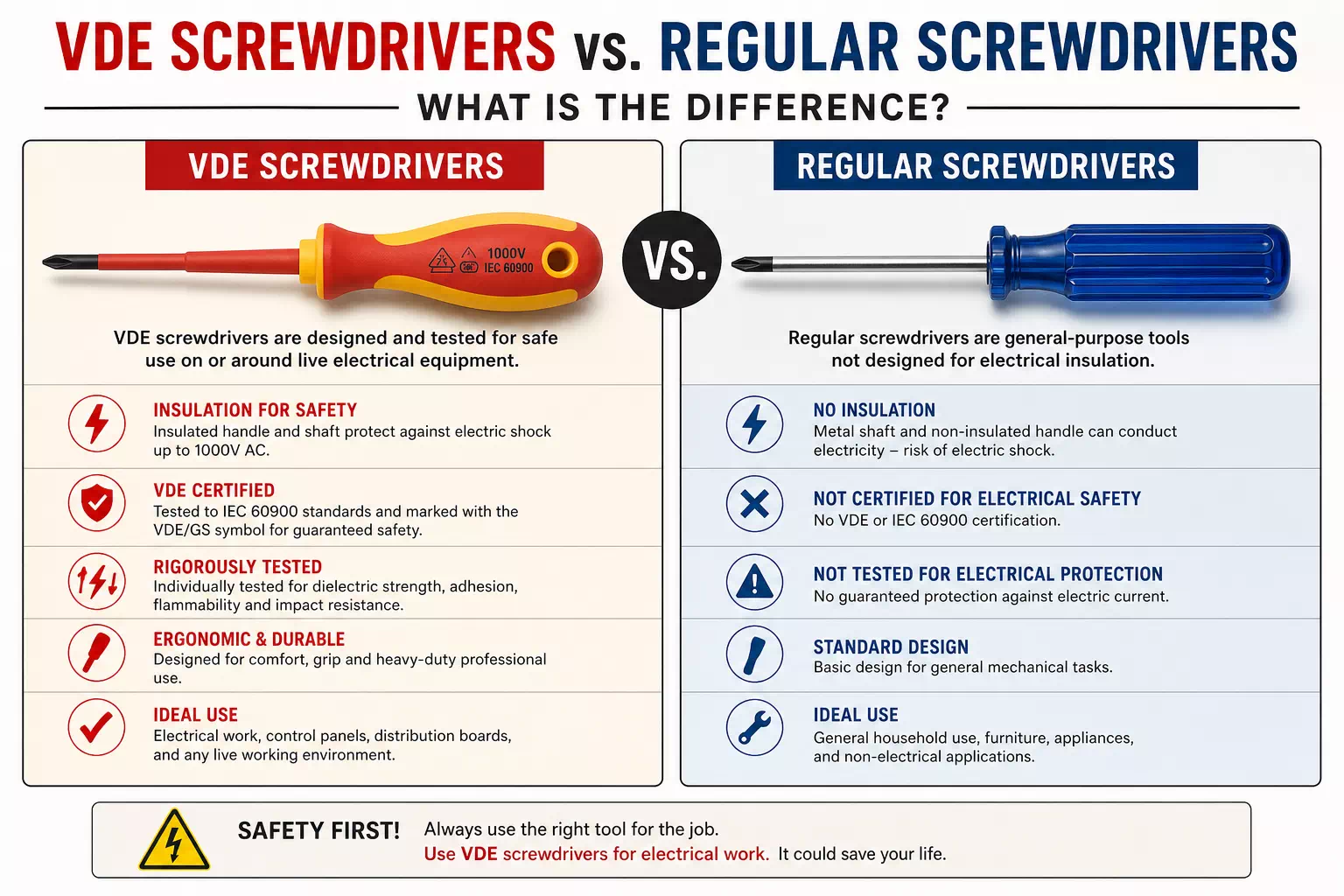
VDE Screwdrivers vs. Regular Screwdrivers: What Is the Difference?
-
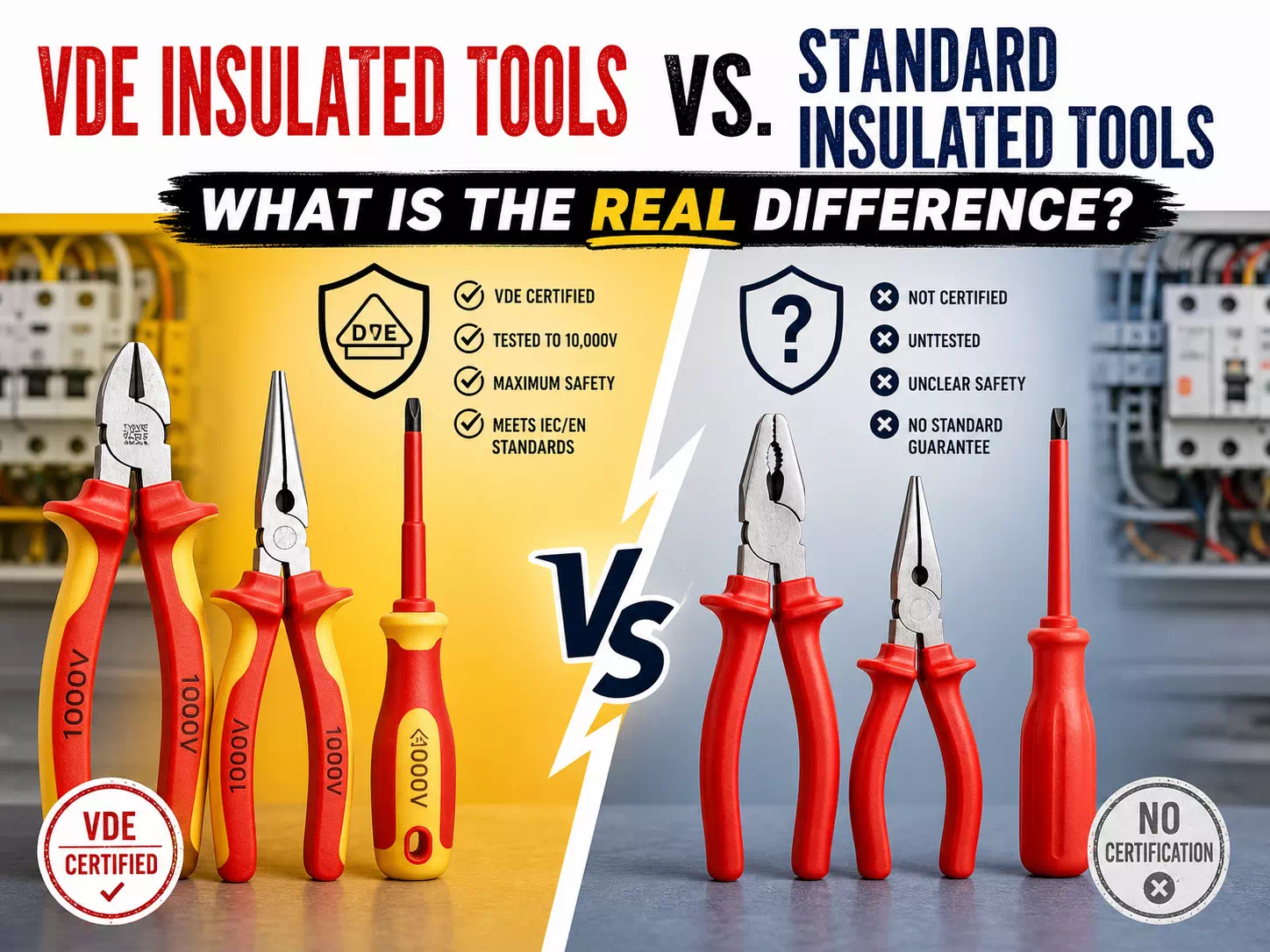
VDE Insulated Tools vs. Standard Insulated Tools: What Is the Real Difference?
-
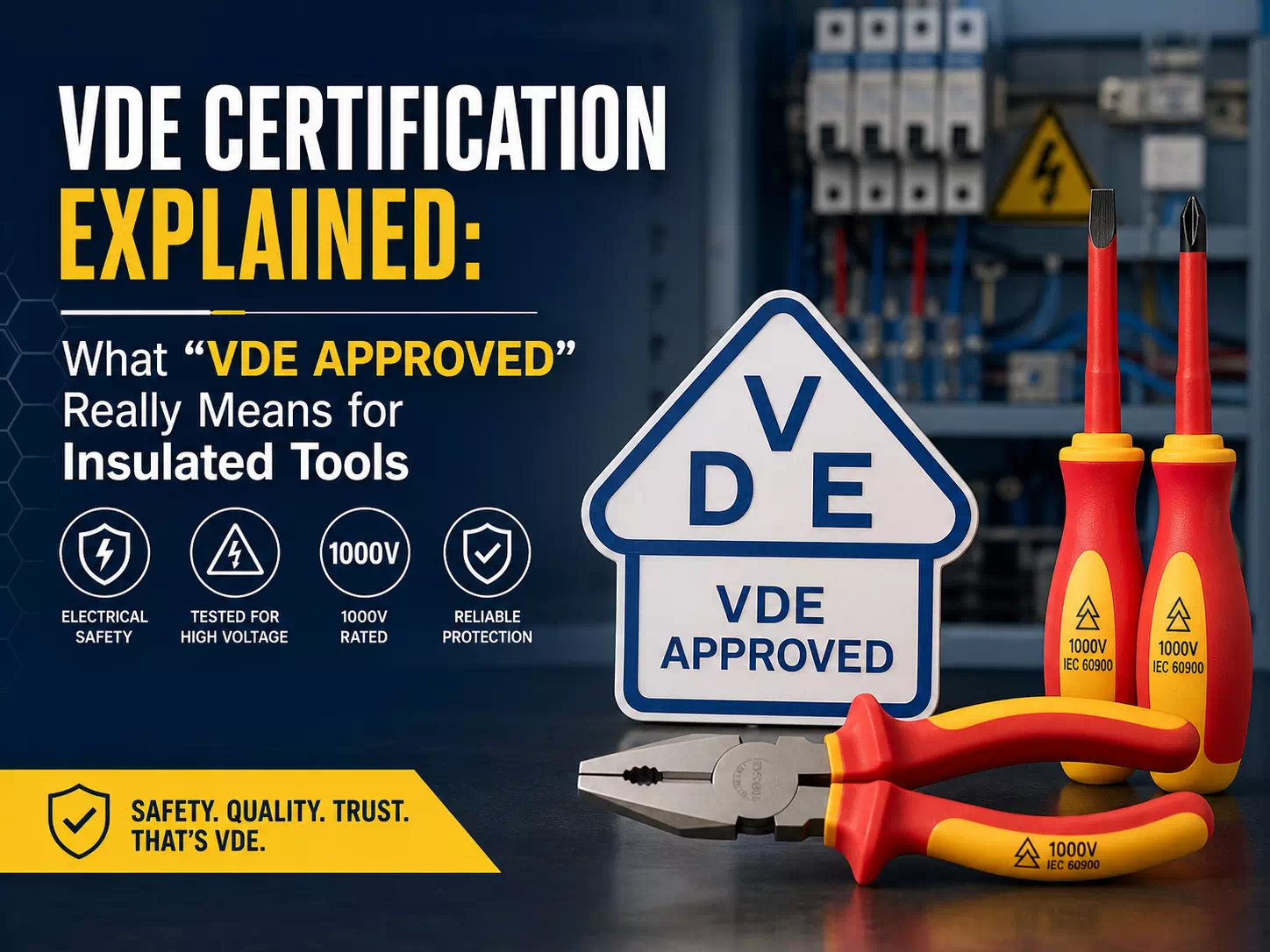
VDE Certification Explained: What “VDE Approved” Really Means for Insulated Tools