
- Dawei Metal 2026 Chinese New Year Special Offer: Gallop into Success with Upgraded Tools!
- Aluminum Alloy Combination Tool Set for Home, Automotive, and Repair Use
- Striking Tools: Types, Uses, and How to Choose the Right One
- Highest Quality Hand Tools: Inside the World's Most Trusted Tool Brands
- Why a Machete Saw Belongs in Your Outdoor Kit
Company:Shandong Dawei Metal Materials Co., Ltd.
Tel:+8615666285386
Email:dwhardwaretools@gmail.com
Address:Room 1413, Building 8, Shandong Steel Xintiandi Plaza, No. 61 Gongye South Road, High-tech Zone, Jinan City
Striking Tools: Types, Uses, and How to Choose the Right One
Striking tools are essential hand and power tools used in construction, metalworking, woodworking, and general maintenance. They are designed to deliver controlled impact force for tasks such as driving fasteners, breaking materials, and shaping metal. Understanding the different types of striking tools and how to choose the right one helps improve efficiency, safety, and overall work quality.
Common Types of Striking Tools
Hammers
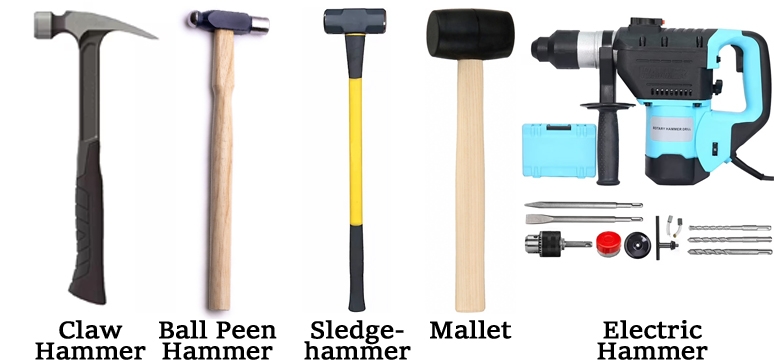
Hammers are the most common and versatile striking tools, widely used across many industries.
· Claw Hammer: Primarily used for driving and removing nails, especially in woodworking and carpentry. The claw end allows for efficient nail extraction.
· Ball Peen Hammer: Commonly used in metalworking, this hammer is ideal for shaping metal, striking punches and chisels, and riveting tasks.
· Sledgehammer: A heavy-duty hammer designed for delivering powerful blows. It is often used in demolition, breaking concrete, driving stakes, or heavy construction work.
· Mallet: Made from rubber, plastic, or wood, mallets are used when a softer impact is required to avoid damaging the surface, such as in woodworking or assembly tasks.
· Electric Hammer (Rotary Hammer / Demolition Hammer): Unlike manual hammers, electric hammers use a motorized mechanism to generate repeated impact force. They are widely used for drilling and breaking concrete, masonry, and stone, especially in construction and renovation projects.
Axes and Hatchets
Axes and hatchets are striking tools designed mainly for cutting and splitting.
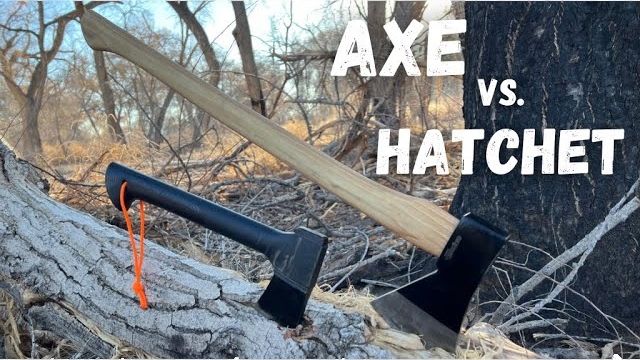
· Axe vs. Hatchet
An axe has a longer handle and heavier head, suitable for two-handed use and heavy-duty tasks. A hatchet is smaller, lighter, and designed for one-handed use, offering better control for light cutting jobs.
· Cutting and Splitting Uses
These tools are commonly used for chopping wood, splitting logs, trimming branches, and outdoor or forestry-related tasks.
Chisels Used with Striking Tools
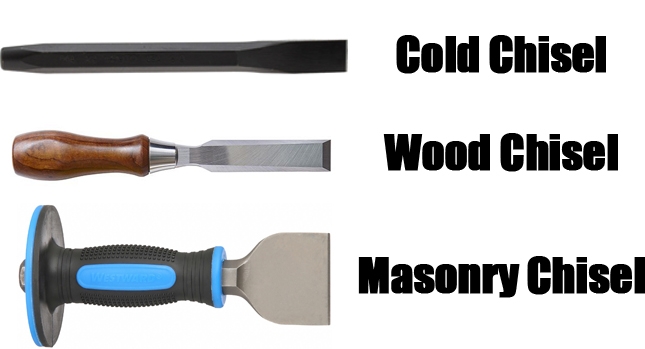
Chisels are often paired with hammers or mallets to remove or shape material precisely.
· Cold Chisel: Used for cutting or shaping metal, such as removing rivets, bolts, or excess material.
· Wood Chisel: Designed for woodworking, allowing for precise carving, shaping joints, and cleaning edges.
· Masonry Chisel: Used on brick, stone, and concrete for cutting, shaping, or removing material during masonry work.
How to Choose the Right Striking Tool
Choosing the right striking tool depends on the task and working conditions.
· Task-Specific Selection
Match the tool type to the job—light carpentry, metalworking, demolition, or masonry all require different striking tools.
· Weight and Balance
A heavier tool delivers more force, but proper balance is essential for control and reduced fatigue.
· Handle Length and Grip Comfort
Longer handles increase leverage, while ergonomic grips improve comfort and reduce hand strain during extended use.
· Durability and Safety Considerations
Look for high-quality materials, proper heat treatment, and secure head-to-handle connections to ensure long-term reliability and safety.
Safety Tips for Using Striking Tools
Using striking tools safely is just as important as choosing the right one.
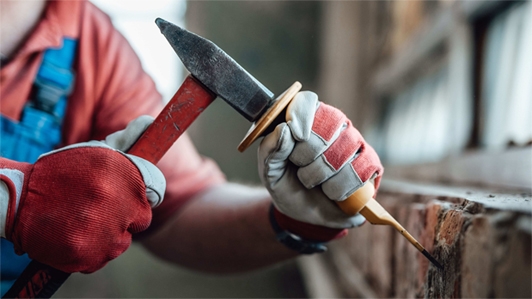
· Proper Grip and Stance
Maintain a firm grip and stable stance to control the tool and reduce the risk of slipping.
· Wearing PPE (Gloves, Goggles)
Protective gloves and safety goggles help prevent injuries from impact, flying debris, or tool rebound.
· Inspecting Tools Before Use
Check for cracks, loose heads, or damaged handles before each use.
· Preventing Rebound and Flying Debris
Strike surfaces squarely and avoid excessive force to minimize rebound and material fragments.
Conclusion
Striking tools are essential for a wide range of applications, from simple household repairs to heavy industrial work. By understanding the different types of striking tools, their uses, and how to select and use them safely, you can improve efficiency, accuracy, and safety on any job site. Choosing the right tool for the task not only delivers better results but also extends tool life and reduces the risk of injury.
- Pro:Highest Quality Hand Tools: Inside the World's Most Trusted Tool Brands
- Next:Aluminum Alloy Combination Too
-
2025-11-252025 Welding Hardware Comprehensive Guide
-

Socket Set vs. Wrench Set: Which Is Better for Automotive Repair?
-
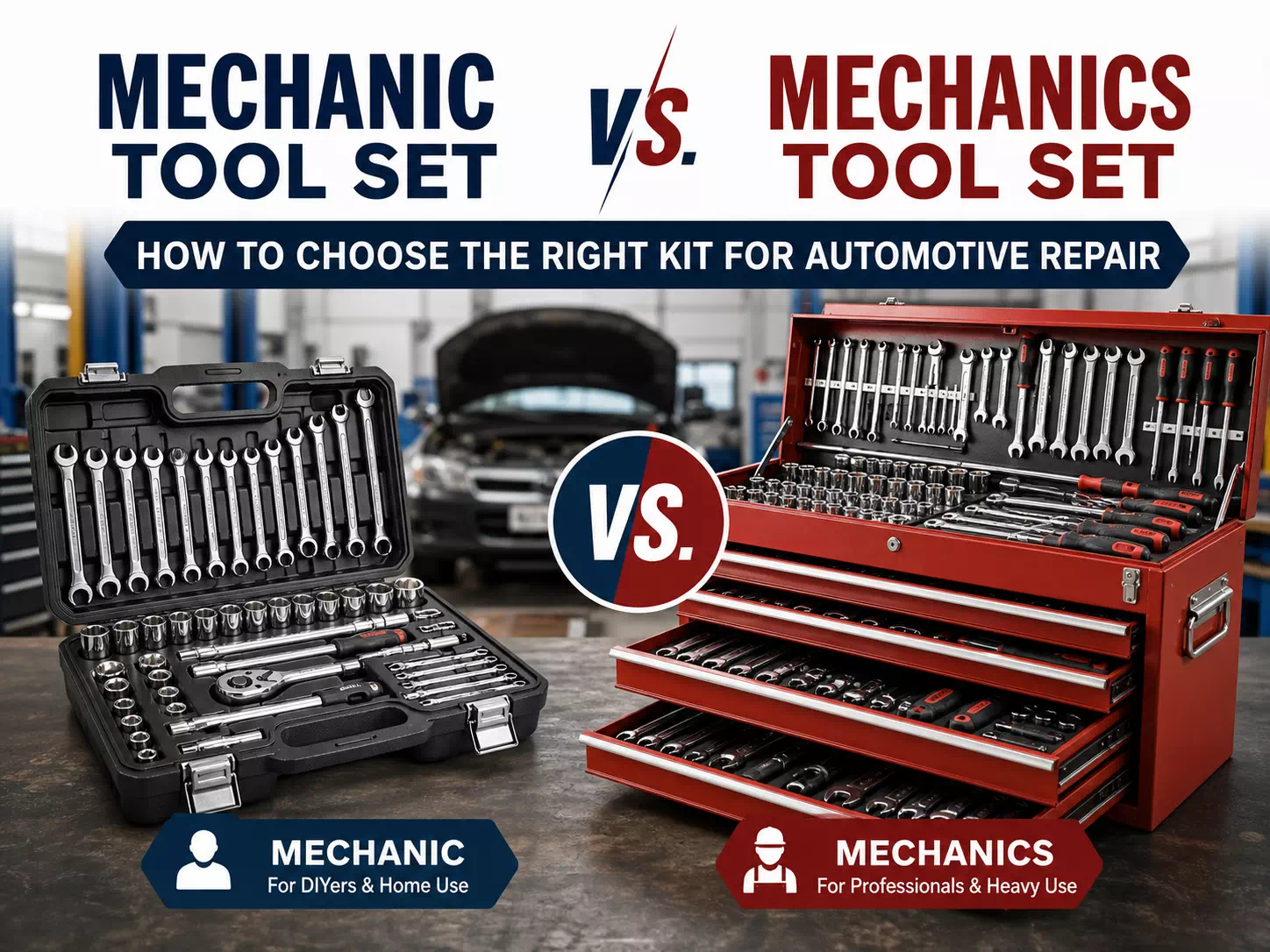
Mechanic Tool Set vs. Mechanics Tool Set: How to Choose the Right Kit for Automotive Repair
-
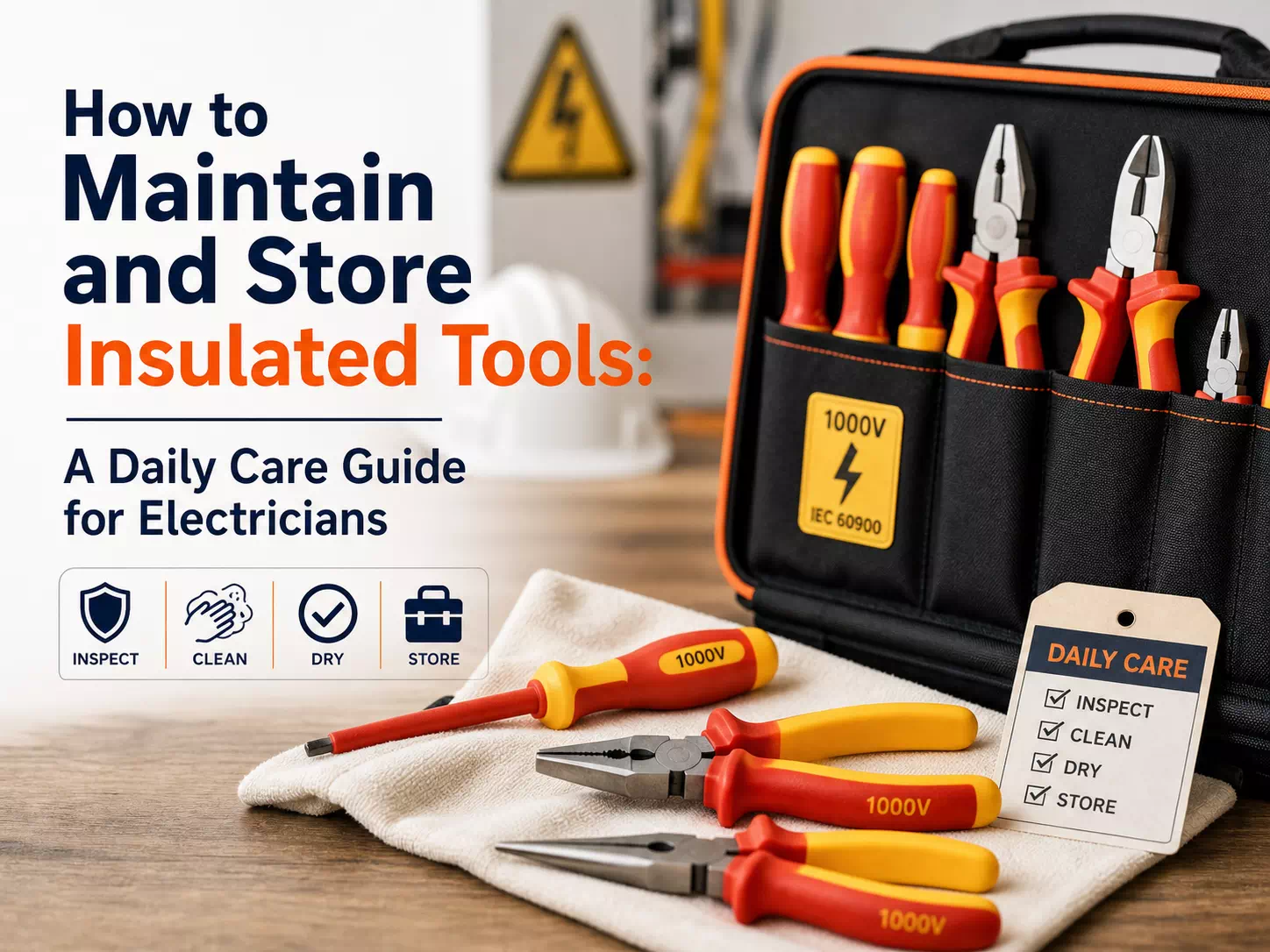
How to Maintain and Store Insulated Tools: A Daily Care Guide for Electricians
-
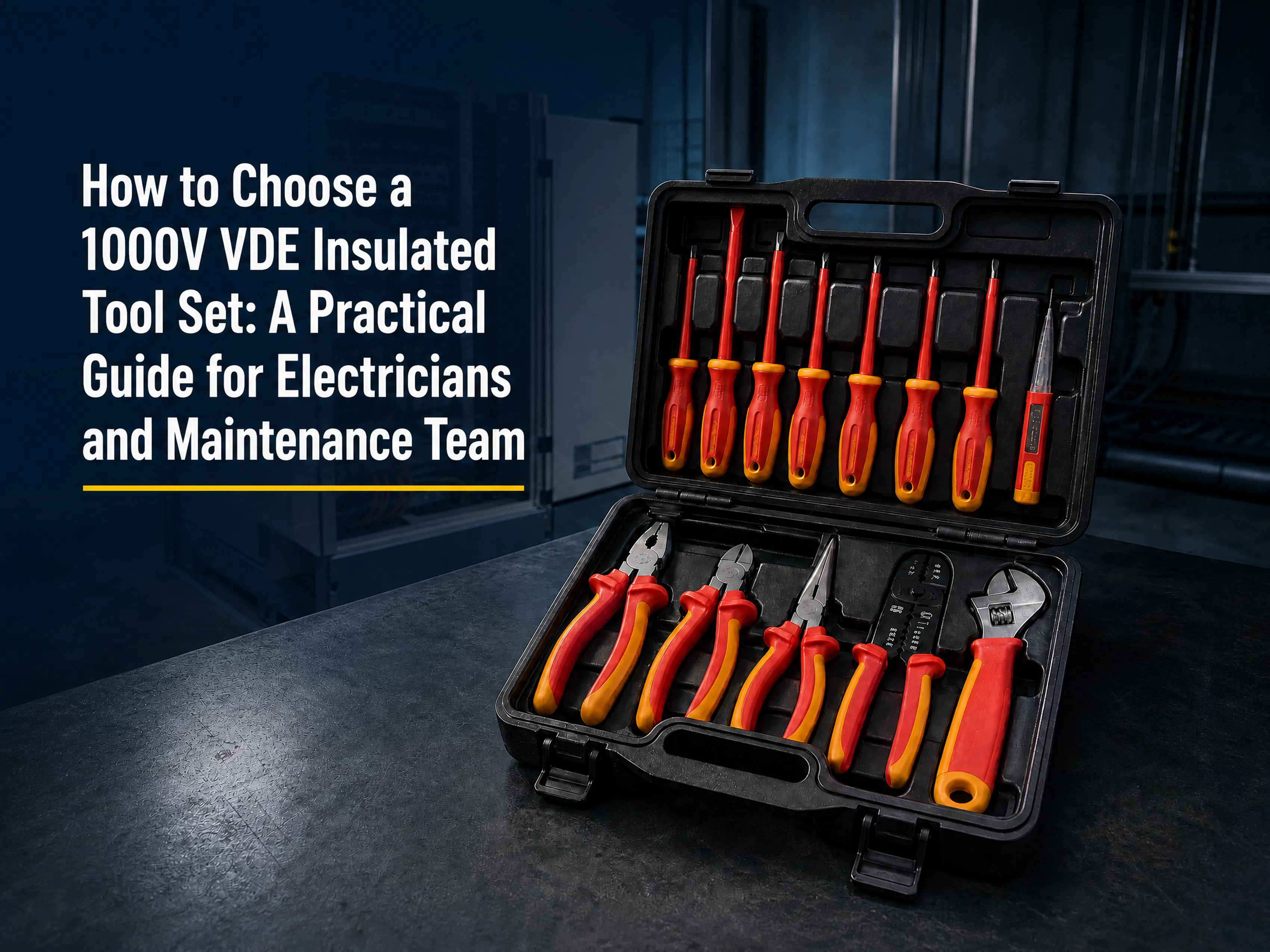
How to Choose a 1000V VDE Insulated Tool Set: A Practical Guide for Electricians and Maintenance Tea
-
Essential Insulated Tools for Safe Device Measurement: A Practical Hardware Tools List
-
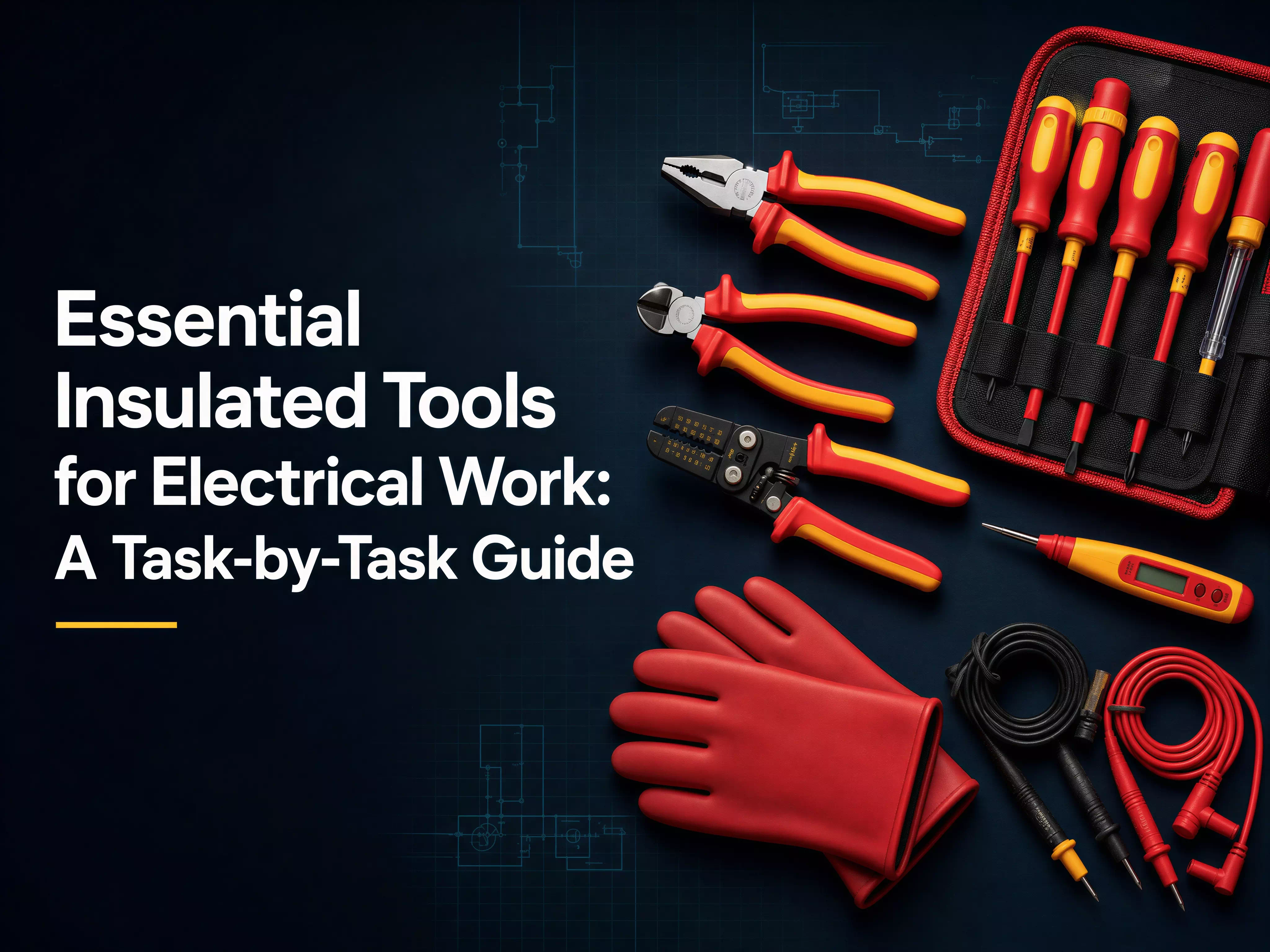
Essential Insulated Tools for Electrical Work: A Task-by-Task Guide