
- Dawei Metal 2026 Chinese New Year Special Offer: Gallop into Success with Upgraded Tools!
- Aluminum Alloy Combination Tool Set for Home, Automotive, and Repair Use
- Striking Tools: Types, Uses, and How to Choose the Right One
- Highest Quality Hand Tools: Inside the World's Most Trusted Tool Brands
- Why a Machete Saw Belongs in Your Outdoor Kit
Company:Shandong Dawei Metal Materials Co., Ltd.
Tel:+8615666285386
Email:dwhardwaretools@gmail.com
Address:Room 1413, Building 8, Shandong Steel Xintiandi Plaza, No. 61 Gongye South Road, High-tech Zone, Jinan City
How to Choose a Gear Wrench Tool Set for Motorcycle Maintenance
A motorcycle tool set can look complete on a product photo and still leave a mechanic reaching for another toolbox. The usual gap is not the piece count. It is the wrong mix of metric sizes, shallow sockets where deep sockets are needed, or a ratcheting wrench that cannot swing in the available space.
For buyers sourcing a gear wrench tool set for motorcycle workshops, dealers, or retail shelves, start with the jobs the set must cover. “Gear wrench” can mean a ratcheting combination wrench, a socket ratchet, or a kit containing both. Confirm which tools are included before comparing prices.
What does “gear wrench” mean in a motorcycle tool set?
In general tool listings, “gear wrench” is often used for either of two tools:
Ratcheting combination wrench: An open end on one side and a ratcheting box end on the other. Useful when a fastener is accessible but there is little room to lift and reposition a standard wrench.
Socket ratchet: A handle that drives interchangeable sockets. With an extension or universal joint, it can reach recessed fasteners more easily.
They solve different access problems. A motorcycle service kit may benefit from both, but a product listing should name each clearly. For a matching range of socket and ratchet options, see Dawei Metal’s professional socket wrench set collection.
Which tools matter for motorcycle service?
Motorcycles use compact assemblies, varied fastener locations, and model-specific hardware. A general automotive kit may include useful tools, but a high piece count does not guarantee the right fit for a particular bike.
| Tool or feature | Why it matters | What to confirm with the supplier |
| Metric sockets | Many motorcycle fasteners use metric sizes | Exact size range and whether sockets are shallow, deep, or both |
| Ratcheting combination wrenches | Help where a socket or full wrench swing is difficult | Included sizes and whether the ratcheting end is reversible |
| Socket ratchet | Speeds work on accessible fasteners | Drive size, quick-release mechanism, and included handle |
| Extensions and universal joint | Improve access around frames and bodywork | Lengths and whether the joint is part of the quoted kit |
| Hex keys and bits | Match common internal-hex and screw fasteners | Metric range and bit types |
| Spark plug socket | Useful for service work where the socket size fits the motorcycle | Socket size and design; confirm compatibility with target models |
| Carrying case | Keeps small tools organized in a workshop or service vehicle | Case dimensions, tool retention, latch style, and packed weight |
This is a selection checklist, not a universal motorcycle specification. Fastener sizes and service requirements vary by model. Buyers should compare the proposed packing list with the motorcycles their customers actually service.
Ratcheting wrench set or socket set: which should you buy?
A ratcheting wrench is handy when a fastener is exposed but surrounded by limited swing space. A socket ratchet is more flexible when you can approach the fastener in line with the socket, particularly with extensions. Neither replaces a torque wrench where the service manual calls for a specified tightening torque.
| Kit type | Strong point | Common limitation |
| Ratcheting combination wrench set | Quick operation on accessible nuts and bolts | Less adaptable to recessed fasteners |
| Socket and ratchet set | Works with extensions, deep sockets, and adapters | Requires enough clearance to align the socket |
| Combined motorcycle tool set | Covers more maintenance tasks in one case | Can add bulk; the exact size list still matters |
For routine workshop use, a combined kit is often easier to stock than separate sets. For roadside or compact service use, prioritize the sizes and tools needed for the target models, then check the case dimensions and weight.
How should buyers assess material, finish, and fit?
Material labels alone do not establish how a tool performs. A listing that says “Cr-V steel” should also provide a clear assortment and product specification. Ask for the packing list, finish details, and any applicable inspection records for the specific model and order.
Before placing a bulk order, check:
Socket fit: Test representative sockets on the intended fasteners. Poor fit can damage fastener corners.
Ratcheting action: Check smooth engagement and whether the mechanism changes direction as expected.
Wrench access: Try the wrench on fasteners in confined areas; a ratchet that works on a bench may not have enough room on the bike.
Case retention: Close and carry a sample case. Tools should remain in their marked positions during normal handling.
Finish and packing: Inspect for scratches, residue, and signs of moisture exposure after transit.
For a pre-shipment inspection (PSI), have the approved sample and final packing list available. Record the selected sizes, piece count, case layout, and any agreed packaging requirements so the inspection checks the ordered configuration—not a similar-looking kit.
What should importers specify before requesting a quote?
Send the supplier a practical brief rather than asking only for “a motorcycle tool set.” Include:
Intended market and motorcycle models or service tasks
Metric-only or mixed-size requirements
Required wrench sizes, socket range, and drive size
Whether the set needs both ratcheting combination wrenches and socket ratchets
Case dimensions, color, label, barcode, and retail packaging needs
Target order quantity and any sample requirements
Shipping destination and packaging expectations for sea freight
For ocean shipments, ask how the tools and case will be packed to limit moisture exposure, and confirm carton dimensions and gross weight before finalizing freight estimates. Avoid assuming that a standard case includes a moisture barrier or corrosion-control material; specify it if your route or storage conditions require it.
Piece count and MOQ depend on the selected configuration and order. Request a written quotation that identifies the exact model, contents, packaging, and quantity. Dawei Metal describes OEM/ODM services on its company page; buyers can also contact Dawei Metal to discuss a custom assortment or branding.
A simple buying rule
Choose the kit by fastener coverage and access, then confirm material, case, and packaging details. For motorcycle maintenance, a well-specified metric set with the right combination of wrenches, sockets, ratchet, and extensions is more useful than a larger kit padded with tools that do not fit the buyer’s service work.
-
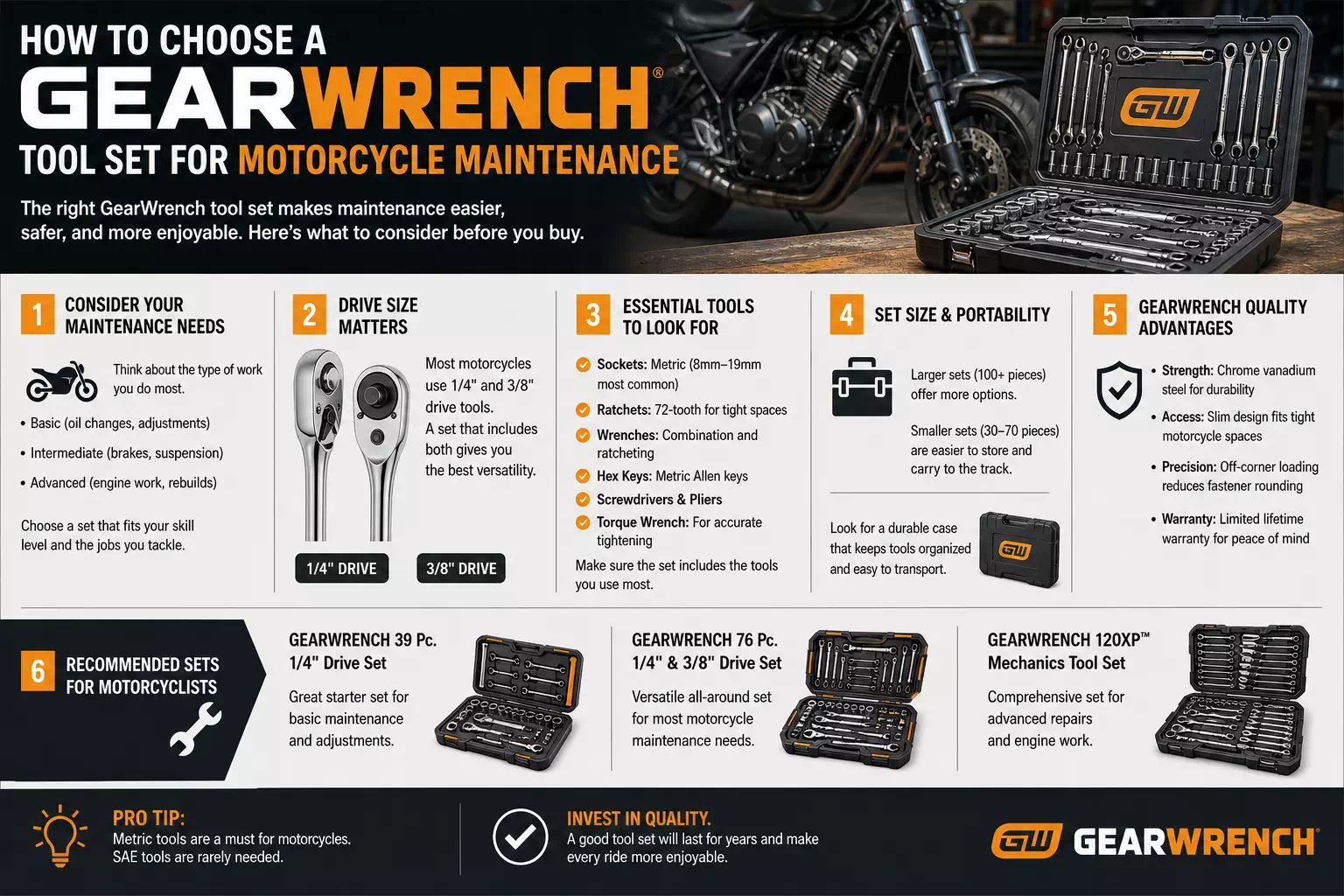
How to Choose a Gear Wrench Tool Set for Motorcycle Maintenance
-
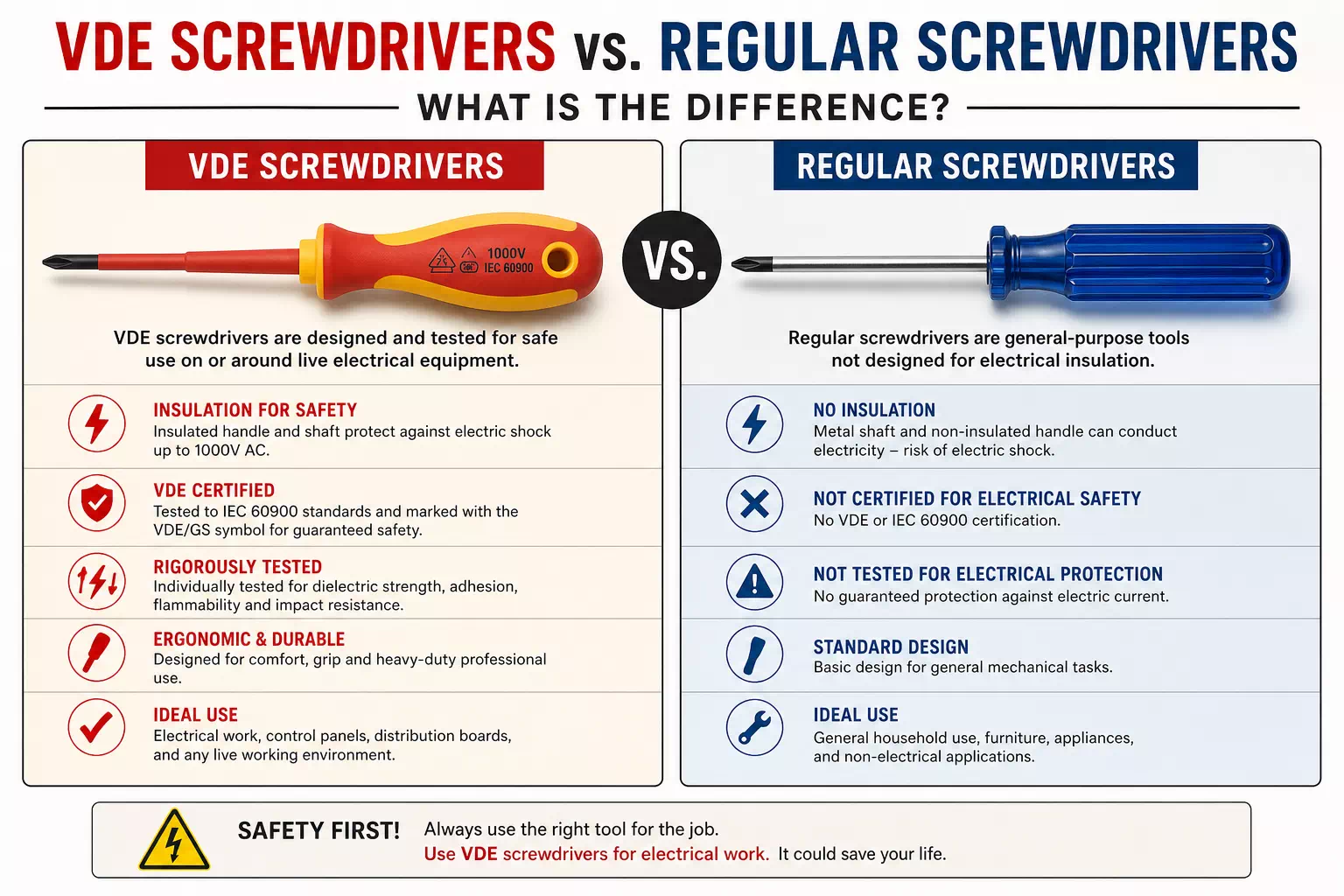
VDE Screwdrivers vs. Regular Screwdrivers: What Is the Difference?
-
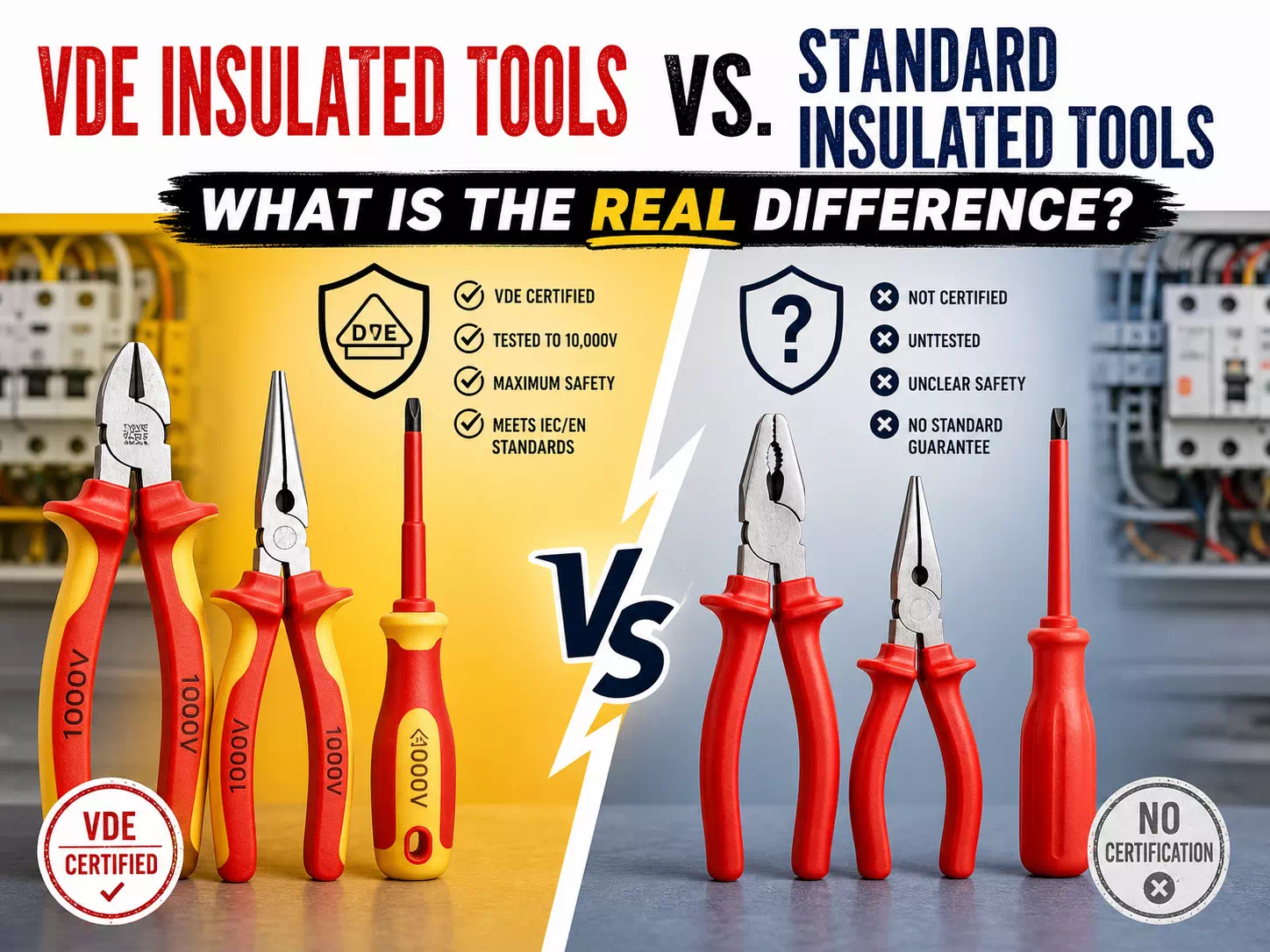
VDE Insulated Tools vs. Standard Insulated Tools: What Is the Real Difference?
-
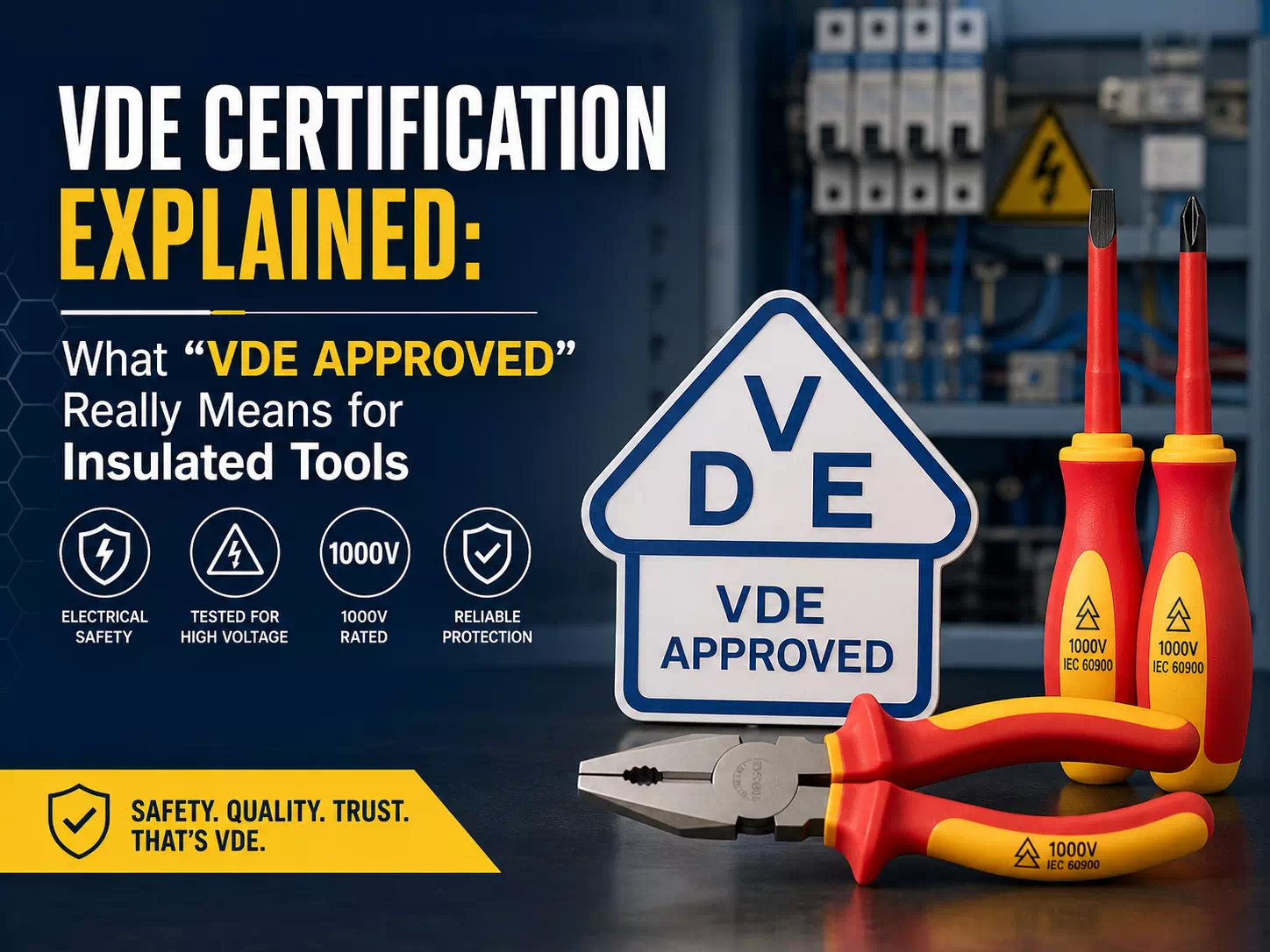
VDE Certification Explained: What “VDE Approved” Really Means for Insulated Tools
-
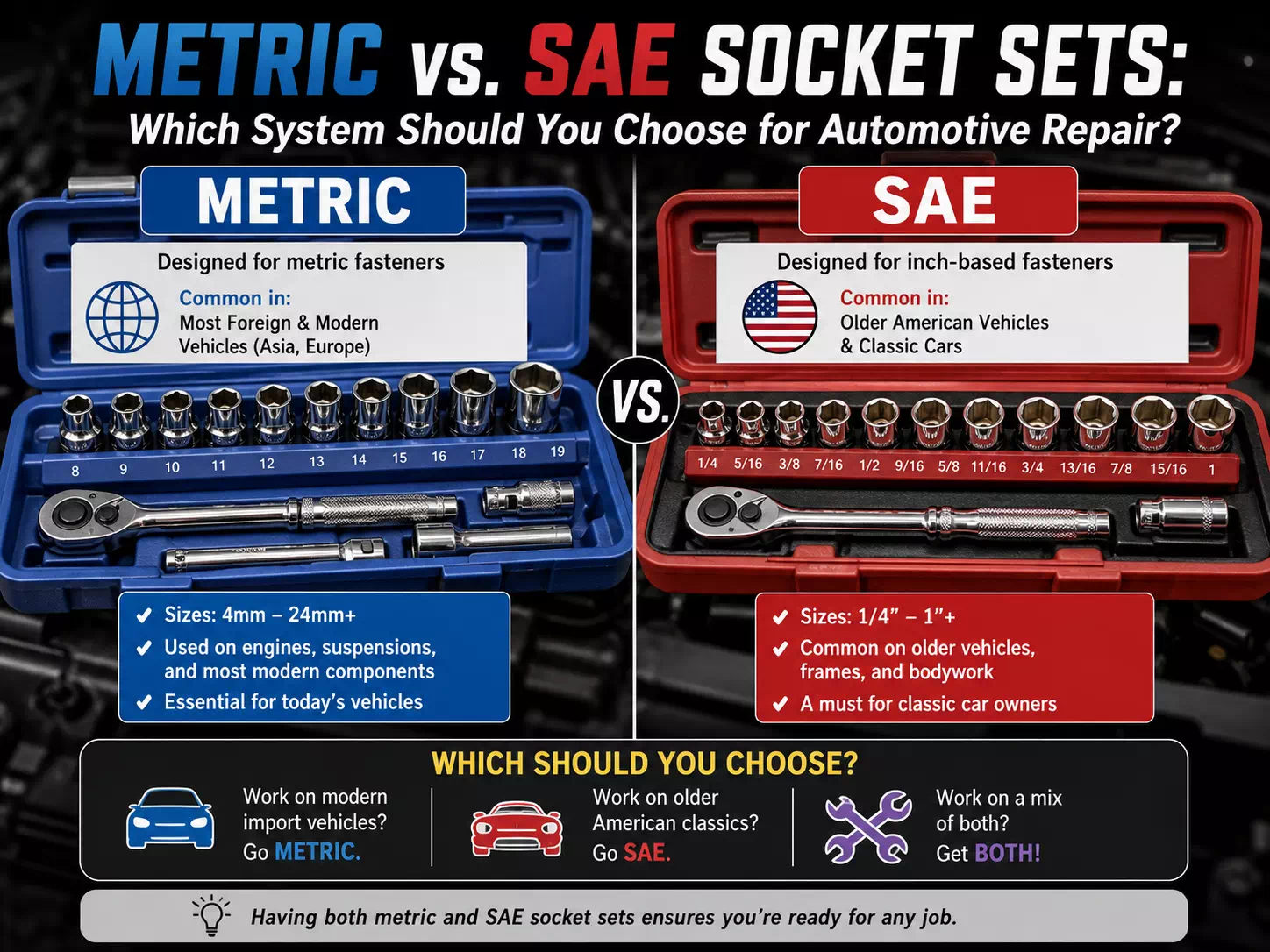
Metric vs. SAE Socket Sets: Which System Should You Choose for Automotive Repair?
-
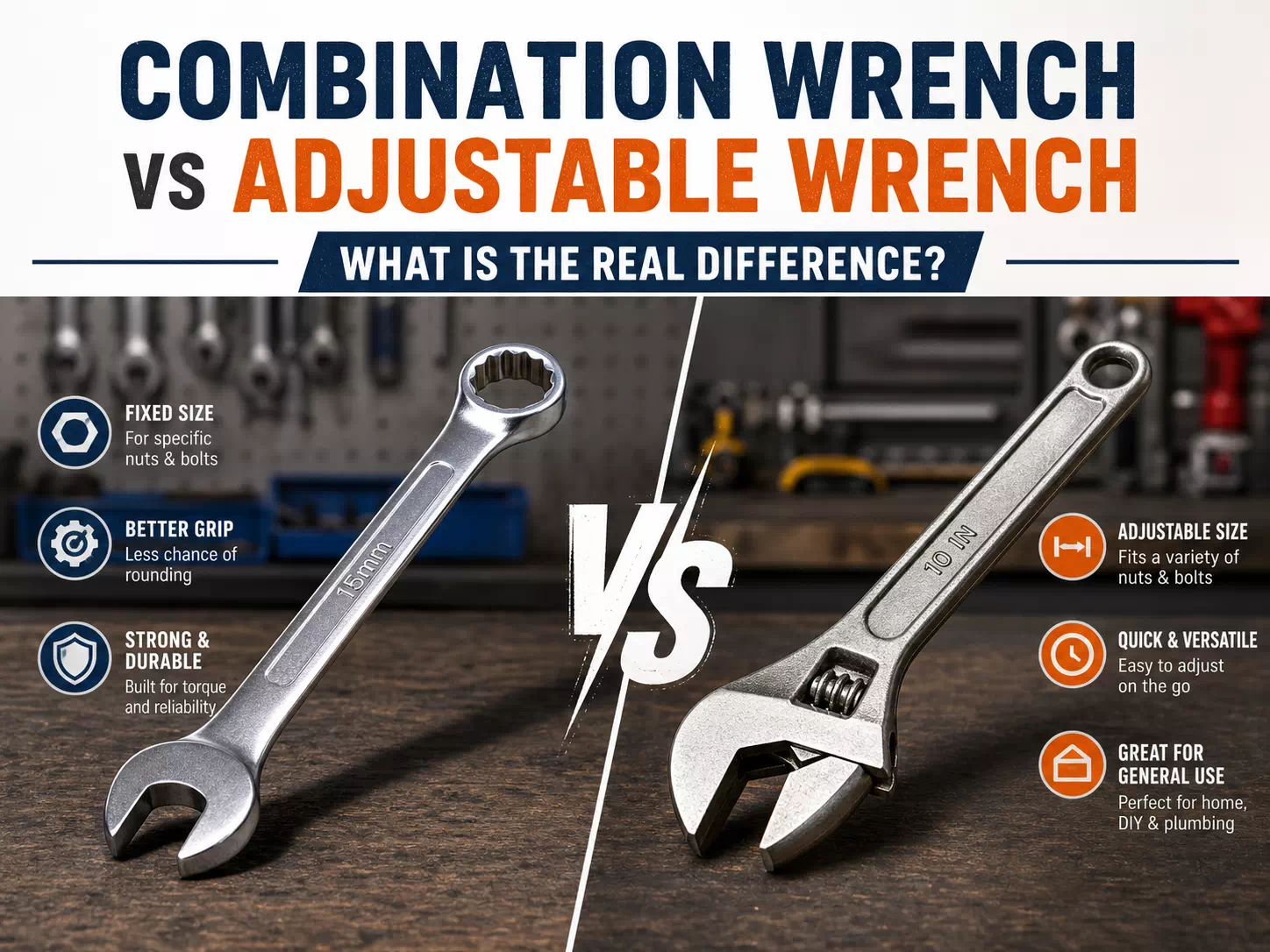
Combination Wrench vs Adjustable Wrench: What Is the Real Difference?