
- Dawei Metal 2026 Chinese New Year Special Offer: Gallop into Success with Upgraded Tools!
- Aluminum Alloy Combination Tool Set for Home, Automotive, and Repair Use
- Striking Tools: Types, Uses, and How to Choose the Right One
- Highest Quality Hand Tools: Inside the World's Most Trusted Tool Brands
- Why a Machete Saw Belongs in Your Outdoor Kit
Company:Shandong Dawei Metal Materials Co., Ltd.
Tel:+8615666285386
Email:dwhardwaretools@gmail.com
Address:Room 1413, Building 8, Shandong Steel Xintiandi Plaza, No. 61 Gongye South Road, High-tech Zone, Jinan City
Plier Wrench vs. Traditional Wrench: Why It’s a Game-Changer for Your Toolbox
If you open the heavy-duty tool bag of any professional mechanic, HVAC technician, or commercial electrician, you will undoubtedly find a wide variety of hand tools. You'll see a standard plier set, various adjustable wrenches, socket systems, and specialized electrician tools.
For decades, the traditional adjustable wrench (often generically referred to as a Crescent wrench) has been an undisputed staple for gripping hex bolts and plumbing fixtures. However, over the last few years, a revolutionary hybrid tool has been quietly taking over the industrial and trades sector: the plier wrench.
If you are still hauling around multiple heavy plier sets and a massive, clanking bundle of traditional combination wrenches, it’s time to modernize your workflow. This article provides a comprehensive, deep-dive comparison into why the plier wrench is an absolute game-changer for your toolbox and why it might just replace several heavy tools you currently lug around every day.
What Exactly is a Plier Wrench?
At first glance, a plier wrench looks somewhat similar to a standard pair of tongue-and-groove groove-joint pliers (often called Channellocks) or water pump pliers. However, beneath the surface, its mechanical engineering, jaw alignment, and force delivery system are entirely different.
While standard pliers feature curved, serrated teeth specifically designed to bite aggressively into metal pipes, a plier wrench features completely smooth, perfectly parallel jaws.
[Standard Pliers] -> Serrated Jaws -> Bites/Mars Surface
[Plier Wrench]     -> Smooth & Parallel Jaws -> Distributes Pressure Evenly
When you squeeze the handles of a plier wrench, a unique, patented cam-action mechanism takes over. This internal lever system multiplies your hand force exponentially (often by a ratio of 0:1 or higher). As a result, the parallel jaws clamp down onto a fastener or flat workpiece with incredible, uniform pressure that an ordinary adjustable wrench simply cannot replicate.
Plier Wrench vs. Traditional Wrench: The Ultimate Showdown
To truly appreciate why this hybrid engineering marvel is gaining a cult-like following among field technicians, let’s break down the direct comparison across four critical operational categories.
1. Surface Protection: True Zero-Damage Performance
The Traditional Wrench: Standard adjustable wrenches are notorious for having a slight amount of "play" or wiggle room inherently built into their thumb-screw worm gear mechanism. When you apply heavy torque to a softer metal fastener—such as chrome-plated bathroom fixtures, brass plumbing fittings, or aluminum automotive trim—the wrench jaws slightly flex or widen. This causes the tool to slip, instantly rounding off the sharp corners of your bolt and devastatingly scratching the expensive polished finish.
The Plier Wrench: Because the jaws are locked into a fixed position via a push-button track and close symmetrically parallel, there is absolutely zero backlash or slipping. The harder you pull the handle, the tighter the smooth jaws squeeze the flat sides of the nut. It is virtually impossible to round off a bolt using this tool. This makes it an irreplaceable asset for high-end residential plumbing, luxury automotive interiors, and delicate electrical components.
2. Gripping Power and Multi-Tool Versatility
The Traditional Wrench: A crescent wrench is a one-trick pony. It can only grip standard hexagonal or square nuts and bolts. It cannot be used to pinch, clamp, compress, or hold raw materials.
The Plier Wrench: While it replaces a whole rack of metric and imperial wrenches, it functions dynamically as a high-power hand vise or clamp. Because it responds instantly to manual hand pressure, you can use it for hundreds of tasks beyond fastening. Need to straighten a bent piece of sheet metal? Need to press-fit a delicate copper pin? Need to hold a small, flat workpiece steady against a grinding wheel? The plier wrench effortlessly bridges the structural gap between a heavy-duty plier set and a precision fastening tool.
3. Speed, Efficiency, and "The Ratchet Effect"
The Traditional Wrench: Working with a traditional adjustable wrench in a tight engine bay or narrow electrical cabinet is notoriously tedious. Once you turn a bolt a quarter of a turn, you must physically slide the wrench off the bolt head, readjust your angle, reposition the tool back onto the bolt, and turn again.
The Plier Wrench: The cam-action handles unlock a brilliant, ratchet-like movement. By simply easing your hand grip slightly on the return stroke, the parallel jaws open up just a fraction of a millimeter. This allows the jaws to slide effortlessly back over the corners of the hex bolt without ever losing contact with the fastener. You close your hand, turn, relax your hand, slide back, and turn again. It turns a slow hand tool into a lightning-fast ratcheting mechanism.
4. Severe Space and Weight Reductions
Weight management and tool bag organization are massive pain points for field professionals. Instead of cluttering your service vehicle with a 15-piece metric combination wrench set and another 15-piece imperial set, a single 10-inch plier wrench covers both measurement systems flawlessly. It smoothly adjusts from 0 up to nearly 2 inches (52mm), effectively replacing dozens of individual wrenches while cutting down the weight of your service kit by several pounds.
Deep-Dive Comparison Table
Operational Feature | Professional Plier Wrench | Traditional Adjustable Wrench |
Jaw Contact Surface | Smooth & Perfectly Parallel (Zero Marring) | Smooth but Loose Worm Gear (High Risk of Rounding) |
Internal Mechanism | Cam-assisted force-multiplying leverage | Manual thumb-screw thread adjustment |
Task Working Speed | Extremely Fast (Continuous Ratchet-like Action) | Slow & Fragmented (Must constantly remove and reset) |
Versatility Profile | Fastening, clamping, bending, pressing, crimping | Fastening standard hex/square bolts exclusively |
Toolbox Footprint | One single tool replaces full metric/imperial sets | Requires large, heavy, dedicated multi-piece sets |
Jaws Under Load | Tighten automatically as torque increases | Tend to splay or widen under high torque |
How It Fits Into a Professional Tech's Workflow
While it is a phenomenal mechanical fastening tool, it has rapidly evolved into an absolute favorite companion piece within modern electrician tools loadouts.
When running electrical conduit lines, tightening heavy-duty locknuts on junction boxes, or adjusting mounting bracketry in tight corners, speed and reliability are everything. Professional installers no longer want to carry massive bags of single-use hand tools.
By strategically pairing a mid-sized plier wrench with your daily-use wire stripper tool and a certified pair of VDE insulated pliers, you create a highly compact, hyper-efficient, elite tool loadout. This minimalistic trio is robust enough to confidently handle over 90% of daily commercial maintenance and installation tasks without requiring constant trips back to a service truck.
Professional Pro-Tip: When shopping for a premium plier wrench to add to your workspace, always look for industrial models engineered with a push-button, rapid-adjust sliding joint mechanism rather than old-fashioned manual slip joints. This allows you to instantly lock into the precise diameter required with a single press, removing all traditional guesswork from your setup.
Frequently Asked Questions (FAQ)
Can a plier wrench completely replace a standard plier set?
Not entirely. While a plier wrench is vastly superior for flat, smooth surfaces, hex bolts, and compression tasks, it cannot fully replace specialized pliers. For instance, you will still need a dedicated plier set featuring needle-nose pliers for reaching deep into narrow recesses, or cutting pliers for slicing heavy gauge wires. They are complementary tools rather than total replacements.
Is a plier wrench safe to use on live electrical components?
Standard chrome-vanadium plier wrenches with plastic-dipped grips are not safe for live electrical environments. If you are working around active circuitry, you must utilize specialized, rated insulated pliers that are certified up to 1000V (such as VDE GS standards) to ensure user safety against electrical shocks.
Why are plier wrenches more expensive than traditional crescent wrenches?
The price difference comes down to complex manufacturing tolerances and high-grade materials. Traditional adjustable wrenches are simple two-piece cast tools. A professional plier wrench utilizes high-precision box-joint designs, multiple laser-etched adjustment settings, heat-treated pivot pins, and an intricate internal cam mechanism designed to withstand hundreds of pounds of continuous hand force without failing. The investment pays for itself rapidly in time saved and ruined materials prevented.
The Ultimate Verdict: Is It Worth the Investment?
The traditional adjustable wrench will always retain its legendary place in the history of hand tools, but engineering evolution cannot be ignored. The plier wrench is simply a vastly superior, highly refined evolution of the wrench concept. It clamps down tighter, completes tasks significantly faster, prevents costly cosmetic damage to expensive fixtures, and dramatically lightens your daily carrying load.
If you are looking to optimize your mechanical workflow, protect your physical health by shedding tool bag weight, and upgrade your trade gear to true elite status, investing in a premium plier wrench is one of the smartest, most immediate upgrades you can make for your career.
Are you ready to revolutionize your manual toolkit? Explore our comprehensive line of heavy-duty plier sets, ergonomic wire stripper tools, and professional-grade electrician tools today to discover the ultimate hardware engineered for your next major installation project!
- Pro:How to Choose Insulated Tools for Electrical Work: Complete Guide for Electricians and Buyers
- Next:Top Industrial Measuring Tools
-
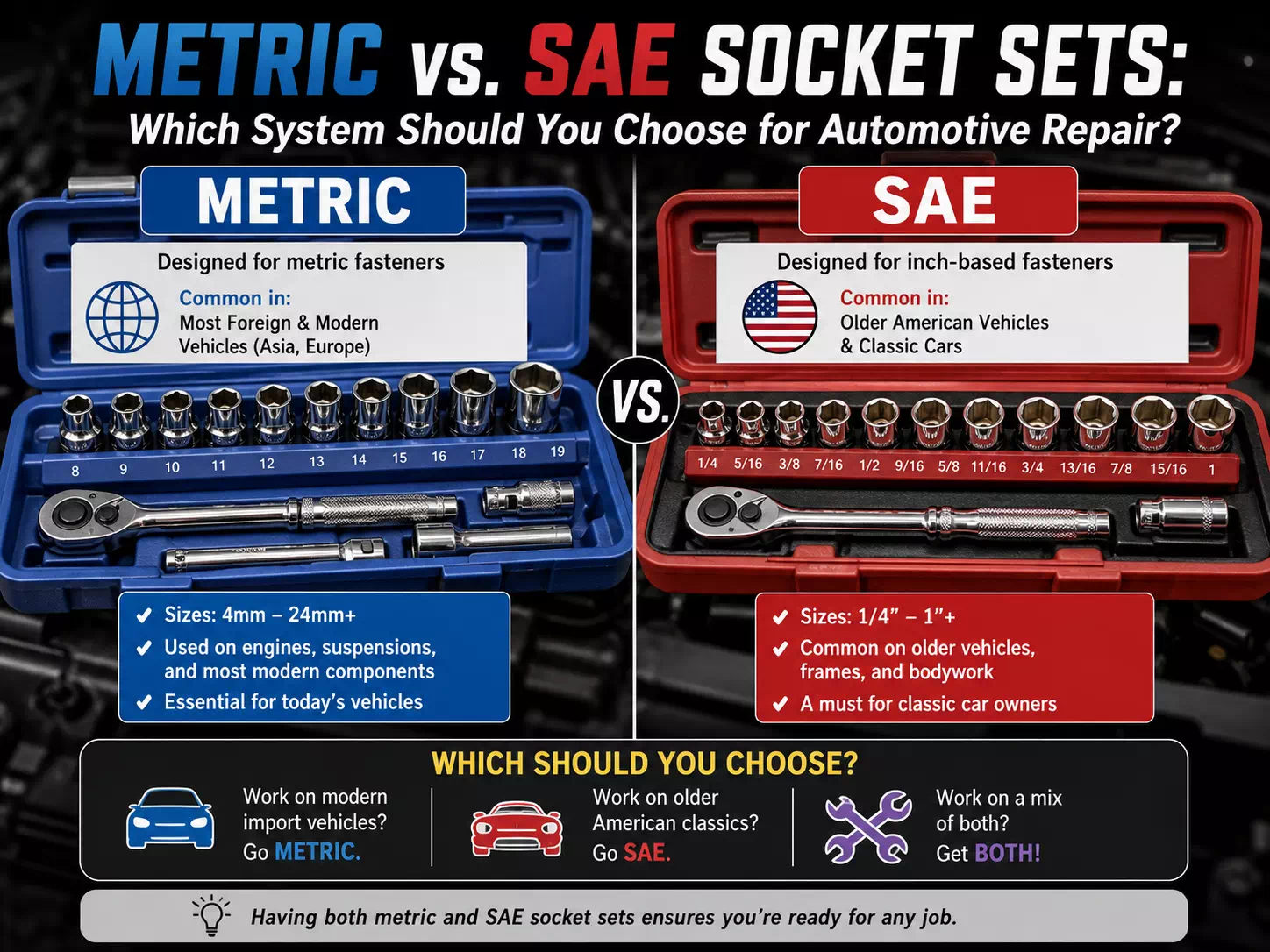
Metric vs. SAE Socket Sets: Which System Should You Choose for Automotive Repair?
-
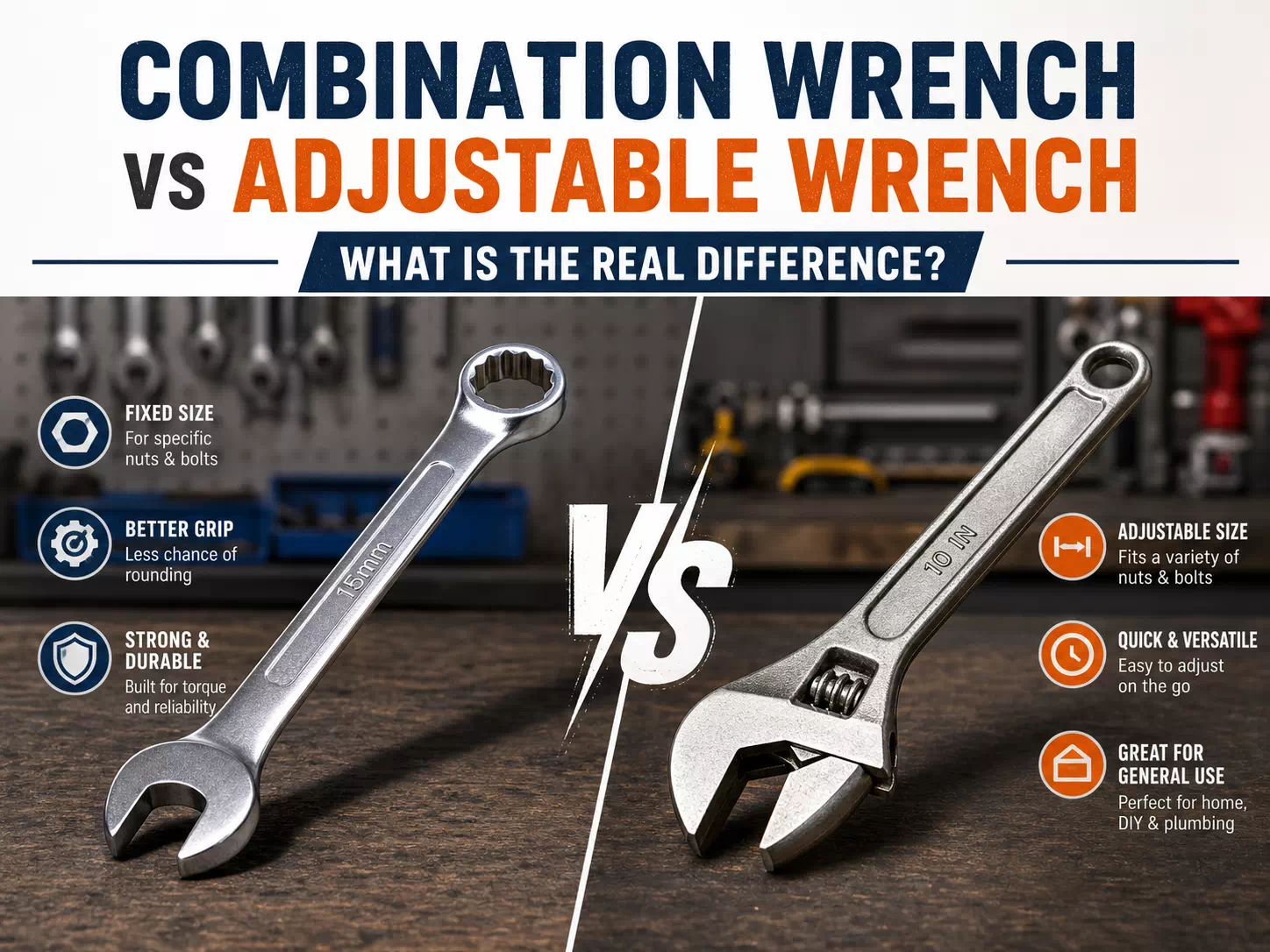
Combination Wrench vs Adjustable Wrench: What Is the Real Difference?
-
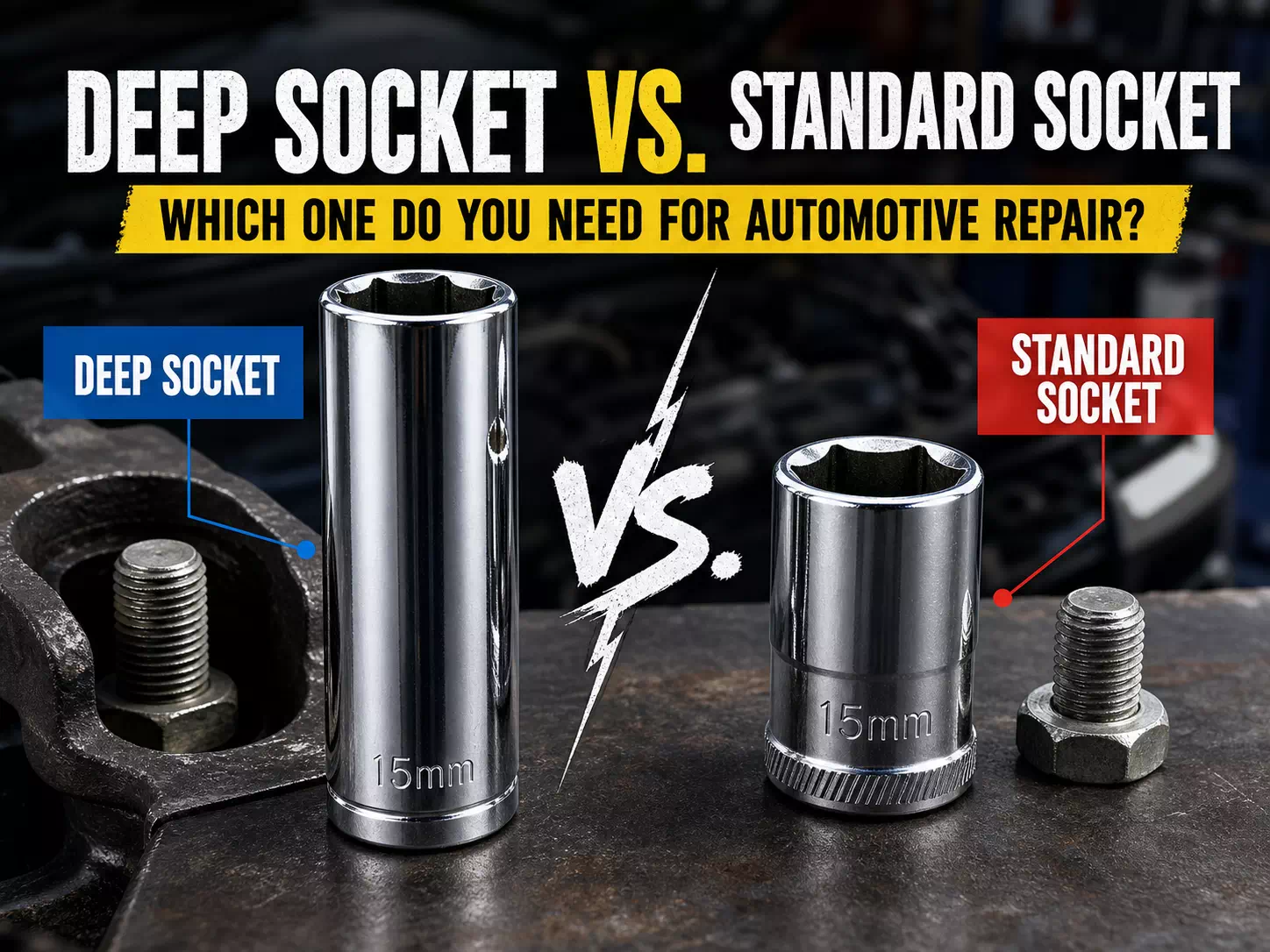
Deep Socket vs. Standard Socket: Which One Do You Need for Automotive Repair?
-

Socket Set vs. Wrench Set: Which Is Better for Automotive Repair?
-
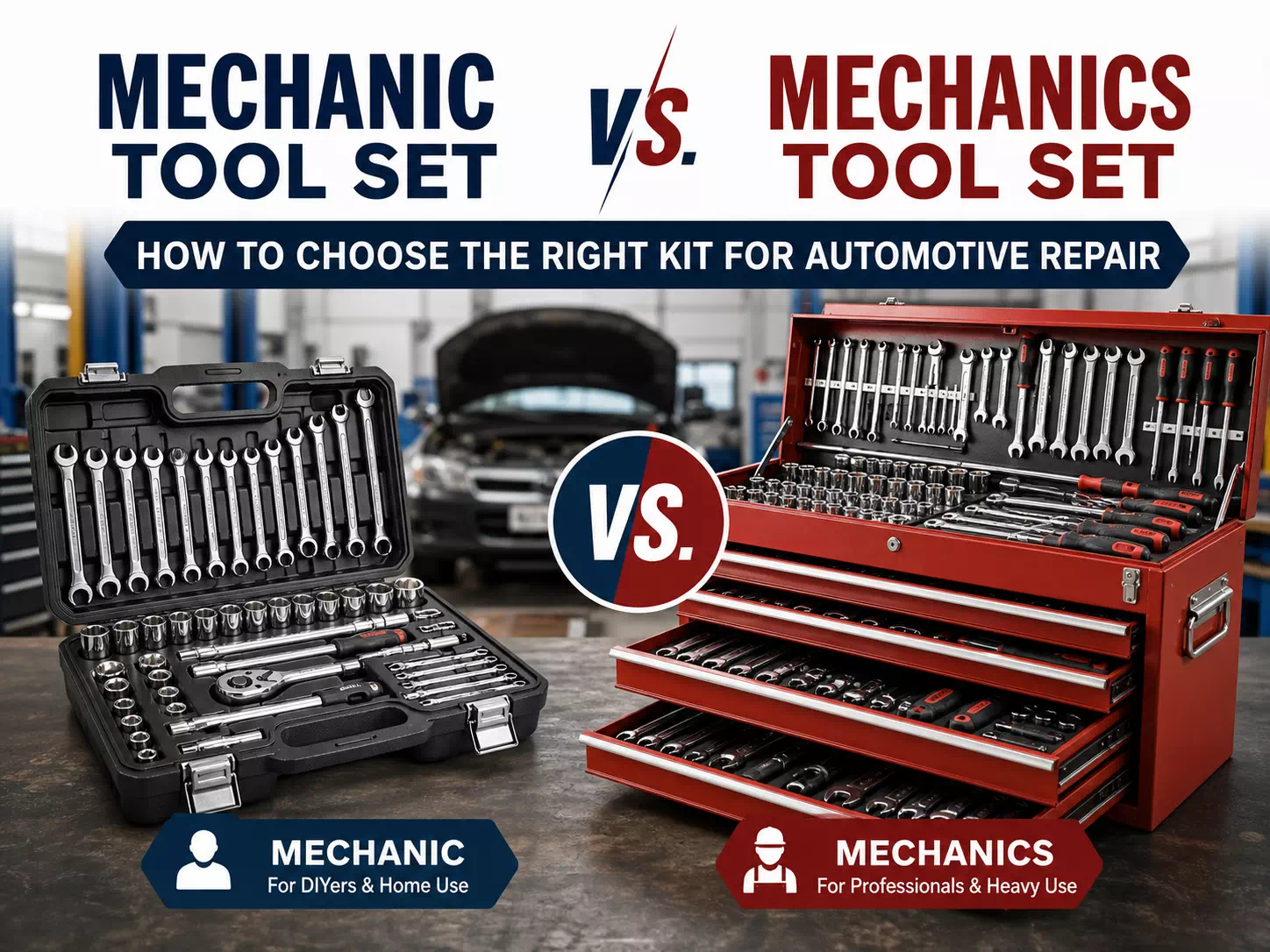
Mechanic Tool Set vs. Mechanics Tool Set: How to Choose the Right Kit for Automotive Repair
-
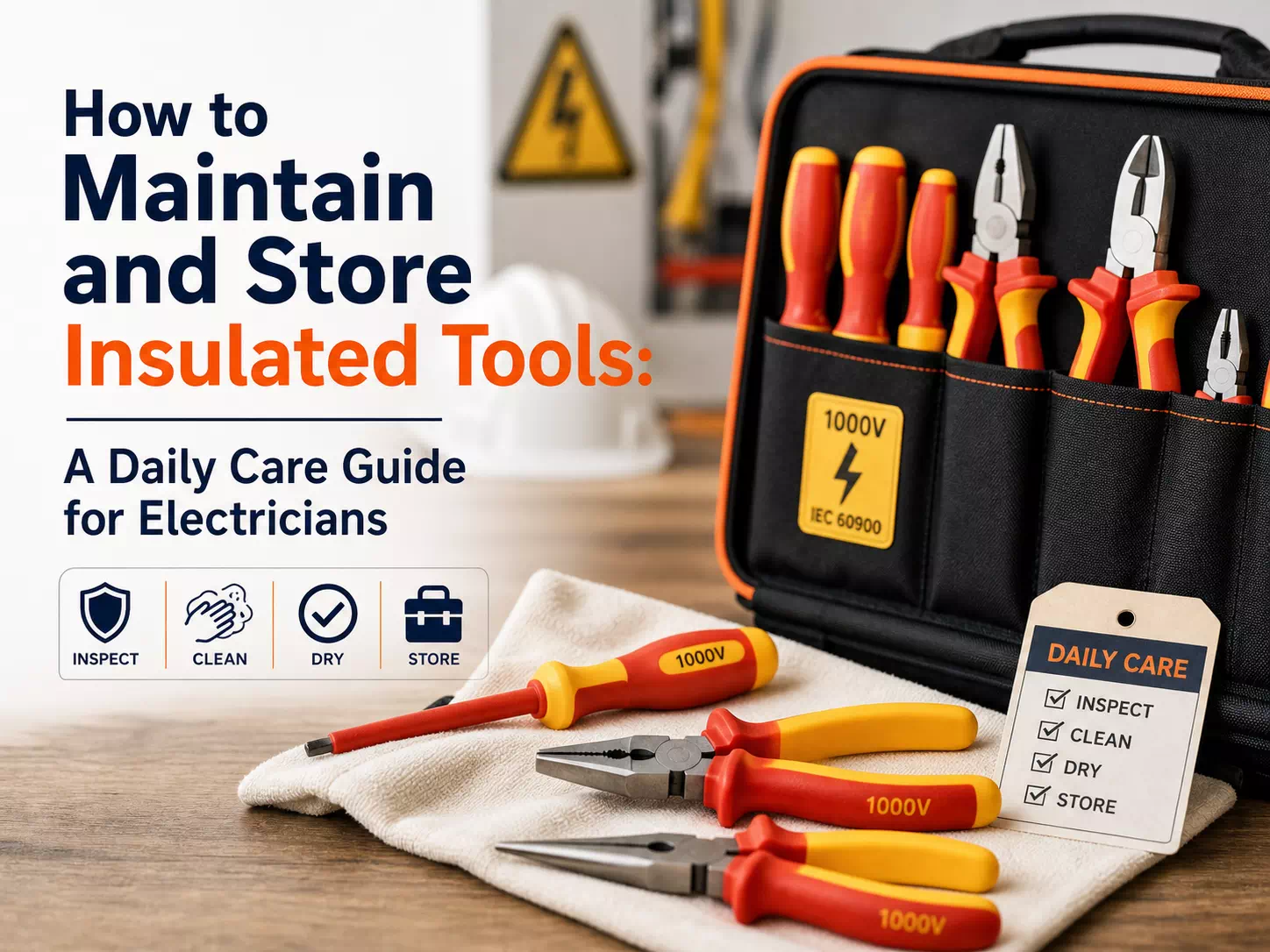
How to Maintain and Store Insulated Tools: A Daily Care Guide for Electricians