
- Dawei Metal 2026 Chinese New Year Special Offer: Gallop into Success with Upgraded Tools!
- Aluminum Alloy Combination Tool Set for Home, Automotive, and Repair Use
- Striking Tools: Types, Uses, and How to Choose the Right One
- Highest Quality Hand Tools: Inside the World's Most Trusted Tool Brands
- Why a Machete Saw Belongs in Your Outdoor Kit
Company:Shandong Dawei Metal Materials Co., Ltd.
Tel:+8615666285386
Email:dwhardwaretools@gmail.com
Address:Room 1413, Building 8, Shandong Steel Xintiandi Plaza, No. 61 Gongye South Road, High-tech Zone, Jinan City
Top Industrial Measuring Tools Every Manufacturing Factory Should Have in 2026
In today's manufacturing environment, precision is no longer optional—it is a competitive advantage. Whether producing automotive components, machinery, metal parts, or industrial equipment, accurate measurement ensures product quality, reduces waste, and improves production efficiency.
Industrial measuring tools play a critical role throughout the manufacturing process. From checking dimensions to monitoring machine performance, choosing the right instruments helps manufacturers maintain strict quality standards while reducing costly errors.
This guide introduces the most essential measuring tools every factory should consider and explains how to select reliable equipment for long-term performance.
Why Precision Measuring Tools Matter
Every manufacturing process depends on consistent accuracy. Even a small measurement error can lead to rejected products, production delays, or equipment failures.
Reliable measuring tools help manufacturers:
Improve product consistency
Reduce production defects
Meet international quality standards
Increase machining accuracy
Lower production costs
Enhance customer satisfaction
Whether your workshop produces precision components or large industrial assemblies, investing in high-quality measuring instruments is essential.
1. Micrometer – The Standard for High-Precision Measurement
A micrometer is one of the most accurate handheld measuring instruments used in manufacturing. It measures extremely small dimensions with excellent precision, making it ideal for machining, metalworking, aerospace, and automotive industries.
Common Types of Micrometers
Outside Micrometer
Inside Micrometer
Depth Micrometer
Digital Micrometer
Mechanical Micrometer
Typical Applications
Shaft diameter measurement
Metal thickness inspection
Bearing inspection
Precision component manufacturing
CNC machining
Advantages
High measurement accuracy
Durable construction
Easy calibration
Long service life
Suitable for quality inspection
When selecting a micrometer, consider measuring range, resolution, material quality, and calibration certification.
2. Caliper – A Versatile Measuring Tool for Daily Inspection
A caliper is one of the most widely used measuring tools in workshops because it offers excellent versatility. It can measure outside dimensions, inside dimensions, depth, and step measurements using a single instrument.
Main Types
Vernier Caliper
Digital Caliper
Dial Caliper
Common Applications
Metal fabrication
Machine maintenance
Automotive repair
Tool manufacturing
Equipment assembly
Benefits
Fast measurement
Multiple measurement functions
Easy operation
High efficiency
Available in various measuring ranges
Digital calipers are particularly popular because they provide quick readings and reduce human error.
3. Dial Gauge – Essential for Precision Inspection
A dial gauge, also known as a dial indicator, is designed to detect very small variations in distance or movement.
It is widely used for alignment, runout inspection, flatness testing, and machine setup.
Typical Uses
Machine alignment
Surface flatness inspection
Runout measurement
Equipment maintenance
Precision assembly
Key Features
High sensitivity
Stable readings
Easy installation
Excellent repeatability
Dial gauges are indispensable in machine shops where precision directly affects product quality.
4. RPM Meter – Monitoring Machine Performance
An RPM meter measures the rotational speed of motors, shafts, fans, pumps, and industrial equipment.
Monitoring rotational speed helps prevent equipment failures and improves maintenance efficiency.
Types of RPM Meters
Contact RPM Meter
Non-contact RPM Meter
Digital Tachometer
Common Applications
Electric motor testing
Generator maintenance
Conveyor systems
Industrial machinery
HVAC equipment
Manufacturing equipment inspection
Benefits
Prevent unexpected downtime
Improve equipment efficiency
Support preventive maintenance
Easy operation
Fast measurement results
Many maintenance engineers prefer non-contact RPM meters because they allow safe measurements without direct contact with rotating parts.
How to Choose the Right Industrial Measuring Tools
Selecting the right measuring instrument depends on your production requirements.
Consider the following factors before purchasing:
Measurement Accuracy
Higher precision is essential for industries requiring tight tolerances.
Material Quality
Stainless steel bodies provide better durability and corrosion resistance.
Calibration
Choose tools that support international calibration standards for consistent measurement accuracy.
Ease of Use
Digital displays and ergonomic designs improve efficiency and reduce operator fatigue.
Working Environment
Dust, humidity, vibration, and temperature changes may affect measurement performance. Select tools suitable for your operating conditions.
Supplier Reliability
Working with an experienced manufacturer ensures stable product quality, professional technical support, and long-term cooperation.
Common Mistakes When Buying Measuring Tools
Many buyers focus only on price, overlooking factors that affect long-term performance.
Common mistakes include:
Choosing low-accuracy tools
Ignoring calibration requirements
Purchasing unsuitable measuring ranges
Overlooking durability
Buying from suppliers with inconsistent quality control
A well-made measuring tool may have a higher initial cost but often delivers greater value over years of use.
Industries That Depend on Precision Measuring Tools
Industrial measuring instruments are widely used across multiple sectors, including:
Automotive Manufacturing
Metal Fabrication
CNC Machining
Aerospace
Heavy Equipment
Tool & Die Manufacturing
Industrial Maintenance
Electronics Assembly
Engineering Workshops
Quality Inspection Laboratories
Each industry relies on accurate measurement to maintain product quality and production efficiency.
Why Choose Dawei Metal
At Dawei Metal, we supply reliable industrial tools designed to meet the needs of professional distributors, wholesalers, and industrial buyers worldwide.
Our advantages include:
Professional OEM & ODM manufacturing
Strict quality control procedures
Durable materials and precision production
Competitive factory-direct pricing
Flexible customization options
Stable export experience
Fast production and worldwide delivery
Whether you are expanding your product range or sourcing dependable industrial measuring tools, our team is committed to providing practical solutions and consistent quality.
Final Thoughts
Industrial measuring tools are fundamental to modern manufacturing. From micrometers and calipers to dial gauges and RPM meters, selecting the right equipment improves precision, increases productivity, and reduces production costs.
Investing in reliable measuring instruments is not simply about achieving accurate dimensions—it is about building a more efficient, consistent, and competitive manufacturing process.
If you are looking for a trusted OEM hardware tools manufacturer, Dawei Metal offers a comprehensive range of industrial tools supported by professional manufacturing capabilities and global export experience.
- Pro:Plier Wrench vs. Traditional Wrench: Why It’s a Game-Changer for Your Toolbox
- Next:Why EV Maintenance Demands Cer
-
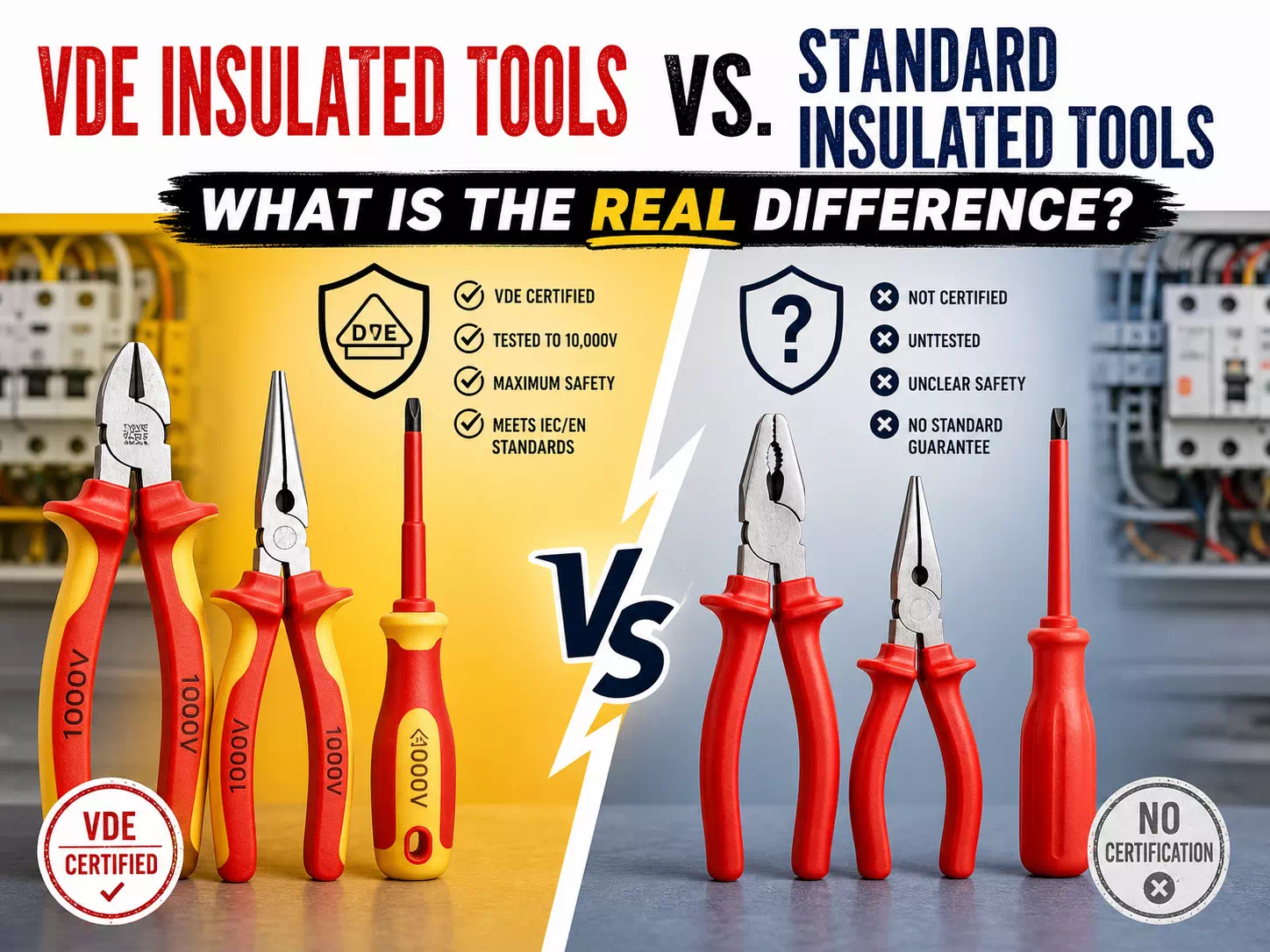
VDE Insulated Tools vs. Standard Insulated Tools: What Is the Real Difference?
-
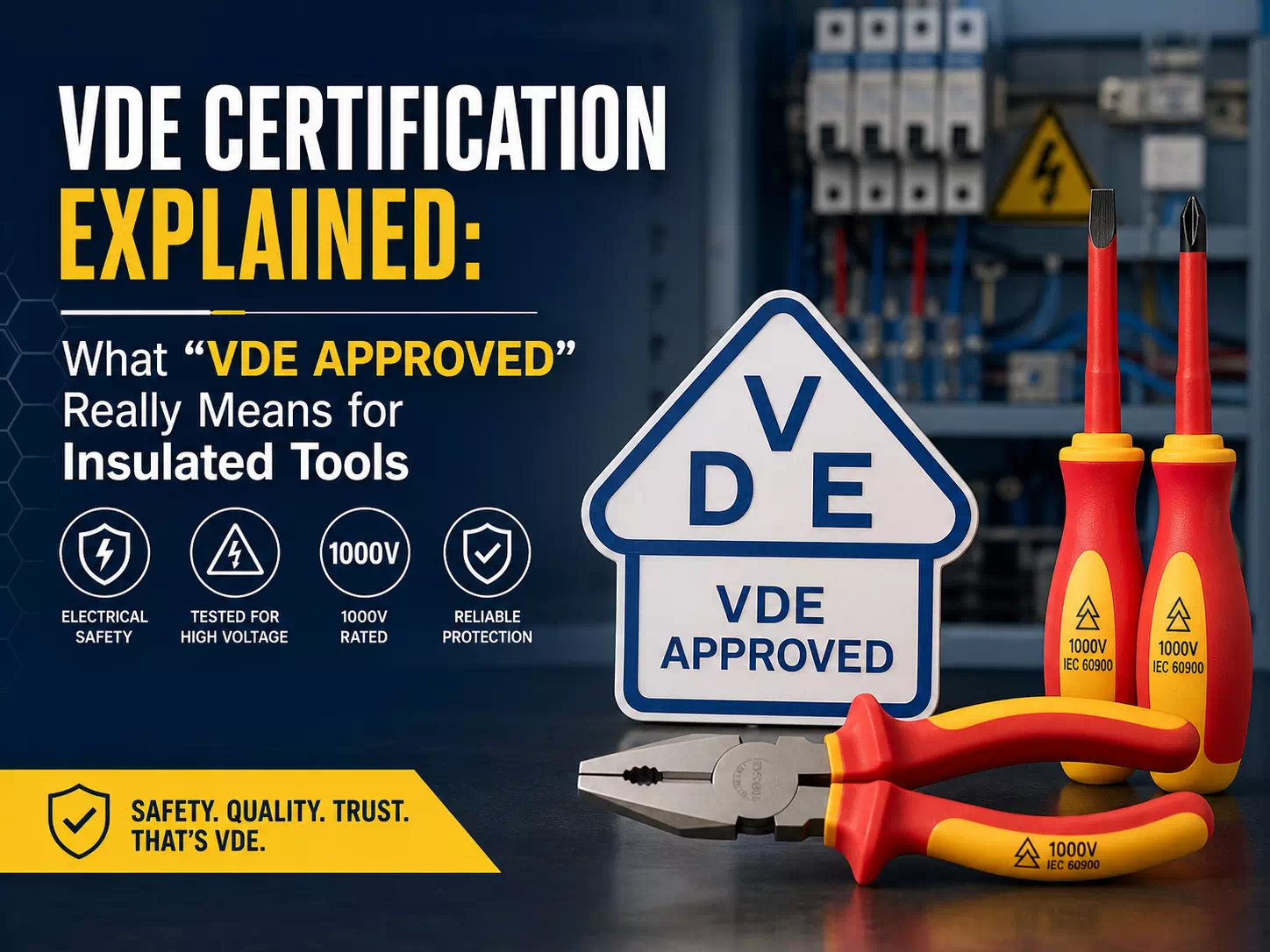
VDE Certification Explained: What “VDE Approved” Really Means for Insulated Tools
-
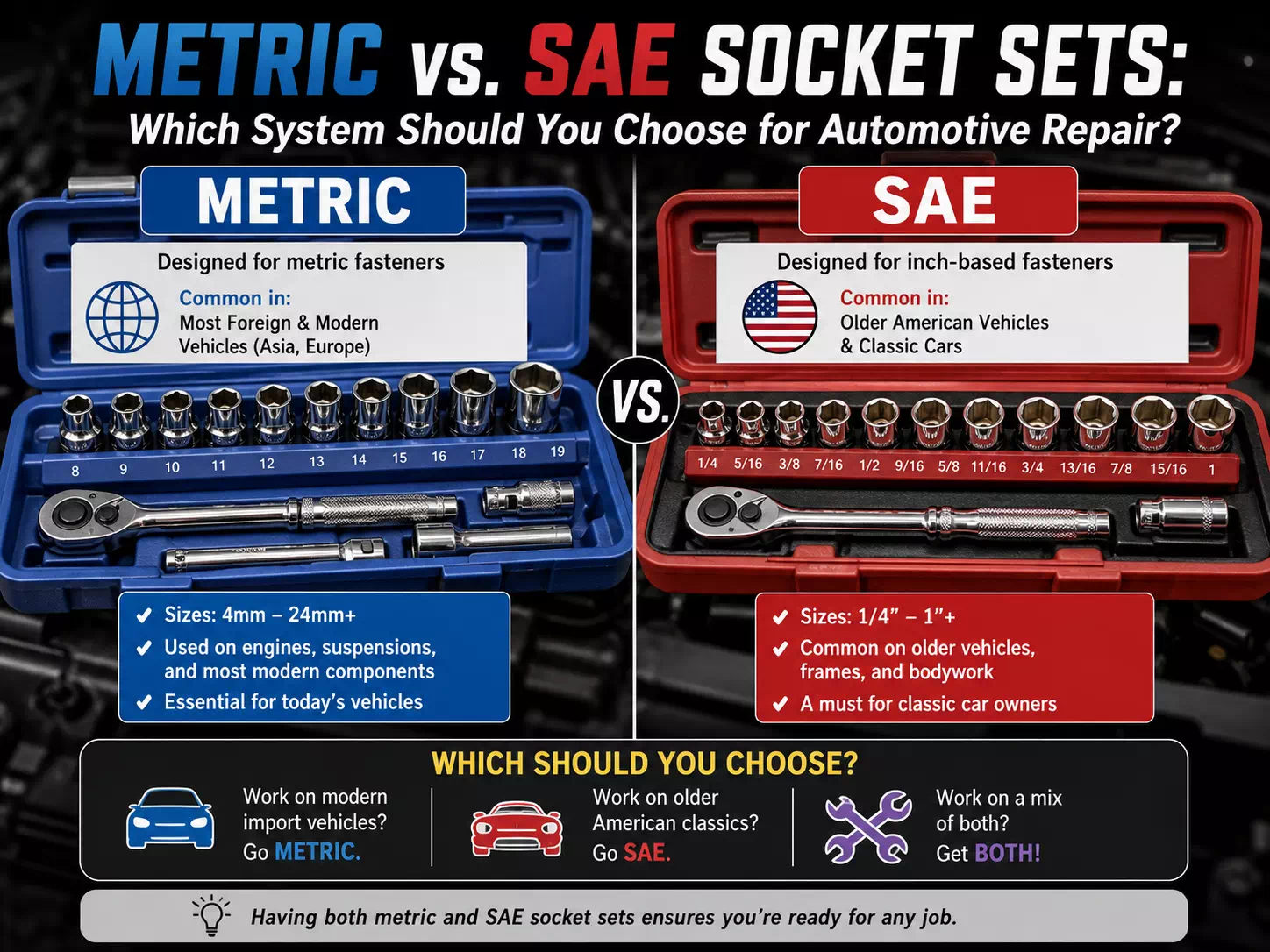
Metric vs. SAE Socket Sets: Which System Should You Choose for Automotive Repair?
-
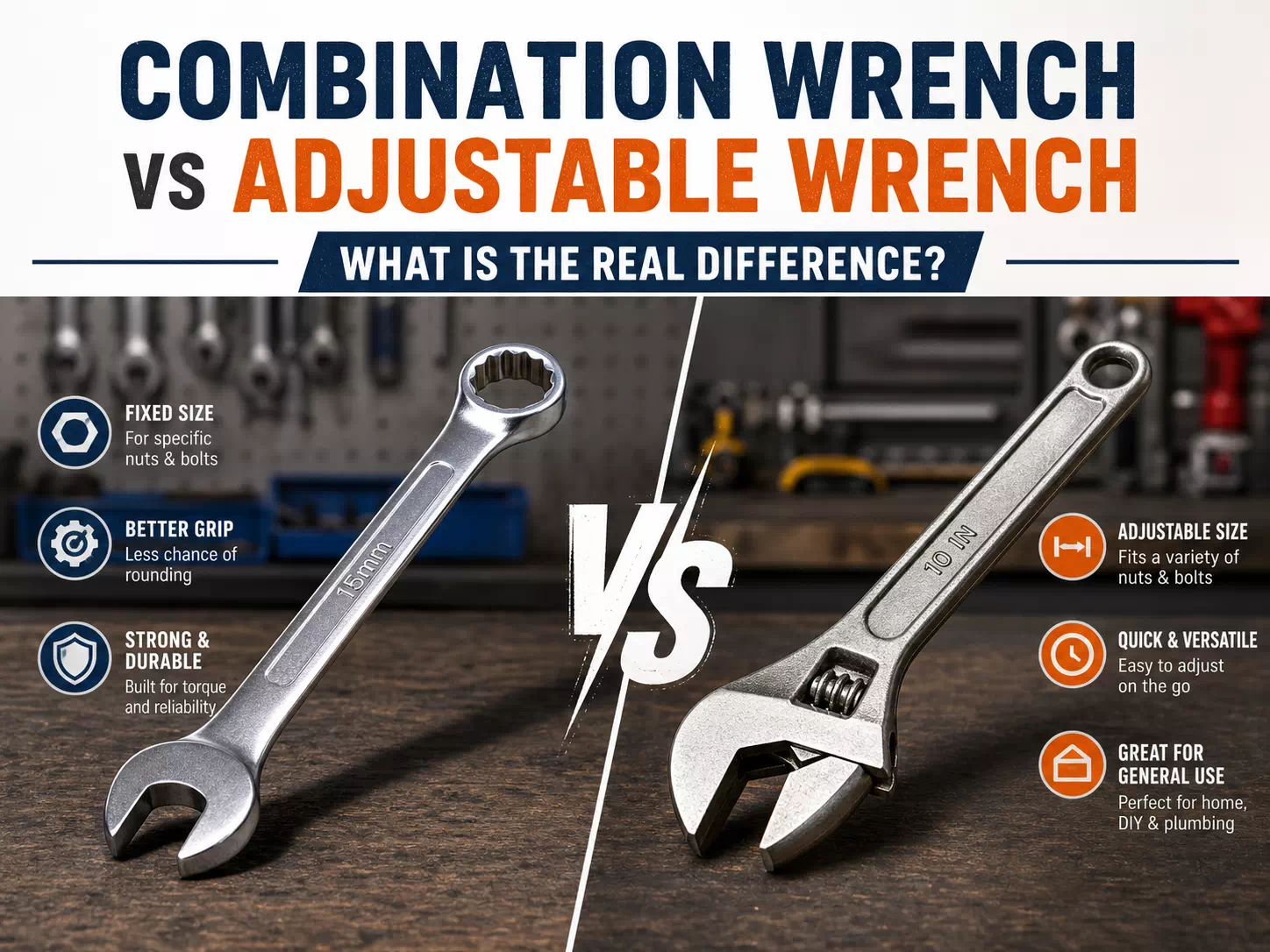
Combination Wrench vs Adjustable Wrench: What Is the Real Difference?
-
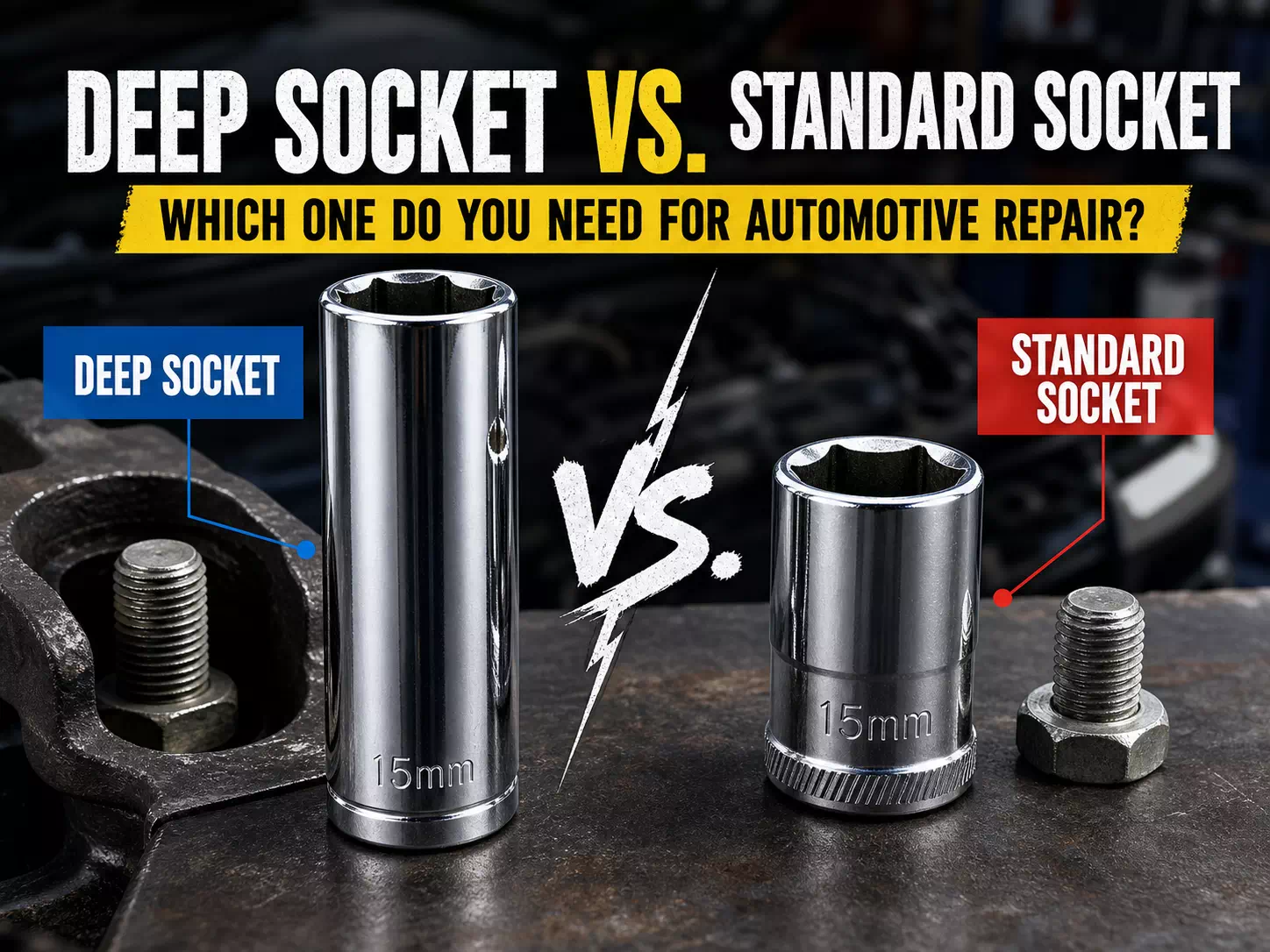
Deep Socket vs. Standard Socket: Which One Do You Need for Automotive Repair?
-

Socket Set vs. Wrench Set: Which Is Better for Automotive Repair?