
- Dawei Metal 2026 Chinese New Year Special Offer: Gallop into Success with Upgraded Tools!
- Aluminum Alloy Combination Tool Set for Home, Automotive, and Repair Use
- Striking Tools: Types, Uses, and How to Choose the Right One
- Highest Quality Hand Tools: Inside the World's Most Trusted Tool Brands
- Why a Machete Saw Belongs in Your Outdoor Kit
Company:Shandong Dawei Metal Materials Co., Ltd.
Tel:+8615666285386
Email:dwhardwaretools@gmail.com
Address:Room 1413, Building 8, Shandong Steel Xintiandi Plaza, No. 61 Gongye South Road, High-tech Zone, Jinan City
Mechanic Tool Set vs. Mechanics Tool Set: How to Choose the Right Kit for Automotive Repair
Search for mechanic tool set or mechanics tool set and you will see a familiar mix of products: sockets, ratchets, wrenches, pliers, screwdrivers, extensions, and a hard case. Some sets contain 40 pieces. Others contain 94, 120, or more.
The larger number is not automatically the better choice. A kit is useful only when the tools match the vehicles, fasteners, and repair tasks you actually handle. A home garage may need a compact set for oil changes, brakes, and basic repairs. A workshop may need multiple drive sizes, deeper sockets, stronger ratchets, and a replacement plan for tools that see daily use.
This guide explains how to compare a mechanic tool set in practical terms. It also addresses the difference between the two common search phrases, outlines the tools worth prioritizing, and shows how to choose a set that will not leave you searching for one missing socket halfway through a repair.
Mechanic tool set vs. mechanics tool set: is there a real difference?
In everyday product searches, mechanic tool set is the more common phrase. It normally refers to a tool kit designed for automotive repair, workshop maintenance, or mechanical work.
Mechanics tool set usually means the same thing, with the wording placing more emphasis on the people who use the tools. A supplier may use either phrase in a product title or category description. For buyers, the important point is not the grammar. It is the actual configuration inside the case.
When comparing products, look past the keyword and check the socket sizes, drive sizes, ratchet mechanism, wrench coverage, case layout, and replacement support. Those details determine whether the set works on the vehicle in front of you.
Choose the set by the work, not by the box size
A mechanic tool set for occasional home maintenance does not need the same coverage as a kit used in a repair shop. Start by listing the jobs the set is expected to handle.
Basic work in a home garage
For routine vehicle maintenance, a compact set should cover common metric sockets, a 3/8-inch ratchet, a few extension bars, combination wrenches, pliers, and screwdrivers. This is enough for many tasks involving brackets, covers, battery terminals, hose clamps, and general fasteners.
A small set is easier to carry and easier to keep complete. The trade-off is that it may not include the larger sockets or higher-capacity tools needed for suspension, wheel hubs, or heavily tightened chassis fasteners.
Daily work in an automotive repair shop
A repair shop needs broader coverage and better access. A useful workshop set usually includes 1/4-inch, 3/8-inch, and 1/2-inch drives, shallow and deep sockets, extensions, universal joints, combination wrenches, pliers, and several screwdriver types.
The tools should also be easy to identify at a glance. When a technician is working against a deadline, a case with clear size markings is more useful than a large box in which every socket has to be searched for individually.
Fleet and equipment maintenance
Fleet technicians often work on several vehicle types. The best set is not necessarily the largest one; it is the one that covers the recurring fasteners in the fleet and can be replenished when a high-use item is lost or damaged.
For a shared maintenance department, standardizing the basic configuration can reduce duplicate purchases. Keep a separate record for specialist tools, such as torque wrenches, impact sockets, pullers, and diagnostic equipment, rather than assuming that a general mechanic tool set covers every repair.
What should a practical mechanic tool set include?
A useful set is built around the way force is applied to a fastener. The following categories form the core of most automotive repair kits.
Tool category | Typical use in automotive repair |
Socket set | Removing and installing common engine, body, chassis, and accessory fasteners |
Ratchet wrench | Quickly turning fasteners where a full wrench swing is not available |
Combination wrench | Working on fasteners that cannot be reached with a socket |
Extension bars | Reaching bolts set deep inside an engine bay or under a vehicle |
Universal joint | Allowing access when the socket and ratchet cannot stay in a straight line |
Pliers | Gripping, bending, cutting, and handling clips, clamps, and wires |
Screwdrivers | Removing covers, interior fasteners, clamps, and small hardware |
Torque wrench | Tightening critical fasteners to a specified torque |
The table is a starting point rather than a shopping list. A set intended for brake and suspension work may need different coverage from one intended for engine-bay service. Check the actual product list before assuming that a piece count includes the tools you need.
How to choose between 1/4-inch, 3/8-inch, and 1/2-inch drives
Drive size is one of the most important decisions when comparing a mechanic socket set. The three common sizes serve different jobs.
1/4-inch drive
A 1/4-inch drive is suited to small fasteners, interior panels, dashboard components, sensors, hose clamps, and other work where access is limited. It is compact and easy to control, but it is not intended for high-torque work.
This drive size is especially useful in tight spaces. A small ratchet and short socket can reach places where a larger tool would hit a bracket or surrounding component.
3/8-inch drive
A 3/8-inch drive is the most versatile option for many general automotive repairs. It offers a useful balance between access and torque and is often the first drive size technicians reach for during routine service work.
A 3/8-inch set is a sensible core for a home garage, but it should not be treated as a complete solution for every vehicle repair. Larger chassis fasteners may require a 1/2-inch drive, while small interior work may be easier with 1/4-inch tools.
1/2-inch drive
A 1/2-inch drive is designed for larger fasteners and higher-torque work. It is commonly used around wheels, suspension components, subframes, axles, and other heavy-duty applications.
The larger drive requires more clearance and is less convenient in cramped areas. It also places greater demands on the ratchet, socket, extension, and operator. When a fastener is seized, use a tool designed for the force involved rather than overloading a small ratchet.
For a professional workshop, a combination of all three drive sizes is usually more practical than trying to make one drive size cover every job.
Do not let the piece count make the decision
A 94-piece mechanic tool set may offer excellent coverage, but the number alone tells you very little. Some sets count every bit, adapter, and small accessory, while others count only the main hand tools. Two products with the same advertised piece count may have very different levels of usefulness.
Before buying, compare the following:
· The actual socket range and whether both shallow and deep sockets are included.
· The drive sizes and whether the set contains 1/4-inch, 3/8-inch, or 1/2-inch tools.
· The number and quality of ratchets.
· The availability of extension bars and universal joints.
· Whether combination wrenches, pliers, and screwdrivers are included.
· Whether the case has space for replacement tools.
· Whether individual tools can be replaced without buying another full set.
Dawei Metal’s [94-piece adjustable socket and ratchet wrench set](/ToolSets/professional-mechanic-tool-set-1-4-3-8-1-2-drive-master-socket-kit.html) is the kind of configuration buyers should review item by item. The value lies in the combination of drive sizes, sockets, ratchets, and accessories, not simply in the “94-piece” label.
Materials, finish, and ratchet design
The tool material affects strength, wear resistance, and long-term handling. Chrome vanadium steel is common for many sockets and hand tools, while chrome molybdenum is often used for applications that require greater impact resistance. The correct choice depends on the tool and its intended use.
A polished finish can make a tool easier to wipe clean and may improve resistance to surface corrosion. It does not, on its own, prove that the tool will withstand every workshop condition. Look at the working profile, heat treatment, joint design, and overall manufacturing quality as well.
Ratchet tooth count is another point worth understanding. A fine-tooth ratchet generally allows a smaller swing angle, which is helpful in tight spaces. That does not mean a higher tooth count is always better. Durability, load capacity, sealing, serviceability, and the quality of the reversing mechanism also matter.
Do not use a standard hand-tool socket with an impact wrench unless it is specifically rated for that use. Impact tools place different loads on sockets and accessories. A mechanic tool set for hand use is not automatically an impact socket set.
When should a mechanic tool set include a torque wrench?
A general tool kit and a torque tool serve different purposes. A ratchet is designed to turn a fastener. A torque wrench is designed to help apply a specified tightening torque.
For wheel fasteners, engine components, suspension parts, and other critical connections, follow the vehicle manufacturer’s repair procedure. If the procedure specifies torque, use an appropriate calibrated torque wrench rather than guessing by feel.
A torque wrench may not be included in a basic mechanic tool set, and that is not necessarily a problem. It is often better to buy a suitable torque wrench separately than to accept a low-quality tool simply to increase the advertised piece count.
Storage is part of workshop efficiency
A tool set that is difficult to organize will gradually become incomplete. Sockets disappear into drawers, ratchets are left on vehicles, and replacement pieces are added without a clear record.
For a mobile technician, a hard case protects the set during transport and makes it easier to check before leaving a job. For a workshop, a drawer cabinet or modular tray may be more practical. The right storage method depends on whether the priority is portability, visibility, access speed, or shared use.
A good storage system should make three things obvious: what belongs in the set, what is missing, and what has been removed for repair. For a team, label drawers or trays by drive size and keep frequently used sockets in a consistent position.
Dawei Metal’s [hand tool set for automotive repair] is another useful reference point when comparing a broader mix of sockets, wrenches, pliers, hammers, and screwdrivers.
Common buying mistakes
Choosing only by the piece count
A large number can hide duplicated bits, rarely used accessories, or gaps in the socket sizes you actually need. Read the full configuration before comparing prices.
Ignoring drive size
A set with many sockets but only one drive size may be less useful than a smaller set with a balanced mix of 1/4-inch, 3/8-inch, and 1/2-inch tools.
Expecting a general set to do specialist work
A mechanic tool set is not a substitute for pullers, brake tools, diagnostic equipment, impact sockets, or calibrated torque tools. Buy specialist tools for specialist tasks.
Forgetting replacement and service support
In a busy workshop, one missing 10mm socket can stop a job. Check whether individual pieces can be replaced and whether the supplier can provide consistent follow-up quantities.
Buying a case that does not suit the workplace
A large case may be useful in a workshop but inconvenient for roadside service. A soft bag may be portable but less protective. Storage should match the way the set moves and is used.
How to choose the right set size
There is no universal “best” mechanic tool set. A practical comparison might look like this:
User or workplace | Sensible starting point | What to prioritize |
Home garage | Compact 3/8-inch set, possibly with 1/4-inch tools | Common metric sockets, extensions, pliers, and screwdrivers |
Mobile technician | Portable multi-drive set | Weight, case layout, common sizes, and replacement access |
Repair shop | Multi-drive set with shallow and deep sockets | Coverage, ratchet durability, storage, and daily serviceability |
Fleet maintenance team | Standardized team configuration | Common vehicle fasteners, replacement policy, and inventory control |
Heavy-duty or industrial repair | Larger 1/2-inch coverage plus specialist tools | High-torque capability, impact-rated accessories, and torque control |
For a wider set of options, browse Dawei Metal’s [tool sets category](/products/toolsets/), then compare the individual product pages against the jobs your team performs most often.
Frequently asked questions
What is the difference between a mechanic tool set and a mechanics tool set?
In most product searches, they refer to the same type of automotive repair kit. “Mechanic tool set” is the more common product phrase, while “mechanics tool set” emphasizes the people who use the tools. The actual configuration matters more than the wording.
What size mechanic tool set do I need for basic car repair?
A compact set with common metric sockets, a 3/8-inch ratchet, extensions, pliers, screwdrivers, and combination wrenches is a useful starting point. Add 1/4-inch tools for small fasteners and 1/2-inch tools for larger chassis and suspension work.
Is a 94-piece mechanic tool set enough for a workshop?
It may be enough for general repair work, but the answer depends on the actual contents. Check the socket range, drive sizes, deep sockets, extensions, ratchets, wrenches, and replacement support. A 94-piece set is not automatically a complete workshop setup.
Do I need both 3/8-inch and 1/2-inch socket sets?
Many repair jobs are easier when both are available. The 3/8-inch drive is versatile for general work, while the 1/2-inch drive provides better coverage for larger fasteners and higher-torque applications.
Should a mechanic tool set include a torque wrench?
It can, but a torque wrench should be chosen by its range, accuracy, drive size, and calibration requirements rather than used as a piece-count bonus. If a repair procedure specifies torque, use a suitable calibrated tool.
Conclusion
The best mechanic tool set is not the one with the biggest number on the packaging. It is the set that matches the vehicles, fasteners, working space, and repair frequency in your garage or workshop.
Start with the drive sizes. Then check the socket coverage, ratchets, extensions, wrenches, pliers, screwdrivers, case layout, and replacement options. A compact set may be ideal for basic maintenance, while a professional workshop will usually need a broader multi-drive configuration and separate specialist tools.
Whether you search for a mechanic tool set or a mechanics tool set, the buying decision should come down to the work the tools need to perform. Choose the configuration carefully, keep it organized, and the set will spend more time helping with repairs and less time being searched for in a crowded toolbox.
- Pro:How to Maintain and Store Insulated Tools: A Daily Care Guide for Electricians
- Next:Socket Set vs. Wrench Set: Whi
-
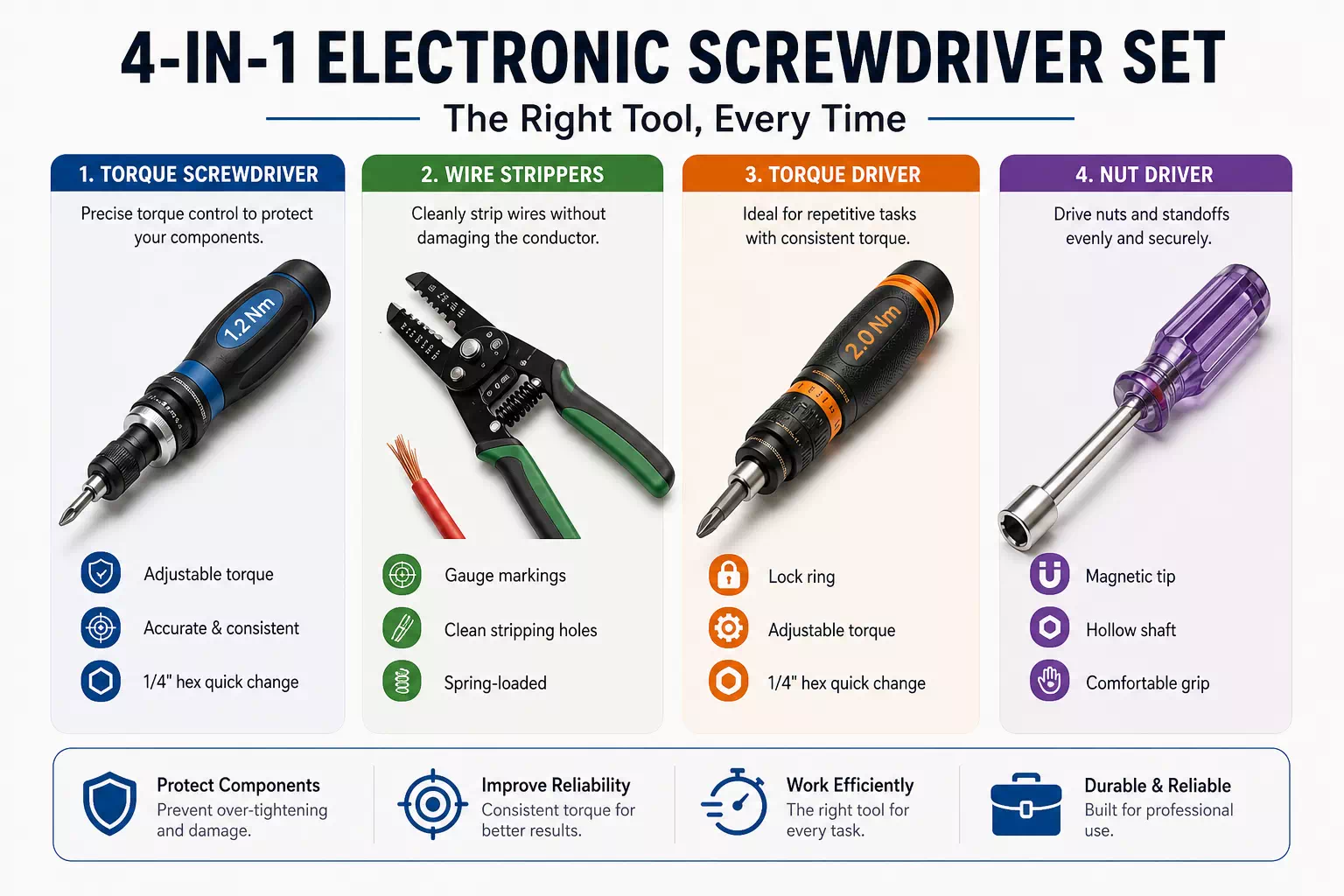
Torque Screwdrivers, Wire Strippers, Torque Drivers, and Nut Drivers: A Practical Electronic Tooling
-
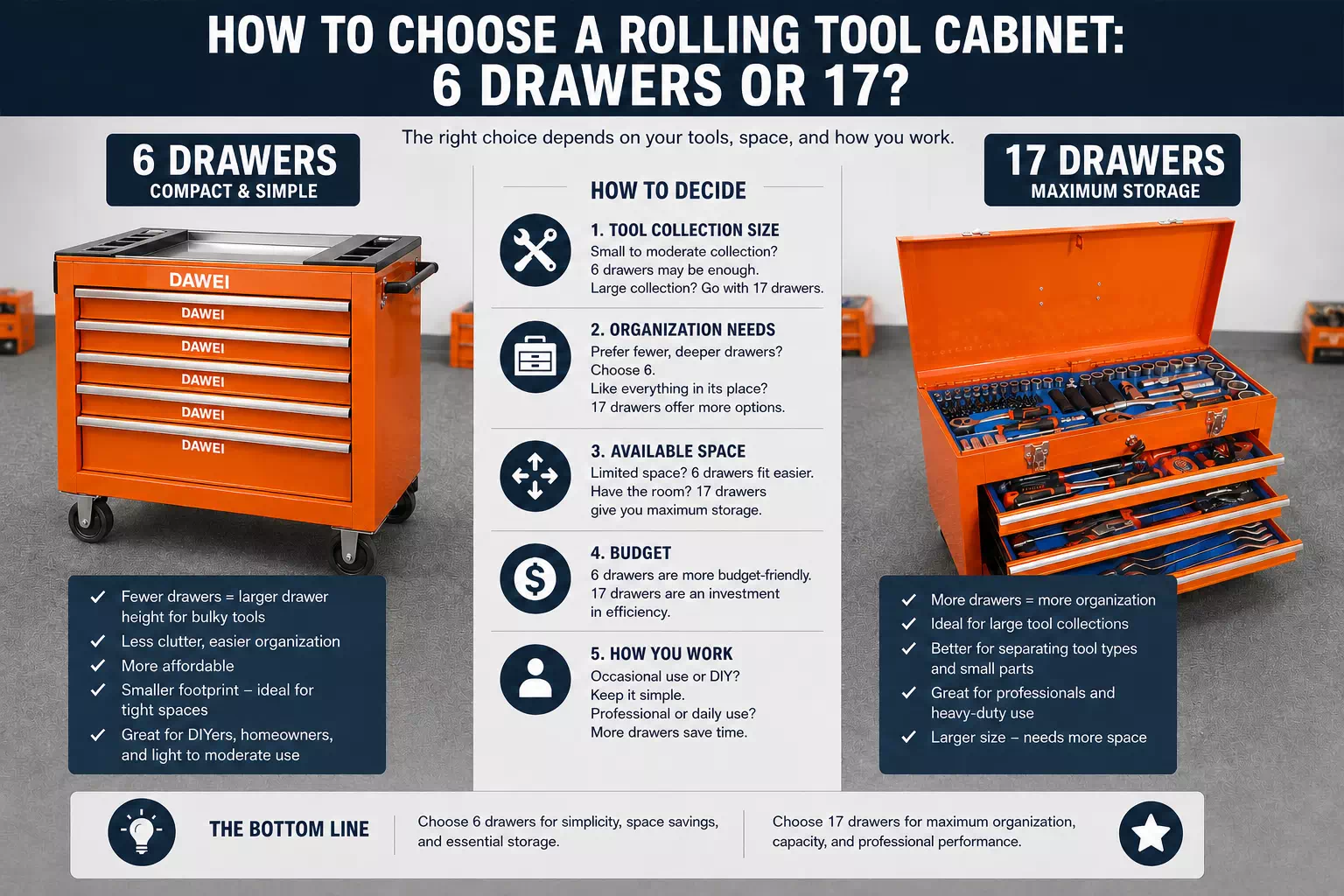
How to Choose a Rolling Tool Cabinet: 6 Drawers or 17?
-
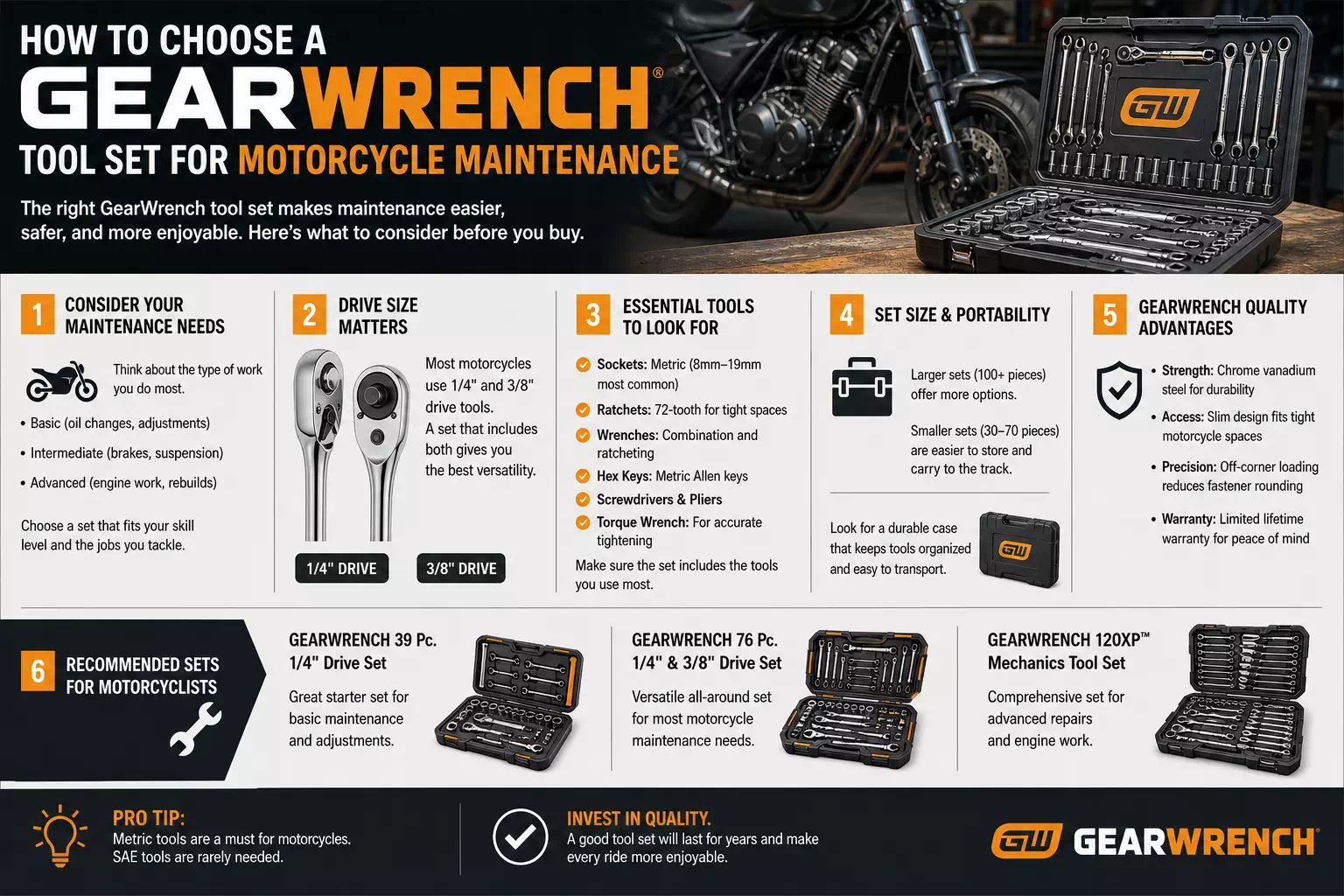
How to Choose a Gear Wrench Tool Set for Motorcycle Maintenance
-
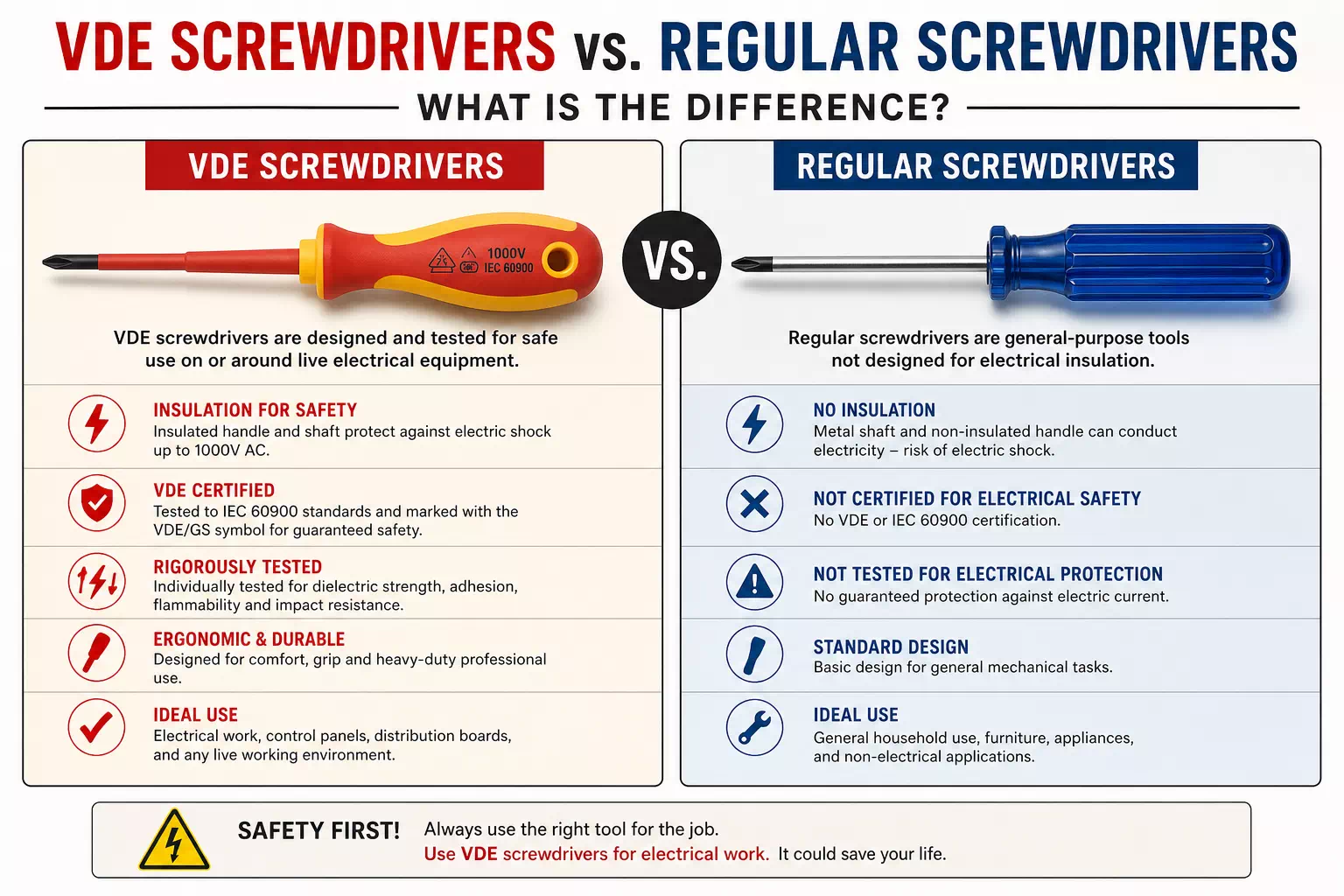
VDE Screwdrivers vs. Regular Screwdrivers: What Is the Difference?
-
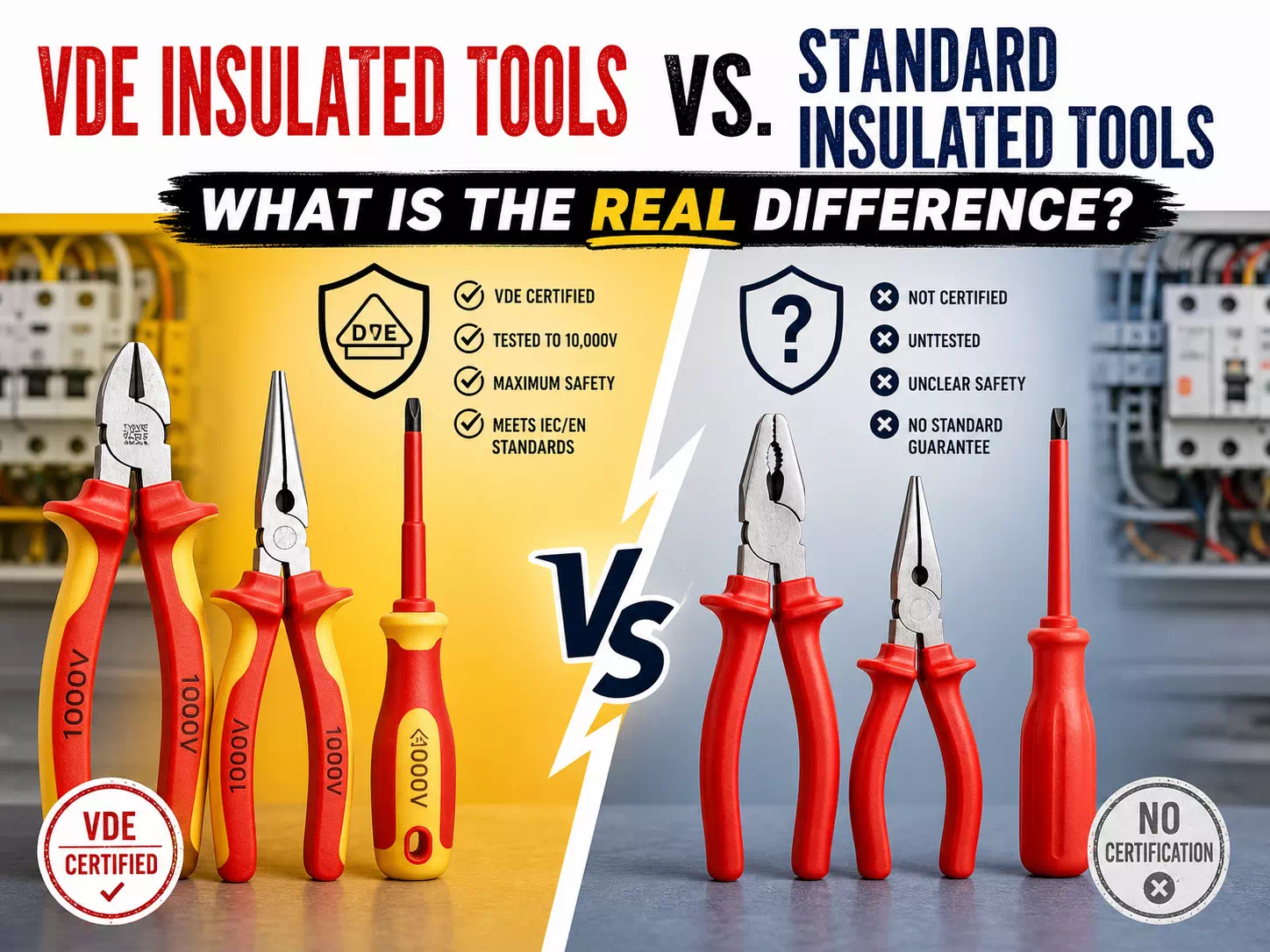
VDE Insulated Tools vs. Standard Insulated Tools: What Is the Real Difference?
-
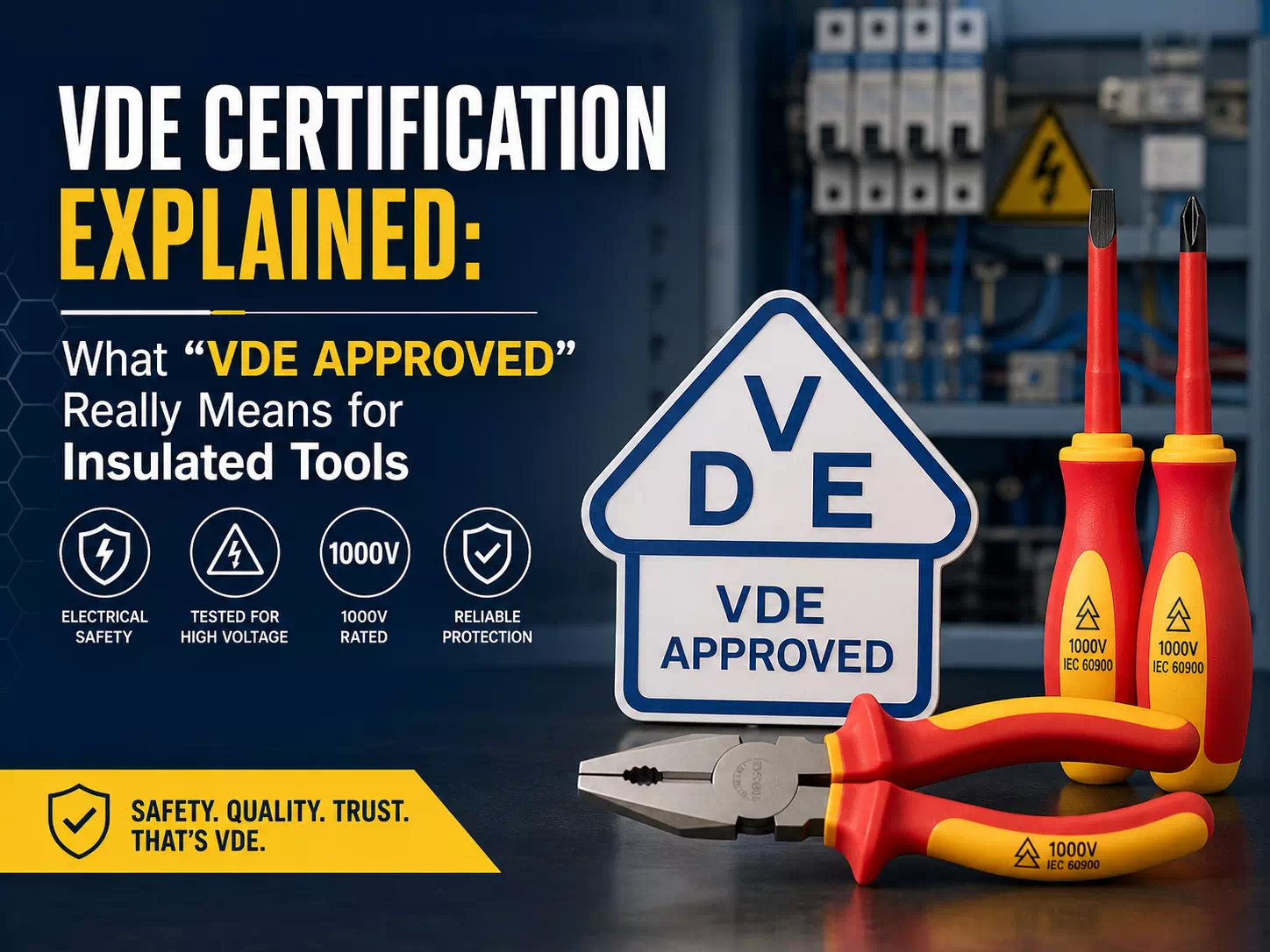
VDE Certification Explained: What “VDE Approved” Really Means for Insulated Tools