
- Dawei Metal 2026 Chinese New Year Special Offer: Gallop into Success with Upgraded Tools!
- Aluminum Alloy Combination Tool Set for Home, Automotive, and Repair Use
- Striking Tools: Types, Uses, and How to Choose the Right One
- Highest Quality Hand Tools: Inside the World's Most Trusted Tool Brands
- Why a Machete Saw Belongs in Your Outdoor Kit
Company:Shandong Dawei Metal Materials Co., Ltd.
Tel:+8615666285386
Email:dwhardwaretools@gmail.com
Address:Room 1413, Building 8, Shandong Steel Xintiandi Plaza, No. 61 Gongye South Road, High-tech Zone, Jinan City
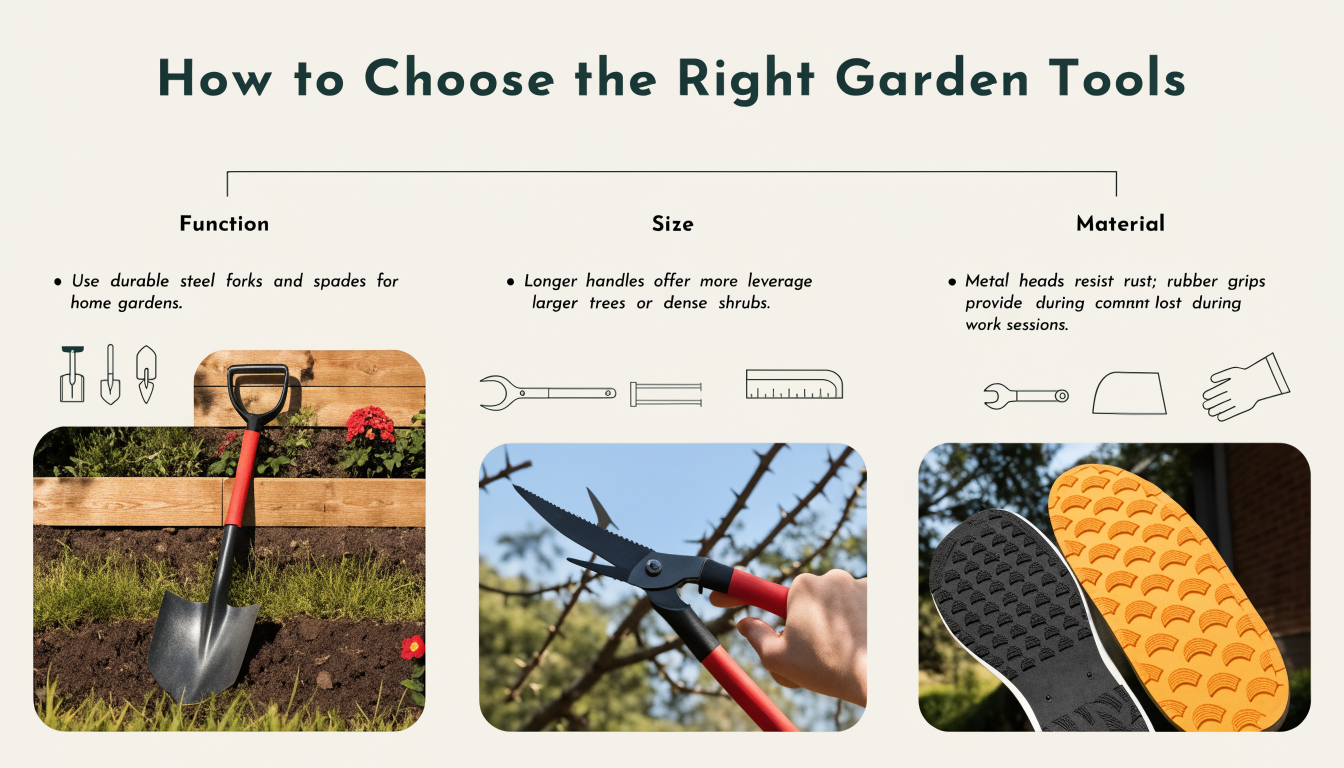
Garden Tools for Home, Orchard & Landscaping: How to Choose the Right Tools
Choosing garden tools is not simply about buying a set of shears, a saw, and a few digging tools. Different gardening jobs require different blade designs, handle structures, cutting capacities, and tool lengths.
A homeowner trimming roses has different requirements from an orchard worker cutting fruit tree branches. Landscaping contractors also need tools that can handle frequent use without creating unnecessary hand fatigue.
For garden tool distributors and wholesalers, understanding these differences is essential before placing a bulk order.
This guide covers the main types of garden tools, how to select the right pruning equipment, and what buyers should inspect before purchasing from a manufacturer.
1. What Are Garden Tools Used For?
Garden tools are designed for planting, pruning, cutting, soil preparation, and general outdoor maintenance. The right combination depends on the working environment and the type of plants being maintained.
Common applications include:
Home gardening and lawn maintenance
Fruit tree pruning and orchard management
Flower and shrub trimming
Nursery and greenhouse maintenance
Park and landscaping projects
Farm and agricultural maintenance
Not every application requires the same tool assortment.
A retail garden tool set may focus on compact, easy-to-use hand tools. An orchard maintenance range needs more specialized cutting equipment, including pruning shears, pruning saws, and high branch shears.
The first step is to identify what the end user cuts, how frequently the tool is used, and how much working reach is required.
2. Common Types of Garden Tools and Their Applications
Garden tools cover several product categories. For B2B buyers, it is useful to organize products by their actual function rather than relying only on general product names.
| Garden tool type | Main application | Key purchasing consideration |
|---|---|---|
| Pruning shears | Cutting flowers, stems, and small branches | Blade material, cutting performance, handle comfort |
| Ratchet pruning shears | Cutting tougher stems and small branches with reduced hand effort | Ratchet mechanism and smooth engagement |
| Rotating handle pruning shears | Repeated pruning and branch trimming | Handle rotation, grip comfort, blade alignment |
| Pruning saws | Cutting thicker branches and woody growth | Blade material, tooth geometry, cutting efficiency |
| High branch shears | Trimming elevated branches | Reach, pole construction, cutting mechanism |
| Hedge shears | Trimming hedges and shaping shrubs | Blade length, cutting edge, handle design |
| Shovels and spades | Digging and soil preparation | Blade thickness, handle strength, overall construction |
| Hand trowels and cultivators | Planting and loosening soil | Working head shape, material, grip design |
For a focused pruning assortment, Dawei Metal currently offers several products in its Garden Tools collection, including pruning shears, pruning saws, high branch shears, and other manual cutting tools.
3. How to Choose the Right Pruning Shears
Pruning shears are among the most frequently used hand tools in garden maintenance. However, different designs solve different problems.
Buying only by appearance or price can lead to poor product selection, especially for wholesalers supplying customers with different gardening requirements.
Standard Pruning Shears
Standard pruning shears are suitable for routine trimming of flowers, stems, and smaller branches.
When evaluating this type of garden pruner, check:
Blade material and thickness
Blade alignment when fully closed
Handle material and grip shape
Spring and locking mechanism
Overall opening and closing movement
Replacement blade or spare-part availability, where applicable
A blade that does not align properly can crush plant material instead of making a clean cut. This is a detail worth checking during sample inspection.
Ratchet Pruning Shears
Ratchet pruning shears use a staged cutting mechanism. Instead of completing the cut in one continuous movement, the mechanism allows the user to apply force through several stages.
This design can reduce the hand effort required for certain cutting tasks.
For importers, important inspection points include:
Ratchet engagement consistency
Release and reset operation
Blade alignment
Handle strength
Smooth operation throughout repeated cycles
Dawei offers Ratchet Pruning Shears for garden, orchard, nursery, and landscaping applications.
Rotating Handle Pruning Shears
A rotating handle design is intended to improve comfort during repeated cutting. It can help reduce friction between the user's hand and the handle during extended pruning work.
This feature is particularly relevant to garden maintenance teams and users who perform frequent trimming.
Buyers should check whether the rotating handle moves smoothly without unwanted looseness. The handle should also provide a secure grip during normal cutting.
See Dawei's Rotating Handle Pruning Shears for product details and OEM options.
4. Pruning Saw vs Pruning Shears: Which Should You Choose?
One common purchasing mistake is treating pruning saws and pruning shears as interchangeable cutting tools.
They are designed for different cutting conditions.
| Comparison | Pruning Shears | Pruning Saw |
|---|---|---|
| Main function | Cutting flowers, stems, and smaller branches | Cutting thicker woody branches |
| Cutting method | Blade closes against a cutting surface or opposing blade | Saw teeth remove material through repeated strokes |
| Working style | Usually operated with one hand | Usually operated manually with a saw grip |
| Suitable applications | Routine garden trimming and small branch maintenance | Tree pruning, orchard work, and larger branch cutting |
| Main quality checks | Blade sharpness, alignment, spring, locking mechanism | Tooth geometry, blade straightness, cutting edge, handle connection |
For wholesale customers, offering both tools makes sense because they meet different maintenance requirements.
What to Check on a Garden Pruning Saw
The blade is the most important component.
A practical inspection should cover:
Blade material and thickness.
Tooth shape and consistency.
Cutting edge condition.
Blade straightness.
Handle connection and grip stability.
Surface finish and corrosion protection.
For example, Dawei's BK-607003 pruning saw is listed with a 270 mm blade, SK5 steel, heat treatment, and CNC-ground tapered serrations.
The product specification also lists a dual-color rubber-coated handle, with packing information of 10/60 pieces and a carton size of 51 × 27 × 30 cm.
These are useful details for distributors calculating retail packaging and export carton requirements. Confirm the packing structure and exact specification on the quotation before ordering.
Product details: Dawei Pruning Saw.
5. Garden Tools for Orchards, Farms, and Landscaping
Different users purchase garden tools for different working conditions. A product assortment that works for home gardening may not be sufficient for commercial orchard maintenance.
Garden Tools for Home Gardening
Home users generally prefer tools that are easy to operate, store, and maintain.
A suitable product selection may include:
Standard pruning shears
Ratchet pruning shears
Small hand saws
Hedge shears
Compact planting tools
Handle comfort, storage convenience, and straightforward operation are important selling points in this market.
Garden Tools for Orchards
Orchard workers frequently perform repeated pruning and tree maintenance.
Their tool requirements may include:
Rotating handle pruning shears
Ratchet pruning shears
Pruning saws
High branch shears
Cutting performance, handle durability, blade maintenance, and replacement availability should receive particular attention.
Garden Tools for Landscaping Contractors
Landscaping teams maintain shrubs, hedges, trees, and public green spaces.
Their purchasing priorities often include:
Different blade lengths for different trimming jobs
Comfortable handles for repeated operation
Consistent product dimensions
Reliable cutting mechanisms
Practical transportation and storage
For larger landscape maintenance projects, a combination of manual pruning tools and suitable power tools may be more efficient than relying on one type of hand tool.
6. When Do You Need High Branch Shears?
Regular pruning shears cannot reach every branch.
High branch shears are designed for trimming elevated branches and hard-to-reach plant growth. Their extended structure helps users perform many routine pruning tasks from the ground, reducing the need to climb for certain jobs.
They are commonly used in:
Fruit orchards
Garden tree maintenance
Parks and green spaces
Landscaping projects
Nursery and farm maintenance
Before purchasing, check the following specifications:
| Inspection item | What to confirm |
|---|---|
| Overall length | Working reach and storage dimensions |
| Pole material | Material specification and structural strength |
| Blade material | Steel grade and cutting-edge condition |
| Cutting mechanism | Smooth movement and reliable operation |
| Handle design | Grip comfort and operational control |
| Replacement parts | Availability of blades and mechanism components |
For safe use, operators should maintain stable footing, follow the product instructions, and keep clear of overhead electrical lines. Extended reach does not eliminate the need for proper safety precautions.
Dawei's High Branch Shears are designed for orchard, garden, and landscaping maintenance.
7. How to Inspect Garden Tools Before Bulk Purchasing
For importers and wholesale distributors, a product sample should be more than a visual reference.
It should become the quality benchmark for mass production.
We recommend checking several areas before confirming a large order.
Blade Inspection
Check for:
Uneven grinding
Visible chips or deformation
Burrs along the cutting edge
Blade misalignment
Inconsistent surface treatment
For saw products, inspect tooth spacing and grinding consistency. For pruning shears, test whether the blade closes correctly against the opposing cutting surface.
Handle and Mechanism Inspection
A comfortable handle does not automatically mean a reliable product.
Check whether:
The handle is firmly attached.
The grip material is evenly applied.
The locking device works correctly.
The spring returns consistently.
Rotating handles move smoothly.
Ratchet mechanisms engage and reset properly.
For high branch shears, pay additional attention to the connection between the pole, cutting head, and operating mechanism.
Pre-Shipment Inspection Checklist
A pre-shipment inspection (PSI) should compare the finished batch against the approved sample and purchase specification.
| Inspection category | What to verify |
|---|---|
| Product quantity | Correct quantity and model |
| Product dimensions | Length, blade size, and handle dimensions |
| Material | Matches the agreed specification |
| Cutting performance | Meets the agreed functional test |
| Surface quality | No unacceptable rust, scratches, or coating defects |
| Mechanism | Correct operation and locking function |
| Branding | Logo, product markings, and labels |
| Packaging | Correct retail packaging and accessories |
| Export cartons | Quantity, dimensions, weight, and carton markings |
For a wholesale order, define the sampling level, defect classifications, and acceptance criteria before production. Do not wait until shipment is ready to decide what constitutes an acceptable product.
8. Garden Tool Packaging: What Importers Should Consider
Garden tools may be shipped in retail blister cards, color boxes, sleeves, or bulk export cartons.
The packaging method should match the product type and sales channel.
For example:
Small pruning shears may be suitable for blister-card retail packaging.
Pruning saws may require blade protection to prevent damage and handling injuries.
High branch shears may need longer cartons because of their extended structure.
Private-label garden tool sets may require customized inner trays or packaging layouts.
For sea freight, buyers should also discuss moisture and corrosion protection.
Depending on the blade material, surface treatment, and shipping environment, suitable measures may include protective oil, compatible anti-rust packaging, sealed inner bags, and dry export cartons.
Confirm carton dimensions, gross weight, net weight, packing quantities, and container-loading arrangements before approving the final packing specification.
A low product price can become less attractive when oversized packaging increases freight costs.
9. OEM Garden Tools: What Should Wholesale Buyers Ask?
For distributors planning their own garden tool brand, OEM customization can cover more than adding a company logo.
Depending on the selected model and production arrangements, buyers may request:
Customized logo and product markings
Handle color and design options
Retail packaging and product labels
Different tool assortments
Customized export carton markings
Before requesting a quotation, prepare a clear specification.
| Information required | Example |
|---|---|
| Product type | Ratchet pruning shears |
| Model or reference | Selected supplier model |
| Target market | Europe, North America, or other markets |
| Order quantity | Estimated quantity per model |
| Logo | Printed, engraved, or other agreed method |
| Packaging | Blister card, color box, or customized package |
| Inspection | Agreed functional and appearance checks |
| Shipping | Destination port and delivery requirements |
MOQ, sample costs, lead time, and customization availability should be confirmed separately for each product.
For example, Dawei's currently published high branch shears product page lists an MOQ of 100 pieces, a stated monthly supply capacity of 10,000 pieces, and a listed delivery time of 15–30 days. These figures apply to that listed product configuration and should be reconfirmed when requesting a quotation.
You can learn more about Dawei's OEM/ODM manufacturing services or discuss a customized product assortment with the export team.
10. Why Choose the Right Garden Tools Manufacturer?
For a garden tool distributor, supplier selection affects product consistency, packaging arrangements, and the ability to maintain stock across different product models.
Before working with a manufacturer, consider:
Product range: Can the supplier provide multiple pruning tools and related garden hand tools?
Specification transparency: Are material descriptions, dimensions, product models, and packing details available?
Sample confirmation: Can you inspect a sample before mass production?
Customization: Can the supplier support logo, color, and packaging requirements?
Quality inspection: Can the supplier follow agreed inspection procedures?
Export experience: Can the supplier provide suitable export packaging and documentation?
Dawei Metal supplies a range of gardening and hardware tools for international distributors, wholesalers, agricultural suppliers, and retailers.
Explore the Dawei Metal Garden Tools range to review available products.
Frequently Asked Questions
1. What are the most commonly used garden tools?
Common garden tools include pruning shears, pruning saws, hedge shears, high branch shears, shovels, spades, and hand trowels. The required combination depends on whether the tools are intended for home gardening, orchard maintenance, landscaping, or agricultural work.
2. What garden tools are suitable for fruit tree pruning?
Pruning shears are suitable for smaller branches and stems, while pruning saws are used for thicker woody branches. High branch shears help reach elevated branches during routine orchard maintenance.
3. What is the difference between ratchet pruning shears and standard pruning shears?
Ratchet pruning shears use a staged cutting mechanism that can reduce the hand effort required for certain cuts. Standard pruning shears generally complete the cut through one continuous closing movement.
4. What material is commonly used for garden pruning saw blades?
Garden pruning saw blades can be manufactured from different steel grades. Buyers should check the exact material specification, heat treatment, tooth geometry, and cutting-edge quality rather than relying on the steel name alone.
5. What should importers check when buying garden tools in bulk?
Check product specifications, blade quality, mechanism operation, handle construction, packaging, logo requirements, and export-carton information. A pre-shipment inspection should compare the production batch against an approved sample.
6. Can garden tools be customized with a private label?
OEM options may include logo marking, packaging, handle colors, and selected product specifications. Availability and MOQ depend on the product model and customization requirements.
7. How do I choose between a pruning saw and pruning shears?
Consider branch thickness and cutting requirements. Pruning shears are commonly used for smaller stems and branches, while pruning saws are more suitable for thicker woody growth.
Final Thoughts
The right garden tools depend on the type of maintenance work, the materials being cut, and the expected frequency of use.
For home gardening, comfortable and easy-to-use pruning tools are often the first priority. For orchards and landscaping contractors, cutting efficiency, blade construction, handle design, and product consistency deserve closer attention.
For wholesalers and importers, the purchasing process should start with a clear product specification, followed by sample confirmation and pre-shipment inspection.
Looking for a garden tools manufacturer for wholesale or OEM orders?
Contact Dawei Metal with your required product models, estimated quantity, destination market, and packaging requirements to discuss suitable garden tool options.
- Pro:Screwdriver Sets: The Steel, the Tip Geometry, and the Sourcing Mistakes That Fill Your Returns Bin
- Next:None
-
Garden Tools for Home, Orchard & Landscaping: How to Choose the Right Tools
-
Screwdriver Sets: The Steel, the Tip Geometry, and the Sourcing Mistakes That Fill Your Returns Bin
-
Rolling Tool Chest with Tools: How to Choose the Right Setup for Your Workshop
-
Insulated Pliers vs. Regular Pliers: What Is the Difference?
-
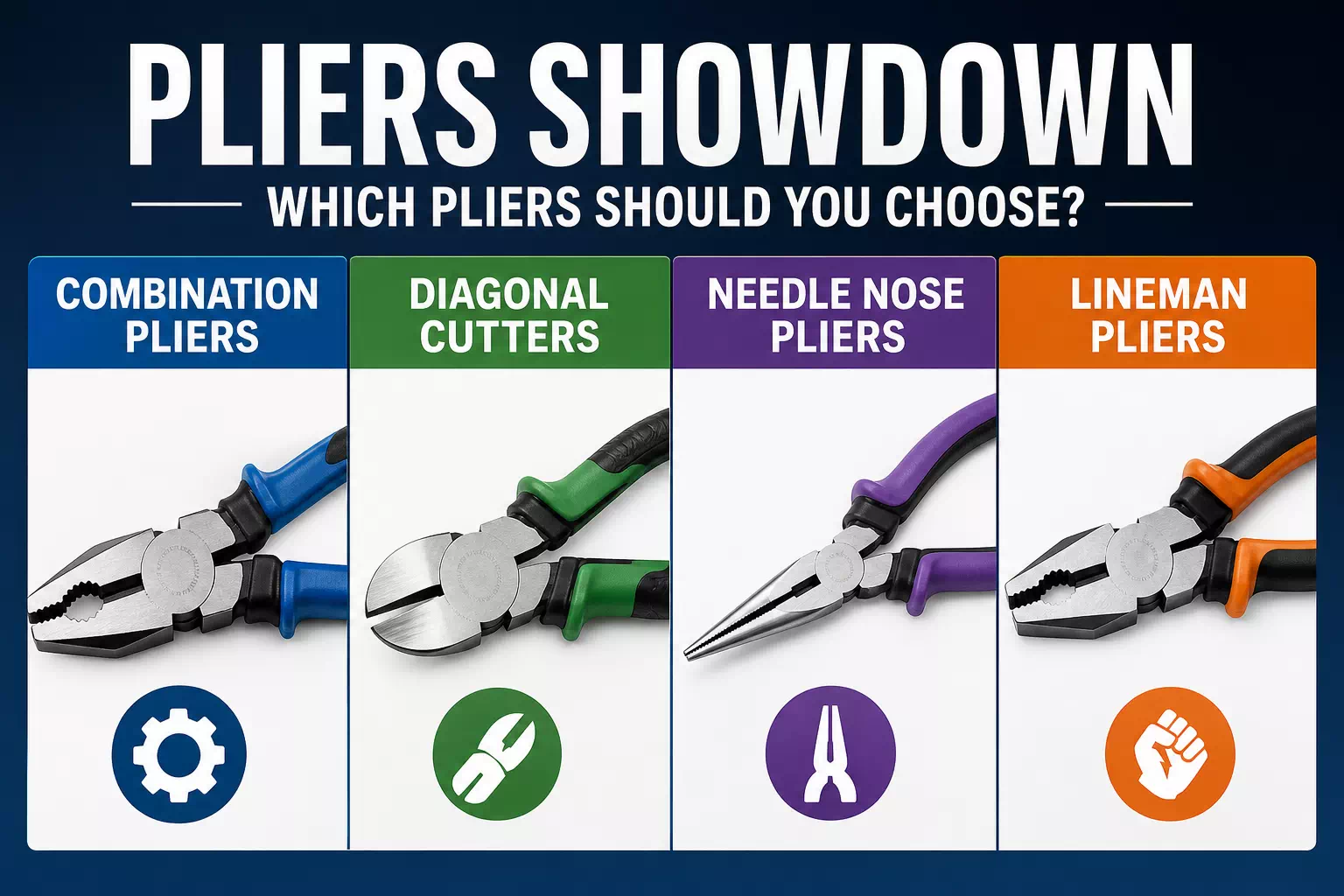
Combination Pliers vs. Diagonal Cutters, Needle Nose Pliers, and Lineman Pliers
-
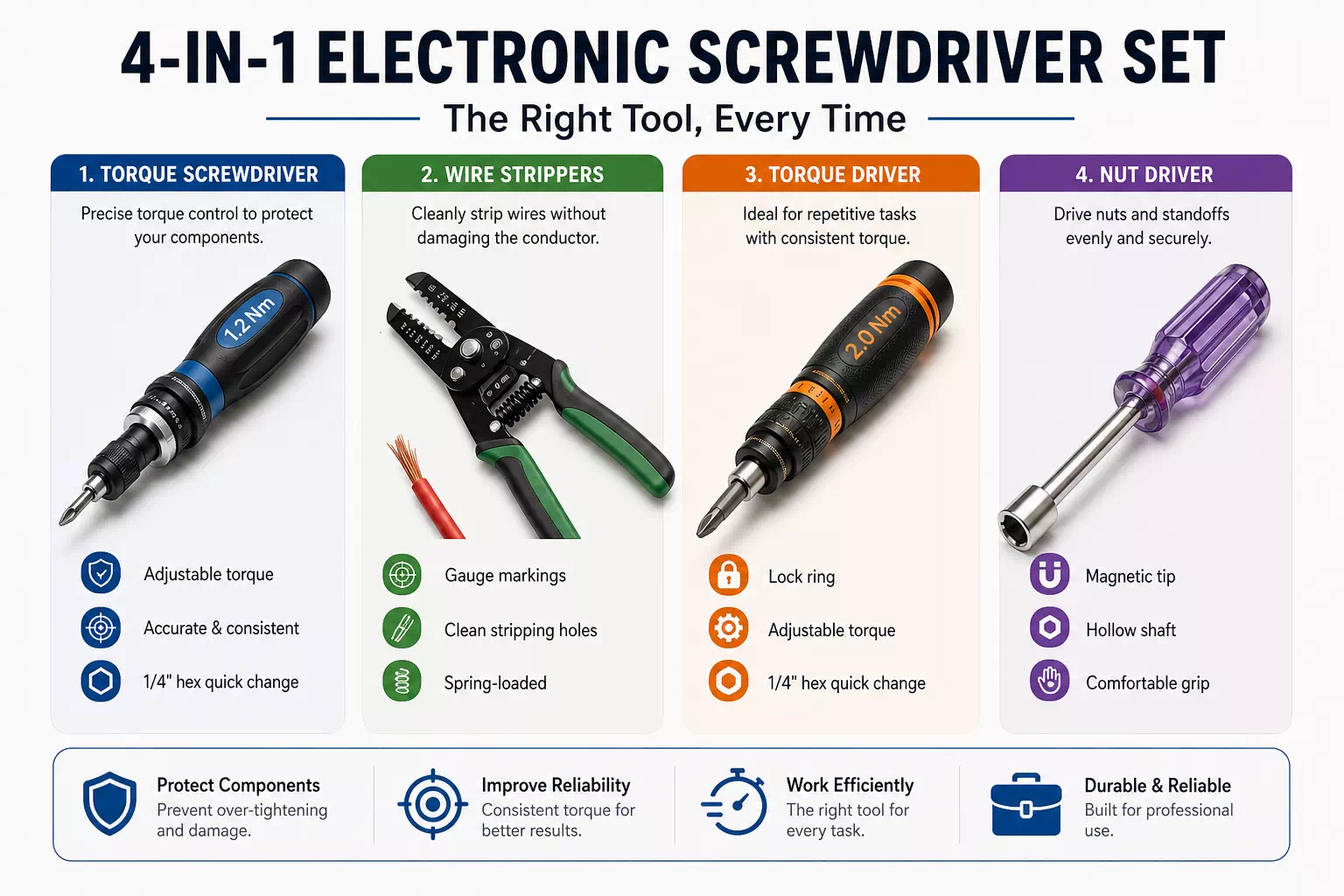
Torque Screwdrivers, Wire Strippers, Torque Drivers, and Nut Drivers: A Practical Electronic Tooling