
- Dawei Metal 2026 Chinese New Year Special Offer: Gallop into Success with Upgraded Tools!
- Aluminum Alloy Combination Tool Set for Home, Automotive, and Repair Use
- Striking Tools: Types, Uses, and How to Choose the Right One
- Highest Quality Hand Tools: Inside the World's Most Trusted Tool Brands
- Why a Machete Saw Belongs in Your Outdoor Kit
Company:Shandong Dawei Metal Materials Co., Ltd.
Tel:+8615666285386
Email:dwhardwaretools@gmail.com
Address:Room 1413, Building 8, Shandong Steel Xintiandi Plaza, No. 61 Gongye South Road, High-tech Zone, Jinan City
How to Choose Insulated Tools for Electrical Work: Complete Guide for Electricians and Buyers
Choosing the right insulated tools is essential for electricians, electrical contractors, maintenance teams, and professional buyers. Electrical work often involves live or potentially energized circuits, so ordinary hand tools are not always suitable. High-quality insulated electrical tools can help reduce the risk of electric shock, improve working safety, and support more efficient electrical installation and maintenance.
For importers, wholesalers, hardware distributors, and tool brands, selecting the right insulated hand tools or complete insulated tool kit is also important for product quality, customer satisfaction, and market competitiveness.
This guide explains what insulated tools are, why they are important, which tools are commonly used, and how to choose reliable insulated tools for electrical work.
What Are Insulated Tools?
Insulated tools are hand tools designed with protective insulation on the handle or working area to help protect users when working near electrical systems. They are commonly used by electricians for installation, repair, maintenance, wiring, power distribution, and industrial electrical work.
Common electrical insulated tools include:
Insulated screwdrivers
Insulated combination pliers
Insulated long nose pliers
Insulated diagonal cutting pliers
Insulated cable cutters
Insulated wire strippers
Insulated wrenches
Insulated socket tools
Complete insulated tool kit sets
The main purpose of insulated tools is to provide an additional protective barrier between the user and electrical current. However, insulated tools must always be used correctly and should not replace proper electrical safety procedures.
Why Are Insulated Tools Important for Electrical Work?
Electrical work has real safety risks. A wrong tool, damaged handle, wet working condition, or accidental contact with live parts may cause serious injury. This is why electricians and maintenance workers often choose professional insulated tools for electrical work instead of regular tools.
Main reasons to use insulated tools include:
Improved Electrical Safety
Insulated handles help reduce the risk of electric shock when tools are used correctly.Professional Working Standard
Electricians, contractors, and industrial maintenance teams usually require dedicated insulated electrical tools for electrical tasks.Better User Confidence
A proper insulated tool kit helps workers perform wiring, cabinet assembly, and repair work with more confidence.Suitable for Electrical Environments
Electrical panels, control cabinets, switchboards, and distribution systems often require tools with insulated protection.Reduced Tool Misuse
A clearly organized insulated tool kit helps users select the correct tool for electrical work instead of using ordinary hand tools.
Insulated Tools vs Regular Tools: What Is the Difference?
Many buyers ask whether insulated tools are really different from normal hand tools. The answer is yes.
| Item | Insulated Tools | Regular Tools |
|---|---|---|
| Main Use | Electrical work | General repair work |
| Handle Design | Insulated protective handle | Standard plastic, rubber, or metal handle |
| Safety Purpose | Helps reduce electric shock risk | Not designed for electrical protection |
| Typical Users | Electricians, maintenance workers, contractors | DIY users, mechanics, general users |
| Common Products | Insulated pliers, screwdrivers, cutters, wrenches | Standard pliers, screwdrivers, wrenches |
| Buying Focus | Insulation rating, safety standard, handle quality | Price, size, material, function |
Regular tools may look similar, but they are not designed as electrical insulated tools. For electrical installation and maintenance, professional insulated hand tools are the safer and more appropriate choice.
Common Types of Insulated Hand Tools
When choosing insulated hand tools, buyers should understand the function of each tool. A complete product range usually includes the following tools.
1. Insulated Screwdrivers
Insulated screwdrivers are used for electrical terminal blocks, switches, sockets, circuit breakers, control cabinets, and wiring work. They are among the most common insulated tools used by electricians.
Common types include:
Slotted insulated screwdriver
Phillips insulated screwdriver
Pozidriv insulated screwdriver
Torx insulated screwdriver
Insulated screwdriver set
2. Insulated Pliers
Insulated pliers are used for gripping, bending, cutting, and handling wires or small components.
Common options include:
Insulated combination pliers
Insulated long nose pliers
Insulated diagonal cutting pliers
Insulated side cutting pliers
These tools are important parts of most insulated tool kit combinations.
3. Insulated Cable Cutters
Insulated cable cutters are used for cutting copper or aluminum cables in electrical installation and maintenance. Buyers should choose the correct cutting capacity according to cable size.
4. Insulated Wire Strippers
Insulated wire strippers help remove insulation from wires without damaging the conductor. They are useful for electricians, panel builders, and equipment maintenance workers.
5. Insulated Wrenches and Sockets
Insulated wrenches and socket tools are used for fastening or loosening nuts and bolts in electrical cabinets, power equipment, and industrial electrical systems.
Common types include:
Insulated open-end wrenches
Insulated ring wrenches
Insulated adjustable wrenches
Insulated socket sets
Insulated torque tools
What Should Be Included in an Insulated Tool Kit?
A good insulated tool kit should match the user’s actual working needs. Different markets and users may require different tool combinations.
Basic Insulated Tool Kit
Suitable for household electrical repair, light maintenance, and general electrician work.
Recommended tools:
Insulated screwdriver set
Insulated combination pliers
Insulated long nose pliers
Insulated diagonal cutting pliers
Voltage tester
Tool pouch or case
Professional Electrician Insulated Tool Kit
Suitable for electricians, contractors, and regular field service work.
Recommended tools:
Insulated screwdriver set
Insulated pliers set
Insulated cable cutter
Insulated wire stripper
Insulated adjustable wrench
Insulated knife
Tool case or tool bag
Industrial Electrical Maintenance Kit
Suitable for factories, power systems, equipment maintenance, and control cabinet work.
Recommended tools:
Full insulated screwdriver set
Multiple insulated pliers
Insulated wrenches
Insulated socket tools
Insulated cable cutters
Insulated torque tools
Heavy-duty tool case
For wholesale buyers, a customizable insulated tool kit is often the best option because different customers may need different tool combinations, packaging styles, and price levels.
How to Choose Insulated Tools for Electrical Work
Choosing insulated tools for electrical work is not only about price. Buyers should evaluate safety, material, certification, design, packaging, and supplier capability.
1. Check the Voltage Rating
Many insulated electrical tools are designed for use up to 1000V AC, depending on the model and applicable standard. Buyers should check the voltage rating before purchasing.
Look for clear markings on the tool, such as:
1000V
IEC 60900
VDE or GS marking, if applicable
Manufacturer information
Model number or batch number
Important note: Always confirm the actual certification and test reports with the supplier if your market requires specific standards.
2. Choose Reliable Material
The metal part of insulated hand tools should be strong, durable, and suitable for professional use.
Common materials include:
Chrome vanadium steel
High carbon steel
Alloy steel
Heat-treated steel
Good material helps improve torque strength, cutting ability, wear resistance, and service life.
3. Inspect the Insulated Handle
The handle is one of the most important parts of insulated tools. A good insulated handle should be comfortable, anti-slip, and securely bonded to the tool body.
A quality handle should provide:
Comfortable grip
Anti-slip surface
Strong insulation layer
Clear voltage marking
Durable structure
Resistance to cracking or peeling
Poor-quality handles may crack, loosen, or wear quickly, which can create safety risks and customer complaints.
4. Confirm Tool Function and Size
Different electrical jobs require different tool sizes. For example, panel work may require precision insulated screwdrivers, while power equipment maintenance may require insulated wrenches or cable cutters.
Before buying, confirm:
Screwdriver tip type and size
Pliers length and cutting capacity
Cable cutter capacity
Wrench size range
Socket drive size
Tool case dimensions
Quantity of tools in the insulated tool kit
5. Consider Application Scenarios
The best tool choice depends on where the tools will be used.
Common application areas include:
Electrical installation
Control cabinet assembly
Distribution panel maintenance
Building wiring
Industrial equipment repair
Power system maintenance
Solar energy installation
Electrical contractor service
Factory maintenance departments
For professional users, a complete insulated tool kit is usually more practical than buying single tools separately.
Common Pain Points When Buying Insulated Electrical Tools
Many buyers face the same problems when sourcing insulated electrical tools. Understanding these pain points can help you make a better purchase decision.
Pain Point 1: Tools Look Similar but Quality Is Different
Some insulated tools look professional in pictures, but the actual handle insulation, steel quality, and finish may be poor. Buyers should request product samples, detailed specifications, and certification documents before bulk orders.
Pain Point 2: Tool Kit Combination Does Not Match Market Needs
A tool kit may include too many unnecessary tools or miss important items. For importers and distributors, customized combinations are often better than fixed sets.
Pain Point 3: Packaging Is Not Suitable for Retail Sales
Good packaging improves product value. Tool buyers may need:
Color box
Blister card
Plastic case
Tool bag
Blow-mold case
Customized retail package
Barcode and label service
Pain Point 4: Unclear Certification Requirements
Different markets may have different requirements for electrical safety tools. Always confirm whether your target market requires IEC 60900, VDE, GS, CE, or other documents.
Pain Point 5: Poor After-Sales Support
For wholesale buyers, supplier support is important. A reliable supplier should provide stable quality, clear communication, export packaging, and long-term cooperation.
OEM and Wholesale Buying Tips
If you are an importer, wholesaler, hardware distributor, or tool brand, you may need OEM or private label insulated tools.
Common customization options include:
Logo printing on tools
Handle color customization
Tool set combination adjustment
Customized insulated tool kit case
Retail packaging design
Barcode and label service
Instruction manual customization
Bulk export carton design
Before placing an order, it is recommended to confirm:
Product specification
Insulation rating
Material and heat treatment
Certification documents
Sample quality
MOQ
Packaging method
Delivery time
Payment terms
After-sales support
This helps reduce purchasing risk and ensures the products match your market requirements.
Safety Tips for Using Insulated Tools
Even high-quality insulated hand tools must be used correctly. Electrical safety depends on both tool quality and user behavior.
Important safety tips:
Inspect tools before every use
Do not use tools with cracked or damaged insulation
Keep tools clean and dry
Do not modify insulated tools
Do not use tools beyond their rated voltage
Store insulated tools separately from sharp or heavy tools
Follow local electrical safety rules
De-energize circuits whenever possible
Use personal protective equipment when required
Insulated tools help reduce risk, but they do not make electrical work completely risk-free.
How to Store and Maintain Insulated Tools
Proper storage can extend the life of electrical insulated tools and keep them in safe working condition.
Recommended maintenance methods:
Wipe tools after use
Keep tools away from moisture and chemicals
Store tools in a dry tool case
Avoid direct sunlight for long-term storage
Do not throw tools into a metal box without protection
Check insulation regularly
Replace damaged tools immediately
A well-organized insulated tool kit also helps electricians find the correct tool quickly and avoid damage during transport.
Buyer Checklist: How to Select the Right Insulated Tool Kit
Use this checklist before purchasing:
Does the tool have a clear insulation rating?
Is the tool suitable for electrical work?
Is the handle comfortable and anti-slip?
Is the steel material strong enough?
Are the tool sizes correct for your market?
Does the kit include the most commonly used tools?
Is the packaging suitable for wholesale or retail?
Can the supplier provide OEM service?
Are certification documents available if needed?
Has the sample quality been checked before bulk order?
This checklist is useful for electricians, maintenance teams, procurement managers, and hardware tool buyers.
FAQ About Insulated Tools
1. What are insulated tools used for?
Insulated tools are used for electrical installation, repair, wiring, maintenance, and work near live or potentially energized electrical systems. They are designed to provide an additional protective barrier for the user.
2. Are insulated electrical tools necessary for electricians?
Yes. Professional electricians often need insulated electrical tools because ordinary tools are not designed for electrical protection. Insulated tools help improve safety when used correctly.
3. What is included in an insulated tool kit?
An insulated tool kit may include insulated screwdrivers, insulated pliers, insulated cable cutters, insulated wire strippers, insulated wrenches, insulated sockets, and a carrying case or tool bag.
4. What is the difference between insulated tools and regular tools?
Insulated tools have protective insulated handles and are designed for electrical applications. Regular tools are mainly used for general repair and are not intended for electrical safety protection.
5. Can insulated hand tools prevent electric shock?
Insulated hand tools can help reduce the risk of electric shock when used correctly and within their rated voltage. However, users must still follow electrical safety procedures.
6. How do I choose insulated tools for electrical work?
Check the voltage rating, insulation standard, handle quality, steel material, tool size, application, packaging, and supplier reliability. For professional use, choose tools designed specifically for electrical work.
7. Can insulated tools be customized with a logo?
Yes. Many suppliers offer OEM services for insulated tools, including logo printing, handle color customization, packaging design, and customized insulated tool kit combinations.
8. Who should buy insulated electrical tools wholesale?
Importers, wholesalers, hardware distributors, electrical tool brands, contractors, and industrial maintenance suppliers can buy insulated electrical tools wholesale.
Conclusion
Choosing the right insulated tools is important for electrical safety, working efficiency, and long-term tool performance. Whether you are an electrician looking for reliable insulated hand tools or a wholesale buyer sourcing a complete insulated tool kit, you should focus on voltage rating, material quality, handle design, certification requirements, and supplier reliability.
Professional insulated electrical tools are widely used in electrical installation, control cabinets, power maintenance, industrial repair, and building wiring. By selecting the right insulated tools for electrical work, users can work more safely and buyers can offer more valuable products to their market.
If you are looking for OEM or wholesale electrical insulated tools, contact us for product options, tool kit combinations, packaging solutions, and quotation details.
-
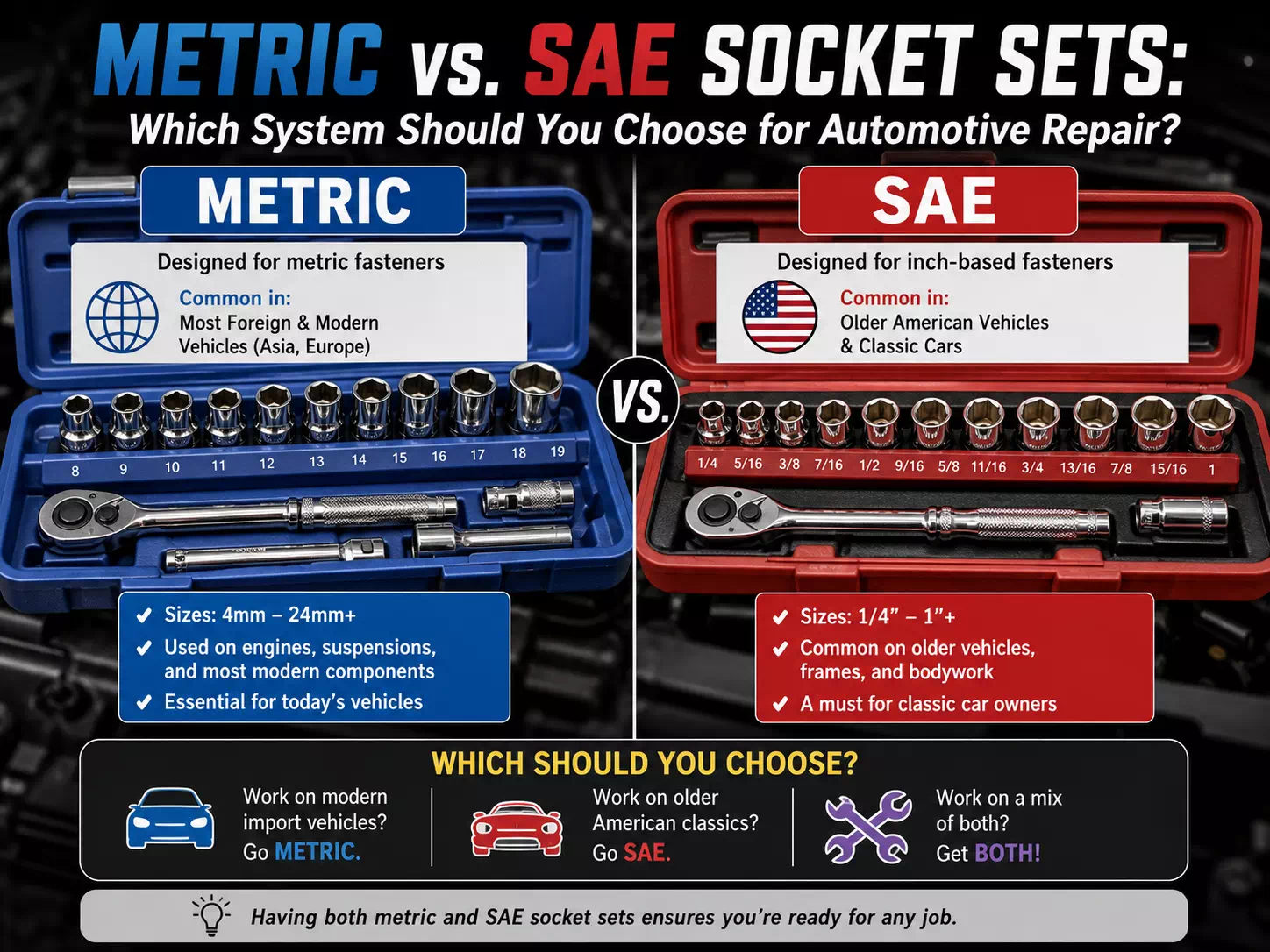
Metric vs. SAE Socket Sets: Which System Should You Choose for Automotive Repair?
-
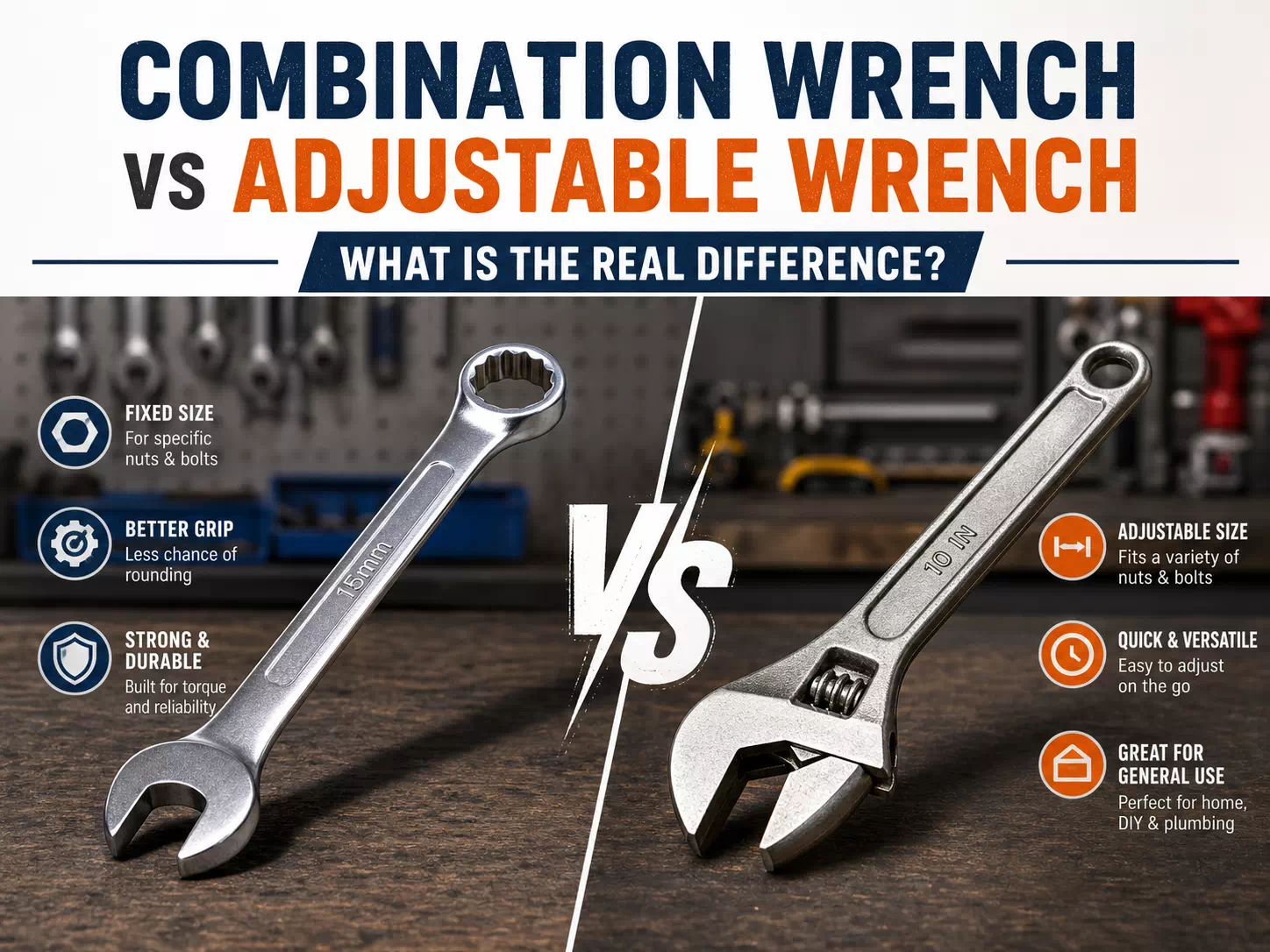
Combination Wrench vs Adjustable Wrench: What Is the Real Difference?
-
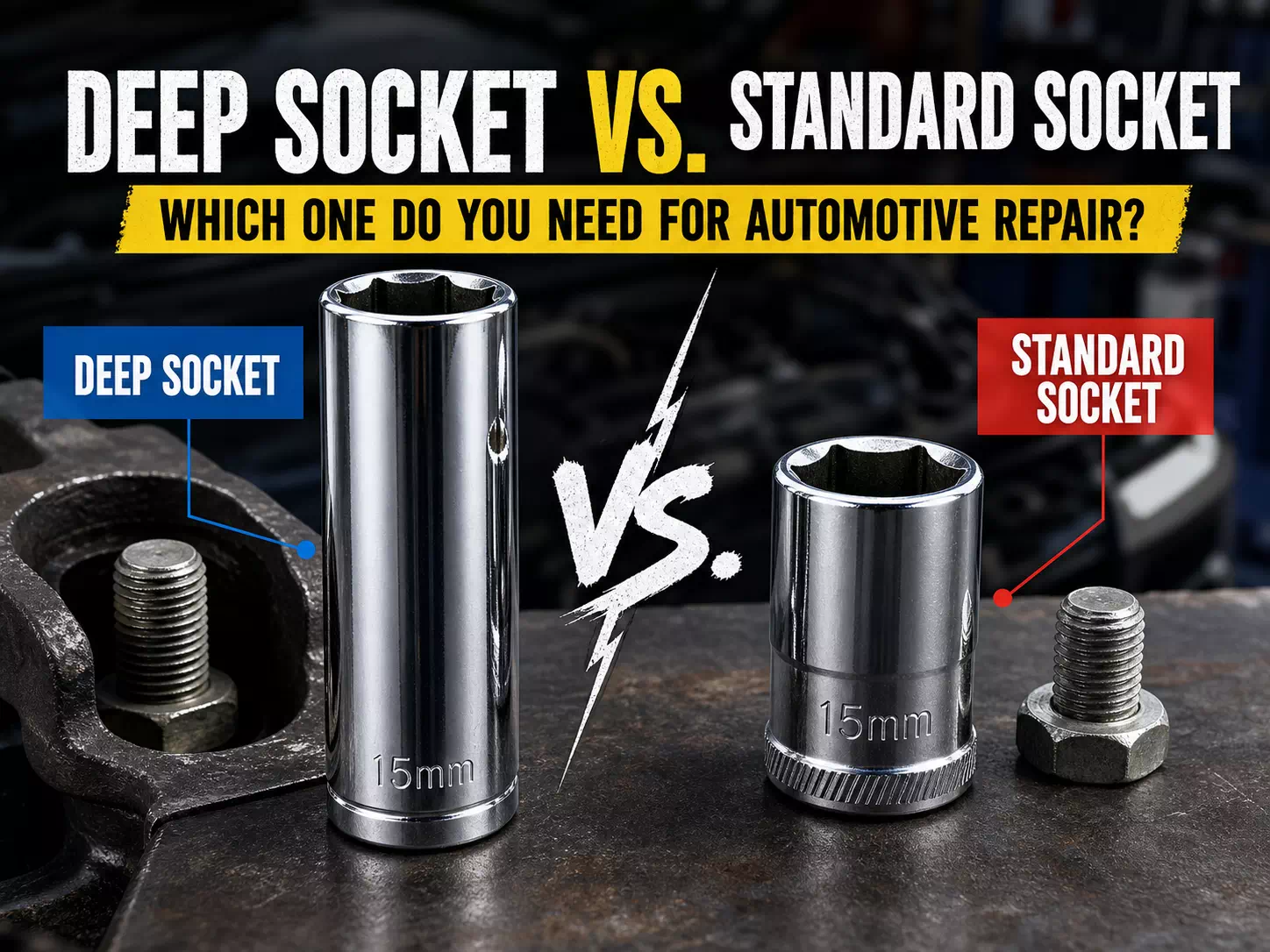
Deep Socket vs. Standard Socket: Which One Do You Need for Automotive Repair?
-

Socket Set vs. Wrench Set: Which Is Better for Automotive Repair?
-
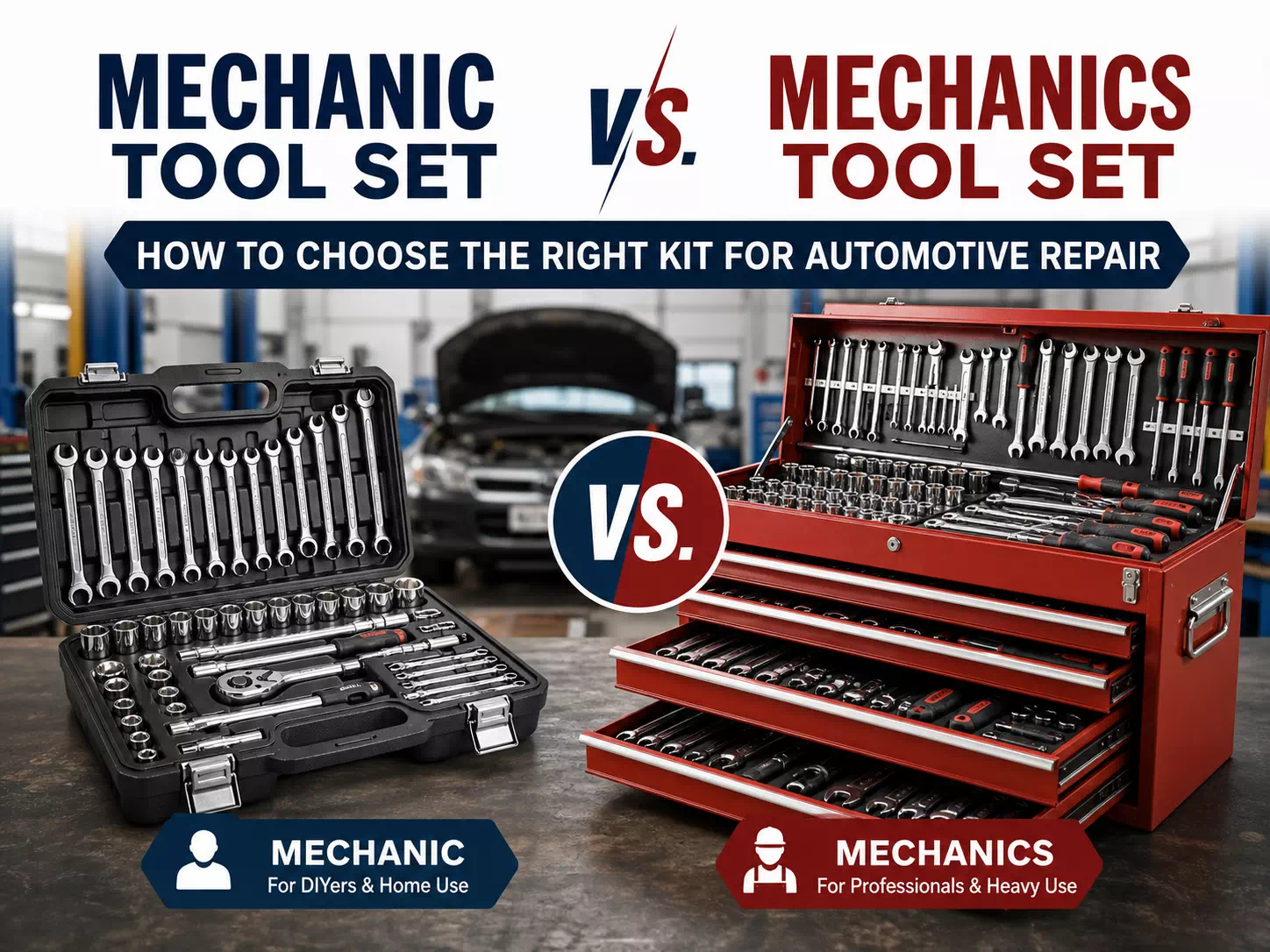
Mechanic Tool Set vs. Mechanics Tool Set: How to Choose the Right Kit for Automotive Repair
-
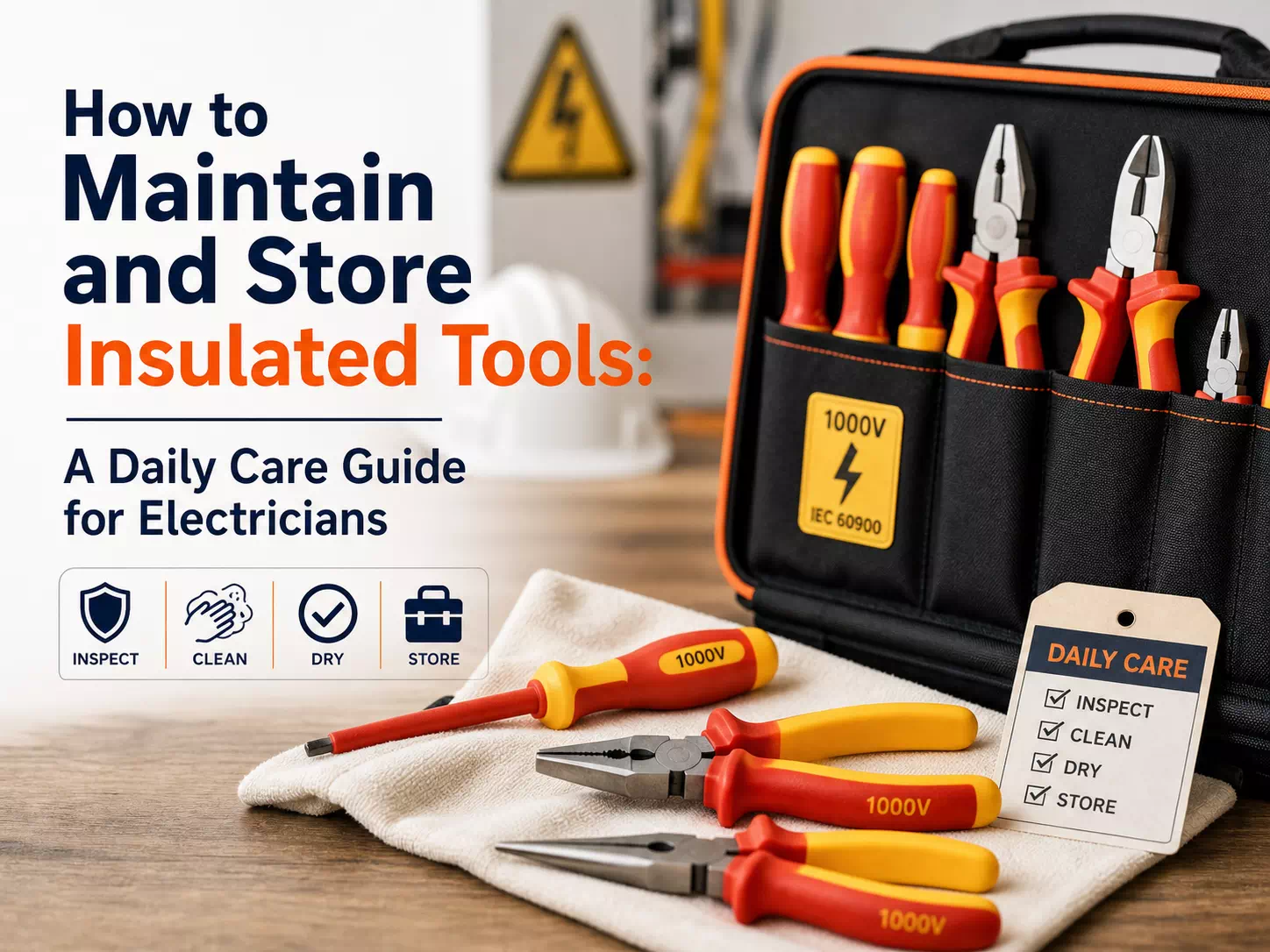
How to Maintain and Store Insulated Tools: A Daily Care Guide for Electricians