
- Dawei Metal 2026 Chinese New Year Special Offer: Gallop into Success with Upgraded Tools!
- Aluminum Alloy Combination Tool Set for Home, Automotive, and Repair Use
- Striking Tools: Types, Uses, and How to Choose the Right One
- Highest Quality Hand Tools: Inside the World's Most Trusted Tool Brands
- Why a Machete Saw Belongs in Your Outdoor Kit
Company:Shandong Dawei Metal Materials Co., Ltd.
Tel:+8615666285386
Email:dwhardwaretools@gmail.com
Address:Room 1413, Building 8, Shandong Steel Xintiandi Plaza, No. 61 Gongye South Road, High-tech Zone, Jinan City
How Can You Prevent Tools from Rusting?
Rust is one of the most common problems for hand tools. Whether you use a ratchet screwdriver, wrenches, pliers set, sockets, ratchet wrench, plier, or combination wrenches, moisture and poor storage can shorten the service life of your tools. For homeowners, mechanics, electricians, repair workers and hardware tool distributors, knowing how to prevent tools from rusting is important for both safety and long-term performance.
A well-maintained toolbox with tools or tool set tool box not only looks professional but also helps every tool work smoothly when needed. This guide explains why tools rust, how to protect them, and how to store them correctly.
Why Do Hand Tools Rust?
Most hand tools are made of steel or alloy steel. These materials are strong and durable, but they can rust when exposed to moisture, oxygen, sweat, chemicals or humid environments.
Common causes of rust include:
Leaving tools in damp garages or workshops
Storing tools without cleaning after use
Touching tools with wet or sweaty hands
Keeping tools in open air for a long time
Using tools around water, oil, chemicals or outdoor environments
Poor storage inside a toolbox or tool cabinet
Even chrome-plated tools such as sockets, ratchet wrench and combination wrenches may rust if the protective surface is damaged or if moisture remains on the tool for too long.
1. Keep Tools Clean After Every Use
The first step to prevent rust is simple: clean your tools after use. Dust, grease, metal chips, water and chemicals can stay on the tool surface and cause corrosion over time.
For example:
Wipe a ratchet screwdriver after driving screws in dusty or oily environments
Clean wrenches after mechanical repair work
Remove grease from sockets after automotive maintenance
Wipe a plier or pliers set after cutting wires or gripping metal parts
Clean combination wrenches after contact with oil, water or chemicals
Use a dry cloth to remove dirt and moisture. For oily tools, a small amount of cleaning solvent can be used, followed by drying with a clean cloth.
2. Dry Tools Before Storage
Never put wet tools directly into a toolbox with tools. Moisture trapped inside a closed box can quickly cause rust, especially on metal surfaces and moving parts.
Before storing your tools:
Make sure all tools are completely dry
Open the toolbox after outdoor use to release moisture
Dry the inside of the toolbox if water enters
Avoid storing tools in plastic bags without ventilation
Check corners and small spaces where water may remain
This is especially important for a tool set tool box, because many tools are placed close together. If one wet tool is stored inside, moisture may affect the entire set.
3. Apply Anti-Rust Oil or Protective Lubricant
A thin layer of anti-rust oil can protect tools from moisture and oxidation. This method is especially useful for tools with moving parts, such as a ratchet screwdriver, ratchet wrench and adjustable hand tools.
Recommended areas for light lubrication:
Ratchet mechanism of a ratchet screwdriver
Drive head of a ratchet wrench
Joint area of a plier
Cutting edge of pliers
Surface of wrenches and combination wrenches
Inside and outside surfaces of sockets
Do not apply too much oil. A light coating is enough. Too much oil may attract dust and make tools slippery during use.
4. Store Tools in a Dry Place
Tool storage environment is very important. Even high-quality tools can rust if they are stored in a damp location for a long time.
Avoid storing tools in:
Wet basements
Outdoor sheds without ventilation
Areas near water pipes
Places exposed to rain or high humidity
Toolboxes placed directly on wet floors
A dry garage, workshop cabinet or indoor storage room is better. If your region has high humidity, consider using a dehumidifier or moisture absorber near your tool storage area.
5. Use a Quality Toolbox with Tools
A good toolbox with tools protects hand tools from dust, moisture and impact. It also keeps tools organized, reducing friction and damage between tools.
A well-designed toolbox should have:
Strong outer case
Secure locking system
Organized tool slots
Moisture-resistant structure
Enough space for each tool
Easy carrying handle
For a complete tool set tool box, each tool should have its own position. This helps users quickly find the right tool and avoid unnecessary scratches that may damage the protective coating.
6. Add Silica Gel or Moisture Absorbers
Silica gel packs are a simple and low-cost way to reduce moisture inside a toolbox. You can place several packs inside your toolbox with tools or tool set tool box to help keep the interior dry.
This is useful for storing:
Sockets
Wrenches
Combination wrenches
Ratchet wrench
Ratchet screwdriver
Pliers set
Single plier
Remember to replace or dry the silica gel regularly, depending on the humidity level.
7. Do Not Mix Wet and Dry Tools
After working outdoors or in a wet environment, separate wet tools from dry tools. Do not place them together immediately.
For example, if your pliers set or wrenches are used in plumbing, automotive washing areas or rainy outdoor repair, dry them before returning them to the toolbox. Wet tools can transfer moisture to other tools, including sockets, combination wrenches and ratchet tools.
This small habit can greatly reduce rust problems.
8. Protect Moving Parts
Tools with moving parts need special attention. Rust inside a mechanism can reduce performance and make the tool hard to use.
Pay attention to:
Ratchet Screwdriver
A ratchet screwdriver has an internal ratchet mechanism. If rust forms inside, the ratchet action may become rough or stuck. Keep it clean, dry and lightly lubricated.
Ratchet Wrench
A ratchet wrench is commonly used in automotive and mechanical repair. Oil, dust and moisture may enter the ratchet head. Regular cleaning and lubrication help maintain smooth operation.
Plier and Pliers Set
A plier or pliers set has a joint area that can rust if not maintained. Apply a small amount of oil to the joint and open and close the plier several times to distribute the lubricant.
9. Check Chrome Plating and Surface Damage
Many hand tools have chrome plating, black finish, nickel coating or polished surfaces to resist rust. However, once the surface is scratched or damaged, rust may start from the exposed steel.
Common tools with protective finishes include:
Wrenches
Sockets
Ratchet wrench
Combination wrenches
Ratchet screwdriver bits
Pliers set
Inspect your tools regularly. If you find scratches, rust spots or damaged coatings, clean the area and apply protective oil.
10. Remove Rust Early
If rust appears, remove it as soon as possible. Small rust spots are easier to clean than deep corrosion.
Basic rust removal steps:
Wipe the tool with a dry cloth
Use a wire brush or fine sandpaper to remove light rust
Clean the surface again
Apply anti-rust oil
Store the tool in a dry toolbox
For precision tools such as sockets, ratchet wrench or ratchet screwdriver, avoid aggressive grinding that may affect tool size, fit or function.
Maintenance Tips for Different Hand Tools
Ratchet Screwdriver
Keep the handle and bit holder clean. Avoid leaving bits in wet conditions. Apply a little lubricant to the ratchet mechanism if needed.
Wrenches
Wipe wrenches after each use and store them in order. Do not leave them on wet floors or outdoor workbenches.
Pliers Set
Clean cutting edges and gripping jaws after use. Apply oil to the joint area to keep the movement smooth.
Sockets
Keep sockets dry inside and outside. Moisture inside the socket can cause hidden rust.
Ratchet Wrench
Clean the ratchet head after mechanical work. Light lubrication helps keep the ratchet mechanism smooth.
Plier
A single plier should be stored separately or in a fixed slot to avoid scratches and moisture contact.
Combination Wrenches
Store combination wrenches by size in a wrench rack, pouch or toolbox tray. This prevents damage and makes them easier to find.
Best Storage Method for a Tool Set Tool Box
A complete tool set tool box is convenient for home repair, garage work, mechanical maintenance and professional use. To prevent rust inside the box, follow these storage rules:
Clean all tools before placing them back
Keep the box closed when not in use
Store the box in a dry location
Add silica gel packs inside the box
Check tools regularly for moisture or rust
Avoid putting dirty or wet tools back into the set
Keep the toolbox away from chemicals and rain
For distributors and importers, good packaging and storage instructions can also improve customer satisfaction and reduce complaints.
Why Rust Prevention Matters
Preventing rust is not only about appearance. Rust can affect tool strength, safety and working performance.
Rust may cause:
Poor grip on nuts and bolts
Reduced cutting performance
Stuck ratchet mechanisms
Difficult tool operation
Shorter tool life
Lower customer satisfaction
Unsafe working conditions
For professional users, rusty tools can slow down work and increase replacement costs. For hardware wholesalers and tool brands, durable and well-protected tools help build better market reputation.
FAQ
1. How often should I oil my hand tools?
For regular use, you can apply a light layer of oil every few weeks or after working in wet conditions. Tools stored for a long time should also be checked and oiled occasionally.
2. Can sockets rust inside?
Yes. Sockets can rust inside if moisture remains in the socket opening. Always dry them before storage.
3. Should I store tools in a toolbox?
Yes. A toolbox with tools helps protect tools from dust, moisture and damage. However, the toolbox itself must also be kept dry.
4. How do I protect a ratchet wrench from rust?
Clean the ratchet wrench after use, dry it completely and apply a small amount of lubricant to the ratchet head.
5. Why do combination wrenches rust?
Combination wrenches may rust due to moisture, damaged plating, sweat, chemicals or poor storage conditions.
6. Can a pliers set be stored together with wrenches?
Yes, but it is better to keep each tool in its own slot inside a tool set tool box to avoid scratches and moisture transfer.
Conclusion
To prevent tools from rusting, always keep them clean, dry and properly stored. Whether you use a ratchet screwdriver, wrenches, pliers set, sockets, ratchet wrench, plier, or combination wrenches, regular maintenance can extend tool life and improve working performance.
A quality toolbox with tools or tool set tool box is one of the best ways to organize and protect your tools. With proper cleaning, drying, lubrication and storage, your hand tools can remain reliable for many years.
- Pro:1000V Insulated Tools and Insulated Tool Set for Professional Electricians
- Next:How to Choose Insulated Tools
-

Metric vs. SAE Socket Sets: Which System Should You Choose for Automotive Repair?
-

Combination Wrench vs Adjustable Wrench: What Is the Real Difference?
-
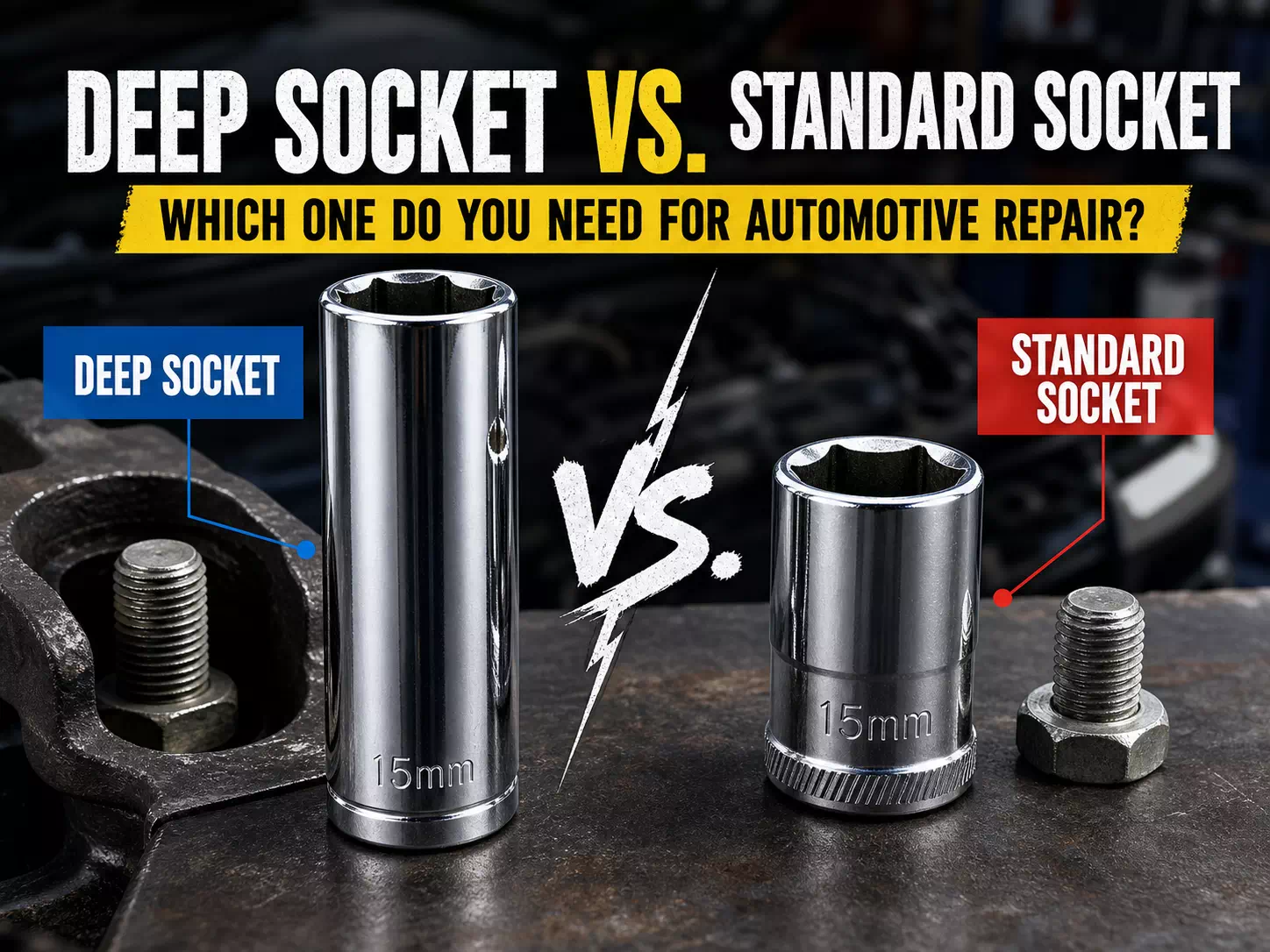
Deep Socket vs. Standard Socket: Which One Do You Need for Automotive Repair?
-

Socket Set vs. Wrench Set: Which Is Better for Automotive Repair?
-
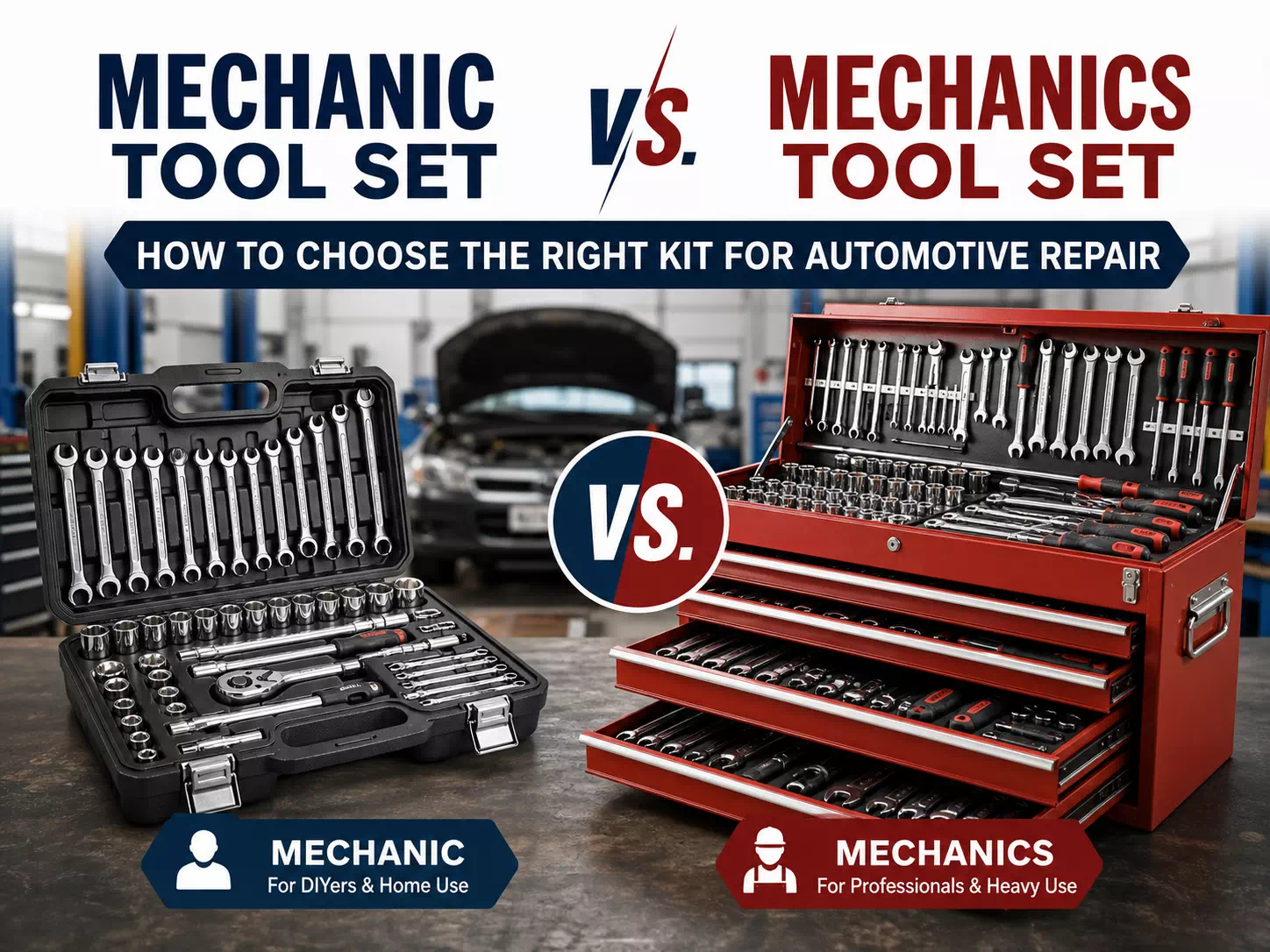
Mechanic Tool Set vs. Mechanics Tool Set: How to Choose the Right Kit for Automotive Repair
-
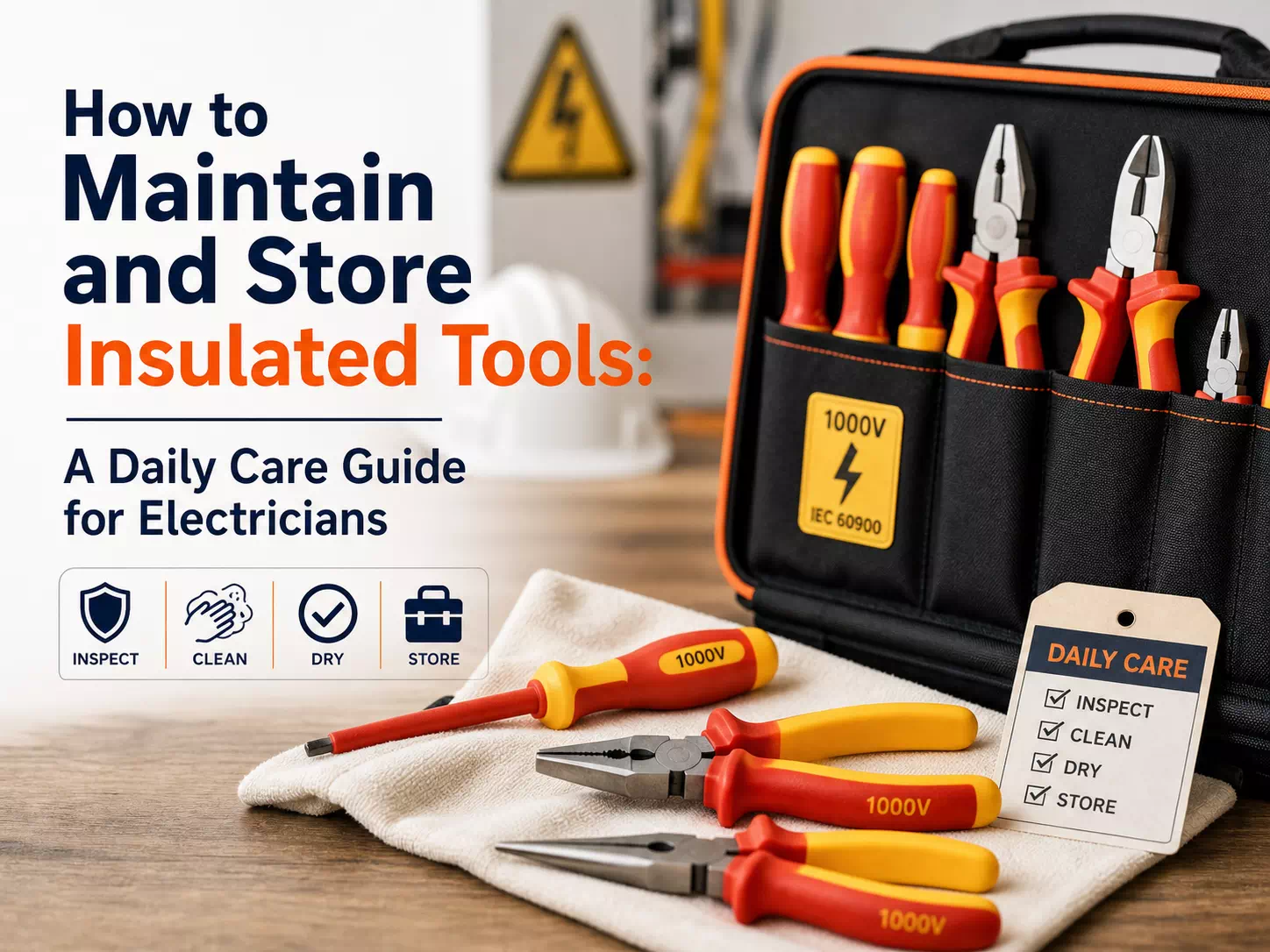
How to Maintain and Store Insulated Tools: A Daily Care Guide for Electricians