
- Dawei Metal 2026 Chinese New Year Special Offer: Gallop into Success with Upgraded Tools!
- Aluminum Alloy Combination Tool Set for Home, Automotive, and Repair Use
- Striking Tools: Types, Uses, and How to Choose the Right One
- Highest Quality Hand Tools: Inside the World's Most Trusted Tool Brands
- Why a Machete Saw Belongs in Your Outdoor Kit
Company:Shandong Dawei Metal Materials Co., Ltd.
Tel:+8615666285386
Email:dwhardwaretools@gmail.com
Address:Room 1413, Building 8, Shandong Steel Xintiandi Plaza, No. 61 Gongye South Road, High-tech Zone, Jinan City
7 Common Mistakes When Buying Brushless Tools from China
If you are sourcing brushless tools for wholesale, distribution, retail, or private label, choosing the right supplier can directly affect your margins, delivery performance, and customer satisfaction.
Today, more importers are shifting from traditional brushed tools to brushless power tools because end users want better efficiency, longer motor life, lower maintenance, and stronger jobsite performance. But successful sourcing is not only about finding a low quote. It is about finding a supplier that can deliver the right balance of quality, certification, MOQ flexibility, stable lead time, customization support, and after-sales service.
At our company, we work with overseas buyers looking for OEM and wholesale brushless tools from China, and we often see the same sourcing mistakes repeated again and again. The good news is that most of them are avoidable.
In this article, we’ll walk through the 7 most common mistakes buyers make when purchasing brushless tools from China—and show you how to avoid them so you can source more confidently and grow your product line with less risk.
Why More Importers Are Choosing Brushless Tools
Before we look at the mistakes, it’s important to understand why brushless tools continue to gain market share.
Compared with brushed models, brushless tools typically offer:
Higher efficiency
Longer motor lifespan
Lower maintenance needs
Better heat control
More consistent performance under load
Stronger appeal in professional and semi-professional markets
For wholesalers and importers, this means a better opportunity to serve contractors, workshops, installers, and hardware retailers looking for dependable products at competitive prices.
If your business is building a broader power tool range, brushless models are no longer just a premium option—they are increasingly becoming a core category.
You can explore a full range of brushless tools for wholesale and OEM projects on our product category page, including drills, impact drivers, grinders, rotary hammers, and combo kits.
Mistake #1: Focusing Only on Price
One of the biggest sourcing mistakes is choosing a supplier based only on the lowest unit price.
A low quotation may look attractive at first, but in the brushless tools business, lower pricing often reflects compromises in key areas such as:
Motor quality
Gear durability
Electronic control systems
Battery cells
Charger stability
Housing materials
Production consistency
What low pricing often means
If a quote is far below market level, buyers should ask:
Are the components the same grade?
Is the factory using stable materials?
Has the model passed torque, heat, and durability testing?
Is there a real QC process before shipment?
What warranty support is included?
A lower ex-factory price can quickly become more expensive if you face:
High defect rates
Customer complaints
Replacements and refunds
Delayed repeat orders
Damage to your brand reputation
Better buying strategy
Instead of comparing price alone, compare:
Technical specifications
Certification status
Sample quality
Defect-control procedures
Warranty terms
Spare parts support
If you want long-term value, choose a supplier that helps you reduce total risk—not just initial purchase cost.
Mistake #2: Ignoring Certifications and Compliance
For buyers serving Europe, the UK, or other regulated markets, compliance is non-negotiable.
Many importers only confirm certifications after discussing pricing, or worse, after placing an order. That creates unnecessary risk.
What documents buyers should request
Depending on the model and target market, brushless tool buyers should ask for:
CE documents
RoHS compliance
ISO 9001 quality management evidence
Product test reports
User manual drafts
Labeling and packaging compliance details
Battery and charger related safety information
Why this matters
If compliance is unclear, you may face:
Customs issues
Retail rejection
Legal and liability concerns
Delayed product launch
Reputational risk in your market
A reliable supplier should be ready to provide compliance files early in the process.
Our team supports buyers with product documentation, export coordination, and pre-order compliance confirmation to help reduce sourcing risk for wholesale and OEM brushless tools projects.
Mistake #3: Not Confirming MOQ and Customization Early
MOQ and customization are often misunderstood, especially by buyers planning to launch a private label.
A standard model may have one MOQ, while custom packaging, logo printing, or color changes can require a different quantity. If this is not clarified early, your budget and timeline can quickly change.
Areas buyers should confirm in advance
MOQ for standard products
MOQ for logo printing
MOQ for custom color
MOQ for custom packaging
MOQ for combo kits
Charger plug options by market
Manual language options
Battery platform requirements
How to reduce customization risk
Before placing an order, buyers should confirm in writing:
Product model and specs
Branding method
Packaging format
Carton marks
Accessories included
Sample approval process
Final order quantity
This is where a one-stop sourcing partner becomes valuable. Instead of coordinating with separate factories for tools, batteries, chargers, packaging, and accessories, buyers can save time by working with a supplier or trading company that manages all these details together.
If you are looking for OEM or private label brushless tools, we can help you evaluate flexible MOQ options based on your branding level and target market.
Mistake #4: Underestimating Lead Time and Supply Stability
Lead time is one of the most underestimated parts of brushless tools sourcing.
Unlike simpler hardware items, brushless tools depend on multiple upstream components, including motors, control boards, batteries, chargers, and packaging materials. Delays in any one area can impact the full shipment.
Why lead time can change
Lead time may be affected by:
Component availability
Battery cell supply
Custom packaging production
Factory workload in peak season
Number of SKUs per order
Inspection scheduling
Port and logistics conditions
How to plan reorders more safely
To reduce stockout risk, importers should:
Forecast demand by SKU
Identify fast-moving models
Ask about repeat-order lead time, not just first-order lead time
Separate standard models from custom projects
Build buffer time into seasonal purchasing plans
Our one-stop sourcing approach helps buyers improve visibility on production schedules, mixed orders, and shipment coordination—especially useful for distributors managing multiple SKUs across one container.
Mistake #5: Skipping Proper Sample Testing
A good catalog is not enough. A good sample photo is not enough. Even one working sample is not always enough.
Brushless tools should be tested carefully before you move into volume purchasing.
What to test in a sample
A proper sample review should include:
Tool finish and assembly quality
Trigger and switch response
Torque and speed performance
Heat under load
Battery fit and runtime
Charger functionality
Noise and vibration level
Labeling and markings
Packaging quality
Why sample testing protects your business
A stronger sample process helps you:
Identify hidden quality issues
Compare models more fairly
Confirm packaging before mass production
Reduce claim risk after launch
Avoid expensive product revisions
We recommend that buyers request at least a standard sample, and for customized projects, a packaging-confirmed sample before bulk production. Sample policy, lead time, and fee refund options should also be clarified in advance.
If you want to evaluate our models, you can contact us directly for sample requests, product specifications, and OEM consultation.
Mistake #6: Overlooking Warranty and After-Sales Support
Many buyers focus heavily on production and shipping, but forget that after-sales support is a major part of the buying decision.
This is especially important if you are selling under your own brand. Your customers will expect a clear response when problems arise.
What warranty terms matter most
Before confirming a supplier, ask:
What is the warranty period?
What defects are covered?
How are claims reviewed?
Are spare parts available?
Can replacement units be provided with repeat orders?
How quickly does the supplier respond?
Why after-sales support affects sales growth
Better after-sales support helps buyers:
Protect distributor relationships
Improve confidence in private label products
Reduce conflict with end customers
Build long-term repeat business
Compete more effectively with Western brands
Our team supports customers with responsive communication, order follow-up, and practical coordination on replacement and service issues—because long-term cooperation matters more than one shipment.
Mistake #7: Working with Too Many Uncoordinated Suppliers
Some buyers think splitting sourcing across many factories will always lower cost. In reality, it can increase operational complexity and create more room for error.
Brushless tool programs often require coordination across:
Tool bodies
Batteries
Chargers
Accessories
Packaging
Manuals
Labels
Spare parts
Why fragmented sourcing creates problems
Without proper coordination, buyers may face:
Inconsistent quality
Delayed shipments
Packaging mistakes
Compatibility issues
More admin work
Higher communication costs
More difficult claim handling
Why a one-stop China sourcing partner helps
Working with an experienced trading company or integrated supplier can offer:
Better communication efficiency
Consolidated purchasing
Flexible mixed orders
Easier customization management
Stronger quality follow-up
More convenient shipment planning
For small and mid-sized importers especially, this model can save significant time and reduce sourcing risk.
Why Work with a One-Stop Brushless Tools Supplier in China
If your goal is to build a competitive and reliable product range, the right sourcing partner should do more than quote a price.
A good partner should help you with:
Product selection based on market needs
Certification and compliance support
OEM and private label development
MOQ planning
Sample arrangement
QC coordination
Lead time management
Mixed-order consolidation
After-sales communication
This is where Chinese trading companies often provide a real advantage. Compared with dealing with multiple separate factories, a professional trading partner can give buyers more flexibility, faster communication, and easier one-stop sourcing.
For many overseas customers, that means lower sourcing pressure and better execution.
Get Reliable OEM & Wholesale Brushless Tools Support
Buying brushless tools from China can be a smart move for importers, wholesalers, and private-label brands—but only if you avoid the common mistakes that lead to delays, claims, and lost margins.
To source successfully, you need to evaluate:
Quality and performance
Certifications and compliance
MOQ and customization
Lead time and supply chain stability
Sample process
Warranty and after-sales support
Supplier coordination ability
If you are currently comparing suppliers or planning a new product line, we are ready to help.
What we can support
Wholesale brushless tools supply
OEM and private label development
Flexible MOQ discussion
Sample arrangement
Product documentation
Mixed model sourcing
One-stop export coordination
- Pro:What Does Brushless Mean in Tools? Are Brushless Tools Better?
- Next:Hardware Tools Quality Standar
-
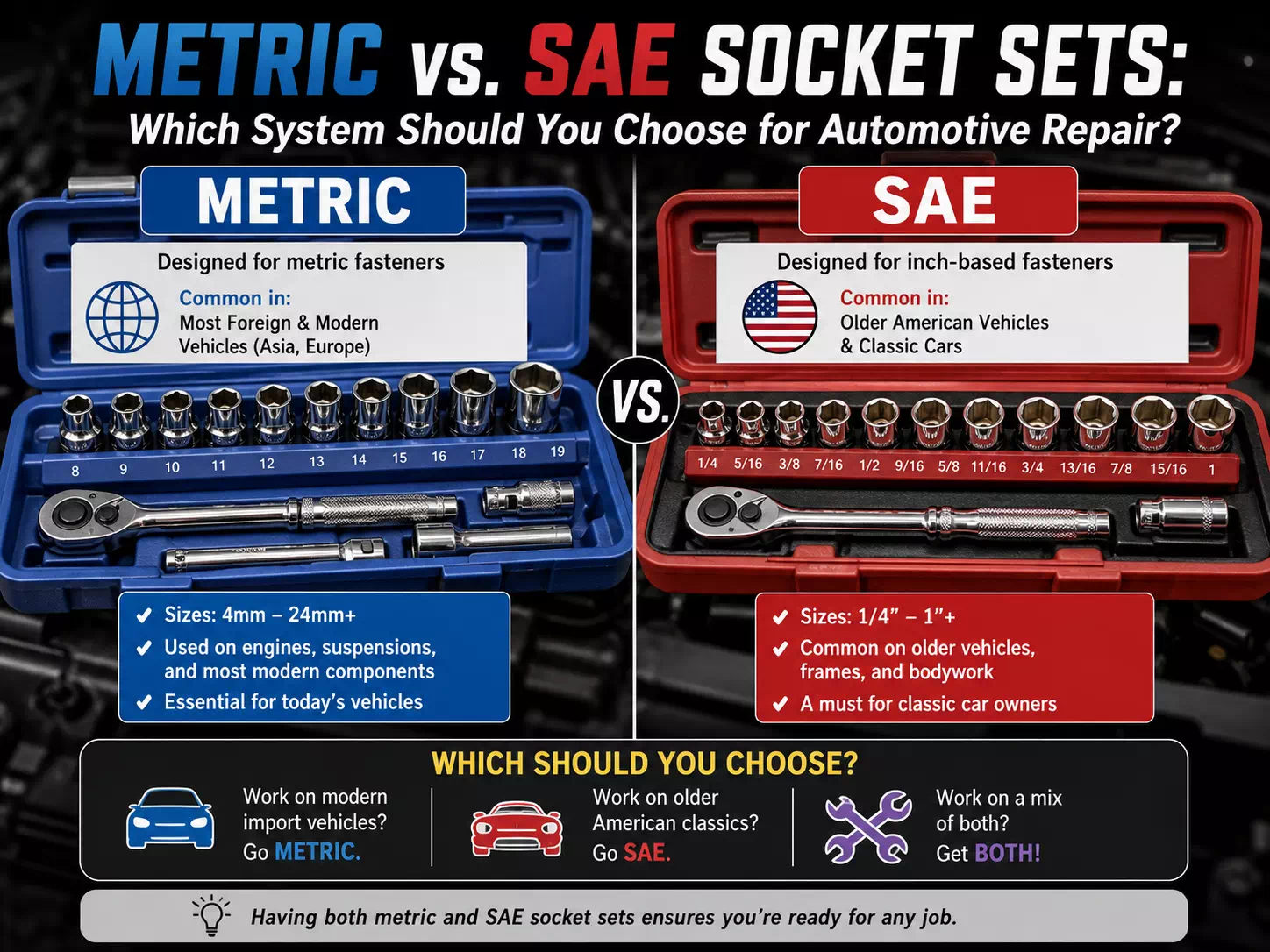
Metric vs. SAE Socket Sets: Which System Should You Choose for Automotive Repair?
-
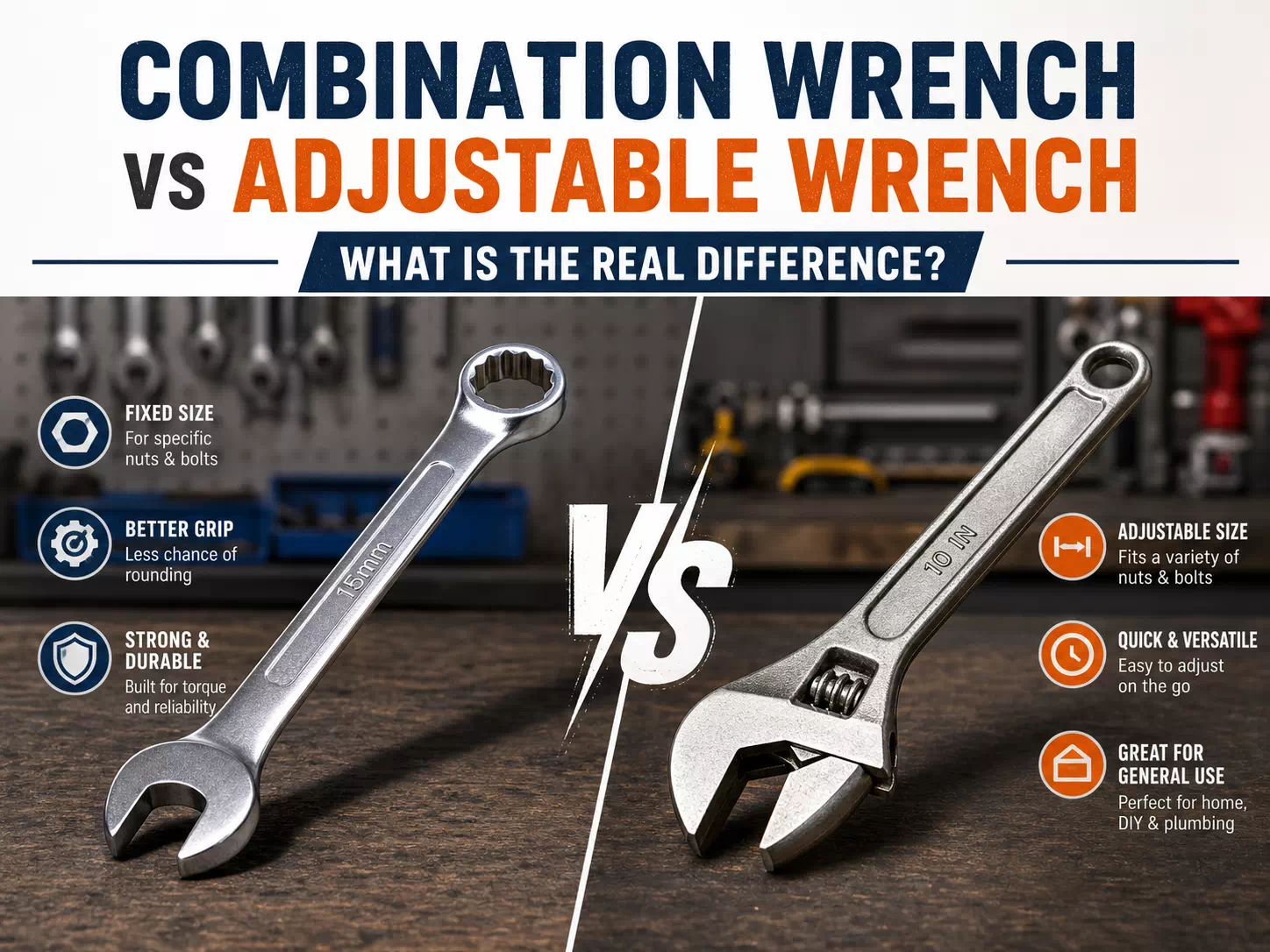
Combination Wrench vs Adjustable Wrench: What Is the Real Difference?
-
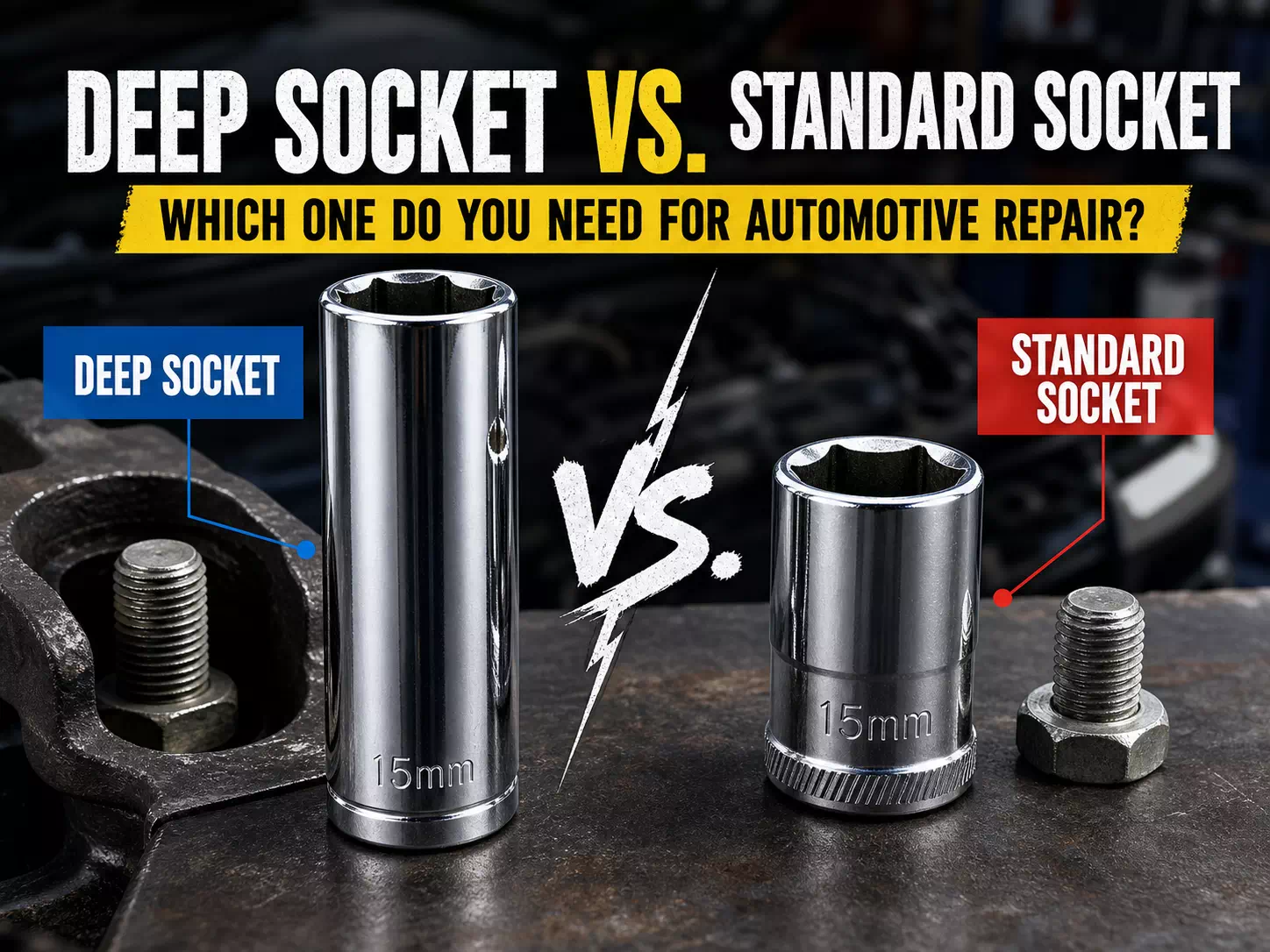
Deep Socket vs. Standard Socket: Which One Do You Need for Automotive Repair?
-

Socket Set vs. Wrench Set: Which Is Better for Automotive Repair?
-
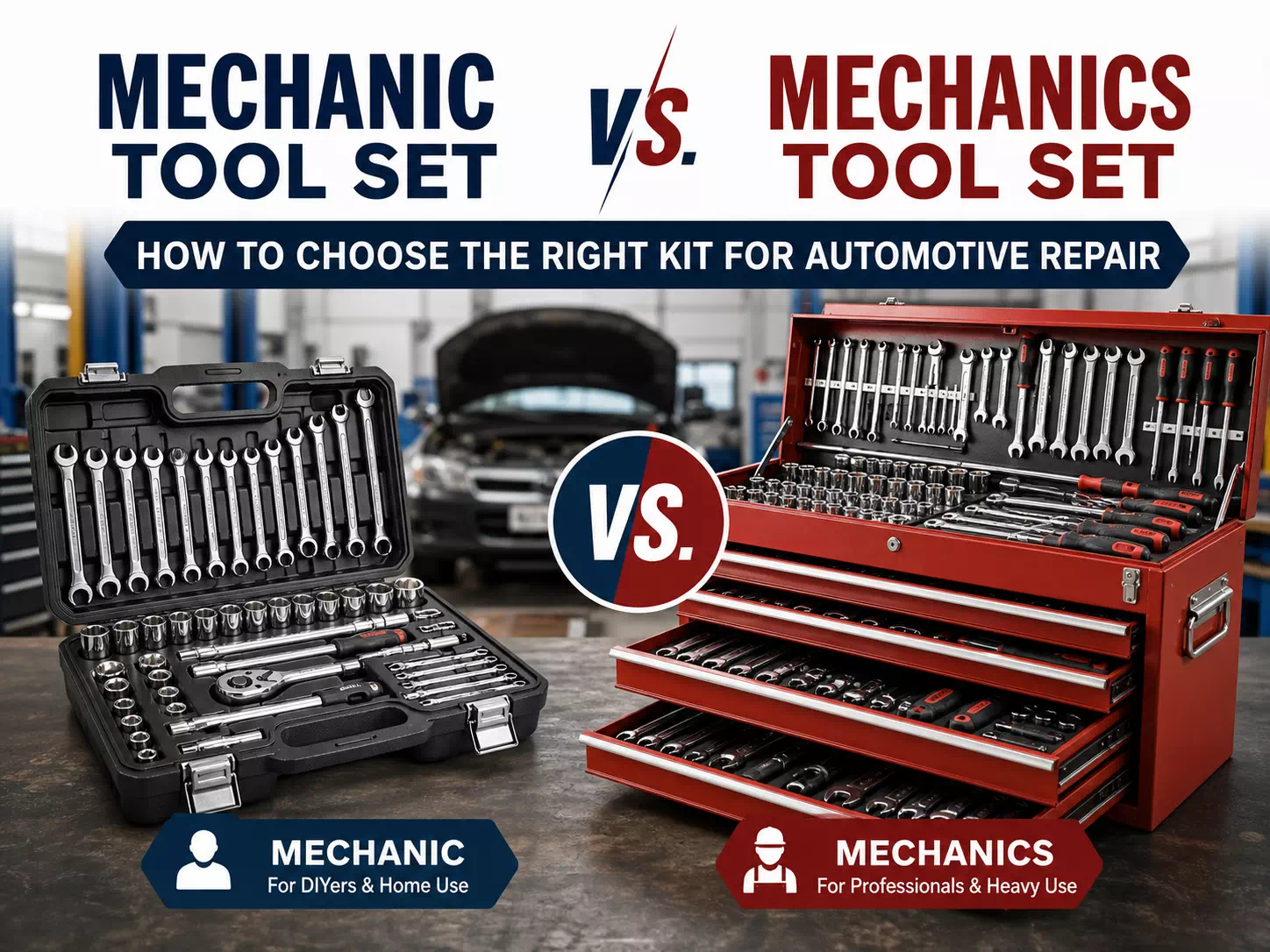
Mechanic Tool Set vs. Mechanics Tool Set: How to Choose the Right Kit for Automotive Repair
-
How to Maintain and Store Insulated Tools: A Daily Care Guide for Electricians