
- Dawei Metal 2026 Chinese New Year Special Offer: Gallop into Success with Upgraded Tools!
- Aluminum Alloy Combination Tool Set for Home, Automotive, and Repair Use
- Striking Tools: Types, Uses, and How to Choose the Right One
- Highest Quality Hand Tools: Inside the World's Most Trusted Tool Brands
- Why a Machete Saw Belongs in Your Outdoor Kit
Company:Shandong Dawei Metal Materials Co., Ltd.
Tel:+8615666285386
Email:dwhardwaretools@gmail.com
Address:Room 1413, Building 8, Shandong Steel Xintiandi Plaza, No. 61 Gongye South Road, High-tech Zone, Jinan City
What Does Brushless Mean in Tools? Are Brushless Tools Better?
What Does Brushless Mean in Tools? Are Brushless Tools Better?
If you are shopping for cordless drills, impact drivers, grinders, or saws, you have probably seen the term brushless on product pages and packaging. Two of the most common buyer questions are: what does brushless mean in tools and are brushless tools better. The short answer is yes in many cases, but the full answer depends on how you use your tools, your budget, and the level of performance you expect.
This guide explains brushless tool technology in plain language while keeping the details practical for DIY users, contractors, woodworkers, and workshop professionals. We will cover how brushless motors work, how they compare with brushed motors, where they perform best, and whether they are worth the extra cost.
What Does Brushless Mean in Tools?
To understand what does brushless mean in tools, first look at how a traditional motor works. A standard brushed motor uses physical carbon brushes to transfer electrical current inside the motor. These brushes contact moving parts and help create rotation. Over time, that contact creates friction, heat, wear, and energy loss.
A brushless tool uses a motor design that does not rely on carbon brushes for power transfer. Instead, it uses electronic controls to direct current and manage motor operation. Because there is less internal friction, the motor can run more efficiently and with less wear.
In simple terms, brushless means the tool motor has no internal brushes rubbing against moving parts. That design change improves efficiency, durability, and control.
How a Brushless Motor Works
A brushless motor uses an electronic controller to manage the magnetic fields inside the motor. Instead of brushes mechanically switching current, the electronics do it more precisely.
This brings several real-world benefits:
Less friction inside the motor
Lower heat generation
More efficient battery use
Better torque management under load
Longer motor service life
Reduced maintenance compared with brushed motors
For cordless power tools, this is especially important because battery efficiency directly affects runtime and output. A brushless drill or impact driver can often deliver more work per charge than a similar brushed version.
Brushless Motor vs Brushed Motor
Brushed Motors
Brushed motors are older, simpler, and usually cheaper to manufacture. They are still common in entry-level tools and some budget product lines.
Advantages of brushed motors:
Lower upfront cost
Simpler design
Suitable for occasional light-duty use
Disadvantages of brushed motors:
More internal wear
More friction and heat
Lower efficiency
Shorter runtime on battery tools
Brushes eventually wear out
Brushless Motors
Brushless motors are more advanced and are now widely used in higher-performance cordless power tools.
Advantages of brushless motors:
Higher efficiency
Longer runtime per battery charge
Better power delivery
Reduced heat buildup
Less maintenance
Longer motor lifespan in demanding use
Disadvantages of brushless motors:
Higher purchase price
More complex electronics
Repair costs can be higher if the control board fails
Are Brushless Tools Better?
This is the key buying question: are brushless tools better? In most professional and frequent-use situations, yes. Brushless tools are generally better in efficiency, durability, runtime, and performance control. However, “better” does not always mean “necessary” for every user.
Brushless tools are usually better if you need:
Longer battery life on cordless jobs
More consistent power under load
Lower motor wear over time
Compact size with strong output
Tools for repeated daily use
For example, a brushless drill can adjust power more intelligently when driving long screws or drilling dense hardwood. A brushless impact driver can deliver efficient torque bursts while reducing wasted battery energy.
That said, if you only use a drill a few times a month for light household tasks, a brushed tool may still be good enough.
Why Brushless Tools Perform Better in Real Work
1. Better Battery Efficiency
One of the biggest reasons buyers switch to brushless tools is runtime. Because there is less friction and more intelligent power control, the motor wastes less energy. On a jobsite or in a workshop, that means fewer battery swaps and less downtime.
2. More Power When Needed
Brushless systems can respond to load changes more effectively. When cutting thick material or driving fasteners into dense stock, the electronics help deliver power more precisely. This can make the tool feel stronger and smoother in use.
3. Lower Heat and Less Wear
Heat is one of the enemies of motor life. Since brushed motors rely on physical contact inside the motor, they create more heat and wear. Brushless motors reduce those issues, which is especially valuable in tools used for long periods.
4. Longer Service Life
Because there are no brushes to wear down, brushless tools typically need less maintenance in the motor area. For tradespeople and serious DIY users, this can mean better long-term value.
Common Pain Points Brushless Tools Help Solve
Many users upgrade to brushless tools because they are frustrated with familiar problems:
Battery drains too quickly
Tool loses power under heavier loads
Motor gets too hot during continuous work
Frequent use causes early wear
Entry-level tools feel weak on hardwood, masonry anchors, or long fasteners
Brushless tools are not magic, but they are designed to reduce these issues. In practical use, they often feel more refined, more responsive, and more capable.
Are Brushless Tools Better for DIY Users?
For DIY users, the answer depends on project frequency and material type.
Brushless tools are worth it if you:
Build furniture or cabinets regularly
Work with hardwood, metal, or structural fasteners
Use cordless tools often enough to care about runtime
Want longer-lasting tools
Prefer smoother performance and less maintenance
A brushed tool may be enough if you:
Only do basic household repairs
Use tools occasionally
Need the lowest upfront cost
Do not need maximum battery efficiency
If your budget allows only one good cordless drill or driver, choosing brushless is often a smarter long-term decision.
Are Brushless Tools Better for Professional Use?
For contractors, installers, carpenters, electricians, mechanics, and fabricators, brushless tools are usually the better option. In professional use, tools face repeated loads, long run times, and frequent transport. Efficiency and durability matter more because downtime costs money.
Professionals often benefit from:
Longer runtime per battery pack
Reduced motor maintenance
Better performance in demanding applications
Improved tool lifespan under daily use
Smarter electronic protection against overload and overheating
In production-style work, these benefits are not just technical advantages. They directly improve workflow.
Examples of Tools Where Brushless Technology Makes a Noticeable Difference
Brushless Drill
A brushless drill is often more compact while still delivering strong torque. It is a good upgrade for drilling hardwood, hole saw work, repeated pilot drilling, and driving medium to large fasteners.
Brushless Impact Driver
Impact drivers already rely on torque delivery, so efficiency gains are easy to notice. A brushless impact driver often runs longer and handles repeated fastening better, especially in decking, framing, and cabinet installation.
Brushless Angle Grinder
Grinding and cutting produce sustained loads and heat. Brushless models can manage these demands better, particularly in cordless platforms.
Brushless Circular Saw
Under heavy cuts, brushless circular saws usually maintain speed more effectively and make better use of the battery, especially in thicker lumber or sheet goods.
Do Brushless Tools Have Any Downsides?
Yes, and a balanced buying decision should include them.
Higher cost: brushless models usually cost more than brushed equivalents
Electronics dependency: motor control relies on internal electronics, which can increase repair complexity
Overbuying risk: occasional users may pay for performance they do not really need
For many buyers, the main issue is not whether brushless is better, but whether the extra cost matches their usage level.
How to Decide If a Brushless Tool Is Worth Buying
Ask yourself these questions before purchasing:
How often will I use this tool?
Will I use it on demanding materials?
Do I care about longer battery runtime?
Am I building a long-term cordless platform?
Is reliability more important than the cheapest price?
If you answer yes to most of these, a brushless model is probably worth it.
Buying Tips for Brushless Power Tools
Compare torque, speed, and battery platform together, not just the word “brushless”
Choose a reputable brand with good battery ecosystem support
Check warranty terms and spare battery cost
Look for overload protection and thermal management features
Read real user feedback from jobsite or workshop applications similar to yours
Not all brushless tools are equal. A low-grade brushless tool can still underperform compared with a better-designed brushed tool from a stronger brand. Motor type matters, but overall build quality matters too.
Final Answer: What Does Brushless Mean in Tools, and Are Brushless Tools Better?
So, what does brushless mean in tools? It means the motor works without internal brushes, using electronic control instead. This reduces friction, improves efficiency, and usually extends motor life.
And are brushless tools better? In most cases, yes. They are generally better for runtime, efficiency, power management, and long-term use. For professionals and serious DIY users, they are often the smarter investment. For occasional light tasks, brushed tools may still be enough if budget is the main concern.
If you want cordless tools that run cooler, last longer, and deliver more efficient performance, brushless technology is usually worth considering. In today’s market, it is no longer just a premium feature. For many users, it is the practical standard.
- Pro:The Ultimate Guide to Brushless Power Tools: Are They Worth the Upgrade?
- Next:7 Common Mistakes When Buying
-
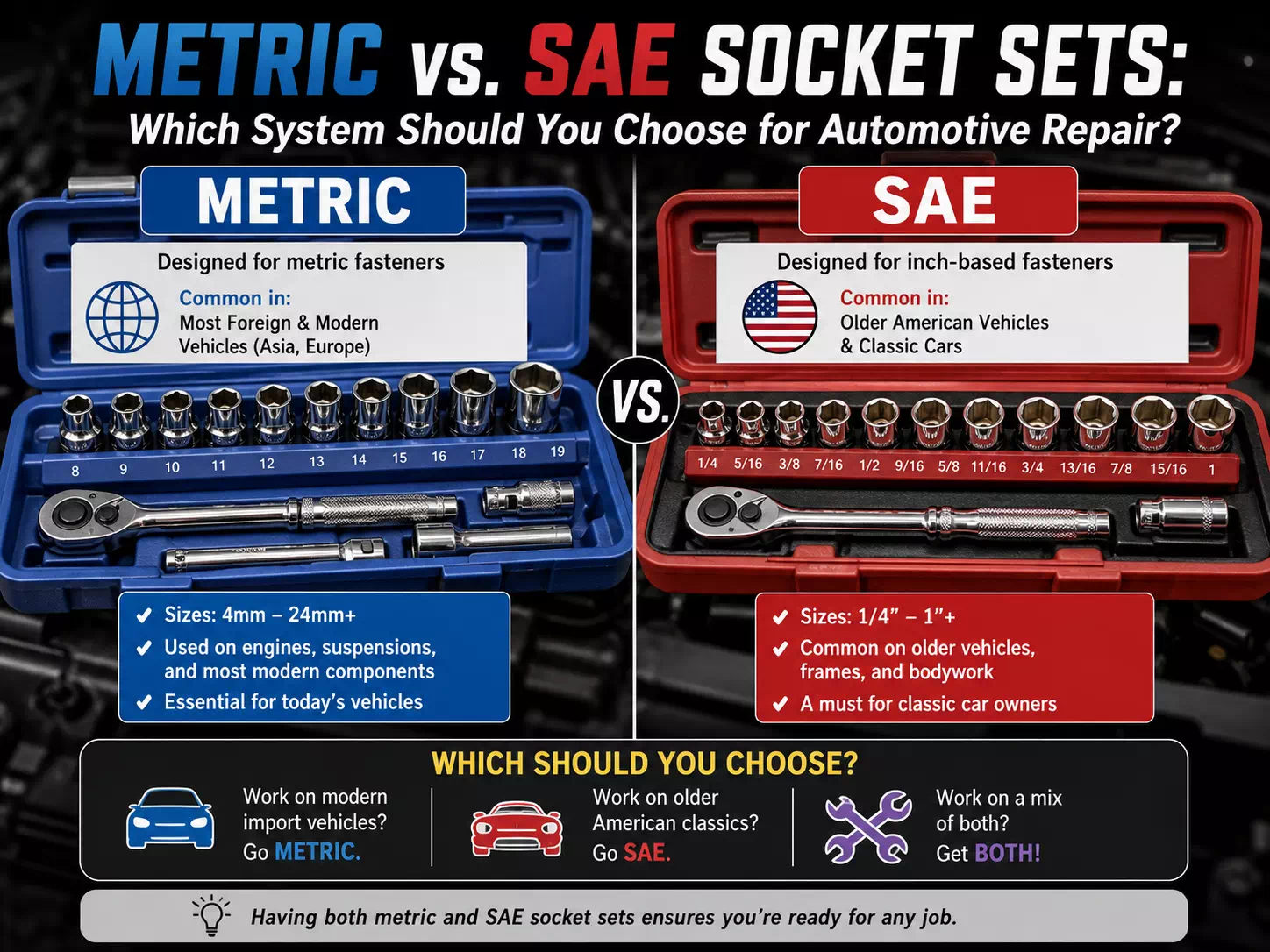
Metric vs. SAE Socket Sets: Which System Should You Choose for Automotive Repair?
-
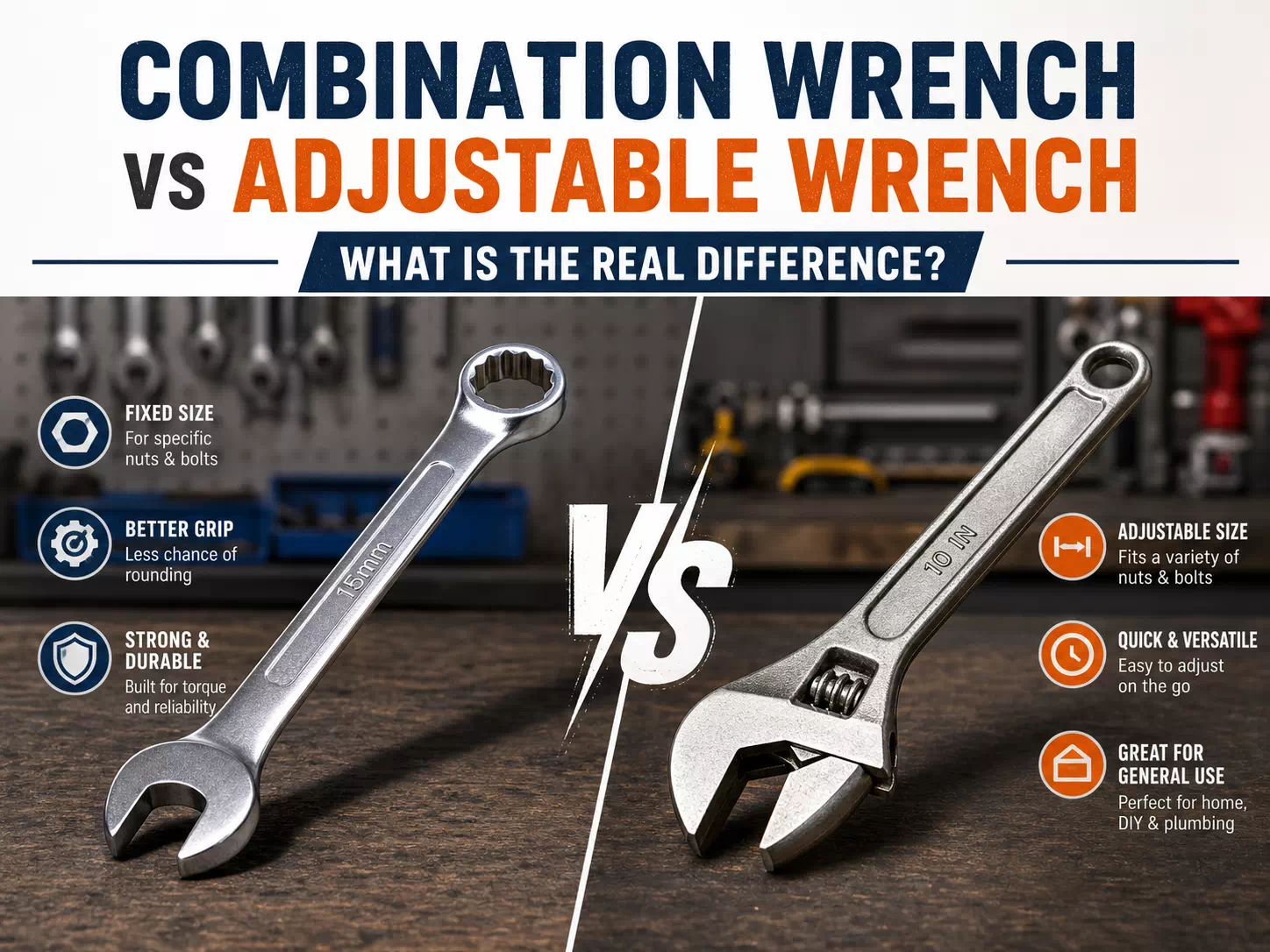
Combination Wrench vs Adjustable Wrench: What Is the Real Difference?
-
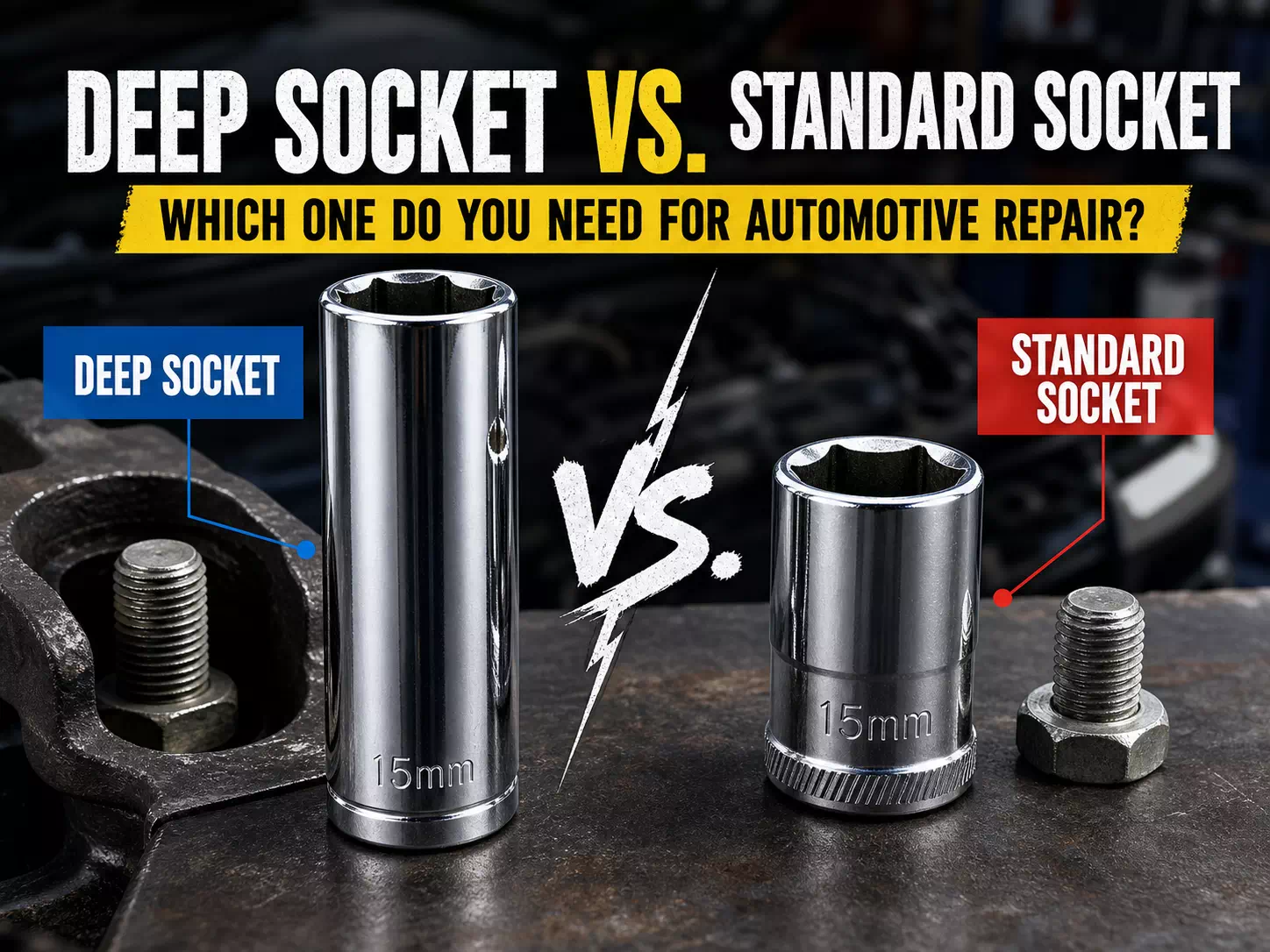
Deep Socket vs. Standard Socket: Which One Do You Need for Automotive Repair?
-

Socket Set vs. Wrench Set: Which Is Better for Automotive Repair?
-
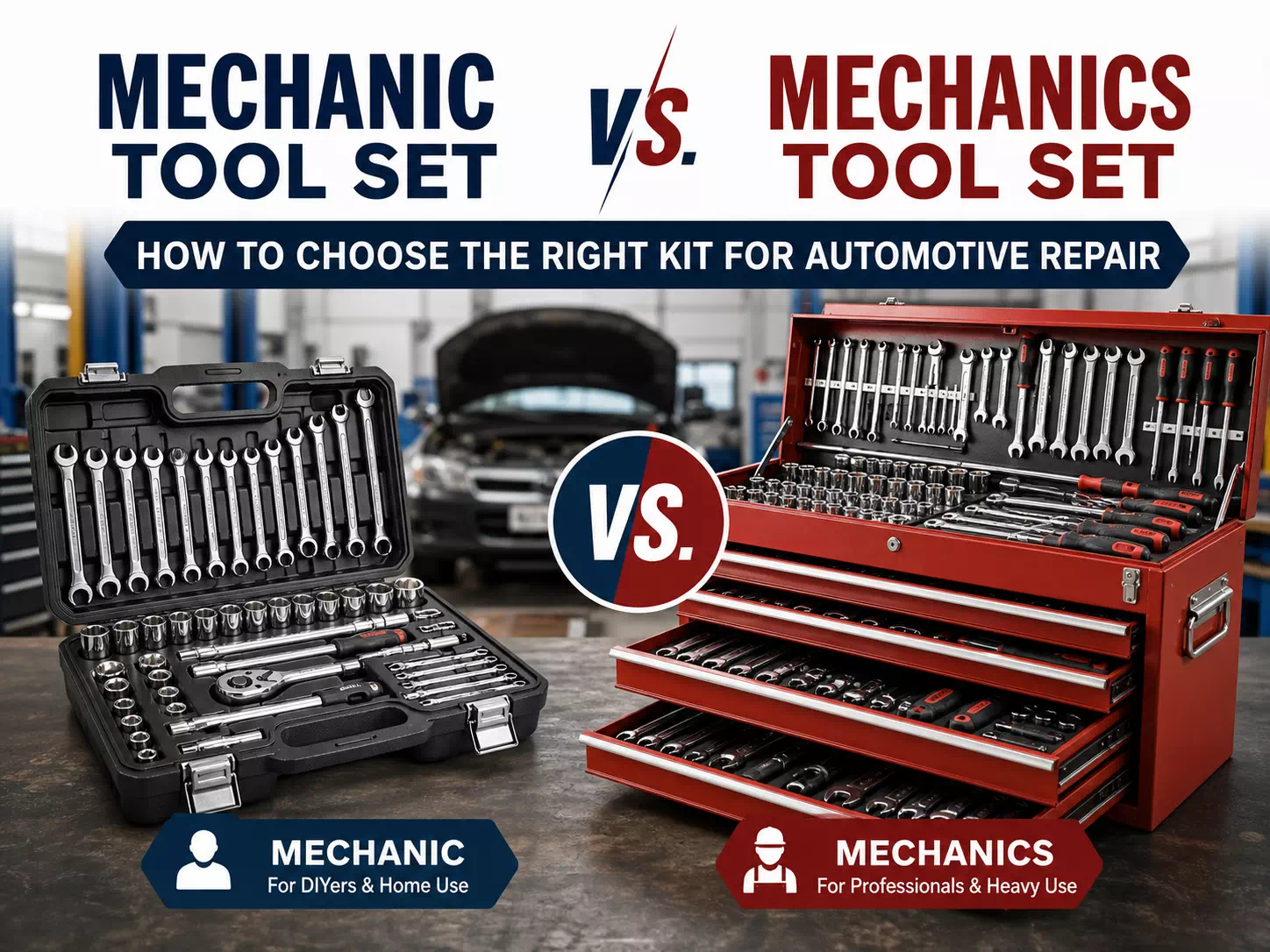
Mechanic Tool Set vs. Mechanics Tool Set: How to Choose the Right Kit for Automotive Repair
-
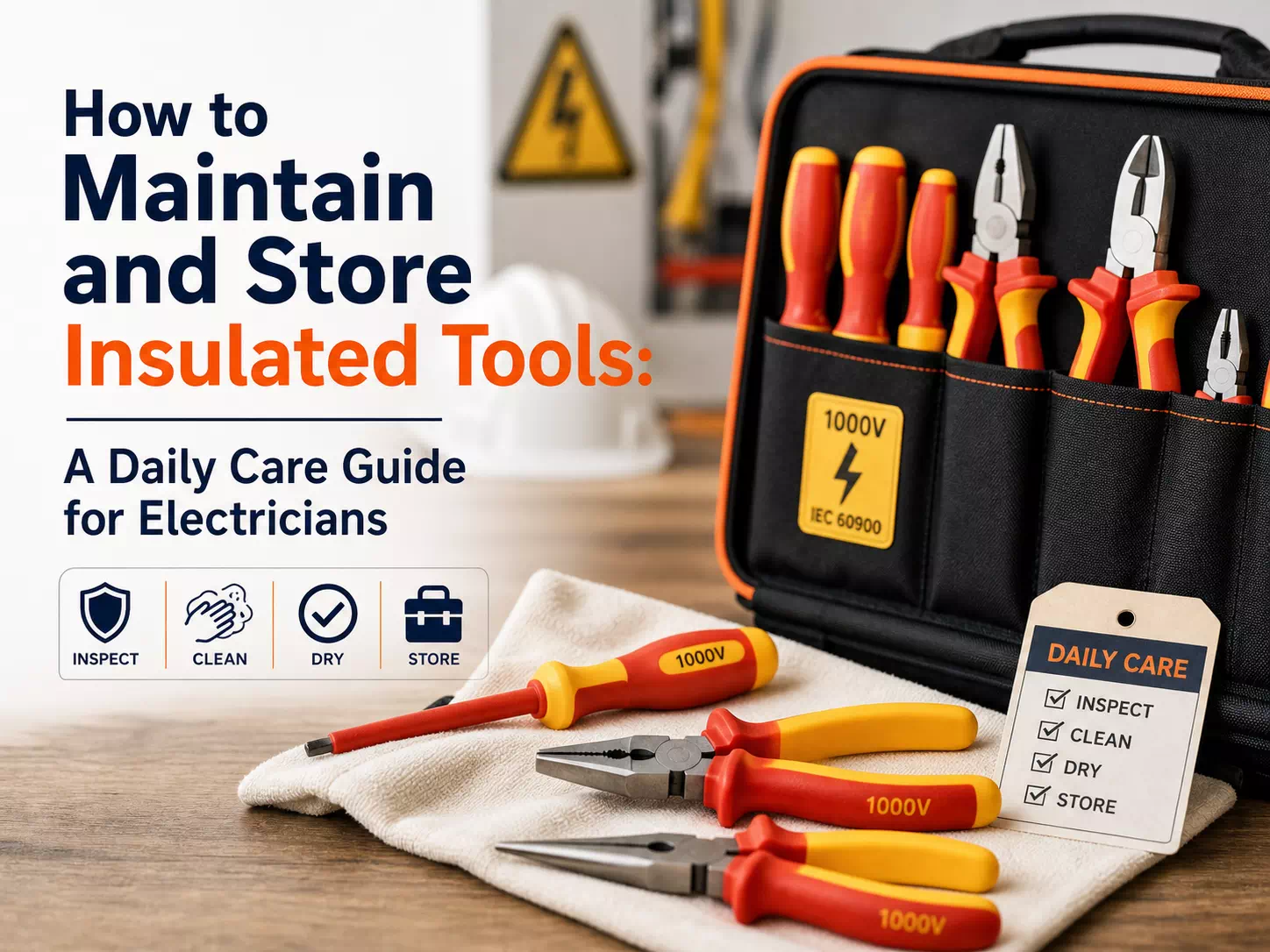
How to Maintain and Store Insulated Tools: A Daily Care Guide for Electricians