
- Dawei Metal 2026 Chinese New Year Special Offer: Gallop into Success with Upgraded Tools!
- Aluminum Alloy Combination Tool Set for Home, Automotive, and Repair Use
- Striking Tools: Types, Uses, and How to Choose the Right One
- Highest Quality Hand Tools: Inside the World's Most Trusted Tool Brands
- Why a Machete Saw Belongs in Your Outdoor Kit
Company:Shandong Dawei Metal Materials Co., Ltd.
Tel:+8615666285386
Email:dwhardwaretools@gmail.com
Address:Room 1413, Building 8, Shandong Steel Xintiandi Plaza, No. 61 Gongye South Road, High-tech Zone, Jinan City
The Ultimate Guide to Brushless Power Tools: Are They Worth the Upgrade?
Introduction
Choosing the right equipment can make or break your project, whether you are a professional contractor on a heavy-duty job site or a DIY enthusiast tackling a weekend home renovation. Over the last decade, a massive technological shift has taken over the hardware aisles: the rise of brushless power tools.
You have probably seen the "Brushless" label slapped on everything from impact drivers to circular saws. They often come with a premium price tag, leaving many buyers wondering: Is it just a marketing gimmick, or is there real science behind the hype?
In this comprehensive guide, we will break down the mechanics of brushless motor power tools, compare them to traditional brushed models, and look at the premium materials (like S2 steel and Chrome Vanadium) that make these tools true workhorses. By the end of this read, you will know exactly whether to upgrade your toolbox.
What Are Brushless Motor Power Tools and How Do They Work?
To understand why brushless tools are superior, we first need to look under the hood.
In a traditional brushed motor, electricity is delivered to the spinning part of the motor (the armature) via physical carbon brushes. These brushes rub against a commutator. While this design has worked for over a century, it has a major flaw: friction. Friction generates heat, drains batteries, and eventually wears out the brushes themselves.
Brushless power tools flip this design inside out.
Instead of carbon brushes, these tools use a small electronic circuit board (a computer brain, if you will) and powerful magnets. The circuit board communicates with the battery to determine exactly how much power is needed for the task at hand.
The "Smart" Advantage
Because there are no physical brushes dragging against the motor, there is zero friction. This means:
Zero friction loss: Energy goes straight into turning the drill bit, not into generating heat.
Adaptive torque: If you are driving a small screw into drywall, the tool draws minimal power. If you hit a hard knot in oak, the electronic controller instantly floods the motor with more current.
Brushed vs. Brushless Tools: The Head-to-Head Comparison
When comparing brushed vs brushless tools, the differences boil down to four main categories: performance, runtime, lifespan, and cost.
1. Performance and Torque
Because electronic controllers manage the energy, brushless motors can pack more torque into a smaller frame. If you take a brushless impact driver and a brushed one of the same size, the brushless version will consistently drive longer screws faster.
2. Battery Runtime
Friction burns battery power. By eliminating carbon brushes, brushless motors are up to 50% more efficient. If you are working on a remote job site without easy access to a charger, a brushless tool will give you significantly more holes drilled per charge.
3. Lifespan and Maintenance
Brushed motors eventually die when the carbon brushes wear down. You have to open the tool up and replace them. Brushless tools are virtually maintenance-free. There are no parts rubbing together to wear out, meaning the motor often outlives the mechanical trigger mechanism or the casing.
4. Size and Weight
Without the bulky commutator and brush assembly, manufacturers can make tools much smaller. This is a game-changer for overhead work or tightening fasteners in tight automotive engine bays.
Beyond the Motor: Why Material Engineering Matters (S2 Steel & CR-V)
A powerful motor is useless if the gears strip or the drill bits shatter. As someone who has spent years testing hardware, I can tell you that brushless motor power tools generate so much torque that standard accessories often fail. This is where material science comes in.
When shopping for tools and accessories to pair with your high-torque brushless drivers, keep an eye out for these premium materials:
Chrome Vanadium (CR-V) Steel
You will find CR-V used in the internal gears of high-quality power tools, as well as in sockets and hand wrenches. Chromium adds corrosion resistance, while Vanadium increases tensile strength. For high-RPM applications, CR-V ensures that internal transmission gears don't strip under load.
S2 Tool Steel
This is the holy grail for impact driver bits. S2 steel is a shock-resisting alloy. It is hardened to high Rockwell levels (usually HRC 58-62) but retains enough ductility to flex slightly under extreme torque without snapping. If you use a standard carbon steel bit in a modern brushless impact driver, the torque will shear the tip right off. Always pair your brushless tools with S2 impact-rated bits.
Glass-Filled Nylon Housing (PA6-GF30)
The plastic shell matters too. Look for tools utilizing glass-fiber reinforced polyamide. It withstands drops on concrete and resists degradation from motor oil, grease, and brake fluid.
Pro Tips: Safety and Maintenance for Cordless Tools
With great power comes great responsibility. Modern brushless tools are incredibly strong, which increases the risk of wrist-snap injuries if a drill bit binds in heavy metal or wood.
Here are some hands-on safety and usage tips:
Use the Side Handle: High-torque brushless mud mixers and hammer drills can twist out of your hands. Always use the auxiliary side handle.
Thermal Overload Awareness: While brushless motors run cooler, the battery cells can still overheat. If your tool cuts out suddenly, it is likely the thermal protection kicking in. Let it cool down for five minutes.
Keep the Air Vents Clear: Even without carbon brushes, the electronic circuitry needs cooling. Use a compressor to blow dust out of the motor vents weekly.
Pair with High-Capacity Batteries: To get the true rated torque out of a brushless tool, use high-capacity batteries (e.g., 5.0Ah or 6.0Ah). Slim/compact batteries cannot discharge amperage fast enough to feed a hungry brushless motor under heavy load.
Quick Comparison Table
Here is a quick breakdown to help you decide which technology fits your budget and workflow.
| Feature | Brushed Power Tools | Brushless Power Tools |
|---|---|---|
| Initial Cost | Budget-friendly / Lower | Premium / Higher |
| Energy Efficiency | Moderate (approx. 60-70%) | High (approx. 85-90%) |
| Maintenance | Requires brush replacement | Zero motor maintenance |
| Lifespan | Standard | Extremely Long |
| Size & Weight | Larger and heavier | Compact and lightweight |
| Best For | Casual DIYers, occasional use | Contractors, daily users, heavy DIY |
Conclusion: Should You Make the Switch?
If you are a casual user who hangs a picture frame once a year, a standard brushed drill will serve you just fine.
However, if you are a professional, a dedicated woodworker, or someone planning a major home renovation, brushless power tools are worth every penny. The extended battery runtime, compact size, maintenance-free operation, and sheer torque make them the undisputed future of hardware. Just remember to pair that raw power with high-quality CR-V and S2 steel accessories so your bits don’t fail before the motor does.
What is your take? Are you ready to make the switch to brushless, or are your old reliable brushed tools still getting the job done? Also, for daily fastening, do you find yourself reaching for a cordless impact driver or a manual ratchet wrench more often? Drop a comment below and let’s talk shop!
Frequently Asked Questions (FAQ)
Q1: Can I use my old batteries with new brushless tools?
In most cases, yes! As long as the battery voltage and brand platform match (e.g., 18V or 20V Max from the same manufacturer), the lithium-ion batteries are interchangeable between brushed and brushless models.
Q2: Why are brushless tools more expensive?
The cost comes from the internal electronics. Instead of simple mechanical brushes, brushless tools require an electronic commutator, MOSFETs, and microprocessors to tell the motor when to spin.
Q3: Do brushless tools run quieter?
Yes. Because there is no mechanical friction between carbon brushes and copper commutators, brushless motors emit less acoustic noise and produce zero electrical sparks.
Q4: Will a brushless tool give me more power?
Yes. Without friction loss, the motor utilizes almost 90% of the energy drawn from the battery, translating directly into higher RPM and torque.
Q5: Can brushless tools get wet?
While they are more durable, the electronic control boards inside brushless tools are highly sensitive to water. If you work in the rain, make sure your tools have sealed electronics (often rated as IPX protection).
- Pro:Measuring Tools Guide: Precision Woodworking Tools, Ruler with Measurements, Harbor Freight Micromet
- Next:What Does Brushless Mean in To
-
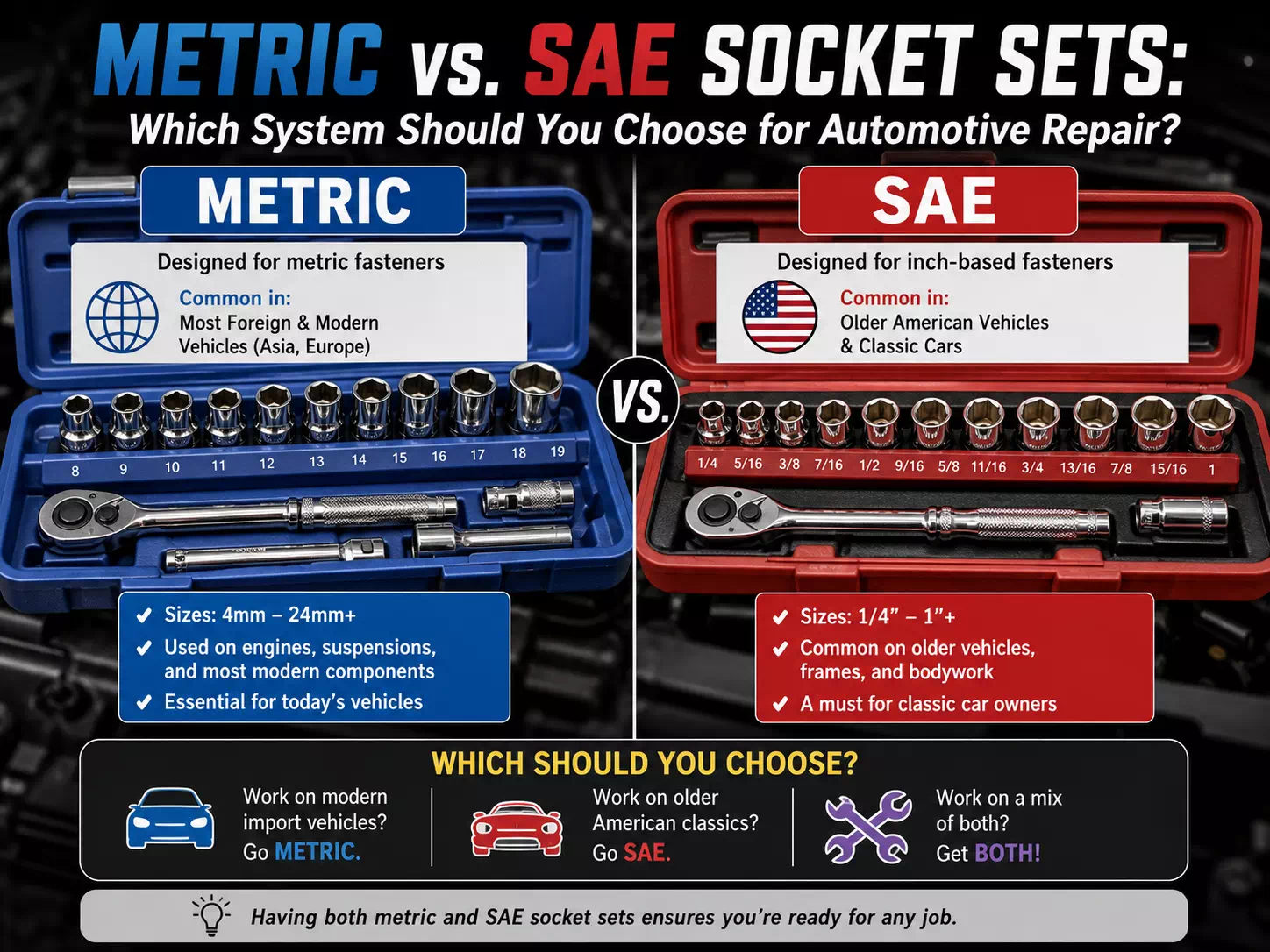
Metric vs. SAE Socket Sets: Which System Should You Choose for Automotive Repair?
-
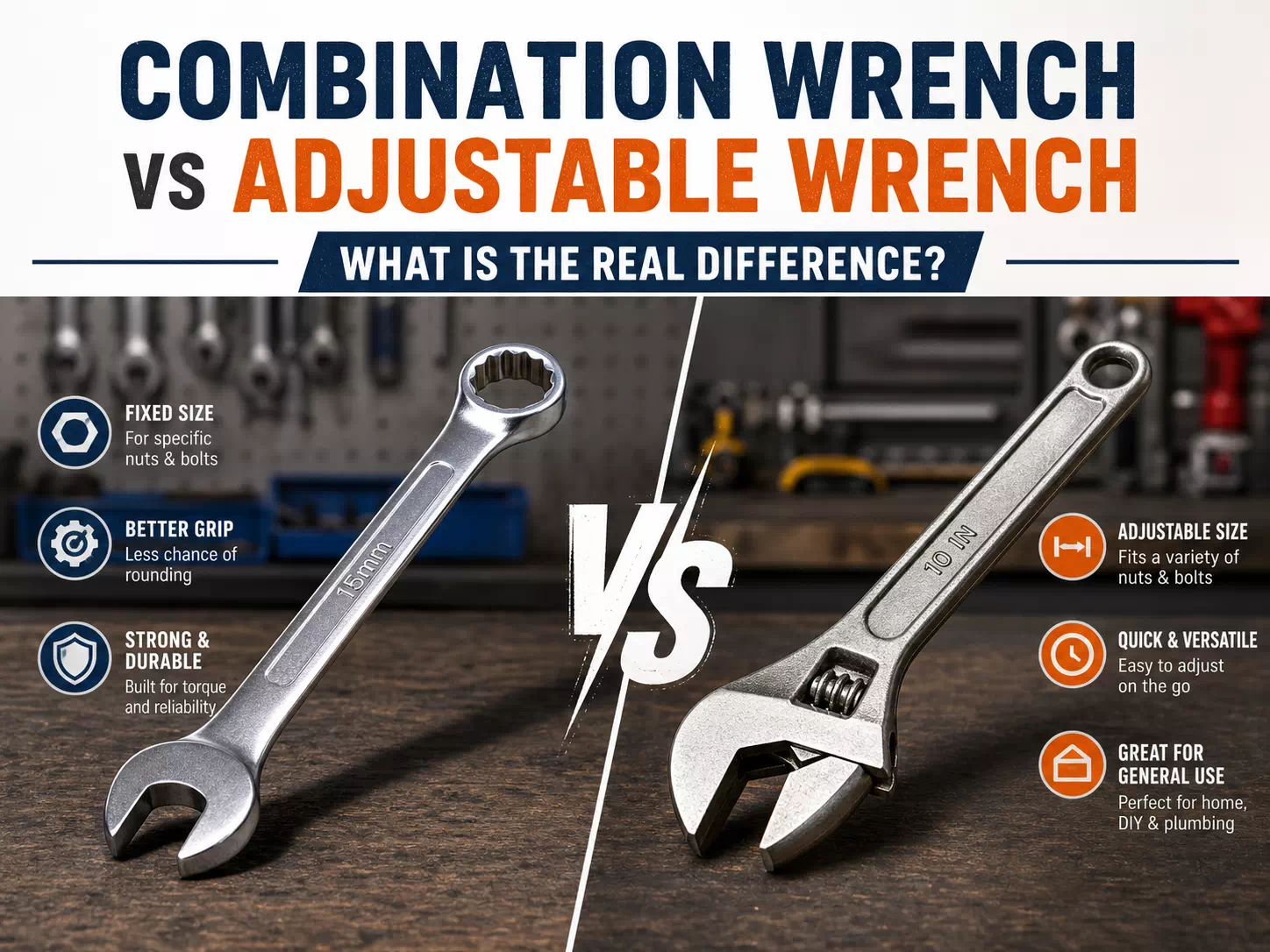
Combination Wrench vs Adjustable Wrench: What Is the Real Difference?
-
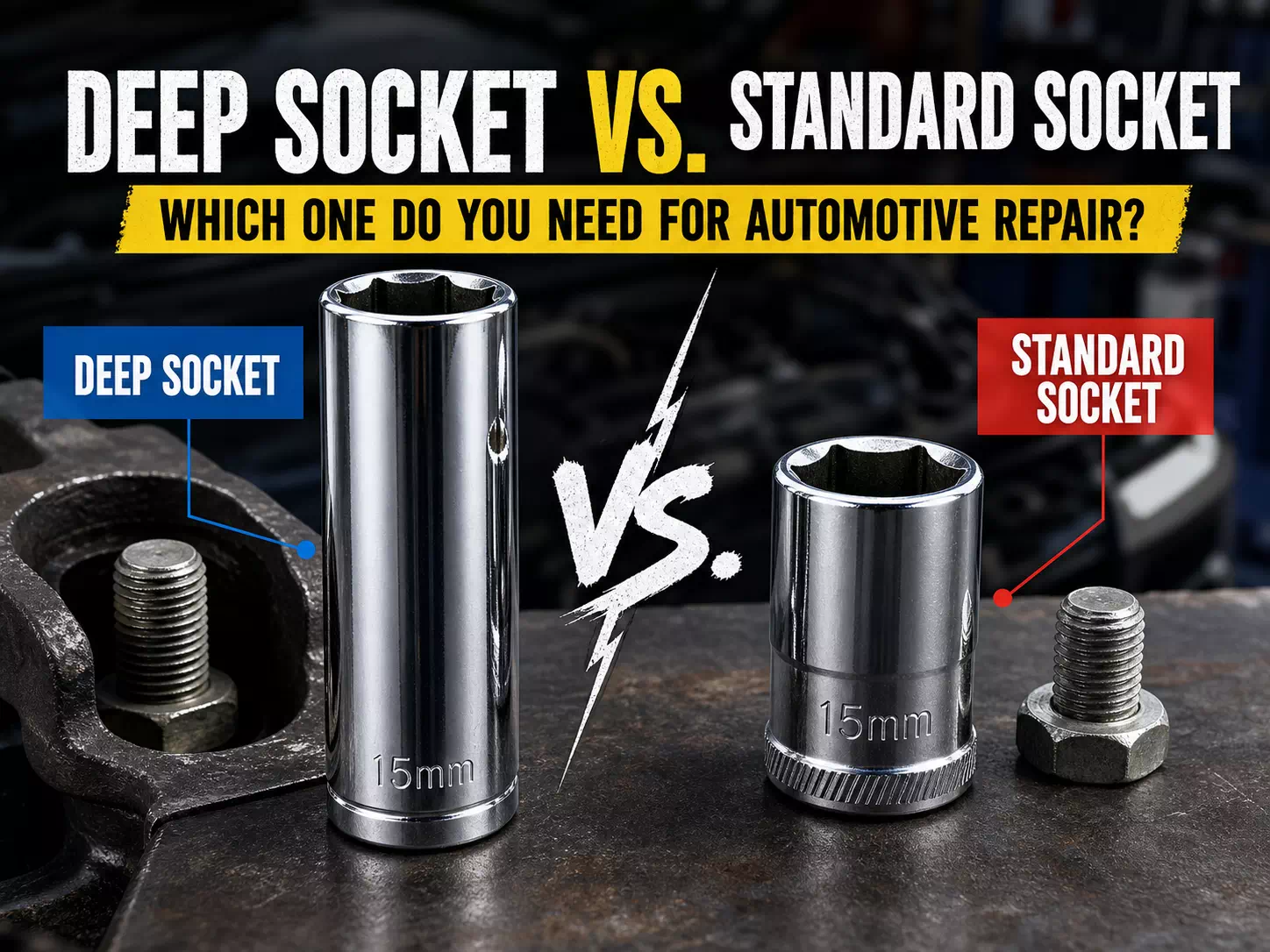
Deep Socket vs. Standard Socket: Which One Do You Need for Automotive Repair?
-

Socket Set vs. Wrench Set: Which Is Better for Automotive Repair?
-
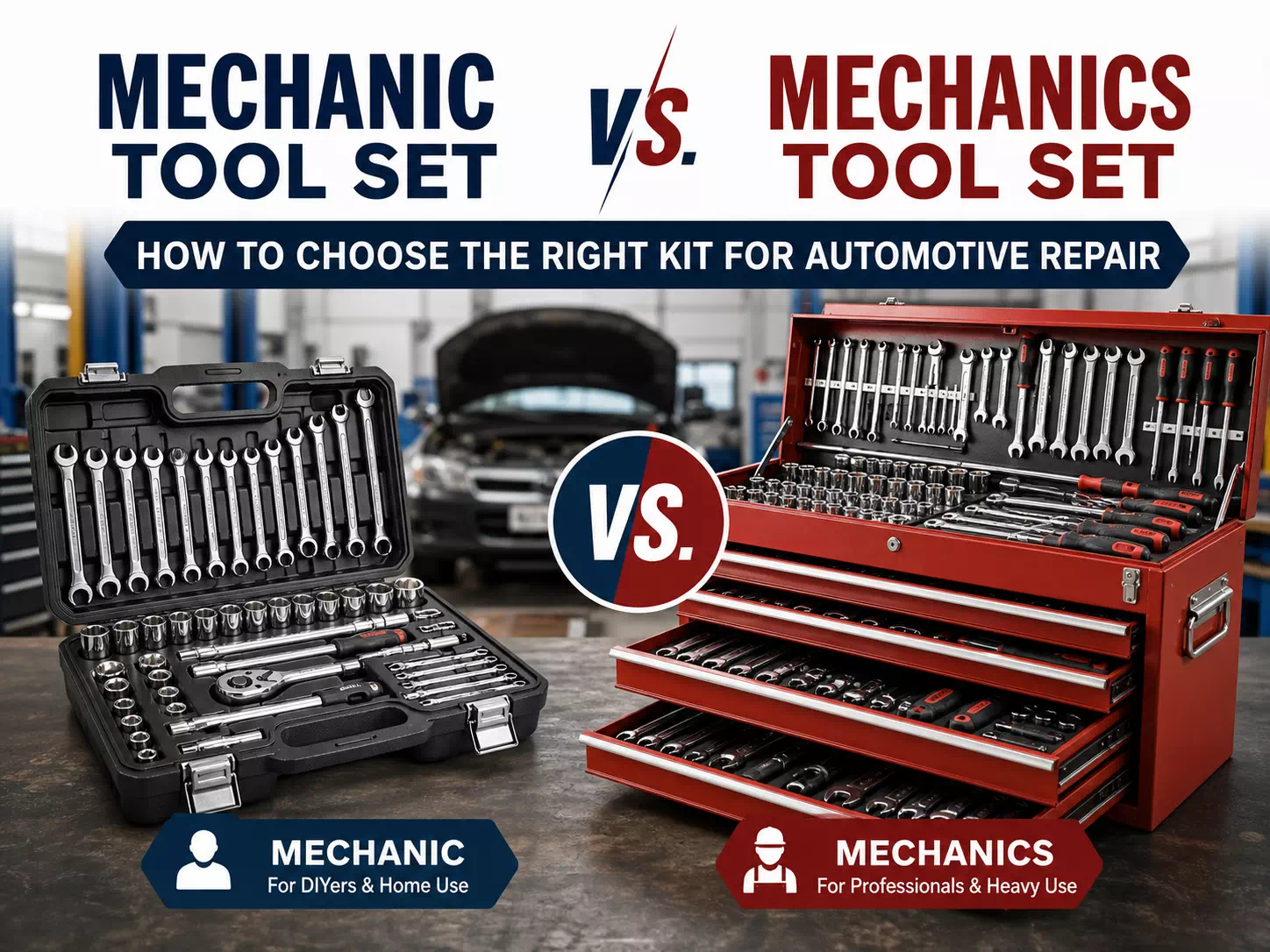
Mechanic Tool Set vs. Mechanics Tool Set: How to Choose the Right Kit for Automotive Repair
-
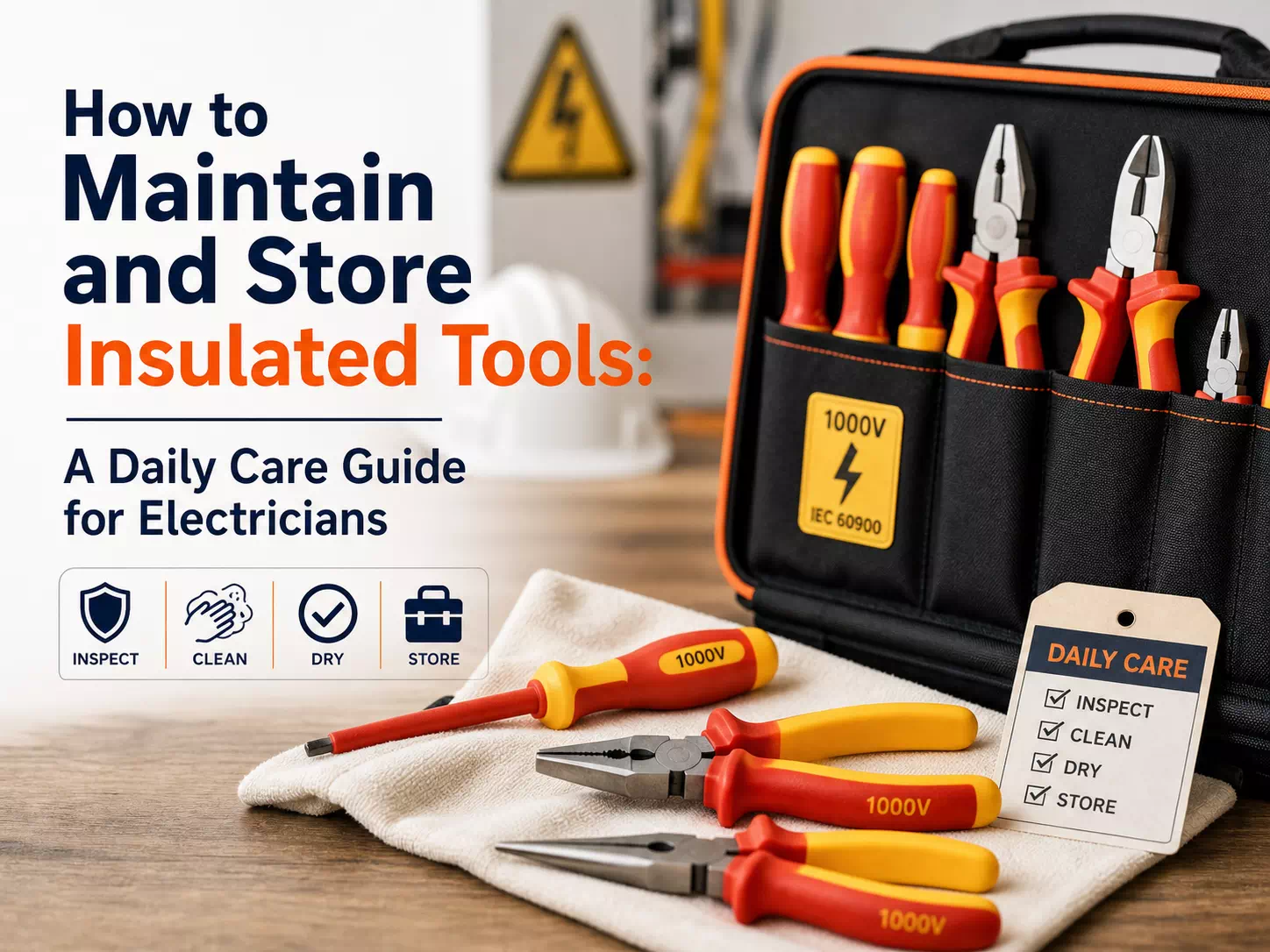
How to Maintain and Store Insulated Tools: A Daily Care Guide for Electricians