
- Dawei Metal 2026 Chinese New Year Special Offer: Gallop into Success with Upgraded Tools!
- Aluminum Alloy Combination Tool Set for Home, Automotive, and Repair Use
- Striking Tools: Types, Uses, and How to Choose the Right One
- Highest Quality Hand Tools: Inside the World's Most Trusted Tool Brands
- Why a Machete Saw Belongs in Your Outdoor Kit
Company:Shandong Dawei Metal Materials Co., Ltd.
Tel:+8615666285386
Email:dwhardwaretools@gmail.com
Address:Room 1413, Building 8, Shandong Steel Xintiandi Plaza, No. 61 Gongye South Road, High-tech Zone, Jinan City
Measuring Tools Guide: Precision Woodworking Tools, Ruler with Measurements, Harbor Freight Micrometer & Online PD Measurement Tool
Measuring Tools Guide: Choosing Precision Woodworking Tools and Using Them Correctly
Accurate measurement is the foundation of clean cuts, tight joinery, and repeatable workshop results. Whether you are comparing precision woodworking tools, selecting a reliable ruler with measurements, considering a Harbor Freight micrometer, or even looking at an online PD measurement tool out of curiosity, the real question is always the same: how much accuracy do you actually need, and which measuring tool gives dependable results?
In woodshops and light fabrication environments, poor measurement causes the same recurring problems: misaligned holes, cumulative layout error, gaps in joints, wasted stock, and inconsistent production. This guide focuses on practical measuring tools that solve those pain points, with an emphasis on material quality, graduation accuracy, ease of reading, and real-world use.
Why Measuring Tools Matter More Than Most DIY Users Expect
Many beginners assume cutting tools determine final quality. In reality, bad layout and bad measurement ruin a project long before the blade touches the material. A board cut 0.5 mm off may not look serious at first, but across multiple parts that error stacks quickly.
Common workshop pain points include:
Scale markings that wear off too fast
Flexible rulers that bow under pressure
Cheap micrometers with inconsistent zero points
Poorly machined square edges that throw off layout lines
Confusing metric and imperial conversions during repetitive work
Trying to use non-contact or unrelated tools where physical precision is required
That is why serious users choose precision woodworking tools made from stable materials such as hardened stainless steel, anodized aluminum, or precision-ground alloy components.
Core Measuring Tools Every Woodworker and Technician Should Understand
1. Ruler with Measurements
A basic ruler with measurements is still one of the most used layout tools in any shop. But not all rulers are equal. A quality ruler should have:
Clearly etched graduations instead of printed markings
Metric and imperial scales if your workflow requires both
Rigid steel construction for straightness and wear resistance
Fine graduation intervals, such as 0.5 mm or 1/64 in, depending on application
A true zero edge without damaged corners or coating build-up
For woodworking, a ruler is often used for quick checks, marking stock width, setting fence offsets, and transferring dimensions. If the edge is not straight or the beginning of the scale is inaccurate, every mark after it becomes questionable.
2. Precision Woodworking Tools
The term precision woodworking tools usually includes more than one item. It often refers to a family of layout and measurement tools such as:
Precision squares
Marking rules
Calipers
Depth gauges
Angle finders
Marking gauges
Centering rules
In a high-accuracy setup, the tool must remain stable across humidity changes, workshop dust, and repeated handling. For example, a precision square with a machined reference edge and laser-etched scale offers much more reliable layout than a stamped hardware-store square with broad tolerances.
3. Harbor Freight Micrometer
A Harbor Freight micrometer is often considered by budget-conscious users who want more precision than a ruler or tape measure can provide. A micrometer is useful when measuring:
Drill bit diameter
Sheet thickness
Shim stock
Metal rod or pin diameter
Machined parts that require tighter tolerance checks
For wood alone, a micrometer is not always necessary, but in mixed-material workshops it can be very useful. If you are fitting hardware, bushings, router bits, bearings, or metal inserts, micrometer-level measurement becomes more relevant.
4. Online PD Measurement Tool
An online PD measurement tool is typically used to estimate pupillary distance for eyewear, not to measure wood, metal, or workshop components. It appears in search traffic because users often search broadly for “measurement tool” terms online. From a workshop perspective, this is important to clarify:
It is a digital face-measurement utility, not a shop-grade precision instrument
It does not replace calipers, rulers, micrometers, or gauges
It is useful in optical contexts, but not for material layout or fabrication work
If you are building a tool-buying checklist, an online PD tool belongs in personal eyewear setup, not in your precision woodworking measurement kit.
How to Choose the Right Measuring Tools for Real Workshop Use
Material and Build Quality
Material selection directly affects stability and service life. Good measuring tools are commonly made from:
Stainless steel: corrosion-resistant, rigid, and ideal for rules and calipers
Hardened tool steel: excellent wear resistance for reference surfaces
Anodized aluminum: lightweight and stable for layout squares and guides
Carbide contact faces: used in higher-end micrometers for long-term measuring accuracy
Cheap tools often fail at the markings first. Printed paint fills fade, while deeply etched laser markings remain visible longer under oil, dust, and friction.
Graduation and Resolution
Choose resolution based on the job, not just the product label.
For rough carpentry, 1 mm or 1/16 in may be enough
For cabinet work and joinery, finer graduations improve repeatability
For hardware fitment or metal accessories, a micrometer with 0.01 mm or 0.001 in readability may be necessary
A common mistake is buying a high-resolution tool without verifying repeatability. Resolution is not the same as accuracy.
Readability Under Shop Conditions
In a real workshop, you may be working under uneven light, wearing gloves, or checking dimensions quickly between operations. Good measuring tools should have:
High-contrast markings
Non-glare finish where possible
Smooth sliding action for calipers
Positive locking mechanisms
Comfortable edges that do not cut into fingers
Practical Evaluation: Ruler vs Micrometer vs Other Precision Woodworking Tools
When a Ruler with Measurements Is the Better Choice
Use a ruler with measurements when you need speed, direct line marking, and general dimensional transfer. It is ideal for:
Marking cut lines on wood stock
Checking spacing between fasteners
Setting approximate blade or fence positions
Measuring visible surfaces and layout distances
Its weakness is that it depends heavily on user alignment and visual interpretation.
When a Harbor Freight Micrometer or Similar Tool Makes Sense
A Harbor Freight micrometer or similar budget micrometer can be useful for occasional precision checks. It is better than a ruler when measuring outside dimensions with tighter tolerance demands. It works well for:
Confirming rod, shaft, or bit diameter
Comparing thickness variation between parts
Checking wear on small metal components
However, users should inspect several points before trusting a budget micrometer fully:
Check zero alignment before every critical use
Test repeatability on a known reference
Feel for spindle smoothness and backlash
Inspect the anvil and spindle faces for parallel contact
Verify whether the frame flexes under normal hand force
For occasional hobby work, it may be sufficient. For repeat inspection or tighter quality control, a better-grade micrometer is usually worth the investment.
When Precision Woodworking Tools Outperform Both
For joinery, machine setup, and layout accuracy, purpose-built precision woodworking tools often outperform both basic rulers and budget micrometers because they are designed around workflow. Examples include:
A precision square for verifying 90-degree layout
A center-finding rule for locating exact midpoint on stock
A marking gauge for repeat parallel lines
A setup block for machine height and fence settings
These tools reduce user error because they guide alignment physically, not just visually.
Common Buying Mistakes and How to Avoid Them
Buying by price alone: cheap tools often cost more after ruined materials and rework
Ignoring edge quality: a ruler with a damaged edge cannot deliver reliable lines
Assuming digital means accurate: digital readout is convenient, but sensor quality still matters
Using one tool for every task: no single measuring tool is ideal for all workshop operations
Skipping calibration checks: even decent tools can drift, wear, or get knocked out of true
Workshop Tips for Better Measuring Accuracy
Use Reference Surfaces
Whenever possible, measure from a machined edge or known straight reference face instead of a rough-cut side. This reduces accumulated error.
Avoid Parallax Error
When using a ruler, keep your eye directly over the graduation line. Angled viewing creates reading mistakes, especially on fine scales.
Check Zero Before Every Precision Job
Micrometers and calipers should be checked closed before use. If zero is off, every result will be shifted.
Keep Measuring Faces Clean
Dust, resin, oil film, and metal chips can change readings more than many users realize. Wipe contact surfaces before measuring.
Use the Right Contact Pressure
Overtightening a micrometer can distort thin material or create false readings. Ratchet or friction-thimble control helps maintain consistent force.
Are Budget Measuring Tools Good Enough?
This depends on your tolerance requirements. For basic DIY work, budget tools can be acceptable if you verify them against known standards. For furniture making, hardware installation, jig building, or light fabrication, accuracy and repeatability become more important.
A Harbor Freight micrometer may serve as an entry-level tool, but users should treat it as a tool that must be checked, not blindly trusted. The same is true for any low-cost ruler with measurements that uses printed rather than etched scale marks.
If your projects involve:
tight joinery,
repeatable production cuts,
machine setup,
metal hardware fitting,
or quality inspection,
then stepping up to better precision woodworking tools usually pays off quickly in saved time and reduced waste.
Recommended Measuring Tool Kit for DIY Users and Pros
For DIY Woodworkers
150 mm or 300 mm stainless steel ruler with measurements
Combination square
Marking gauge
Digital caliper
Tape measure for rough dimensions
For Professional Workshop Use
Precision ground rule with etched graduations
Machinist square or precision woodworking square
Micrometer for hardware and metal component checks
Depth gauge
Setup blocks or gauge blocks
Angle measuring tool or digital bevel gauge
Final Thoughts
The best measuring tools are not the most expensive ones on paper. They are the tools that match your tolerance needs, hold calibration, read clearly, and fit naturally into your workflow. A dependable ruler with measurements remains essential for layout. A Harbor Freight micrometer can be useful for light-duty precision tasks if checked properly. True precision woodworking tools become most valuable when consistency, repeatability, and clean fitment matter.
As for an online PD measurement tool, it has its place in eyewear measurement, but it should not be confused with workshop-grade precision instruments. In fabrication and woodworking, physical reference surfaces, stable materials, and reliable graduations still matter most.
If your current pain points are inaccurate markings, poor fit, or repeated rework, upgrading your measuring process will often improve results faster than upgrading your cutting tools.
```
- Pro:Precision Woodworking Tools: Complete Guide to Rulers, Micrometers & Online PD Measurement Tools
- Next:The Ultimate Guide to Brushles
-

Metric vs. SAE Socket Sets: Which System Should You Choose for Automotive Repair?
-
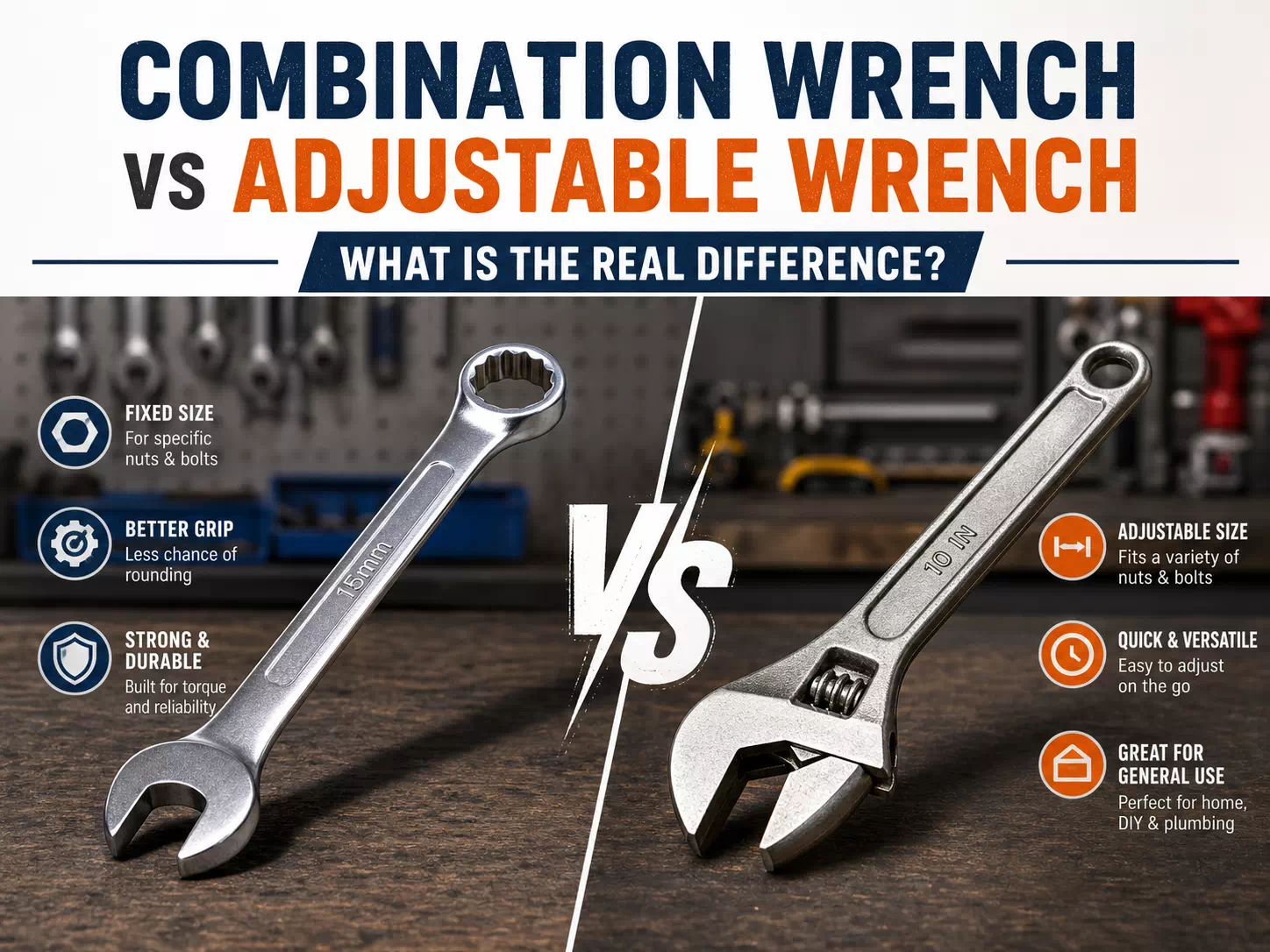
Combination Wrench vs Adjustable Wrench: What Is the Real Difference?
-

Deep Socket vs. Standard Socket: Which One Do You Need for Automotive Repair?
-

Socket Set vs. Wrench Set: Which Is Better for Automotive Repair?
-
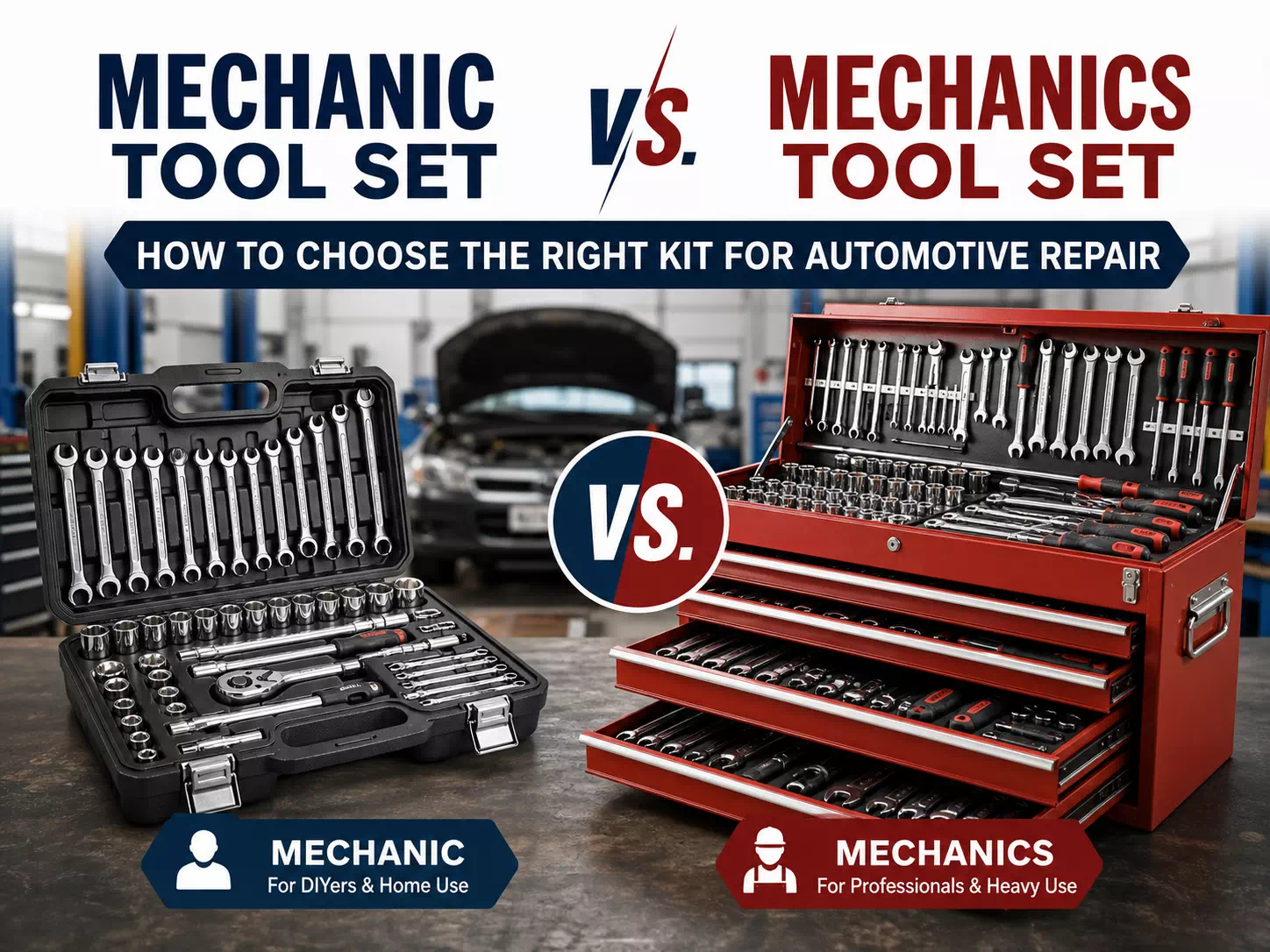
Mechanic Tool Set vs. Mechanics Tool Set: How to Choose the Right Kit for Automotive Repair
-
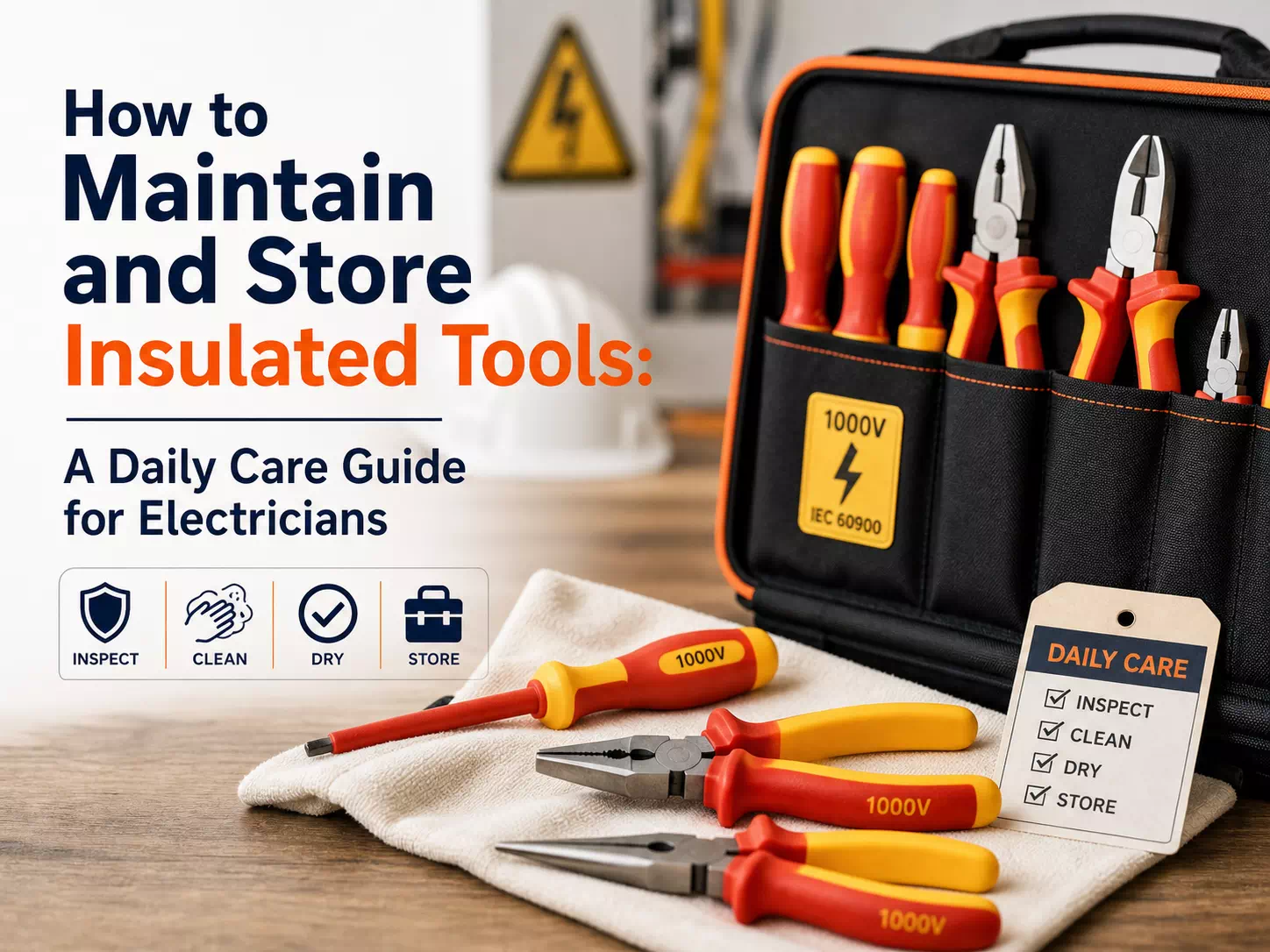
How to Maintain and Store Insulated Tools: A Daily Care Guide for Electricians