
- Dawei Metal 2026 Chinese New Year Special Offer: Gallop into Success with Upgraded Tools!
- Aluminum Alloy Combination Tool Set for Home, Automotive, and Repair Use
- Striking Tools: Types, Uses, and How to Choose the Right One
- Highest Quality Hand Tools: Inside the World's Most Trusted Tool Brands
- Why a Machete Saw Belongs in Your Outdoor Kit
Company:Shandong Dawei Metal Materials Co., Ltd.
Tel:+8615666285386
Email:dwhardwaretools@gmail.com
Address:Room 1413, Building 8, Shandong Steel Xintiandi Plaza, No. 61 Gongye South Road, High-tech Zone, Jinan City
Hardware Tools Quality Standards & Certifications: A Buyer's Guide
When sourcing hardware tools from China, quality and compliance are the foundation of successful purchasing. Without proper verification, buyers risk receiving products that fail in the field, get rejected by retailers, or create legal problems in regulated markets.
This guide explains what quality standards matter, which certifications are required, and how to verify supplier claims before placing orders.
What Defines Quality in Hardware Tools
Quality means different things for different product types. Here's what buyers should evaluate:
Hand Tools Quality Factors
Material: Chrome vanadium (Cr-V) steel for strength, carbon steel for hardness
Construction: Drop-forged for impact resistance
Heat treatment: Consistent hardness across batches
Surface finish: Chrome plating, anti-rust coating
Tolerances: Precision dimensions for wrenches, sockets, measuring tools
Power Tools Quality Factors
Motor quality: Brushless vs. brushed, power output consistency
Gear materials: Metal gears vs. plastic
Electronics: Control board reliability, thermal protection
Housing: Durable ABS, nylon, or aluminum construction
Battery system: Cell quality, charging safety, cycle life
Common Quality Problems
Buyers who skip quality verification often face:
Inconsistent hardness in hand tools
Motor failures in power tools
Overheating during normal use
Poor surface finish or rust
Premature wear of moving parts
High return rates from customers
Essential Certifications for Hardware Tools
CE Marking (European Market)
CE marking is mandatory for most hardware tools sold in the EU and EEA.
Relevant directives include:
Low Voltage Directive (LVD): For electrical tools
EMC Directive: Electromagnetic compatibility
Machinery Directive: For certain equipment types
Noise Directive: For power tools
What buyers should verify:
CE mark visible on product and packaging
Declaration of Conformity (DoC) available
Test reports from accredited laboratories
Documentation matches exact model ordered
RoHS Compliance
RoHS restricts hazardous substances in electrical and electronic equipment.
Affects:
Power tools and batteries
Chargers and adapters
Electronic components
Cables and connectors
Request RoHS compliance statements and material test reports from suppliers.
ISO 9001 Quality Management
ISO 9001 certification indicates the factory has documented quality systems for:
Production control
Supplier management
Inspection procedures
Corrective actions
ISO 9001 doesn't guarantee product quality, but shows basic systems exist.
Product-Specific Standards
Depending on tool type:
Hand Tools:
ISO 6787, 6788, 6789 series
ANSI/ASME standards (North America)
DIN standards (Germany)
Power Tools:
IEC 60745 series
UL certification (USA)
GS mark (Germany)
Batteries & Chargers:
UN38.3 (transport safety)
IEC 62133 (battery safety)
How to Verify Supplier Compliance
Request Complete Documentation
Ask for:
Original certificates (not photos)
Test reports with model numbers
Declaration of Conformity
Technical files if available
Verify Certificate Authenticity
Check issuing body is accredited
Confirm certificate covers your specific model
Verify expiration dates
Cross-reference lab accreditation
Red Flags to Watch
Generic certificates not matching your product
Expired or undated documents
Supplier cannot explain test scope
Reluctance to share original files
Certificates from unknown laboratories
Use Third-Party Verification
For important orders, consider:
Independent lab testing
Factory audits
Pre-shipment inspection
Quality Testing Buyers Should Request
Hand Tools Testing
Hardness testing (HRC)
Torque testing for wrenches
Dimensional accuracy
Surface finish inspection
Drop and impact tests
Power Tools Testing
Motor power and efficiency
Torque and speed accuracy
Heat resistance under load
Battery runtime and cycle life
Charging safety tests
Noise and vibration levels
Sample Evaluation Checklist
Before bulk orders, evaluate samples for:
Material quality and finish
Dimensional accuracy
Functional performance
Compliance markings
Packaging quality
Manual accuracy
Partner with Quality-Focused Suppliers
At our company, we understand that quality and compliance are non-negotiable for serious buyers.
What we provide:
Complete certification documentation
Test reports for all products
Factory QC procedures
Third-party inspection support
Transparent quality communication
Ready to source quality hardware tools?
Contact us for product specifications, certifications, and samples.
Browse our hardware tools range to see available products.
FAQ
What certifications do hardware tools need for Europe?
CE marking under relevant directives (LVD, EMC, Machinery) and RoHS compliance for electrical tools. Hand tools may need ISO standard compliance.
How can I verify if a supplier's certificates are real?
Request original documents, verify the issuing body is accredited, confirm certificate scope matches your product model, and check expiration dates.
What quality tests should I request for hand tools?
Hardness testing (HRC), torque testing, dimensional accuracy, surface finish inspection, and impact resistance testing.
Is ISO 9001 certification enough to guarantee quality?
No. ISO 9001 confirms quality systems exist but doesn't guarantee product performance. Always verify through samples and testing.
-
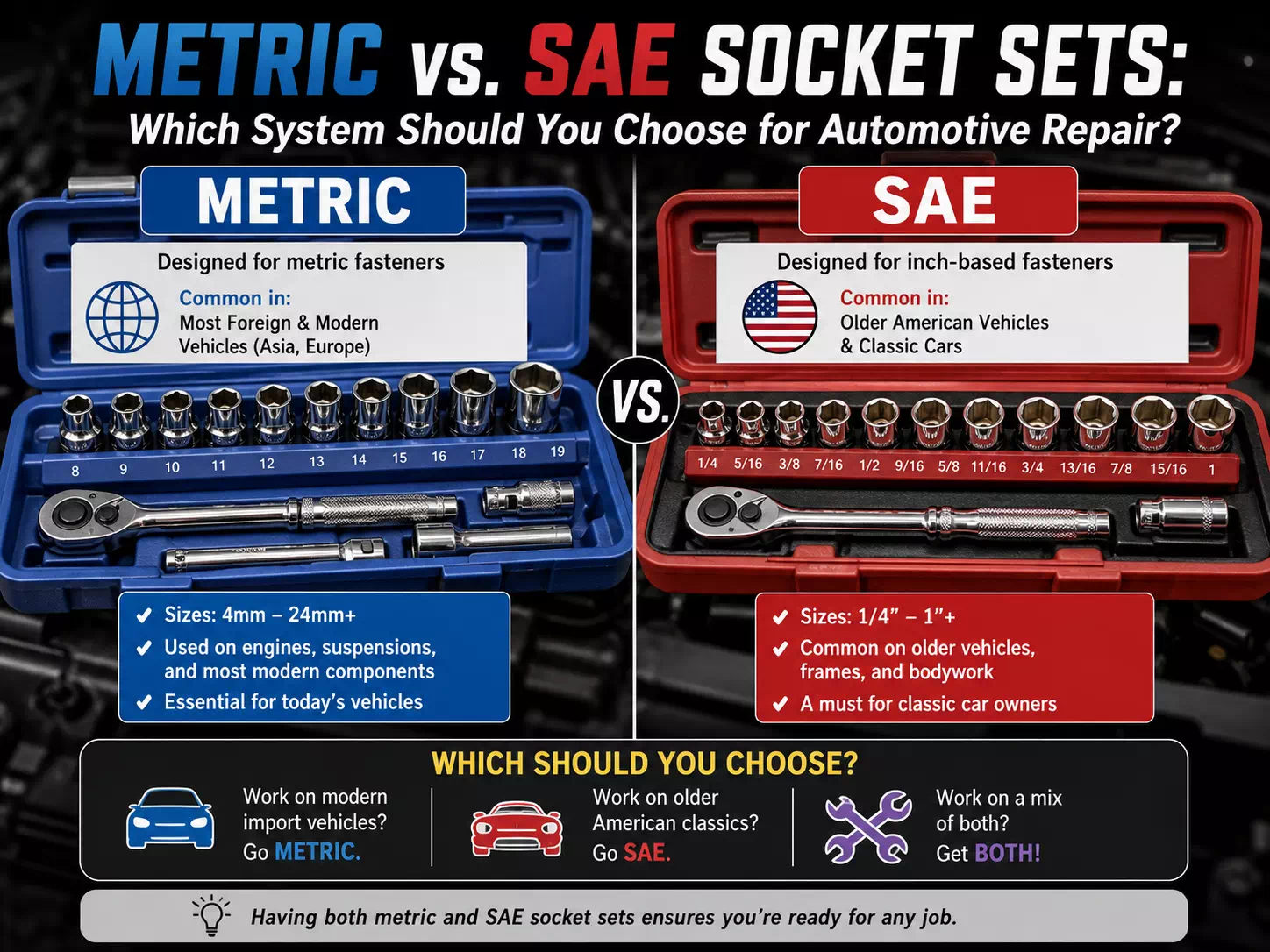
Metric vs. SAE Socket Sets: Which System Should You Choose for Automotive Repair?
-
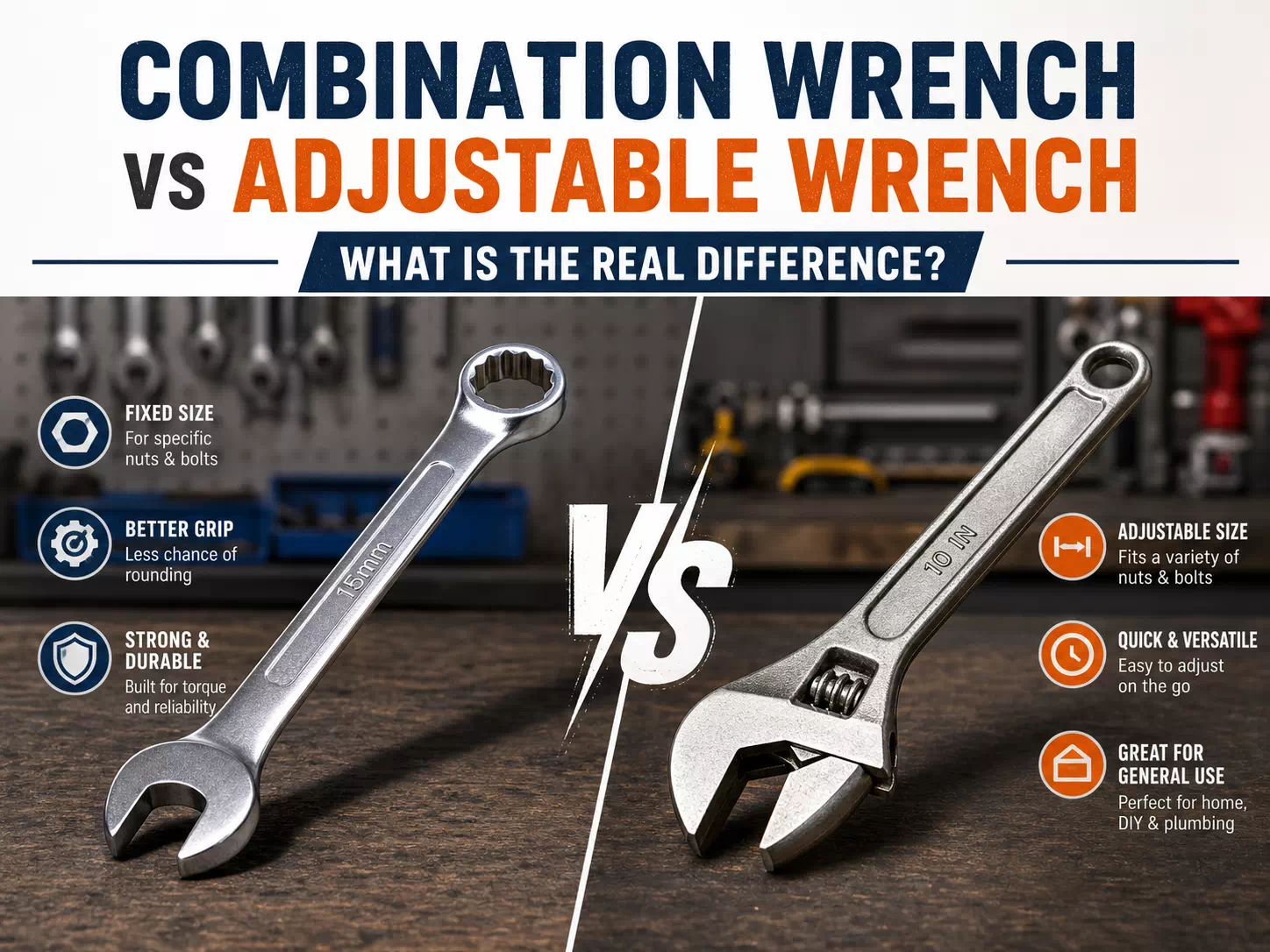
Combination Wrench vs Adjustable Wrench: What Is the Real Difference?
-
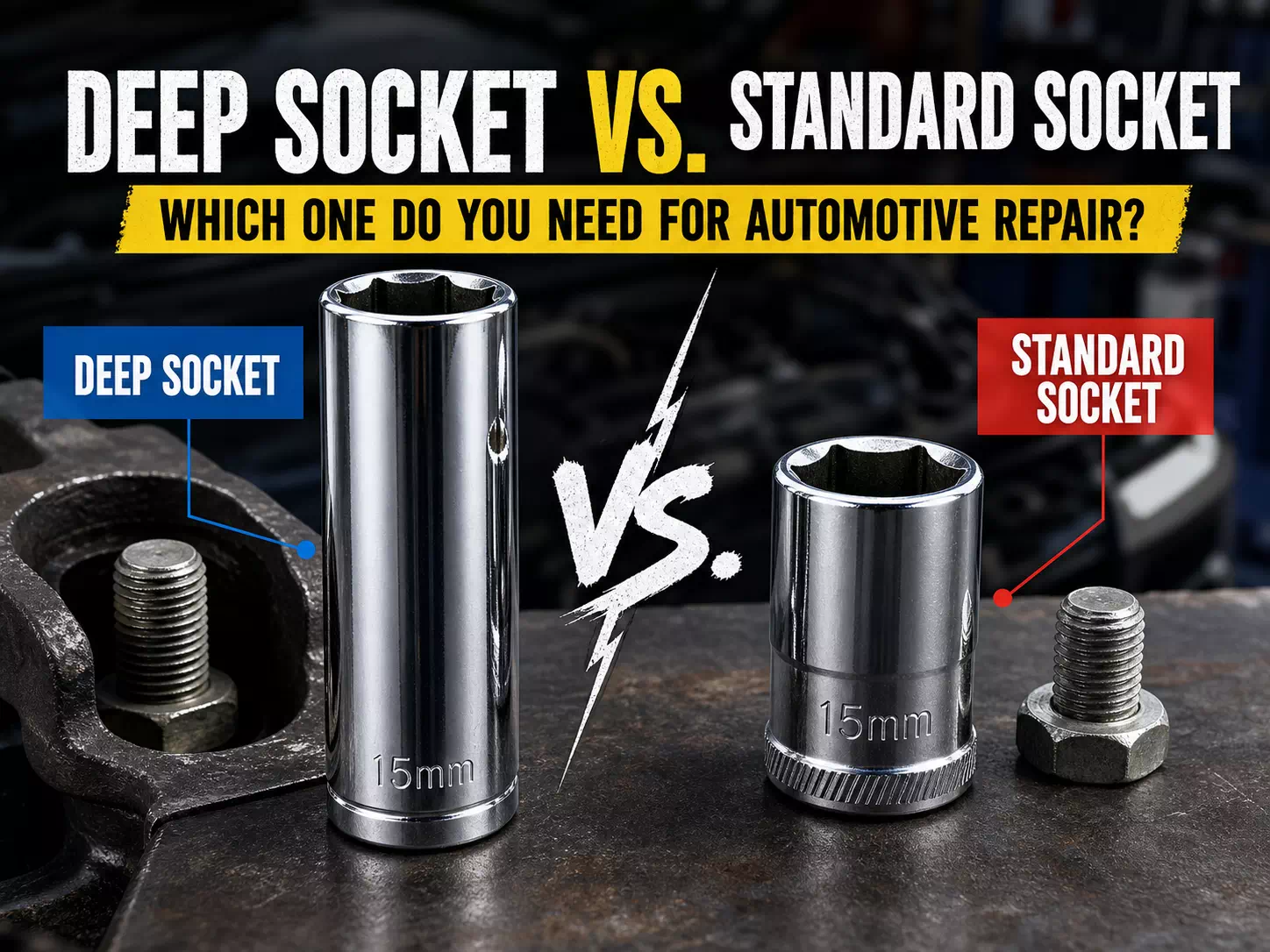
Deep Socket vs. Standard Socket: Which One Do You Need for Automotive Repair?
-

Socket Set vs. Wrench Set: Which Is Better for Automotive Repair?
-
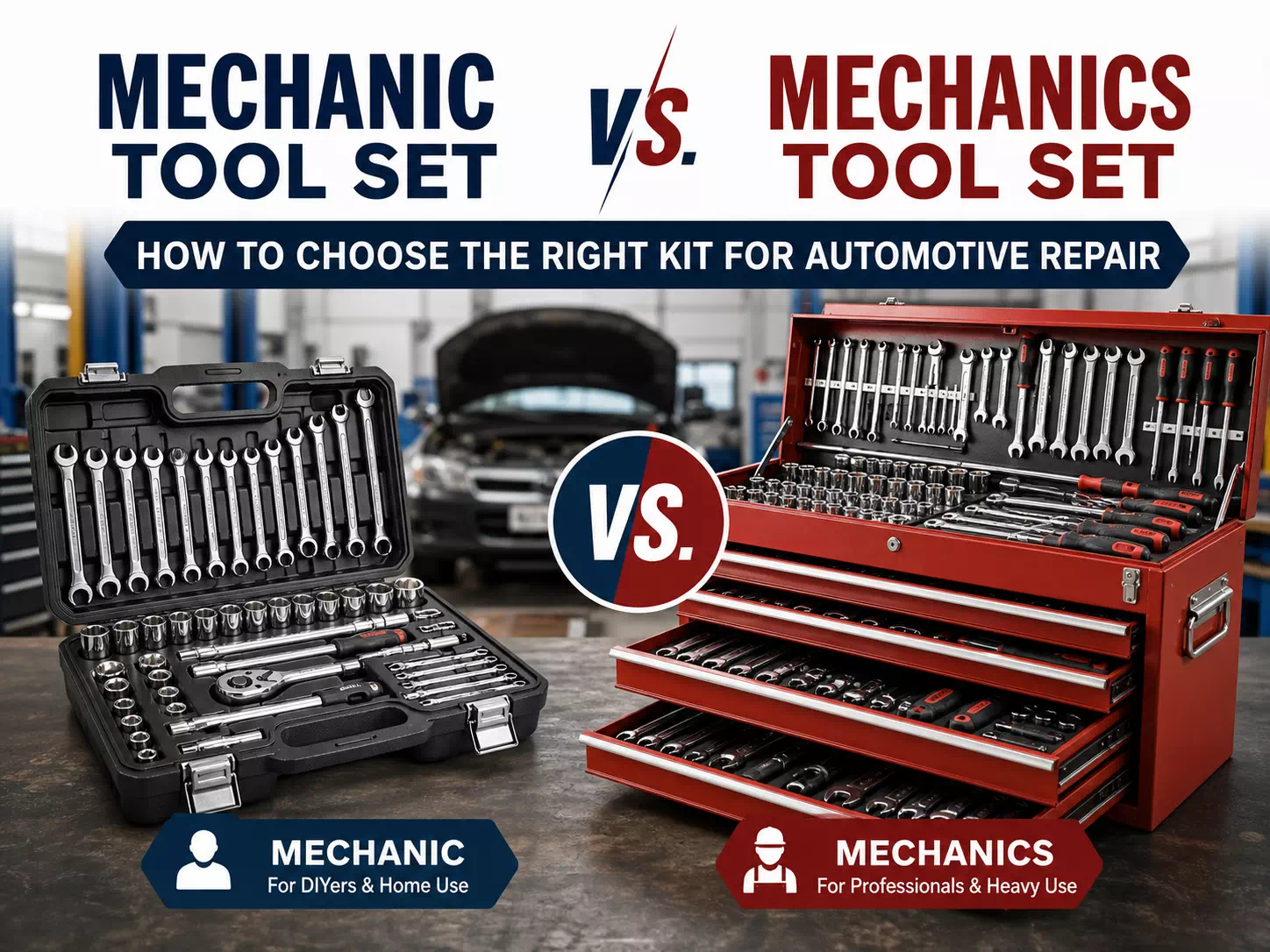
Mechanic Tool Set vs. Mechanics Tool Set: How to Choose the Right Kit for Automotive Repair
-
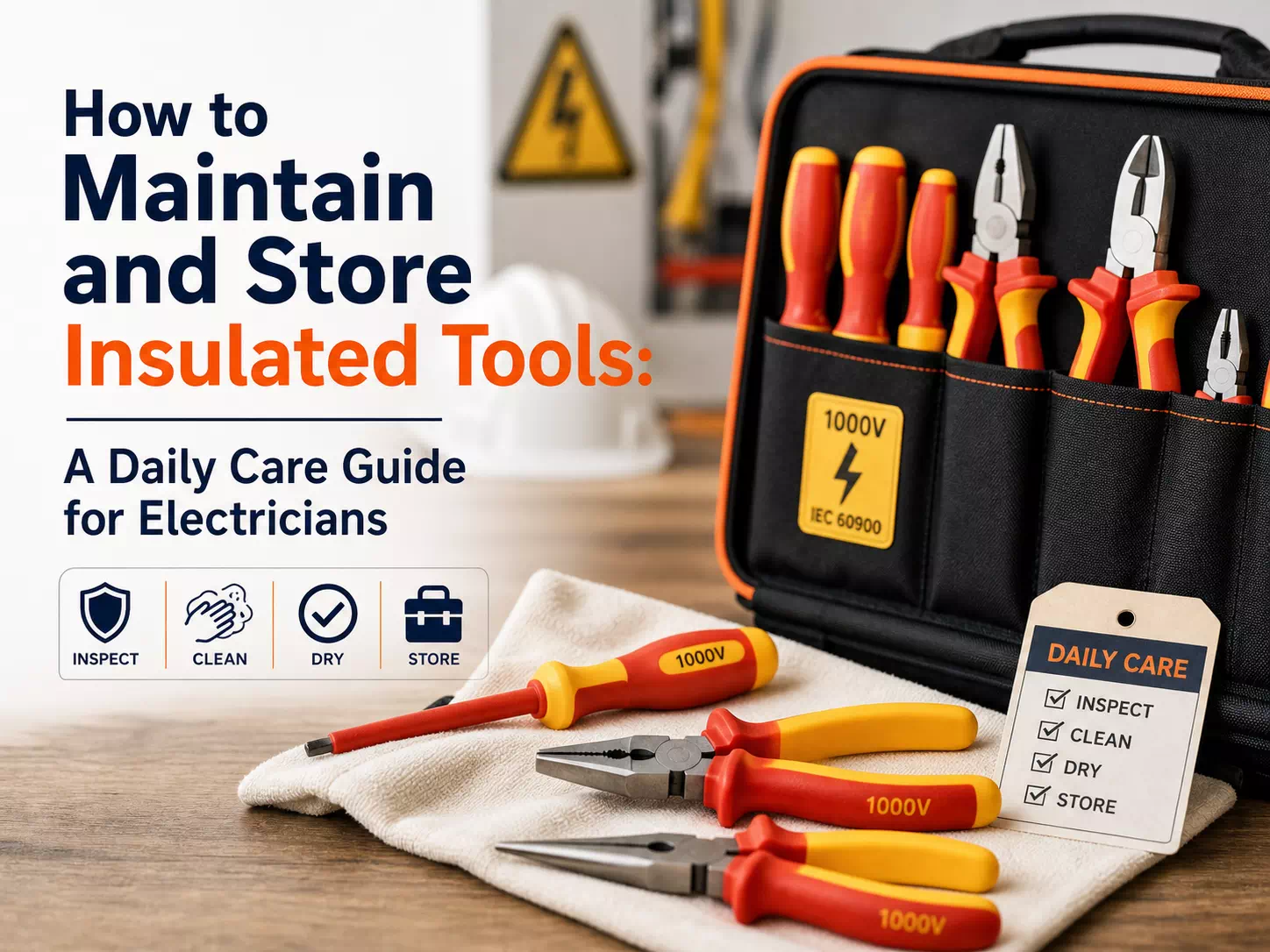
How to Maintain and Store Insulated Tools: A Daily Care Guide for Electricians