
- Dawei Metal 2026 Chinese New Year Special Offer: Gallop into Success with Upgraded Tools!
- Aluminum Alloy Combination Tool Set for Home, Automotive, and Repair Use
- Striking Tools: Types, Uses, and How to Choose the Right One
- Highest Quality Hand Tools: Inside the World's Most Trusted Tool Brands
- Why a Machete Saw Belongs in Your Outdoor Kit
Company:Shandong Dawei Metal Materials Co., Ltd.
Tel:+8615666285386
Email:dwhardwaretools@gmail.com
Address:Room 1413, Building 8, Shandong Steel Xintiandi Plaza, No. 61 Gongye South Road, High-tech Zone, Jinan City
Brushed vs Brushless Power Tools: 2026 Industry Guide
When users search for what are brushless tools or what is a brushless tool, they are not just looking for definitions—they want real performance comparisons, efficiency data, and practical buying advice.
This guide explains brushed vs brushless power tools, including working principles, real-world efficiency benchmarks, and which type is worth your investment in 2026.
What is a Brushless Tool?
A brushless tool is a power tool that uses an electronic controller instead of carbon brushes to transfer electrical energy inside the motor.
Unlike traditional motors, brushless systems rely on:
Electronic Control Units (ECU)
Magnetic sensors
Intelligent current switching
How Brushless Motors Work
In a brushed motor, carbon brushes physically contact a commutator to deliver electricity, which creates friction, heat, and energy loss.
In a brushless motor, the controller adjusts current flow electronically, allowing magnets to rotate the shaft without physical contact.
This results in:
Less friction
Higher efficiency
Longer lifespan
Expert Insight (2026 Trend): Modern brushless tools now feature smart controllers that automatically adjust torque based on material resistance, improving precision and reducing damage.
Brushed vs Brushless Power Tools Comparison
If you're choosing between the two, here is a real-world performance comparison:
| Feature | Brushed Tools | Brushless Tools |
|---|---|---|
| Energy Efficiency | 50% – 60% | 85% – 90% |
| Motor Lifespan | Shorter (brush wear) | Long-lasting |
| Maintenance | Required | Maintenance-free |
| Tool Size | Bulkier | Compact |
| Torque Control | Manual | Smart adjustment |
Why Efficiency Matters
Higher efficiency directly affects battery performance.
A brushless drill can:
Drive 35%–50% more screws per charge
Reduce battery overheating
Improve continuous working time
For users relying on cordless power tools, this translates into higher productivity and fewer interruptions.
Benefits of Brushless Tools in 2026
1. Intelligent Performance
Brushless tools can automatically adjust power output depending on the task:
Softwood → lower torque
Hardwood or concrete → higher torque
This prevents:
Screw stripping
Bit breakage
2. Lower Heat = Longer Battery Life
Heat is one of the biggest causes of lithium battery degradation.
Brushless motors:
Generate less heat
Extend battery lifespan
Improve long-term cost efficiency
3. Higher Power-to-Weight Ratio
With modern compact designs:
Brushless tools deliver more power in smaller sizes
Ideal for tight working environments
Easier handling for long-duration use
Buying Guide: Brushless or Brushed?
Choosing the right tool depends on your usage scenario.
Choose Brushed Tools if:
You are a casual DIY user
You use tools occasionally
You need a low-cost solution
You prefer simple repair options
Choose Brushless Tools if:
You are a professional contractor
You use tools daily
You need high efficiency and durability
You want long-term reliability with no maintenance
Frequently Asked Questions
Q1: What are brushless tools used for?
Brushless tools are widely used in:
Construction
Woodworking
Automotive repair
Industrial manufacturing
They are ideal for any application requiring efficiency and durability.
Q2: Can I use old batteries with brushless tools?
In most cases, yes.
Major brands design brushless tools to be compatible with existing battery platforms, especially in 18V and 20V systems.
Q3: Why are brushless tools more expensive?
The higher cost comes from:
Electronic control systems
High-quality magnets
Advanced engineering
However, they offer better long-term value due to durability and efficiency.
Q4: Do brushless tools last longer?
Yes.
Because there are no brushes to wear out, brushless motors typically last significantly longer than brushed motors.
Final Verdict
In the debate of brushed vs brushless power tools, brushless technology is the clear winner in 2026.
With improved efficiency, longer lifespan, and intelligent performance, brushless tools are no longer a premium option—they are becoming the industry standard.
If you are looking for reliability, performance, and long-term value, investing in brushless tools is the smarter choice.
- Pro:Hardware Tools Quality Standards & Certifications: A Buyer's Guide
- Next:Smart Power Saw Guide 2026: Fr
-
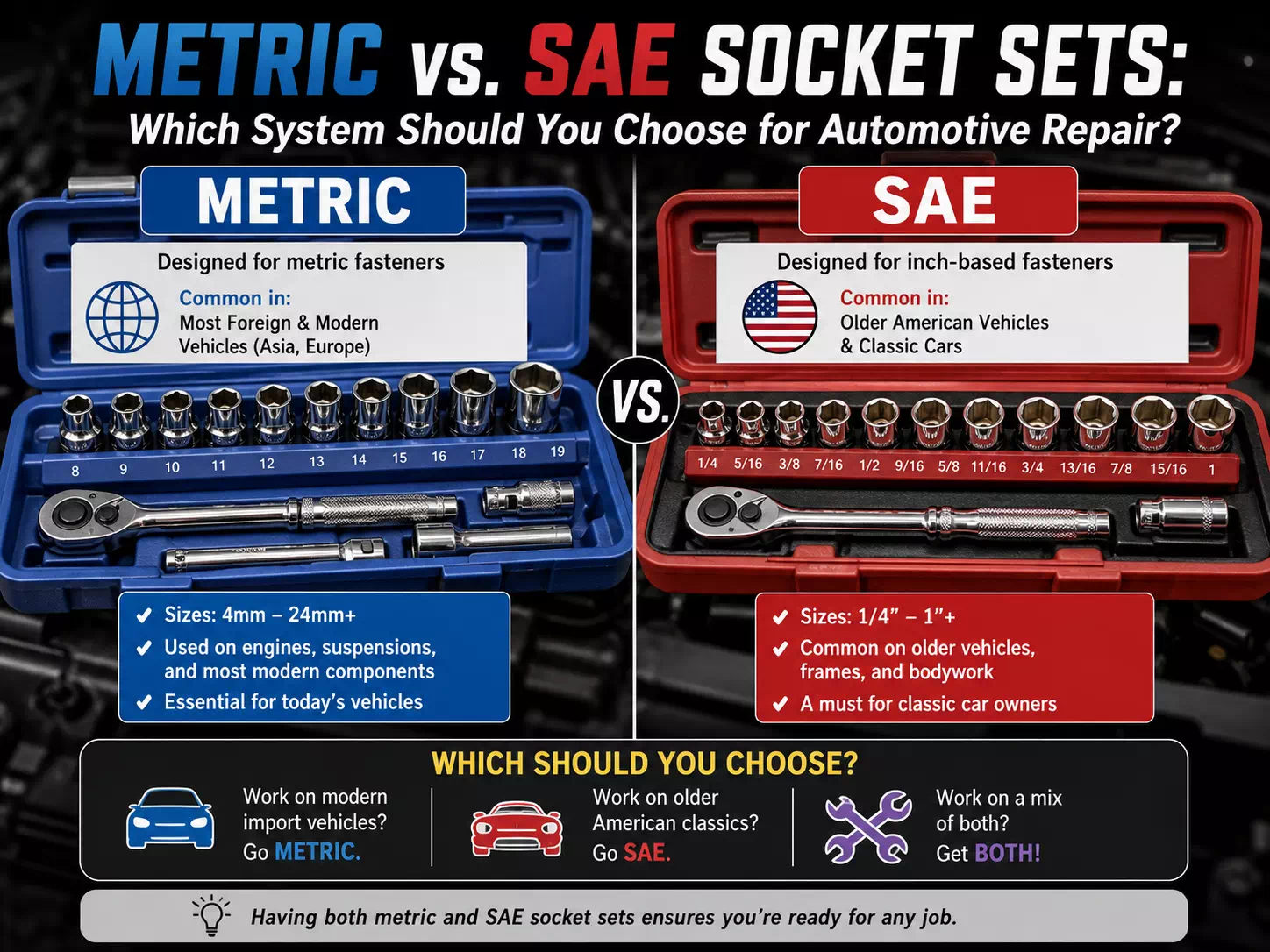
Metric vs. SAE Socket Sets: Which System Should You Choose for Automotive Repair?
-
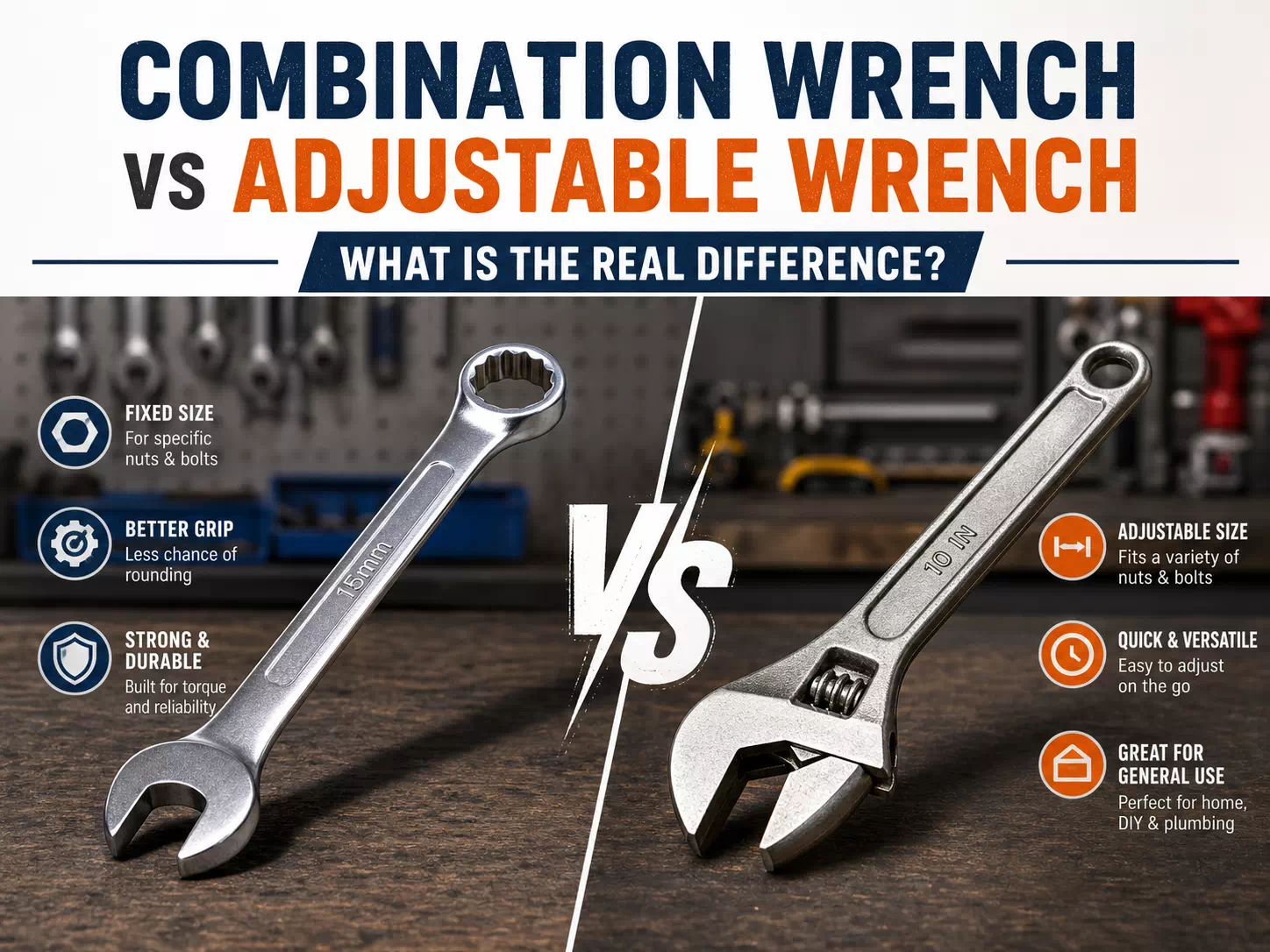
Combination Wrench vs Adjustable Wrench: What Is the Real Difference?
-
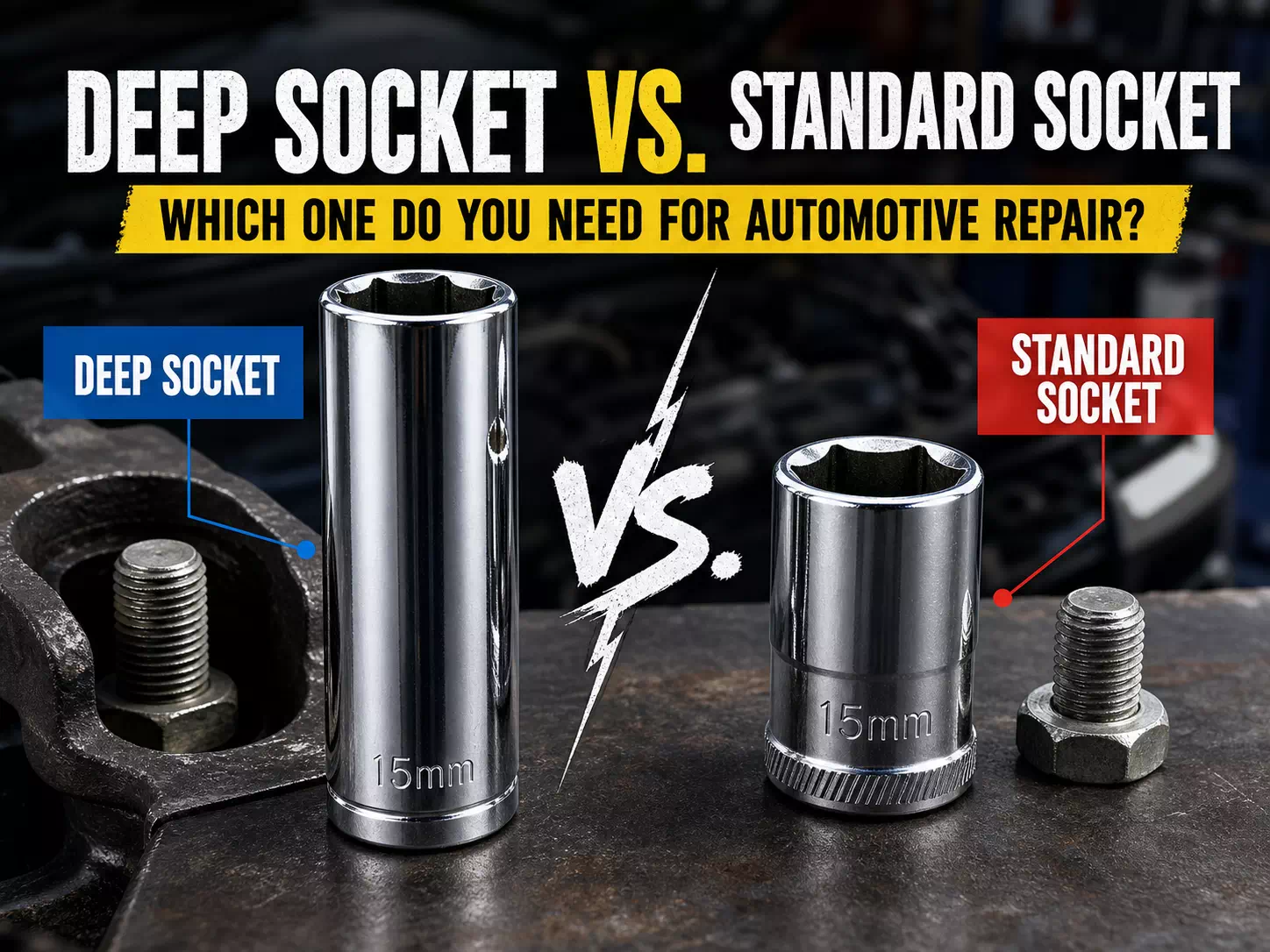
Deep Socket vs. Standard Socket: Which One Do You Need for Automotive Repair?
-

Socket Set vs. Wrench Set: Which Is Better for Automotive Repair?
-
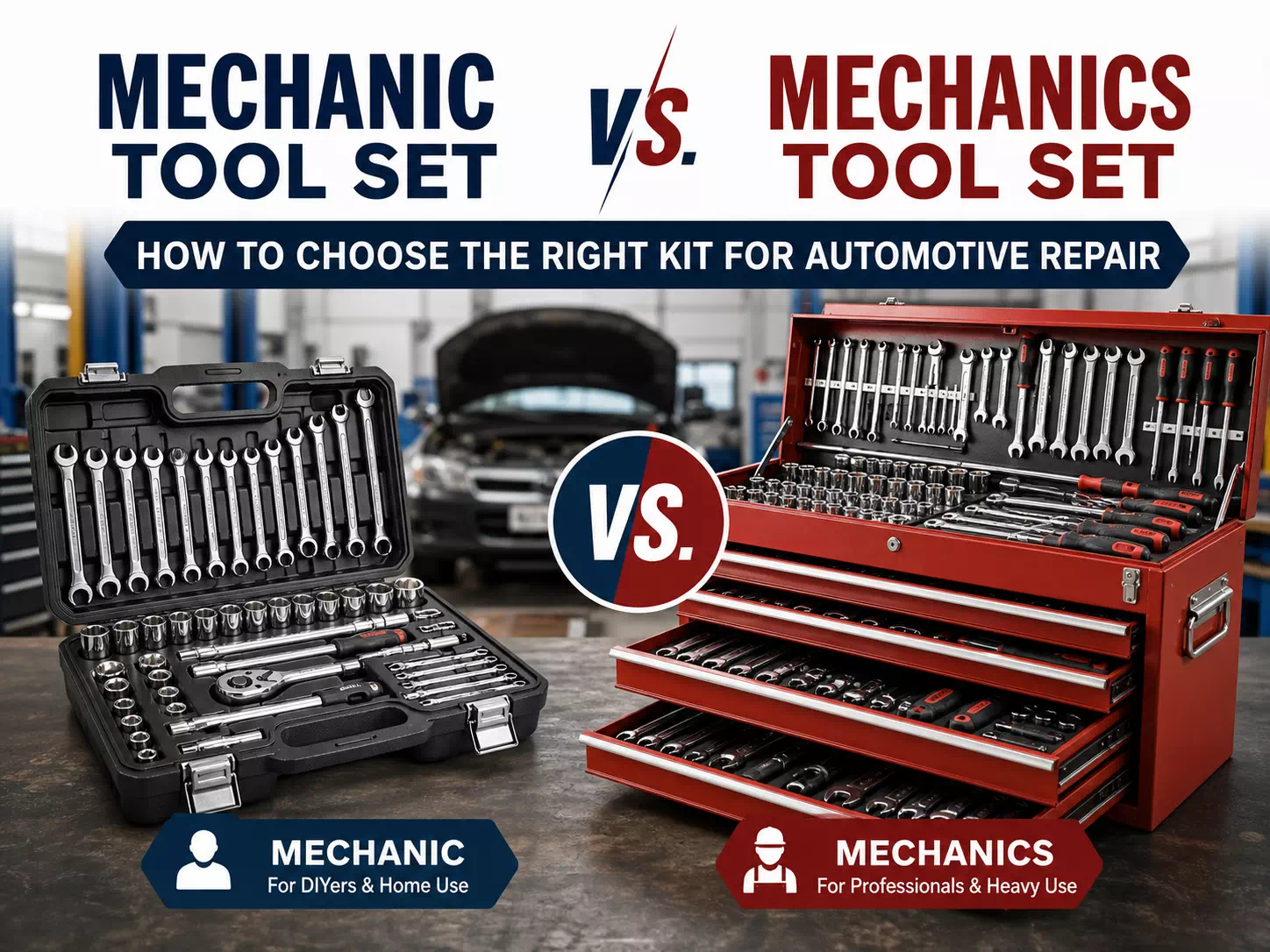
Mechanic Tool Set vs. Mechanics Tool Set: How to Choose the Right Kit for Automotive Repair
-
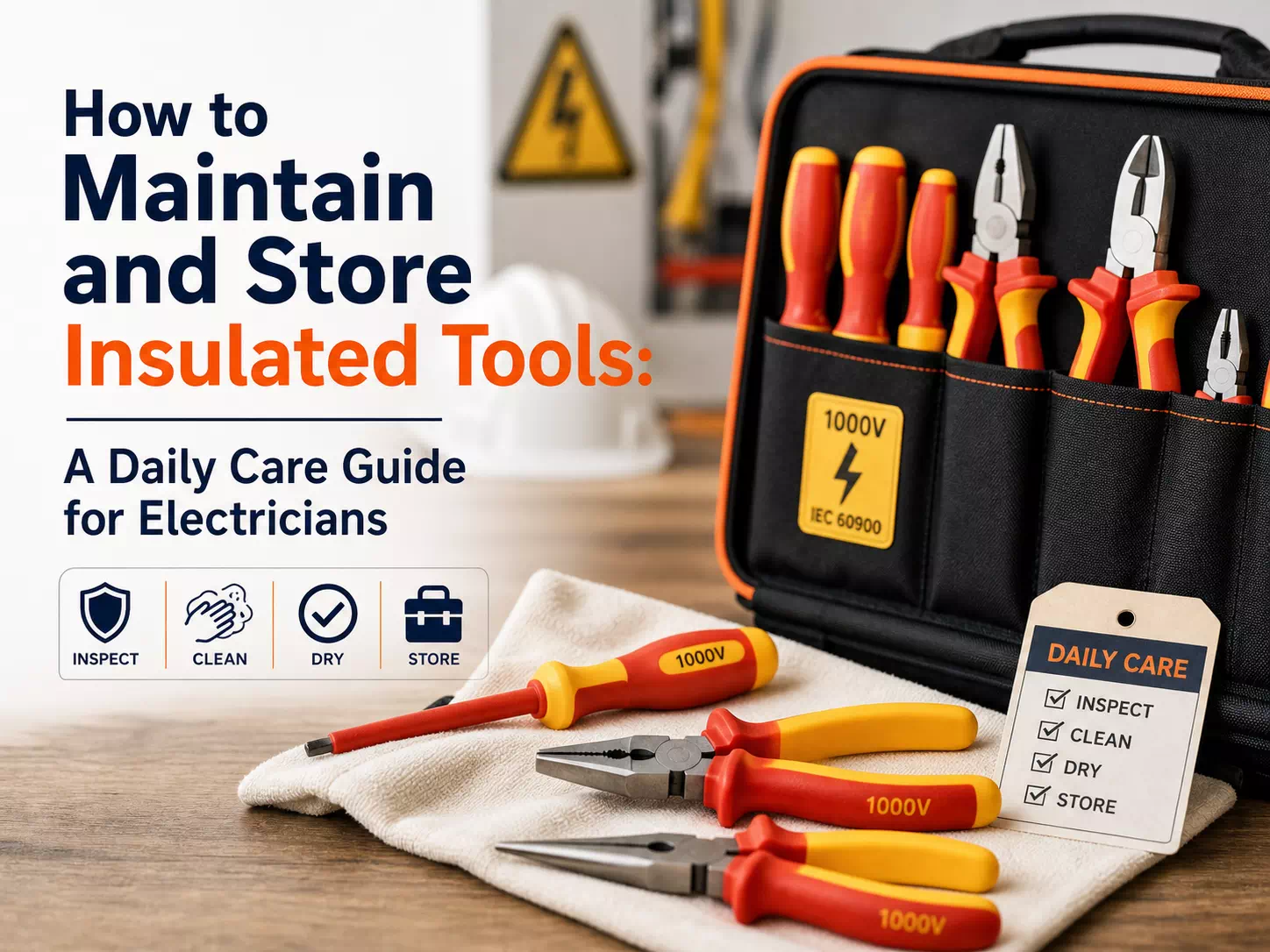
How to Maintain and Store Insulated Tools: A Daily Care Guide for Electricians