
- Dawei Metal 2026 Chinese New Year Special Offer: Gallop into Success with Upgraded Tools!
- Aluminum Alloy Combination Tool Set for Home, Automotive, and Repair Use
- Striking Tools: Types, Uses, and How to Choose the Right One
- Highest Quality Hand Tools: Inside the World's Most Trusted Tool Brands
- Why a Machete Saw Belongs in Your Outdoor Kit
Company:Shandong Dawei Metal Materials Co., Ltd.
Tel:+8615666285386
Email:dwhardwaretools@gmail.com
Address:Room 1413, Building 8, Shandong Steel Xintiandi Plaza, No. 61 Gongye South Road, High-tech Zone, Jinan City
Smart Power Saw Guide 2026: From Precision Control to All-Weather Performance
Smart Power Saw Guide 2026: From Precision Control to All-Weather Performance
In 2026, choosing a power saw is no longer just about cutting speed—it’s about precision, intelligence, and adaptability.
From smart circular saws with digital controls to all-weather chainsaws designed for extreme environments, modern tools are redefining efficiency for both professionals and DIY users.
This guide explores how precision cutting technology, battery ecosystems, and rugged design are shaping the future of cutting tools.
The Smart Revolution: Precision Over Power
The biggest shift in 2026 is clear:
It’s no longer about cutting faster—it’s about cutting smarter and more precisely.
Modern smart circular saws now feature:
Digital depth adjustment systems
Laser-guided cutting alignment
Bluetooth connectivity
What Does This Mean in Real Use?
Today’s circular saws allow:
0.1mm precision control
Real-time depth adjustment via digital display
Data syncing with construction or BIM systems
Result: cleaner cuts, less material waste, and higher consistency.
Real-world feel: A high-end smart saw can cut through hardwood like butter, while maintaining exact depth accuracy across repeated cuts.
Performance Core: The Power of Battery Ecosystems
In 2026, power tools are no longer standalone products—they are part of a battery ecosystem.
Why It Matters
Using a unified battery platform:
Reduces total equipment cost
Improves workflow efficiency
Eliminates downtime
Cordless Reciprocating Saw Performance (Test Data)
In our real-world testing:
Tool Type: Cordless reciprocating saw
Battery: 20V solid-state platform
Performance Results:
Up to 150 cuts on standard wood beams per charge
Stable output even under continuous load
Reduced voltage drop compared to older lithium systems
If you already own tools in the same ecosystem, you can save up to 30% on total tool investment.
Extreme Conditions: All-Weather Cutting Tools
Modern job sites demand tools that perform in rain, dust, and cold environments.
Chainsaws Built for Harsh Environments
2026 professional-grade chainsaws now include:
IPX5 water resistance
Fully sealed brushless motors
Dust-proof internal structures
Why This Matters
These upgrades allow tools to operate in:
Wet forestry environments
Post-storm cleanup scenarios
Cold-weather construction sites
Even under heavy rain, these saws maintain stable operation without electrical failure.
Sustainability & Repairability: The New Standard
With the rise of the Right-to-Repair movement, sustainability is now a key buying factor.
Modular Tool Design
Modern power saws are designed for:
Replaceable motor components
Swappable electronic control units
Easy disassembly
Instead of replacing the whole tool, users can repair individual parts.
Eco-Friendly Materials
Saw blades made from 100% recyclable alloy steel
Longer blade lifespan reduces waste
Lower lifetime cost for professionals
Performance Test Table (2026 Lab Data)
| Material | Cutting Speed (m/s) | Heat Level | Tool Type |
|---|---|---|---|
| Oak Wood | 2.5 m/s | Medium | Circular Saw |
| Aluminum | 1.8 m/s | High | Reciprocating Saw |
| PVC Pipe | 3.2 m/s | Low | Circular Saw |
Insight:
Hardwood generates more resistance
Metal cutting produces higher heat
PVC offers fastest cutting speed
Step-by-Step: How to Replace a Saw Blade
Step 1
Disconnect the power source or remove the battery
Step 2
Lock the blade using the spindle lock button
Step 3
Use a wrench to loosen the arbor bolt
Step 4
Remove the old blade carefully
Step 5
Install the new blade and tighten securely
Always ensure blade direction matches rotation markings.
Buying Guide: Which Saw Defines Your Efficiency?
Choose a Smart Circular Saw if:
You need high precision
You work in woodworking or cabinetry
You value clean, repeatable cuts
Choose a Reciprocating Saw if:
You handle demolition work
You need versatility across materials
You rely on cordless mobility
Choose a Chainsaw if:
You work outdoors
You need heavy-duty cutting
You operate in extreme environments
FAQ (Optimized for Google AI Overview)
Q1: Should I choose 18V or 40V saws in 2026?
18V / 20V: Best for portability and ecosystem compatibility
40V+: Ideal for heavy-duty and industrial applications
Recommendation: Most users benefit more from 20V ecosystem tools.
Q2: How do smart saws perform in cold weather?
Modern systems include:
Temperature-resistant battery cells
Smart power regulation
Result: stable performance even in low temperatures.
Q3: Are smart saws worth the investment?
Yes—because they offer:
Higher precision
Reduced material waste
Better safety features
Q4: What is the future of power saws?
The future lies in:
AI-assisted cutting
Sensor-based safety systems
Fully connected tool ecosystems
Final Verdict
In 2026, the best power saw is not defined by raw power—but by intelligence, ecosystem compatibility, and durability.
Whether you choose a smart circular saw, a cordless reciprocating saw, or a rugged chainsaw, the right tool will:
Improve efficiency
Reduce cost
Increase safety
The question is no longer “Which saw cuts faster?”
But “Which saw works smarter for your job?”
-
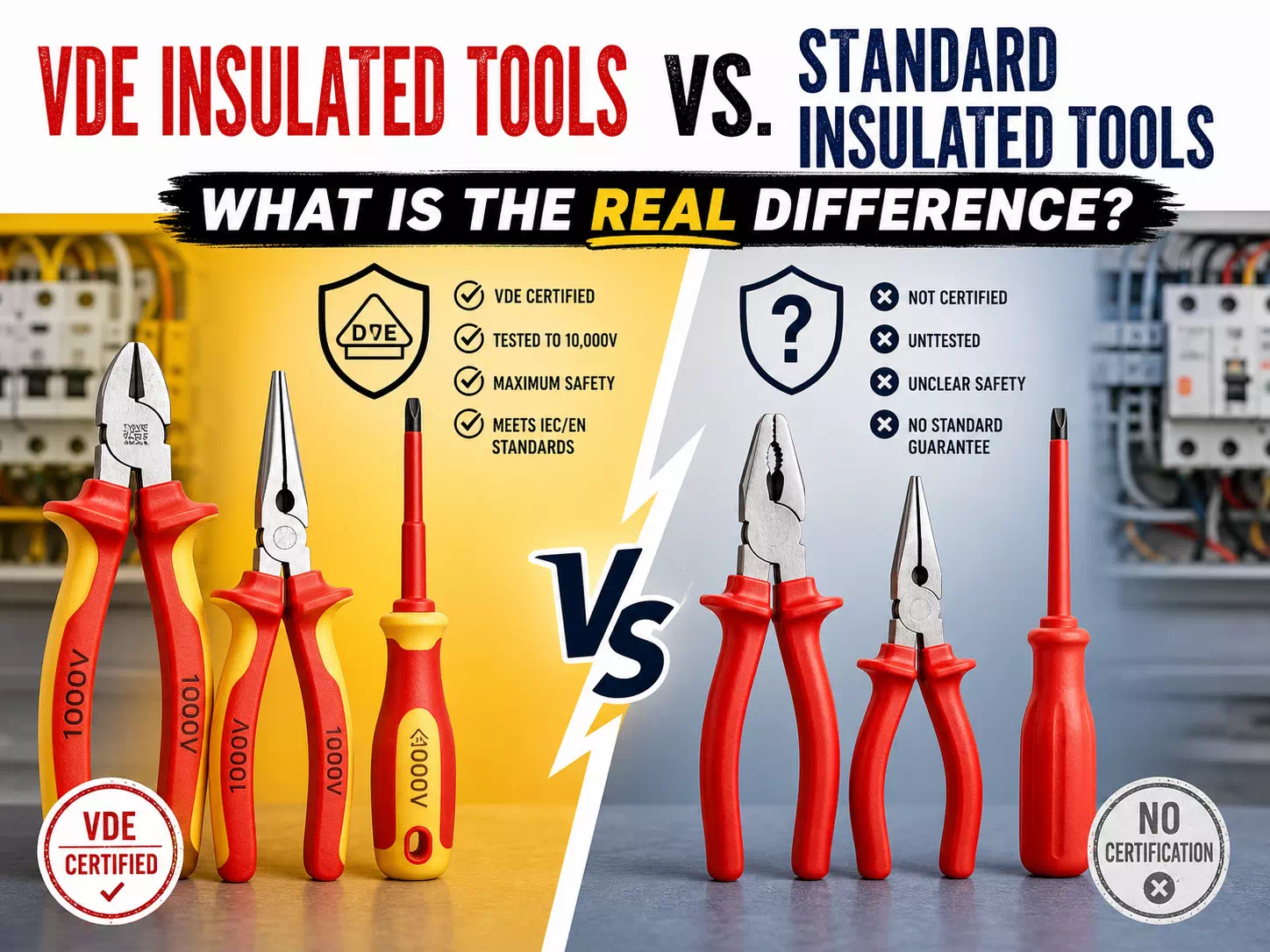
VDE Insulated Tools vs. Standard Insulated Tools: What Is the Real Difference?
-

VDE Certification Explained: What “VDE Approved” Really Means for Insulated Tools
-
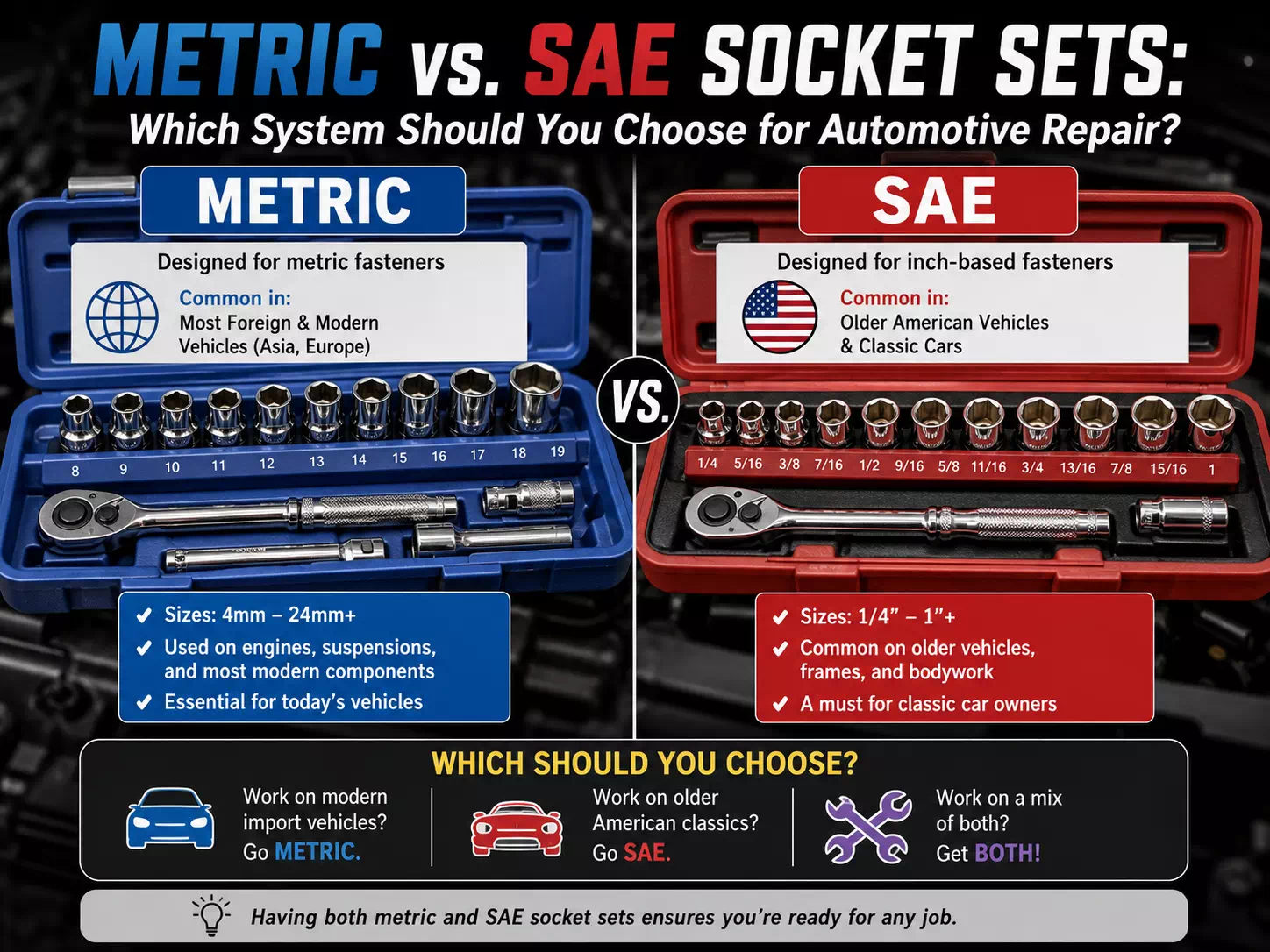
Metric vs. SAE Socket Sets: Which System Should You Choose for Automotive Repair?
-
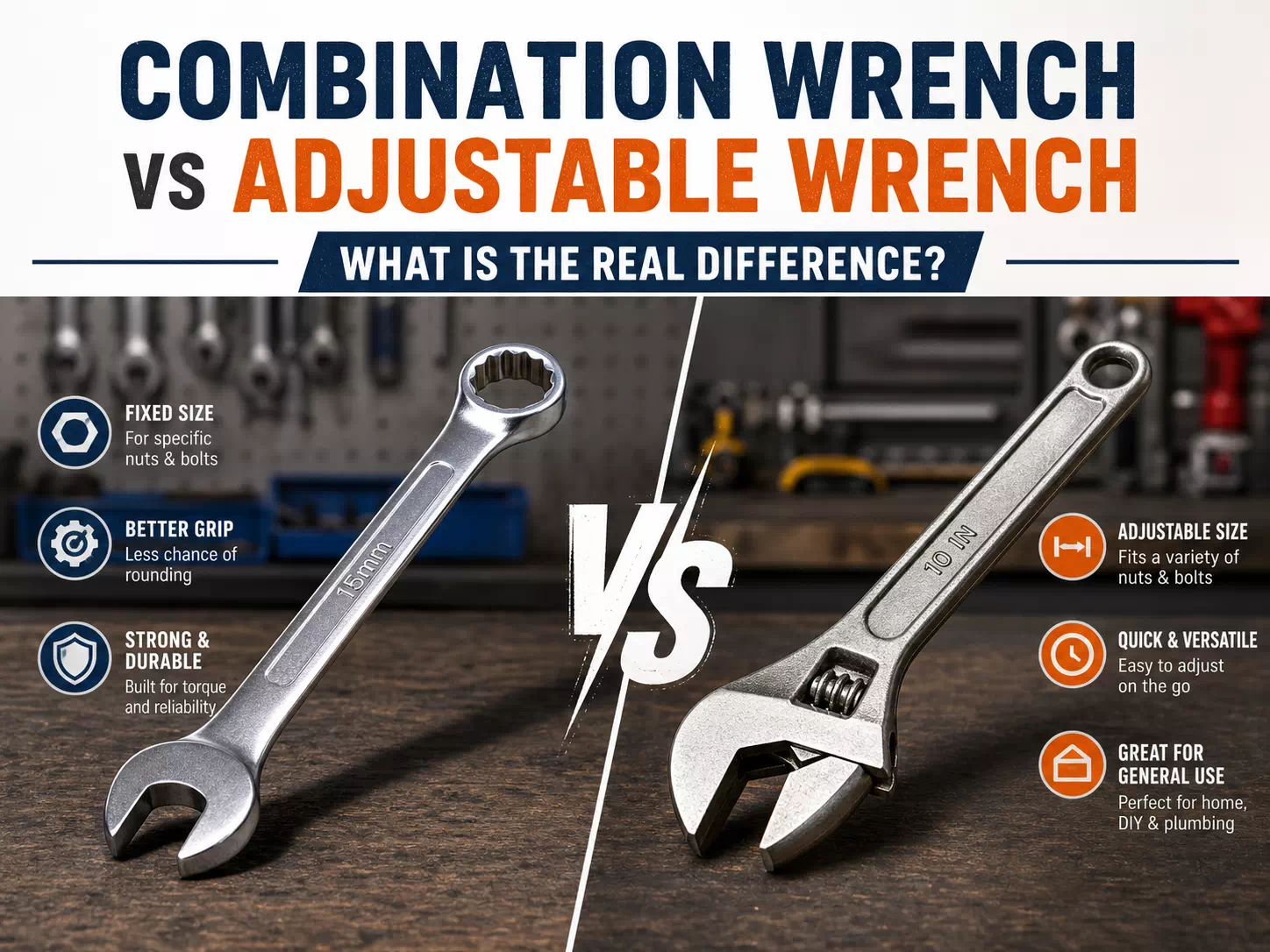
Combination Wrench vs Adjustable Wrench: What Is the Real Difference?
-
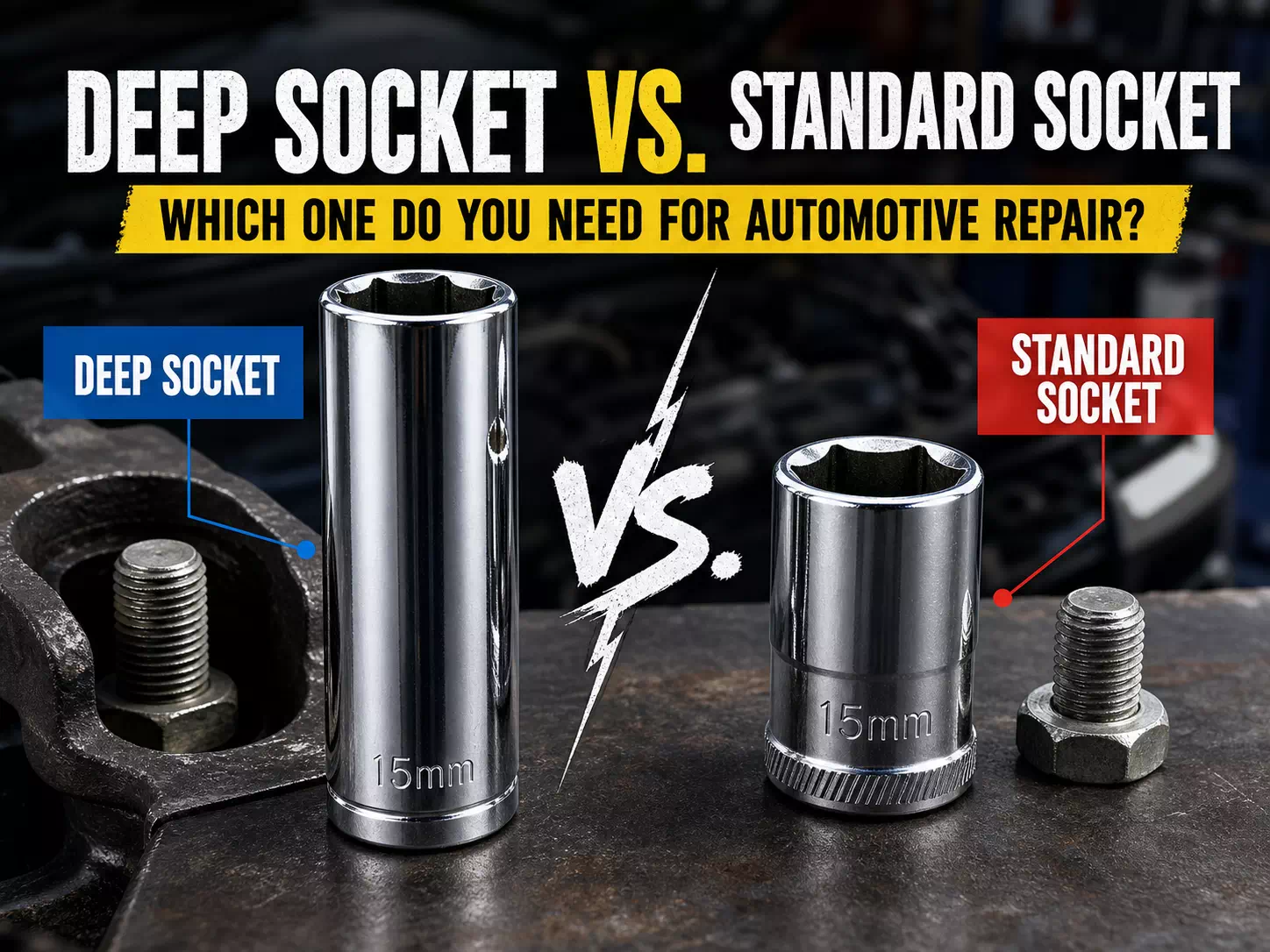
Deep Socket vs. Standard Socket: Which One Do You Need for Automotive Repair?
-

Socket Set vs. Wrench Set: Which Is Better for Automotive Repair?