
- Dawei Metal 2026 Chinese New Year Special Offer: Gallop into Success with Upgraded Tools!
- Aluminum Alloy Combination Tool Set for Home, Automotive, and Repair Use
- Striking Tools: Types, Uses, and How to Choose the Right One
- Highest Quality Hand Tools: Inside the World's Most Trusted Tool Brands
- Why a Machete Saw Belongs in Your Outdoor Kit
Company:Shandong Dawei Metal Materials Co., Ltd.
Tel:+8615666285386
Email:dwhardwaretools@gmail.com
Address:Room 1413, Building 8, Shandong Steel Xintiandi Plaza, No. 61 Gongye South Road, High-tech Zone, Jinan City
Common Types of Fastening Tools and Their Applications: Screws, Bolts, Nuts and Rivets Guide
Common Types of Fastening Tools and Their Applications: Screws, Bolts, Nuts and Rivets Guide
Fastening tools are essential in almost every repair, assembly, construction and maintenance job. Whether you are tightening screws, installing bolts, adjusting nuts, fixing rivets or assembling machinery, choosing the right fastening tools can improve work efficiency, reduce damage to fasteners and make the job safer.
Many users search for Fastening Tools, tool fasteners, or tools for fasteners because they want to know which tool should be used for different types of screws, bolts, nuts and rivets. For workshops, hardware stores, contractors, automotive repair centers and industrial maintenance teams, understanding the relationship between fasteners and fastening tools is important for choosing the correct tool set.
This guide explains the common types of fastening tools, their applications, and how to choose the right fastening tool set for different work environments.
What Are Fastening Tools?
Fastening tools are tools used to install, tighten, loosen, remove or adjust fasteners. Fasteners are hardware components used to join two or more objects together.
Common fasteners include:
Screws
Bolts
Nuts
Rivets
Anchors
Washers
Clamps
Threaded rods
Self-tapping screws
Machine screws
Common fastening tools include:
Screwdrivers
Ratchet screwdrivers
Wrenches
Spanners
Socket tools
Ratchet wrenches
Pliers
Rivet guns
Torque wrenches
Allen keys
Nut drivers
In simple terms, fasteners are the parts that hold materials together, while fastening tools are the tools used to install or remove those parts.
Fastening Tools vs Fasteners: What Is the Difference?
Many buyers confuse fastening tools with fasteners. They are closely related, but they are not the same.
Item | Meaning | Examples |
Fasteners | Parts used to join materials together | Screws, bolts, nuts, rivets, anchors |
Fastening Tools | Tools used to install or remove fasteners | Screwdrivers, wrenches, sockets, rivet guns |
Tool Fasteners | A search term often used by buyers looking for tools used with fasteners | Screwdriver sets, wrench sets, socket sets |
If a customer searches for tool fasteners, they may actually be looking for fastening tools used for common fasteners such as screws, bolts and nuts. For this reason, product pages and blog content should explain both the fastener type and the matching tool.
Quick Guide: Which Fastening Tool Is Used for Each Fastener?
The right tool depends on the fastener type, size, material and application.
Fastener Type | Recommended Fastening Tools | Common Applications |
Screws | Screwdrivers, ratchet screwdrivers, power screwdrivers | Furniture assembly, electrical work, home repair |
Bolts | Wrenches, socket tools, ratchet wrenches | Machinery, automotive repair, construction |
Nuts | Spanners, combination wrenches, sockets | Mechanical repair, equipment maintenance |
Rivets | Hand riveter, rivet gun | Sheet metal, roofing, panels, construction |
Hex socket screws | Allen keys, hex key sets | Machinery, bicycles, furniture, equipment |
Anchors | Screwdrivers, socket tools, impact drivers | Wall installation, construction, mounting |
Clamps | Pliers, locking pliers | Repair, installation, temporary holding |
Precision screws | Precision screwdriver set | Electronics, instruments, small devices |
This table helps users quickly understand which tools for fasteners are suitable for different jobs.
1. Screwdrivers for Screws
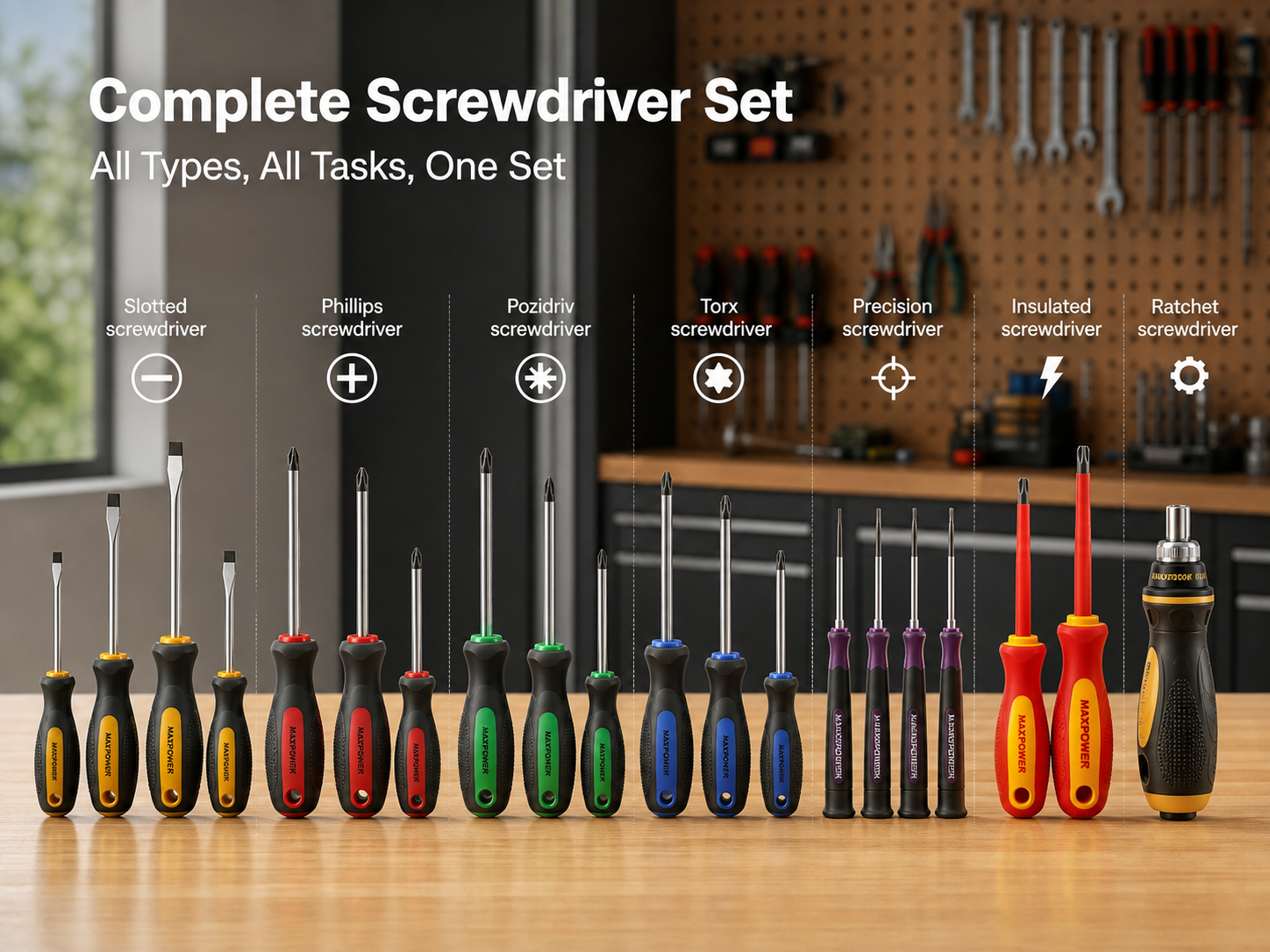
Screwdrivers are among the most common hand fastening tools. They are used to tighten or loosen screws in furniture, machines, electrical products, household items and many other applications.
Common Screwdriver Types
Slotted screwdriver
Phillips screwdriver
Pozidriv screwdriver
Torx screwdriver
Precision screwdriver
Insulated screwdriver
Ratchet screwdriver
Applications
Screwdrivers are widely used for:
Furniture assembly
Electrical installation
Home repair
Appliance maintenance
Machinery adjustment
Cabinet installation
DIY projects
Why Screwdriver Size Matters
Using the wrong screwdriver size can damage the screw head. A screwdriver that is too small may slip, while a screwdriver that is too large may not fit properly.
For professional users, a screwdriver set is more practical than a single tool because it includes different tip types and sizes for different fasteners.
2. Ratchet Screwdrivers for Faster Fastening
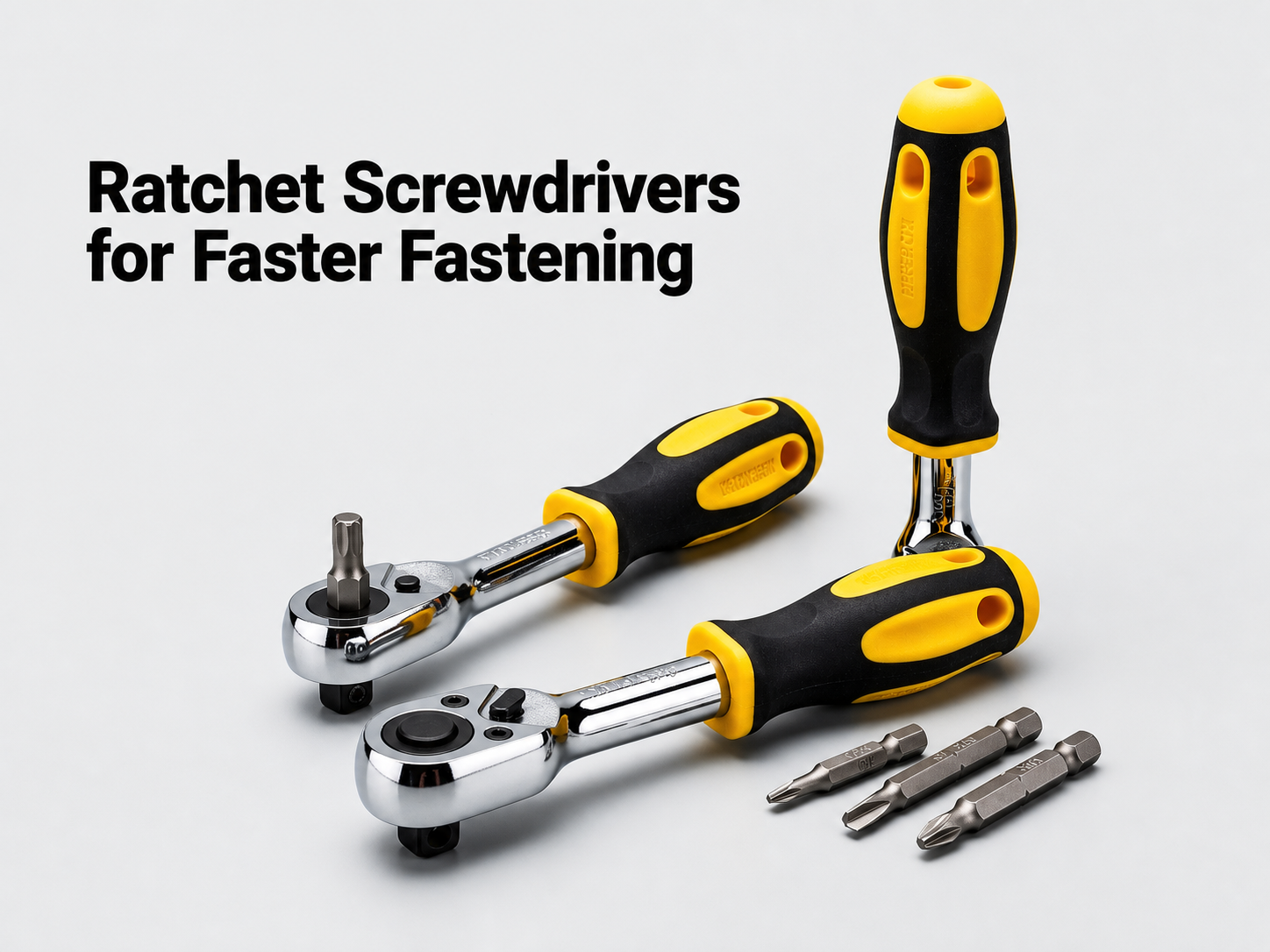
A ratchet screwdriver is designed with a ratcheting mechanism that allows users to turn screws without removing and repositioning the tool after each rotation. This makes fastening work faster and more comfortable.
Advantages of Ratchet Screwdrivers
Faster screw driving
Less wrist movement
Better working efficiency
Suitable for repetitive tasks
Often compatible with interchangeable bits
Common Applications
Ratchet screwdrivers are useful for:
Assembly work
Maintenance jobs
Household repair
Furniture installation
Electrical panel work
Tool kits and toolbox sets
For users who frequently install or remove screws, a ratchet screwdriver is a useful addition to a fastening tool set.
3. Wrenches and Spanners for Bolts and Nuts
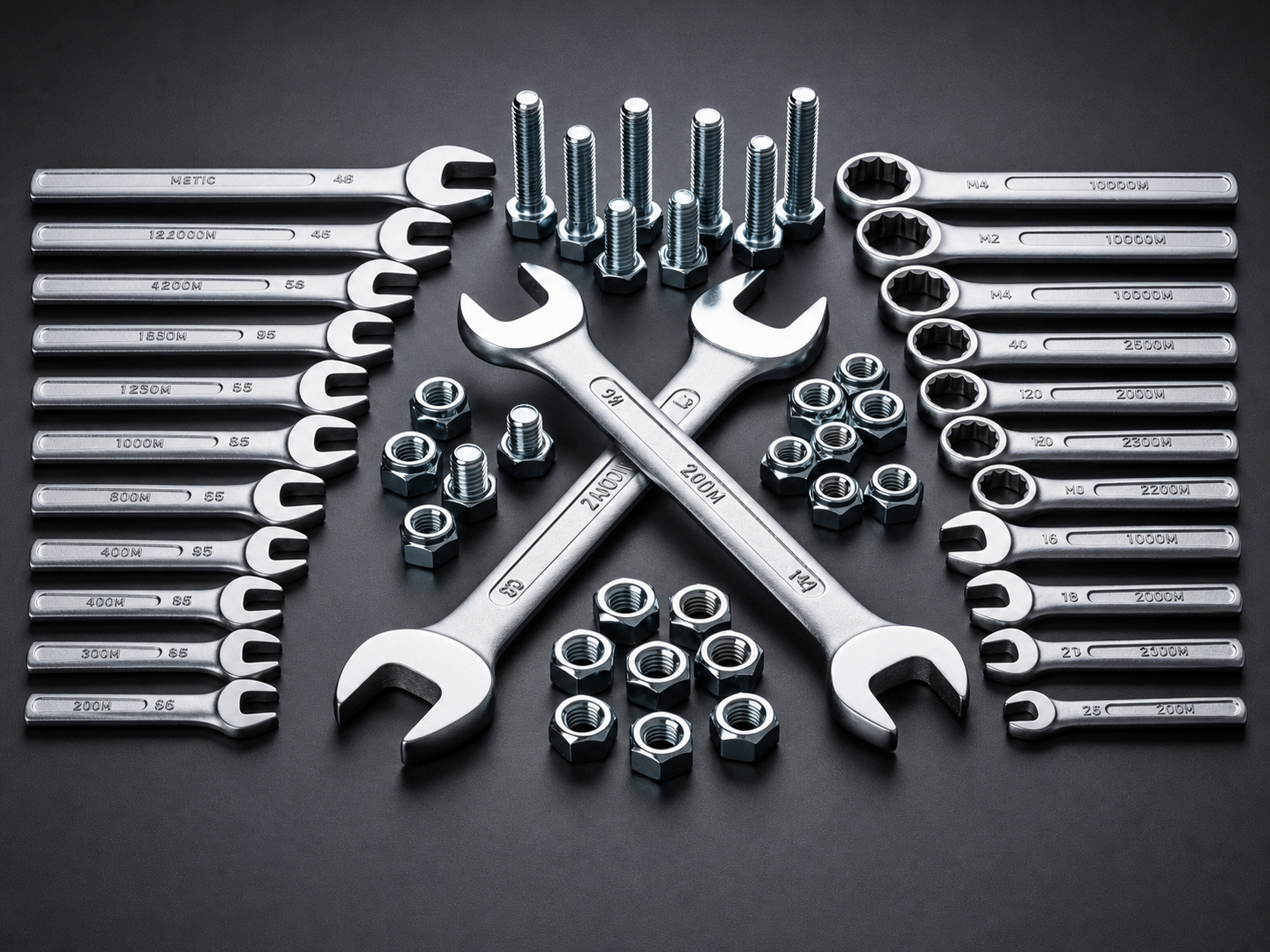
Wrenches and spanners are used to tighten or loosen bolts and nuts. They are essential fastening tools for mechanical repair, automotive maintenance, construction work and industrial assembly.
Depending on the market, users may search for “wrench,” “spanner,” or “spanner wrench.” These tools are commonly used for similar fastening applications.
Common Wrench and Spanner Types
Open-end wrench
Ring wrench
Combination wrench
Adjustable wrench
Ratchet wrench
Double open-end spanner
Box-end wrench
Applications
Wrenches and spanners are commonly used in:
Automotive repair
Machinery maintenance
Plumbing work
Construction installation
Equipment assembly
Factory maintenance
Agricultural machinery repair
Combination Wrenches
A combination wrench has an open end on one side and a ring end on the other side. This design makes it practical for different fastening conditions. The open end is useful for quick positioning, while the ring end provides better grip around the nut or bolt.
For hardware stores and distributors, combination wrench sets are popular because they cover multiple sizes and are suitable for many users.
4. Socket Tools and Ratchet Wrenches
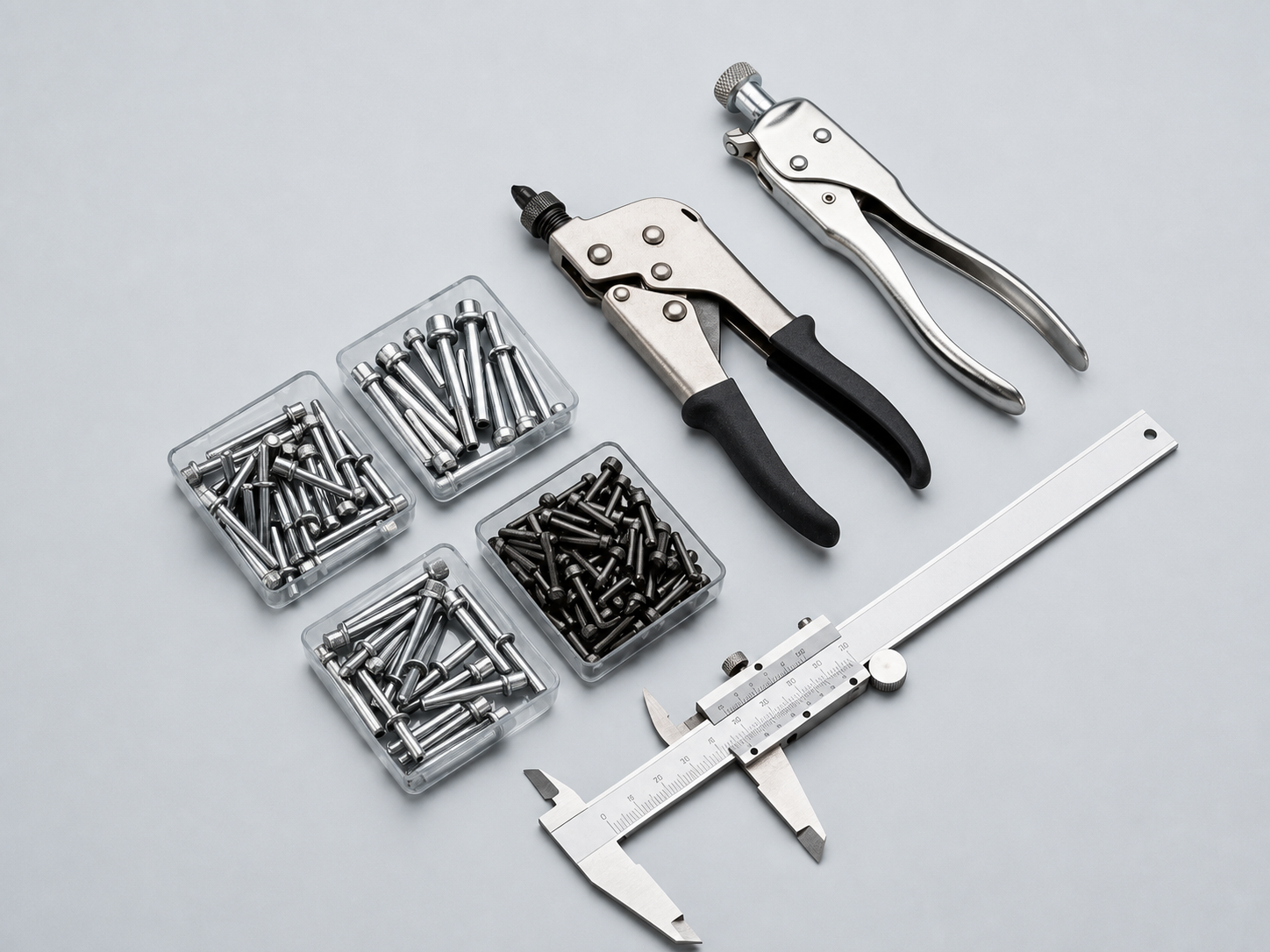
Socket tools are widely used for bolts and nuts, especially in automotive repair and mechanical maintenance. A socket fits over the fastener head and is usually used with a ratchet wrench, breaker bar, extension bar or torque wrench.
Common Socket Tool Components
Sockets
Ratchet wrench
Extension bar
Universal joint
Spark plug socket
Adapter
Socket rail or case
Why Socket Tools Are Popular
Socket tools are efficient because they allow users to work quickly in tight spaces. A ratchet wrench allows continuous turning without removing the socket from the fastener.
Applications
Socket tools are commonly used for:
Car repair
Motorcycle repair
Engine maintenance
Machinery repair
Equipment installation
Factory maintenance
Workshop service
Common Drive Sizes
Typical socket drive sizes include:
1/4 inch drive
3/8 inch drive
1/2 inch drive
Smaller drives are suitable for light-duty and precision work, while larger drives are used for stronger torque applications.
5. Pliers and Locking Tools
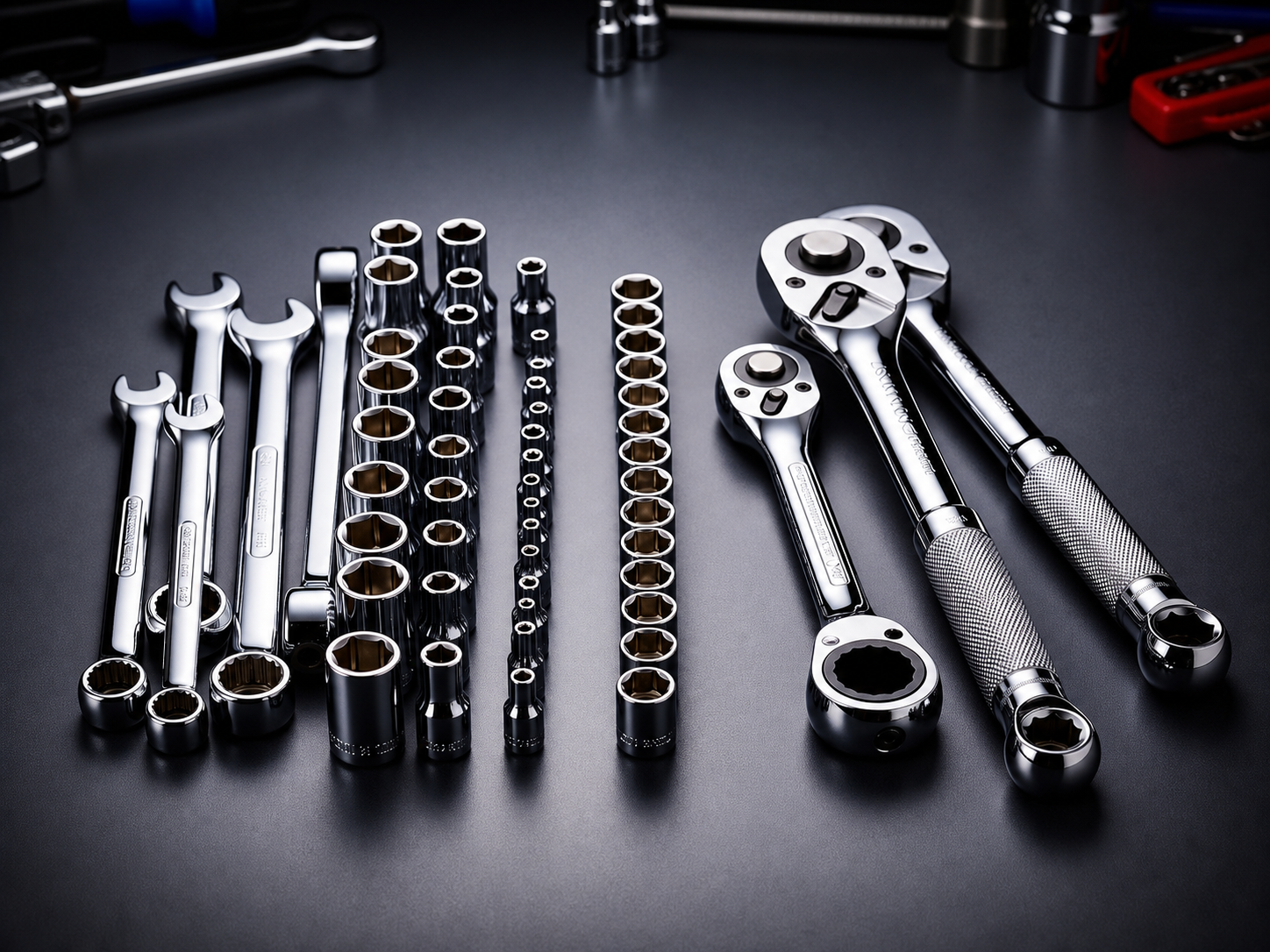
Pliers are not always used as the main fastening tools, but they are very useful for gripping, holding, bending, pulling and assisting during fastening work.
Common Pliers Types
Combination pliers
Long nose pliers
Diagonal cutting pliers
Locking pliers
Water pump pliers
Slip joint pliers
Wire stripping pliers
Applications
Pliers are often used for:
Holding nuts in place
Pulling small parts
Bending wires
Gripping fasteners
Removing damaged screws
Cutting wire
Supporting installation work
Locking Pliers
Locking pliers can hold a workpiece or fastener firmly. They are useful when working with damaged bolt heads, stubborn nuts or parts that need temporary clamping.
A pliers set is often included in general hand tool kits because it supports many fastening and repair tasks.
6. Rivet Tools for Permanent Fastening
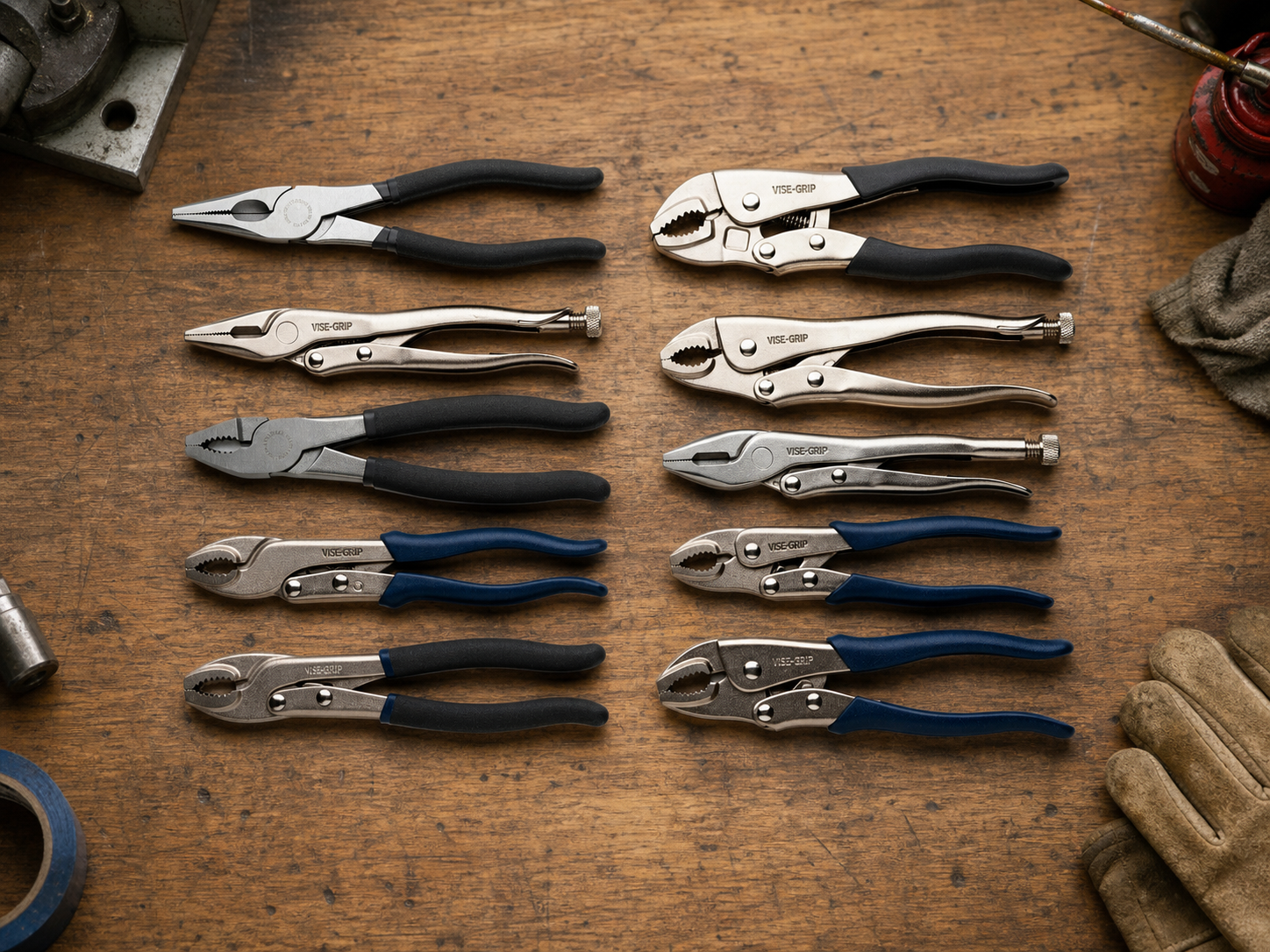
Rivets are used when a permanent fastening method is needed. Unlike screws and bolts, rivets are not usually removed after installation. Rivet tools are commonly used in sheet metal work, construction, automotive panels and repair applications.
Common Rivet Tools
Hand riveter
Rivet gun
Blind rivet tool
Heavy-duty riveter
Pneumatic rivet tool
Applications
Rivet tools are used for:
Sheet metal fastening
Roofing installation
Metal panel repair
HVAC ductwork
Automotive body repair
Aluminum frame assembly
Construction and fabrication
How to Choose a Rivet Tool
When choosing a rivet tool, consider:
Rivet size
Rivet material
Handle strength
Grip comfort
Nosepiece options
Application frequency
Manual or pneumatic operation
For occasional repair work, a hand riveter may be enough. For high-volume production or industrial use, pneumatic rivet tools may be more efficient.
7. Torque Tools for Accurate Tightening
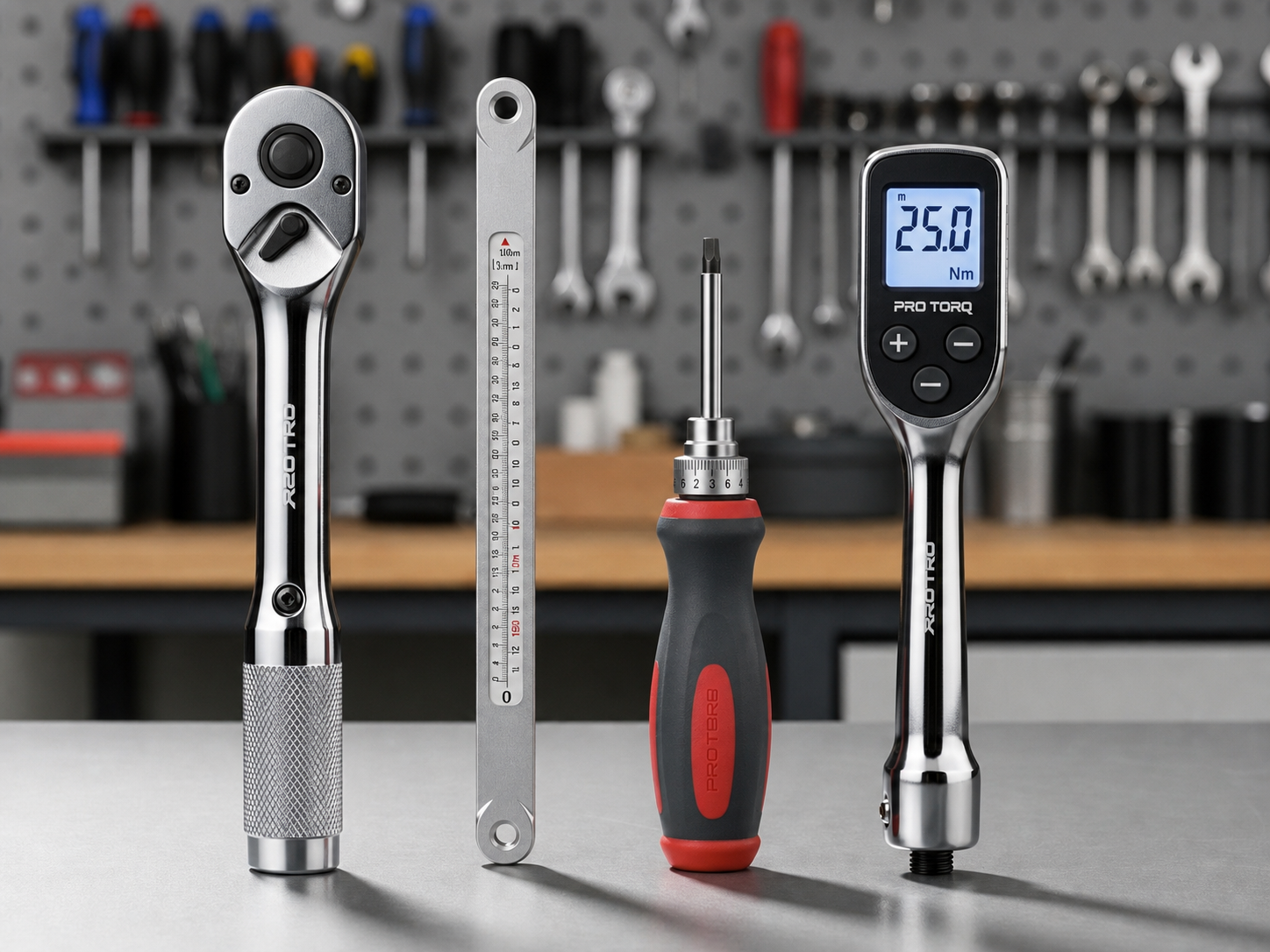
Torque tools are fastening tools designed to apply a specific amount of tightening force. They are important when bolts and nuts must be tightened accurately.
If a fastener is too loose, it may fail during operation. If it is too tight, it may damage the thread, fastener or part being assembled.
Common Torque Tools
Torque wrench
Torque screwdriver
Digital torque wrench
Click-type torque wrench
Beam torque wrench
Applications
Torque tools are used in:
Automotive repair
Engine assembly
Machinery installation
Electrical equipment assembly
Aerospace maintenance
Bicycle repair
Precision manufacturing
Why Torque Control Matters
Torque control helps improve:
Fastening accuracy
Product safety
Assembly quality
Equipment reliability
Fastener service life
For professional workshops and industrial users, torque tools are essential when working with critical fasteners.
8. Allen Keys and Hex Key Sets
Allen keys, also called hex keys, are used for hex socket screws. They are small, simple and widely used in furniture, machinery, bicycles, motorcycles and equipment assembly.
Common Types
Applications
Allen keys are commonly used for:
Furniture assembly
Bicycle repair
Machinery adjustment
Equipment installation
Motorcycle maintenance
DIY repair
A hex key set is a practical and low-cost addition to many fastening tool sets.
Fastening Tools for Different Applications
Different industries require different fastening tools. Choosing tools based on application can help users build a more useful tool kit.
Fastening Tools for Home Repair
For household use, tools should be easy to use, compact and suitable for common repairs.
Recommended tools include:
Screwdriver set
Adjustable wrench
Combination pliers
Allen key set
Small socket set
Measuring tape
Utility knife
Toolbox
Common tasks include furniture assembly, cabinet repair, appliance maintenance, curtain installation and basic DIY jobs.
Fastening Tools for Automotive Repair
Automotive repair requires stronger and more complete fastening tools because vehicles use many bolts, nuts and clips.
Recommended tools include:
Socket set
Ratchet wrench
Combination wrench set
Torque wrench
Screwdriver set
Pliers set
Allen key set
Breaker bar
For automotive work, socket tools and torque tools are especially important.
Fastening Tools for Construction and Installation
Construction and installation work often requires durable tools that can handle heavy-duty use.
Recommended tools include:
Spanner wrench set
Adjustable wrench
Screwdrivers
Socket tools
Rivet gun
Pliers
Hammer
Drill and bits
Safety tools
These tools are used for mounting, structural installation, fixture assembly, anchor installation and site maintenance.
Fastening Tools for Industrial Maintenance
Industrial maintenance teams need reliable tools for machinery, equipment, production lines and plant repair.
Recommended tools include:
Combination wrench set
Socket set
Ratchet wrench
Torque wrench
Screwdriver set
Pliers set
Allen key set
Rivet tools
Tool storage cabinet
Durability, accuracy and tool organization are important for industrial users.
Fastening Tools for Hardware Stores
Hardware stores and tool distributors usually need products that cover a wide range of users.
Popular products include:
Screwdriver sets
Wrench sets
Socket sets
Pliers sets
Ratchet screwdrivers
Toolboxes with tools
Fastening tool sets
DIY hand tool kits
Mechanic tool sets
For retail sales, packaging and product combination are very important. A well-designed fastening tool set can be more attractive than selling individual tools separately.
Hand Fastening Tools vs Power Fastening Tools
Fastening tools can be divided into hand tools and power tools. Both have advantages depending on the job.
Item | Hand Fastening Tools | Power Fastening Tools |
Cost | Usually lower | Usually higher |
Control | Better manual control | Faster operation |
Maintenance | Simple | Requires battery or motor care |
Speed | Slower | Faster |
Best For | Repair, maintenance, DIY, precision work | Repetitive assembly, construction, production |
Examples | Screwdrivers, wrenches, sockets, pliers | Electric screwdrivers, impact drivers, power riveters |
For most workshops and hardware stores, hand fastening tools remain essential because they are versatile, durable and easy to maintain. Power fastening tools are useful when speed and repeated operation are required.
How to Choose the Right Fastening Tool Set
A good fastening tool set should match the user’s work requirements. Buyers should not only look at the number of pieces but also check whether the tools are practical.
1. Identify the Main Fasteners
Before choosing tools, check what fasteners are commonly used:
Screws
Bolts
Nuts
Rivets
Anchors
Hex socket screws
Different fasteners require different fastening tools.
2. Choose Practical Tool Combinations
A useful fastening tool set may include:
Screwdrivers
Wrenches
Sockets
Ratchet wrench
Pliers
Allen keys
Bits
Tool case
Avoid tool sets that include many low-use items only to increase the piece count.
3. Check Material Quality
Good fastening tools should be made from durable materials, such as:
Chrome vanadium steel
Carbon steel
Alloy steel
Heat-treated steel
Surface treatment is also important. Chrome plating, black finish or polished surfaces can help improve rust resistance.
4. Check Tool Fit and Accuracy
For fastening work, tool fit is very important. Poorly sized tools can damage fasteners and reduce efficiency.
Check:
Wrench jaw accuracy
Socket size accuracy
Screwdriver tip fit
Ratchet mechanism smoothness
Handle comfort
5. Consider Storage and Packaging
A tool case or toolbox helps users organize tools and reduce loss. For distributors, packaging also affects product value and sales performance.
Common packaging options include:
Blister card
Color box
Plastic case
Blow-mold case
Tool bag
Toolbox with tools
Customized retail packaging
OEM and Wholesale Fastening Tools
For importers, wholesalers, hardware distributors and tool brands, fastening tools can be supplied as single tools or complete tool sets.
Common wholesale products include:
Screwdriver sets
Ratchet screwdriver sets
Combination wrench sets
Socket sets
Pliers sets
Rivet tools
Torque tools
Fastening tool sets
Toolboxes with tools
OEM Customization Options
Available customization options may include:
Logo printing
Handle color customization
Tool set combination adjustment
Retail packaging design
Barcode and label service
Tool case customization
Private label service
Bulk export carton packaging
Before placing a bulk order, buyers should confirm product specifications, material, surface finish, packaging, MOQ, lead time and quality inspection process.
Common Buying Problems and Solutions
Problem 1: The Tool Does Not Match the Fastener
Using the wrong tool can damage the screw head, bolt, nut or tool itself.
Solution: Match the tool type and size with the fastener before use.
Problem 2: Low-Quality Tools Wear Out Quickly
Poor steel, weak handles or inaccurate sizes can reduce tool life.
Solution: Choose tools made from durable materials with proper heat treatment and reliable surface finish.
Problem 3: Too Many Tools but Poor Practical Value
Some tool sets have a high piece count but include many rarely used items.
Solution: Choose tool sets based on real applications such as automotive repair, home repair or industrial maintenance.
Problem 4: Poor Storage Causes Tool Loss
Loose tools are easy to lose or damage.
Solution: Choose a tool set with organized storage, such as a plastic case, tool bag or toolbox.
Problem 5: Packaging Does Not Fit the Sales Channel
Retail stores, online shops and wholesale markets may need different packaging.
Solution: Use customized packaging suitable for the target market and customer type.
Maintenance Tips for Fastening Tools
Proper maintenance helps extend tool life and improve performance.
Basic Maintenance Tips
Wipe tools after use
Keep tools dry before storage
Avoid leaving tools in wet environments
Use the correct tool size
Do not use screwdrivers as pry bars
Do not use wrenches as hammers
Lubricate ratchet mechanisms when needed
Store tools in a toolbox or case
Check damaged tools before use
Replace worn tools in time
Good tool care reduces rust, improves safety and helps tools perform better over time.
FAQ About Fastening Tools
1. What are fastening tools?
Fastening tools are tools used to install, tighten, loosen or remove fasteners such as screws, bolts, nuts and rivets. Common examples include screwdrivers, wrenches, sockets, pliers and rivet tools.
2. What is the difference between fasteners and fastening tools?
Fasteners are parts used to join materials together, such as screws, bolts and rivets. Fastening tools are the tools used to install or remove those fasteners.
3. What tools are used for screws?
Screws are usually installed or removed with screwdrivers, ratchet screwdrivers, precision screwdrivers or power screwdrivers, depending on the screw type and application.
4. What tools are used for bolts and nuts?
Bolts and nuts are commonly tightened or loosened with wrenches, spanners, sockets, ratchet wrenches and torque wrenches.
5. What tool is used for rivets?
Rivets are installed with rivet tools such as hand riveters, rivet guns or pneumatic rivet tools.
6. What fastening tools are best for automotive repair?
Automotive repair usually requires socket sets, ratchet wrenches, combination wrenches, torque wrenches, screwdrivers and pliers.
7. What fastening tools are needed for home repair?
A basic home repair tool set may include screwdrivers, an adjustable wrench, pliers, Allen keys, a small socket set and a toolbox.
8. Can fastening tools be supplied wholesale?
Yes. Fastening tools can be supplied wholesale for importers, distributors, hardware stores, tool brands and retail chains.
9. Can fastening tool sets be customized?
Yes. Tool sets can be customized with logo printing, handle colors, tool combinations, packaging design, barcodes and private label branding.
10. How do I choose the right fastening tool set?
Choose a fastening tool set based on the fasteners you use, the application, tool material, size accuracy, handle comfort, packaging and supplier reliability.
Conclusion
Fastening tools are essential for installing, tightening, loosening and removing screws, bolts, nuts, rivets and other fasteners. From screwdrivers and wrenches to sockets, pliers, rivet tools and torque tools, each tool has its own function and application.
For home repair, automotive service, construction, workshop maintenance and industrial assembly, choosing the right fastening tools can improve efficiency, reduce fastener damage and support safer work. For wholesalers and distributors, a practical fastening tool set with good packaging and OEM customization can also improve market competitiveness.
-
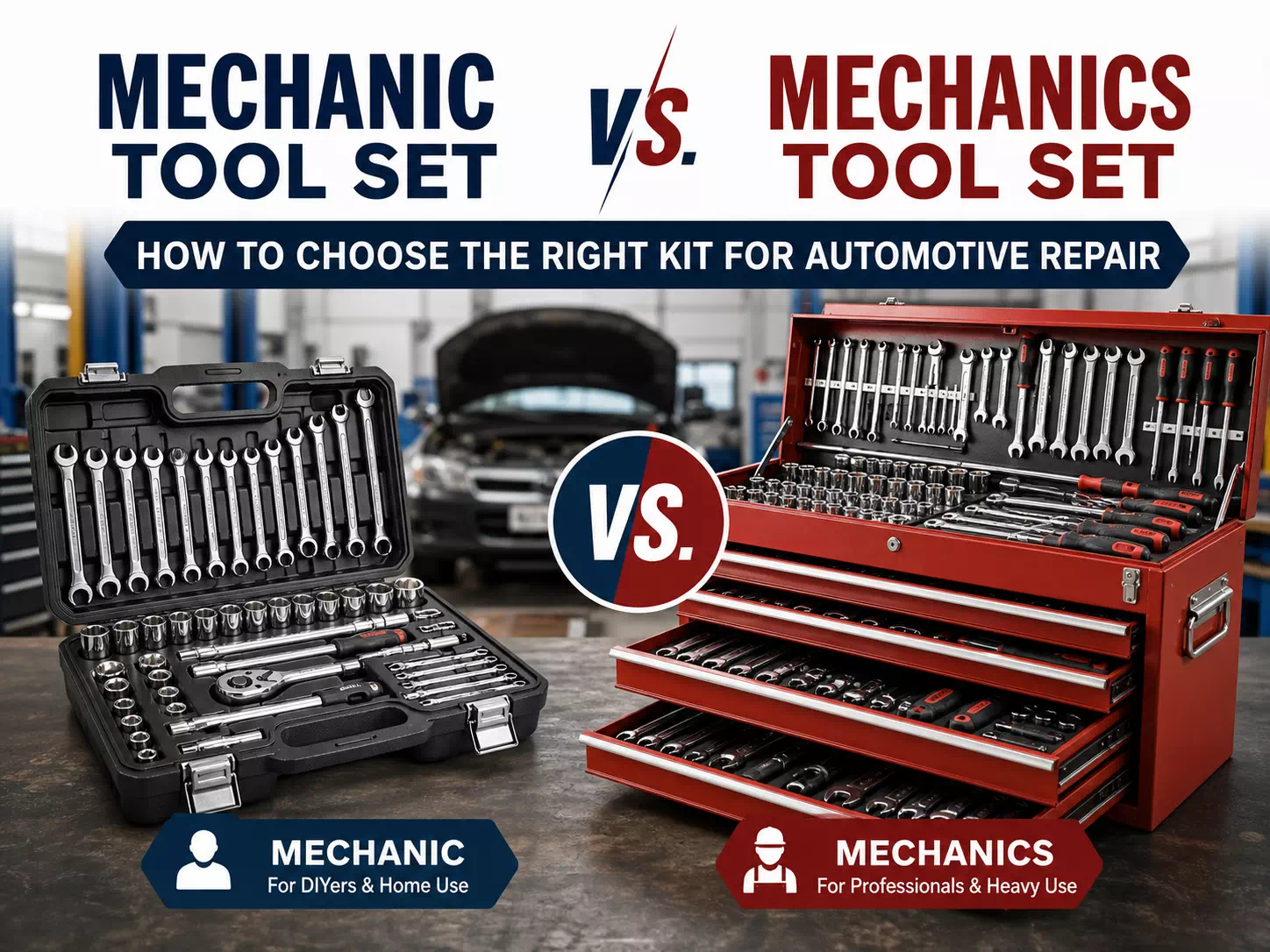
Mechanic Tool Set vs. Mechanics Tool Set: How to Choose the Right Kit for Automotive Repair
-
How to Maintain and Store Insulated Tools: A Daily Care Guide for Electricians
-
How to Choose a 1000V VDE Insulated Tool Set: A Practical Guide for Electricians and Maintenance Tea
-
Essential Insulated Tools for Safe Device Measurement: A Practical Hardware Tools List
-
Essential Insulated Tools for Electrical Work: A Task-by-Task Guide
-
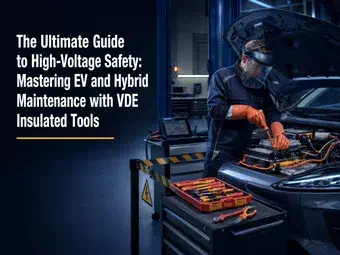
The Ultimate Guide to High-Voltage Safety: Mastering EV and Hybrid Maintenance with VDE Insulated To