
- Dawei Metal 2026 Chinese New Year Special Offer: Gallop into Success with Upgraded Tools!
- Aluminum Alloy Combination Tool Set for Home, Automotive, and Repair Use
- Striking Tools: Types, Uses, and How to Choose the Right One
- Highest Quality Hand Tools: Inside the World's Most Trusted Tool Brands
- Why a Machete Saw Belongs in Your Outdoor Kit
Company:Shandong Dawei Metal Materials Co., Ltd.
Tel:+8615666285386
Email:dwhardwaretools@gmail.com
Address:Room 1413, Building 8, Shandong Steel Xintiandi Plaza, No. 61 Gongye South Road, High-tech Zone, Jinan City
Precision Measuring Tools Guide: How to Choose a Reliable Supplier for Industrial Applications
Introduction to Industrial Measuring Tools
In modern manufacturing, mechanical engineering, and construction, precision measuring tools are non-negotiable for maintaining quality control, meeting strict tolerance standards, and reducing costly production scrap. From high-accuracy micrometers to smart digital calipers, these instruments ensure components fit perfectly, machinery operates efficiently, and projects adhere to design specifications.However, the quality of your measuring tools is only as reliable as your supplier. Choosing a trusted measuring tools supplier with industry expertise, certified products, and robust after-sales support can directly impact your workshop’s efficiency, product quality, and long-term profitability. This guide will break down everything you need to know about precision measuring tools and how to select the right supplier for your industrial applications.
Core Types of Precision Measuring Instruments
Different industrial tasks require specialized measuring tools. Below are the key categories and their ideal use cases:
Linear Measuring Tools for Construction & Workshops
Linear measuring tools are foundational for basic length, width, and height measurements. They are widely used in construction, woodworking, and small-scale manufacturing:
Steel Rulers & Measuring Tapes: Durable, cost-effective tools for quick, low-precision measurements.
Laser Distance Meters: Ideal for large-scale construction projects, providing accurate readings up to 100 meters with minimal human error.
Folding Rulers: Portable and versatile for tight spaces in workshops and on job sites.
High-Accuracy Precision Measuring Tools
For industrial applications requiring micron-level accuracy, these tools are essential in CNC machining, automotive repair, and aerospace manufacturing:
Micrometers: Measure thickness, diameter, and depth with precision up to 0.001mm, perfect for engine components and small mechanical parts.
Vernier Calipers: Analog tools for measuring internal/external dimensions, widely used in traditional machining workshops.
Dial Indicators: Detect small deviations in machinery alignment, ensuring smooth operation of CNC lathes and mills.
Digital Measuring Tools: Smart Solutions for Modern Manufacturing
Digital measuring devices combine high accuracy with electronic displays, reducing human error and enabling data integration:
Digital Calipers: Provide instant, easy-to-read measurements with data output capabilities for quality control software.
Smart Angle Finders: Automatically calculate angles and transmit data to mobile devices, ideal for welding and metal fabrication.
Coordinate Measuring Machines (CMMs): Advanced systems for 3D measurement of complex components, used in high-precision industries like aerospace.
Industry-Specific Applications of Measuring Tools
Precision measuring tools play a critical role across every industrial sector:
Manufacturing: Ensure machine parts meet ISO 9001 tolerance standards, reducing scrap rates by up to 18% (per the American Society for Quality).
Mechanical Engineering: Verify component dimensions to ensure correct assembly of engines, gearboxes, and hydraulic systems.
Construction: Use laser measuring tools to confirm structural accuracy, preventing costly rework on building foundations and frameworks.
Automotive Repair: Diagnose engine wear with micrometers and calipers, ensuring parts meet OEM specifications for safe vehicle operation.
Aerospace: Employ CMMs and high-precision micrometers to measure turbine blades and fuselage components, adhering to strict FAA standards.
How to Select a Reliable Measuring Tools Supplier
Choosing the right supplier is as important as selecting the right tools. Here are the top criteria to evaluate:
Verify Product Quality & Certification
Look for suppliers offering tools certified to international standards:
ISO 9001: Ensures consistent quality management systems and product reliability.
DIN 862: German standard for precision measuring tools, guaranteeing high accuracy and durability.
NIST-Traceable Calibration: Tools calibrated against National Institute of Standards and Technology reference standards for absolute accuracy.
Evaluate Supplier Industry Experience
A supplier with 10+ years of experience in your sector (e.g., CNC machining, automotive repair) will understand your unique needs and can recommend tailored solutions. Ask for case studies or client references from similar businesses.
Check Product Range & Customization Options
Reliable suppliers offer a full range of tools from basic linear instruments to advanced CMMs. For specialized tasks, ensure they provide custom measuring instruments designed to fit your specific components or processes.
Assess After-Sales Support
Post-purchase support is critical for maintaining tool accuracy:
Calibration Services: Regular calibration ensures tools remain accurate over time. Look for suppliers offering on-site or in-house calibration with certificates.
Warranty & Repair: A minimum 1-year warranty and fast repair services minimize downtime in your workshop.
Technical Training: Suppliers should provide training for complex tools like CMMs to ensure your team uses them correctly.
Benefits of High-Quality Precision Measuring Tools
Investing in certified precision measuring tools from a reliable supplier delivers tangible business benefits:
Reduced Scrap Rates: Accurate measurements minimize defective components, cutting material waste and production costs.
Consistent Product Quality: Adherence to tolerance standards ensures every product meets customer specifications, boosting brand reputation.
Increased Workshop Efficiency: Digital tools provide faster readings and data integration, streamlining quality control processes.
Compliance with Industry Standards: Certified tools help your business meet regulatory requirements (e.g., FAA, ISO) for aerospace and manufacturing.
Long-Term Cost Savings: Durable tools with regular calibration have a longer lifespan, reducing replacement costs over time.
Future Trends in Industrial Measurement Technology
The measuring tools industry is evolving rapidly with smart technology integration:
Wireless Data Transmission: Tools that send real-time measurements to quality control software, enabling instant analysis and process adjustments.
IoT-Enabled Instruments: Connected tools that monitor their own accuracy and send alerts when calibration is needed.
AI-Powered Measurement: Advanced CMMs using artificial intelligence to detect defects and optimize measurement workflows.
Portable 3D Scanners: Compact, high-precision scanners for on-site measurement of large components in construction and aerospace.
FAQ: Expert Answers to Measuring Tools & Supplier Questions
What factors should I consider when choosing a measuring tools supplier?
Prioritize ISO 9001 certification, industry-specific experience, a full product range, and robust after-sales support (calibration, warranty, training). Ask for client references to verify their track record.
How often should I calibrate my precision measuring tools?
For high-use industrial tools like micrometers and calipers, calibrate every 6–12 months. For critical applications (e.g., aerospace), calibrate every 3 months or as recommended by your supplier.
Can a measuring tools supplier provide custom instruments for my business?
Yes, many reliable suppliers offer custom measuring tools designed to fit unique components or processes. Provide detailed drawings or specifications to ensure the tool meets your accuracy requirements.
How do ISO-certified measuring tools benefit my business?
ISO 9001 certification ensures tools are manufactured under strict quality control processes, delivering consistent accuracy and reliability. It also helps your business meet regulatory requirements for industries like automotive and aerospace.
What’s the difference between digital and analog precision measuring tools?
Digital tools provide instant, easy-to-read readings with data output capabilities, reducing human error. Analog tools like vernier calipers are more durable in harsh workshop environments and require no power source. Choose based on your task’s precision needs and workshop conditions.
Ready to Upgrade Your Precision Measuring Tools?
Choosing the right measuring tools supplier is a critical investment in your business’s quality and efficiency. Whether you need basic linear tools or advanced CMMs, look for an ISO-certified supplier with industry expertise, custom solutions, and reliable after-sales support.Contact our team today to get personalized recommendations for your industrial applications, or download our free Measuring Tools Supplier Audit Checklist to evaluate potential partners.
[Download Checklist] | [Request a Quote] | [Browse Our Precision Measuring Tools Catalog]
- Pro:Angle Measuring Tools: A Comprehensive Guide for Industrial Precision & Engineering
- Next:5 Essential Measuring Tools: G
-
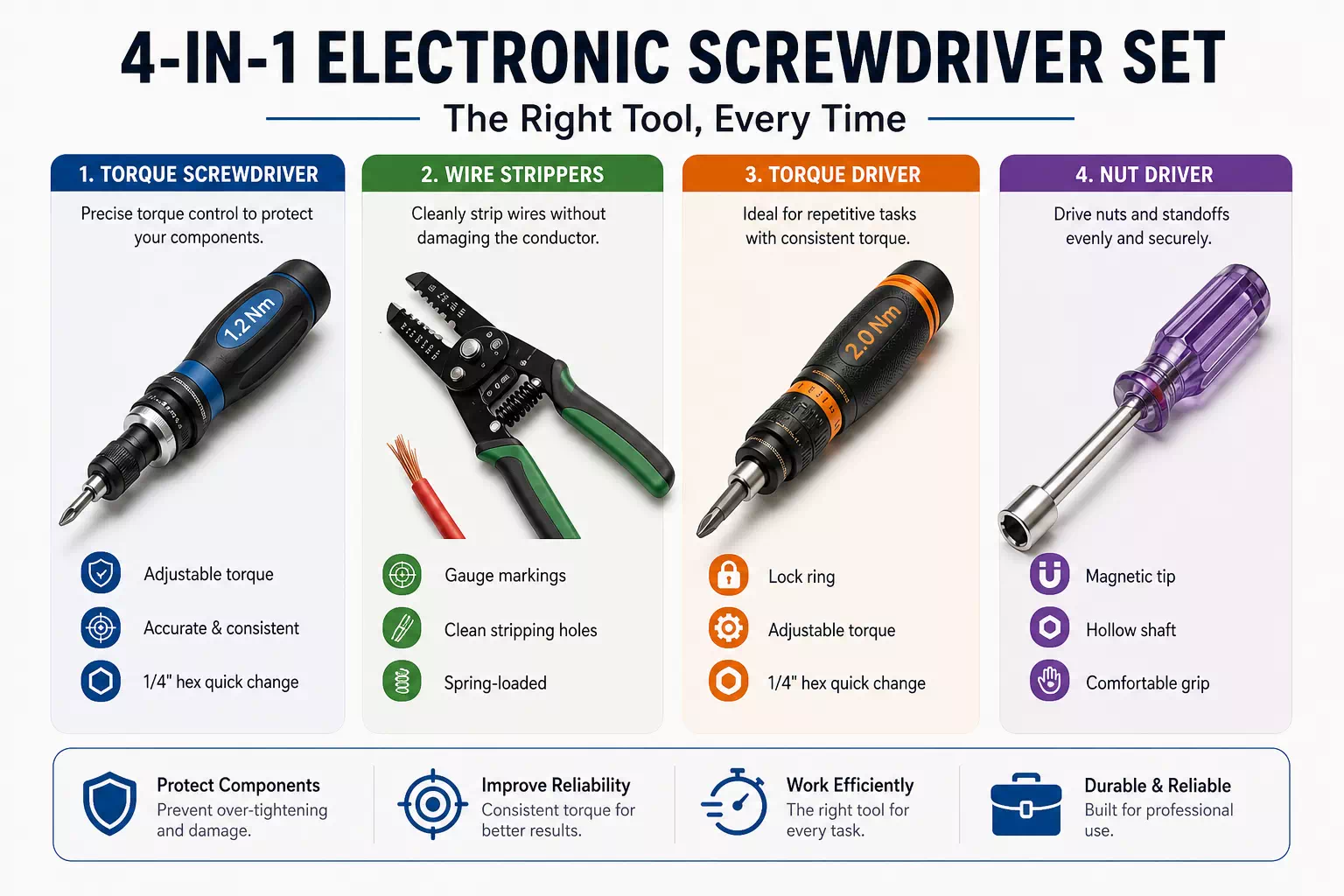
Torque Screwdrivers, Wire Strippers, Torque Drivers, and Nut Drivers: A Practical Electronic Tooling
-
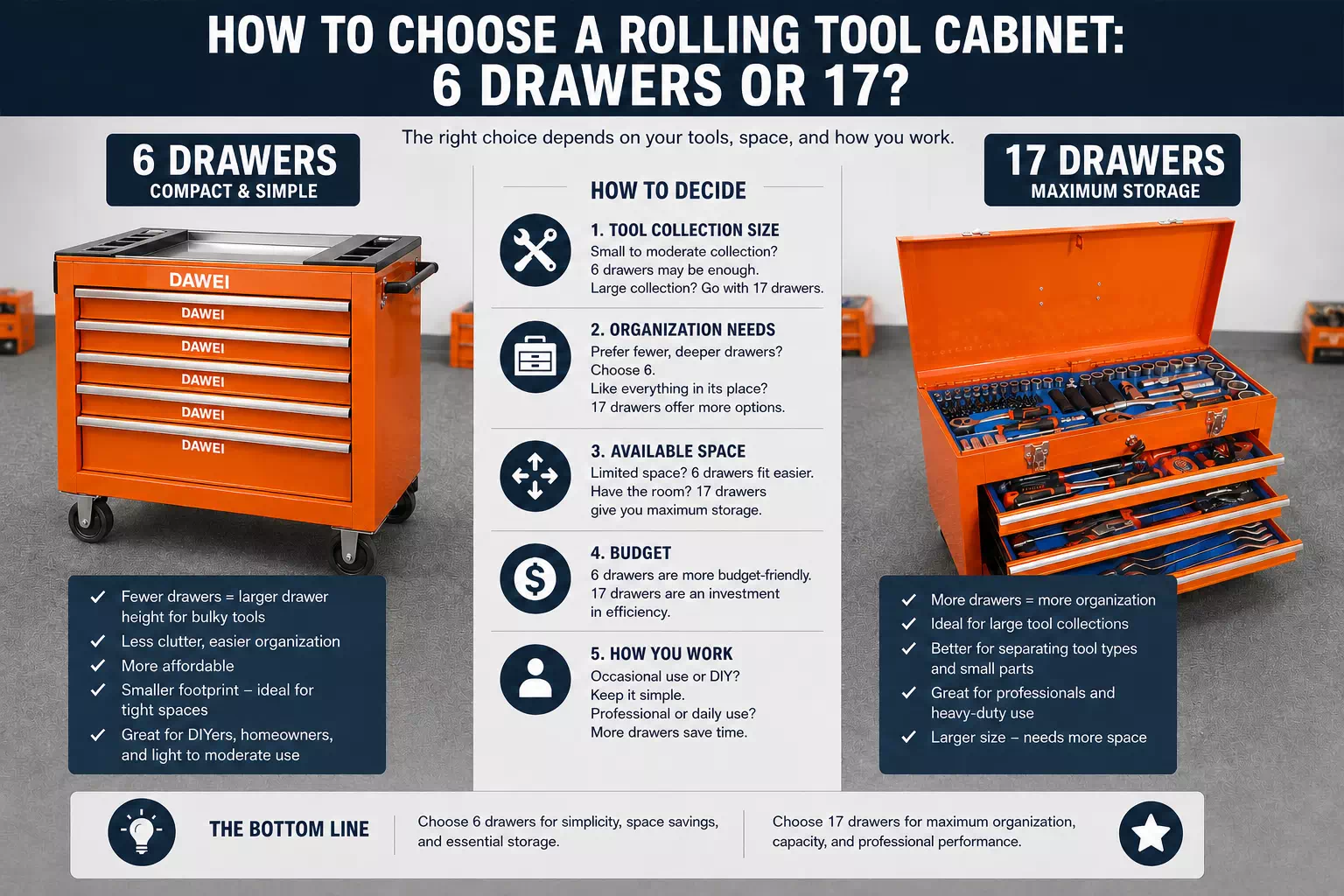
How to Choose a Rolling Tool Cabinet: 6 Drawers or 17?
-
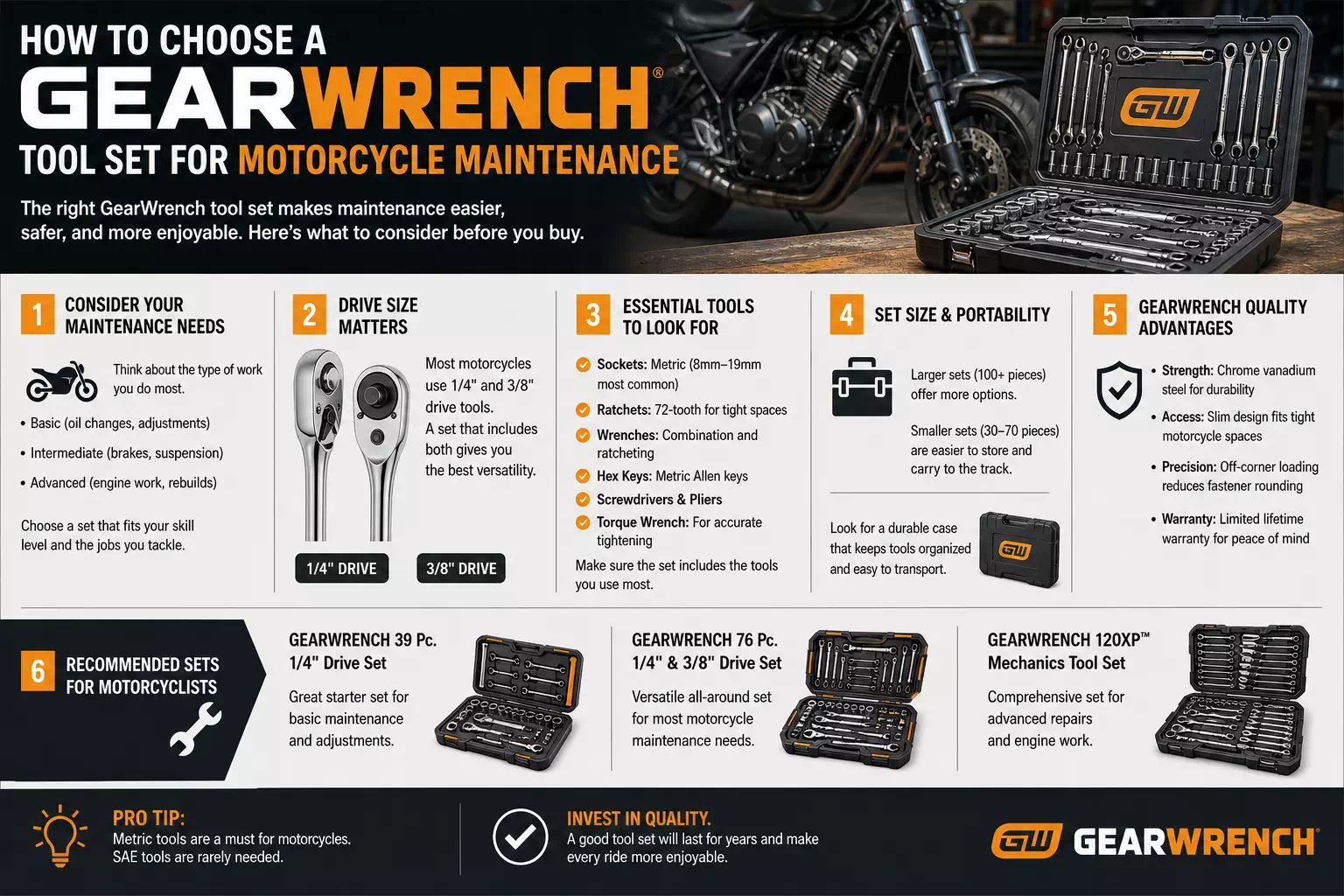
How to Choose a Gear Wrench Tool Set for Motorcycle Maintenance
-
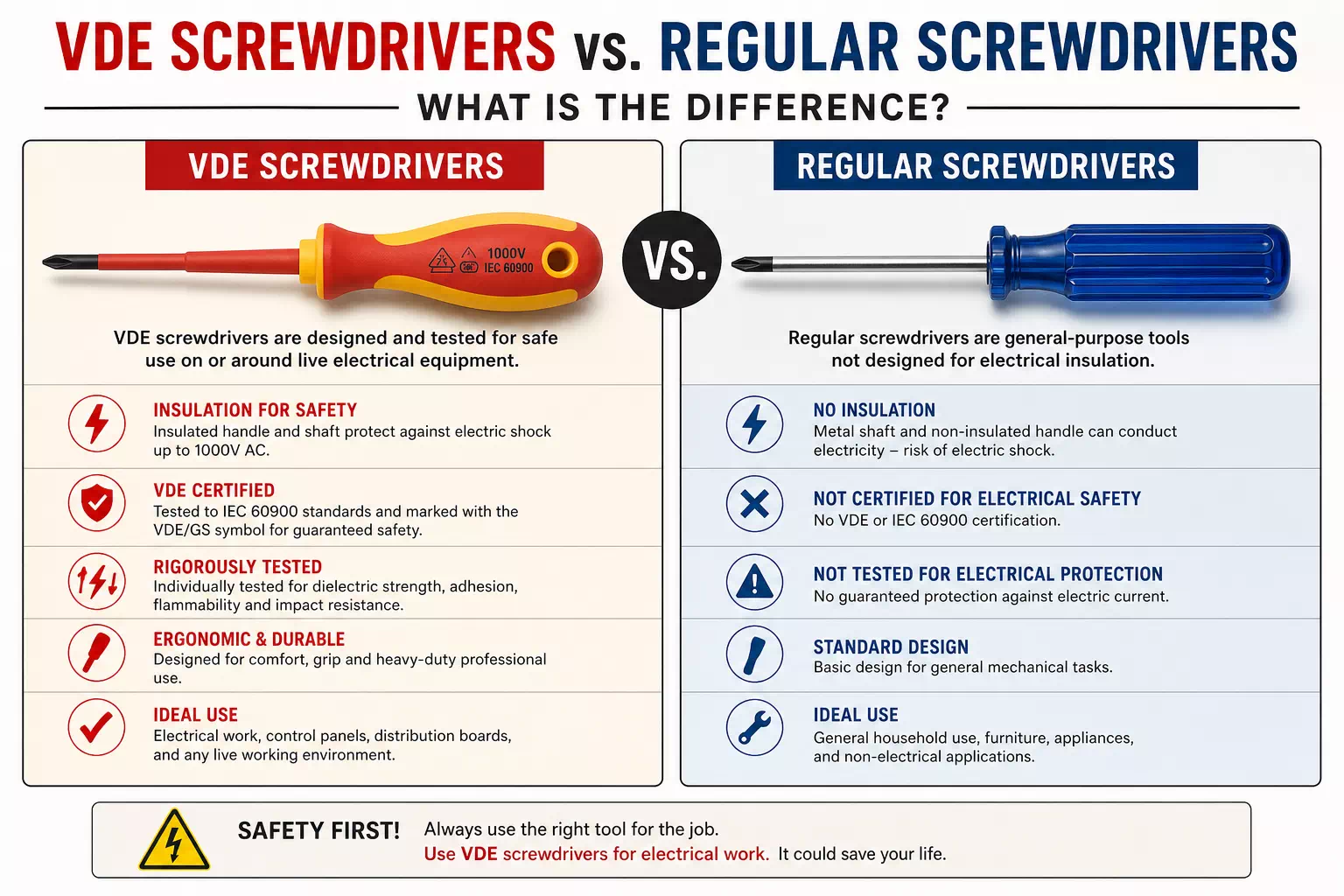
VDE Screwdrivers vs. Regular Screwdrivers: What Is the Difference?
-
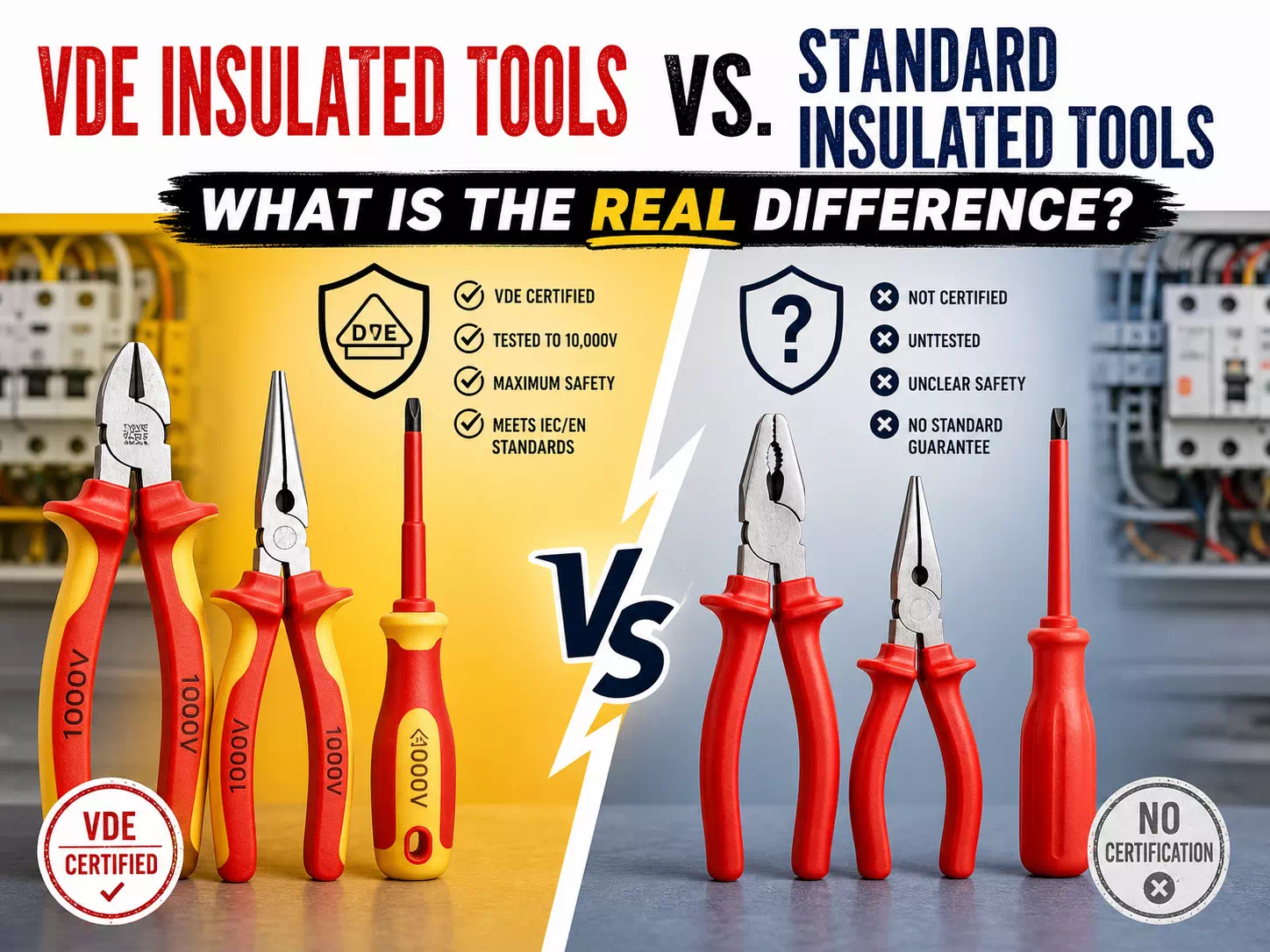
VDE Insulated Tools vs. Standard Insulated Tools: What Is the Real Difference?
-
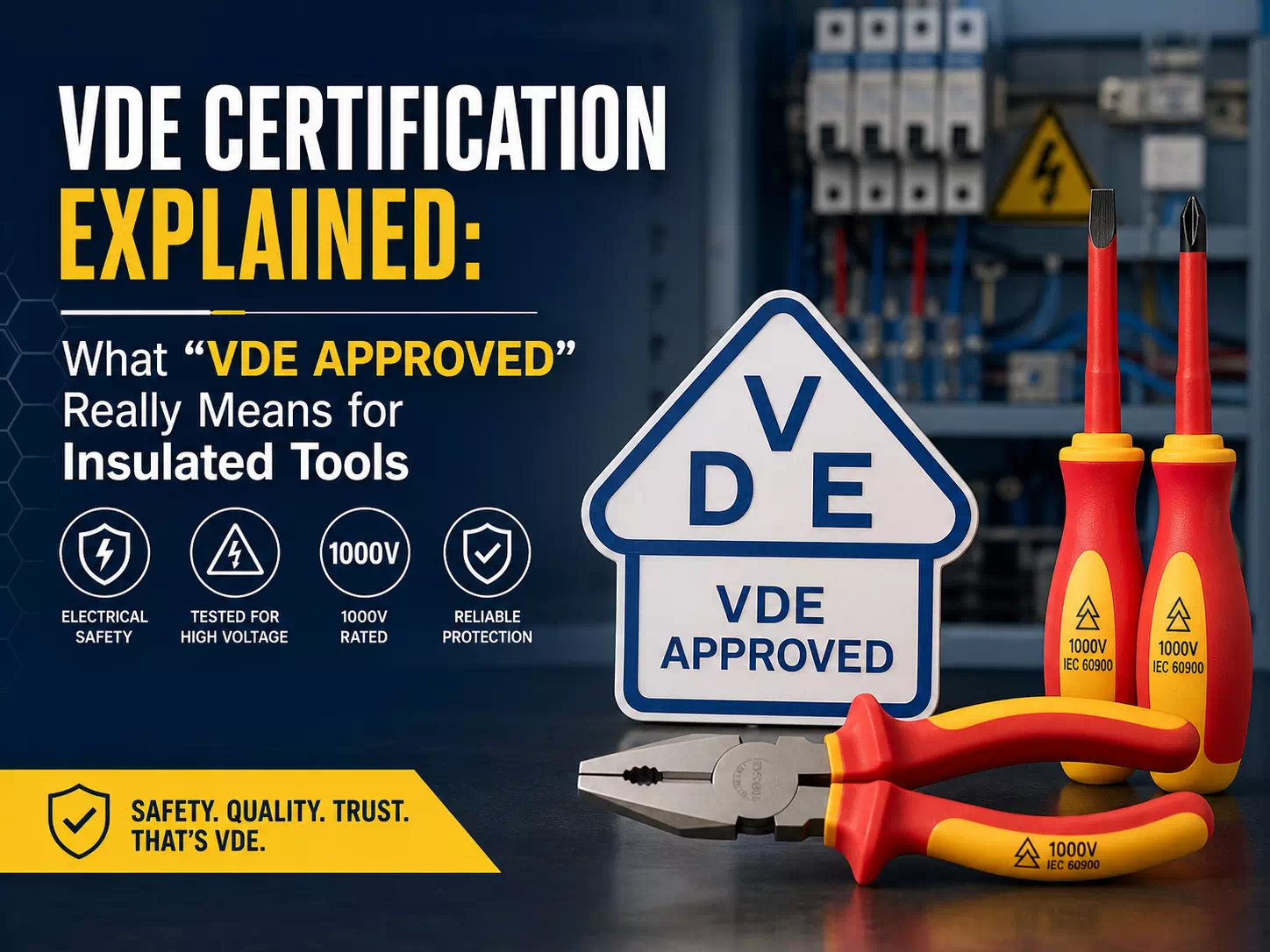
VDE Certification Explained: What “VDE Approved” Really Means for Insulated Tools