
- Dawei Metal 2026 Chinese New Year Special Offer: Gallop into Success with Upgraded Tools!
- Aluminum Alloy Combination Tool Set for Home, Automotive, and Repair Use
- Striking Tools: Types, Uses, and How to Choose the Right One
- Highest Quality Hand Tools: Inside the World's Most Trusted Tool Brands
- Why a Machete Saw Belongs in Your Outdoor Kit
Company:Shandong Dawei Metal Materials Co., Ltd.
Tel:+8615666285386
Email:dwhardwaretools@gmail.com
Address:Room 1413, Building 8, Shandong Steel Xintiandi Plaza, No. 61 Gongye South Road, High-tech Zone, Jinan City
5 Essential Measuring Tools: Guide for Construction, Engineering & Workshops
5 Essential Measuring Tools: Guide for Construction, Engineering & Workshops
Meta Description: Discover the best tape measure, laser distance meter, digital caliper, vernier caliper, and spirit level for professional projects. Learn their features, applications, and expert tips to reduce rework by up to 20% and boost measurement accuracy.
Introduction: Why the Right Measuring Tools Matter for Professional Projects
According to the National Association of Home Builders (NAHB), using incorrect or low-quality measuring tools causes 20% of construction rework annually—wasting time, materials, and money. For engineers, machinists, and construction professionals, choosing the right measuring instruments is the first step to delivering precise, compliant, and profitable projects.This guide breaks down the 5 essential measuring tools every professional should own, including their ANSI/DIN certified features, industry-specific applications, and expert comparisons to help you select the perfect tool for your task.
Tape Measure: The Versatile Workhorse for Construction & Carpentry
The tape measure is the most universal measuring tool, balancing portability, affordability, and reliability for everyday length, width, and height measurements.
Key Features of Professional-Grade Tape Measures
ANSI-Certified Accuracy: Meets strict U.S. standards for measurement precision (±1/16" over 100ft)
Heavy-Duty Construction: Rubberized casing for impact resistance, reinforced tape blade to prevent bending
Large, High-Contrast Markings: Easy-to-read numbers for fast measurements in low-light job sites
Lock Mechanism: Securely holds tape in place for solo measurements
Metric & Imperial Units: Dual-scale markings for international projects
Best Applications
Construction site layout and framing
Carpentry and woodworking projects
Interior design and furniture installation
DIY home improvement tasks
Pros & Cons
✅ Pros: Portable, no power required, cost-effective, suitable for most general measurements❌ Cons: Less accurate for long distances (>50ft), prone to blade damage in harsh environmentsExpert Tip: For outdoor construction, choose a 30-50ft tape measure with a weather-resistant blade to avoid warping in rain or extreme temperatures.
Laser Distance Meter: Fast, Accurate Long-Distance Measurement
Laser distance meters use laser technology to deliver precise measurements up to 330ft, eliminating the need for two-person teams and reducing human error.
Key Features of Professional Laser Distance Meters
±1/16" Accuracy: More precise than tape measures for long distances
Multiple Measurement Modes: Calculate area, volume, and Pythagorean theorem for indirect measurements
Digital Display with Backlight: Easy reading in bright sunlight or dark spaces
Data Storage: Save up to 100 measurements for documentation
Battery Life: 5,000+ measurements per charge for extended job site use
Best Applications
Large-scale construction site surveys
Interior design and room dimension calculations
Building inspection and code compliance checks
Landscaping and outdoor project planning
Pros & Cons
✅ Pros: Fast one-person measurements, high accuracy for long distances, data storage for documentation❌ Cons: Higher cost than tape measures, less effective in heavy rain or fogExpert Tip: Look for models with Bluetooth connectivity to sync measurements directly to your phone or tablet for instant reporting.
Digital Caliper: Precision Electronic Measurement for Machining & Repair
Digital calipers provide instant, high-precision measurements of internal, external, and depth dimensions—ideal for mechanical engineering, automotive repair, and quality control.
Key Features of ANSI-Certified Digital Calipers
0.0005" Precision: Micron-level accuracy for tight-tolerance components
LCD Digital Display: Easy-to-read numbers, no manual scale interpretation required
Unit Conversion: Switch between metric and imperial units with one button
Data Output: USB or Bluetooth connectivity to sync measurements to quality control software
Auto-Off Function: Saves battery life for workshop use
Best Applications
CNC machining and metal fabrication
Automotive engine repair and component measurement
Jewelry making and small part manufacturing
Quality inspection of mechanical components
Pros & Cons
✅ Pros: Fast readings, high precision, data integration for quality control❌ Cons: Requires battery power, less durable in harsh workshop environmentsExpert Tip: For automotive repair, choose a waterproof digital caliper to resist oil and grease damage.
Vernier Caliper: Durable Mechanical Precision for Industrial Use
Vernier calipers are the gold standard for mechanical precision, trusted by machinists and engineers for over 200 years for their reliability and durability.
Key Features of DIN-Certified Vernier Calipers
0.001" Precision: Consistent accuracy without electronic components
Stainless Steel Construction: Resists corrosion and damage in harsh industrial environments
Dual-Scale Markings: Metric and imperial units for global use
No Power Required: Operates mechanically, ideal for remote job sites or power outages
Best Applications
Heavy-duty industrial machining
Aerospace and defense component measurement
Marine engineering and shipbuilding
Field maintenance in remote locations
Pros & Cons
✅ Pros: Mechanical durability, no battery needed, suitable for harsh environments❌ Cons: Steeper learning curve for reading scales, slower measurements than digital calipersExpert Tip: Pair with a magnifying glass for easier scale reading, especially for micron-level measurements.
Spirit Level: Ensuring Perfect Alignment in Construction & Installation
Spirit levels (or bubble levels) are essential for ensuring surfaces are perfectly horizontal or vertical, critical for structural stability and professional finishing.
Key Features of Professional Spirit Levels
ANSI-Certified Accuracy: ±0.0005" per inch for precise alignment
Durable Frame: Aluminum alloy for heavy-duty construction, or lightweight plastic for DIY use
Multiple Vials: Horizontal, vertical, and 45-degree vials for versatile alignment
Magnetic Base: For hands-free use on metal surfaces like steel beams or pipes
Best Applications
Construction framing and foundation leveling
Tiling and flooring installation
Mounting shelves, doors, and cabinets
HVAC and plumbing alignment
Pros & Cons
✅ Pros: Easy to use, no power required, affordable, critical for structural integrity❌ Cons: Limited to alignment tasks, requires careful handling to avoid vial damageExpert Tip: For large-scale construction, use a laser level with a spirit level backup for long-distance alignment.
How to Choose the Right Measuring Tool for Your Task
Use this expert checklist to select the perfect tool for your project:
| Task Type | Recommended Tool | Key Considerations |
|---|---|---|
| General construction layout | Tape Measure | 30ft+ length, weather-resistant blade |
| Long-distance surveys | Laser Distance Meter | >100ft range, data storage capability |
| Machining/automotive repair | Digital/Vernier Caliper | ANSI/DIN certification, precision level needed |
| Structural alignment | Spirit Level/Laser Level | Magnetic base, multiple vials for versatile use |
Pro Tip: For professional workshops, invest in a complete measuring tool set from an ANSI-certified supplier to ensure consistency across all tasks.
Expert Tips to Maintain & Calibrate Your Measuring Tools
Tape Measure: Clean blade with a dry cloth after use, avoid bending the blade, and store in a dry place to prevent rust.
Laser Distance Meter: Keep lens clean with a microfiber cloth, avoid pointing laser at eyes, and calibrate annually with a certified standard.
Calipers: Wipe down with oil after use to prevent corrosion, and calibrate every 6 months for industrial applications.
Spirit Level: Avoid dropping, store flat, and check vials annually for air bubble integrity.
FAQ: Common Questions About Essential Measuring Tools
What is the best tape measure for construction?
For construction, choose a 30-50ft heavy-duty tape measure with an ANSI-certified blade, rubberized casing, and large markings. Look for models with a magnetic hook for solo measurements on metal surfaces.
When should I use a digital caliper vs. a vernier caliper?
Digital calipers are ideal for fast, easy readings in workshops or automotive repair, while vernier calipers are preferred for harsh industrial environments where battery power is a concern, or for professionals who value mechanical durability.
Can I use a laser distance meter in bright sunlight?
Most modern laser distance meters have a high-visibility display and laser beam that works in bright sunlight, but accuracy may be reduced over long distances (>100ft). Choose a model with a Class 2 laser for better visibility.
How often should I calibrate my measuring tools?
For industrial use, calibrate calipers and laser distance meters every 6-12 months. Tape measures and spirit levels should be checked annually for accuracy.
Ready to Upgrade Your Measuring Tools?
Investing in ANSI/DIN certified measuring tools reduces rework by up to 20% and ensures professional results on every project. Whether you need a heavy-duty tape measure for construction or a precision digital caliper for machining, our team can help you select the perfect tool for your needs.Take Action Today:
All our measuring tools come with a 1-year warranty and free calibration services for the first year, ensuring long-term accuracy and reliability.
- Pro:Precision Measuring Tools Guide: How to Choose a Reliable Supplier for Industrial Applications
- Next:Tools Measuring Angles & H
-
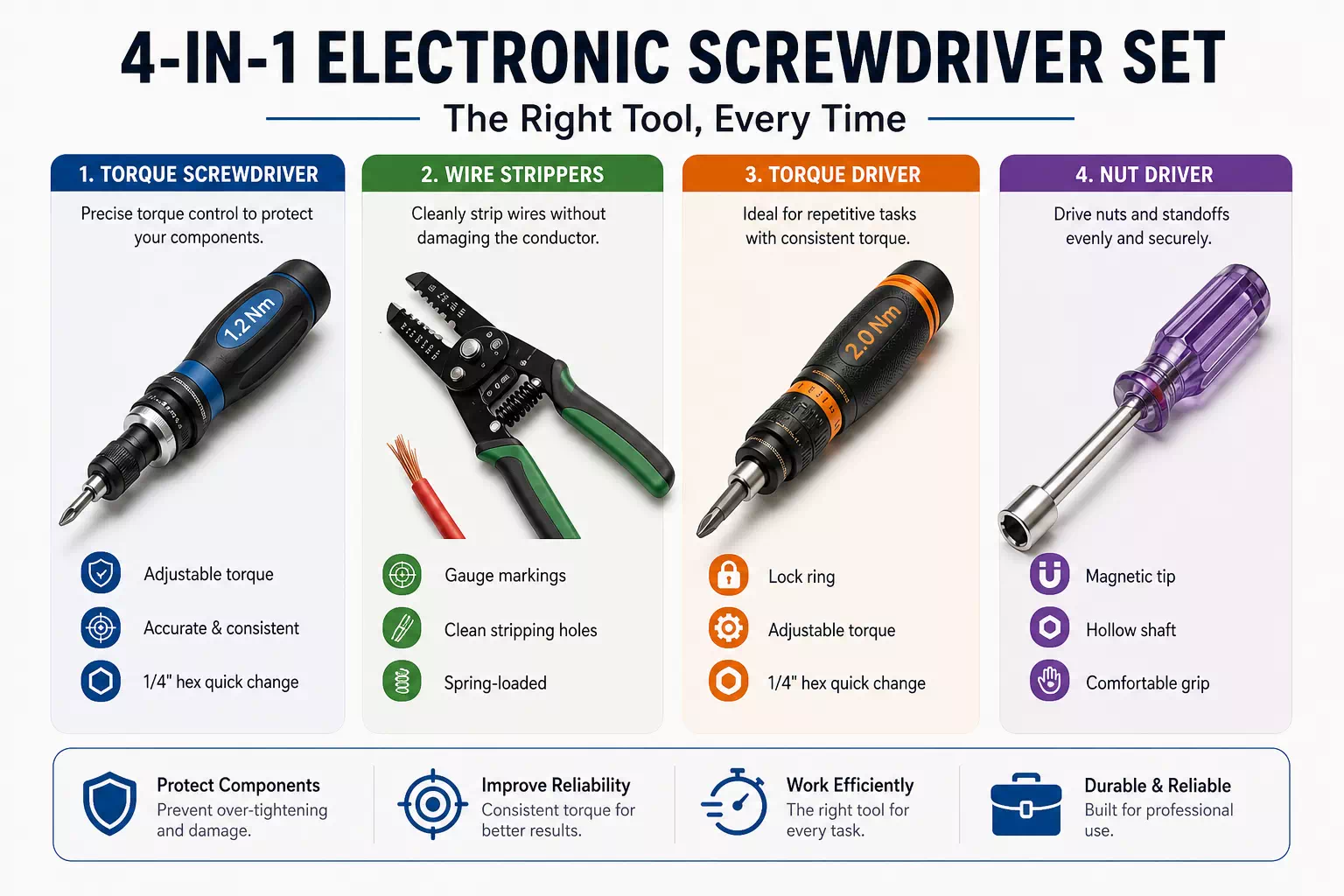
Torque Screwdrivers, Wire Strippers, Torque Drivers, and Nut Drivers: A Practical Electronic Tooling
-
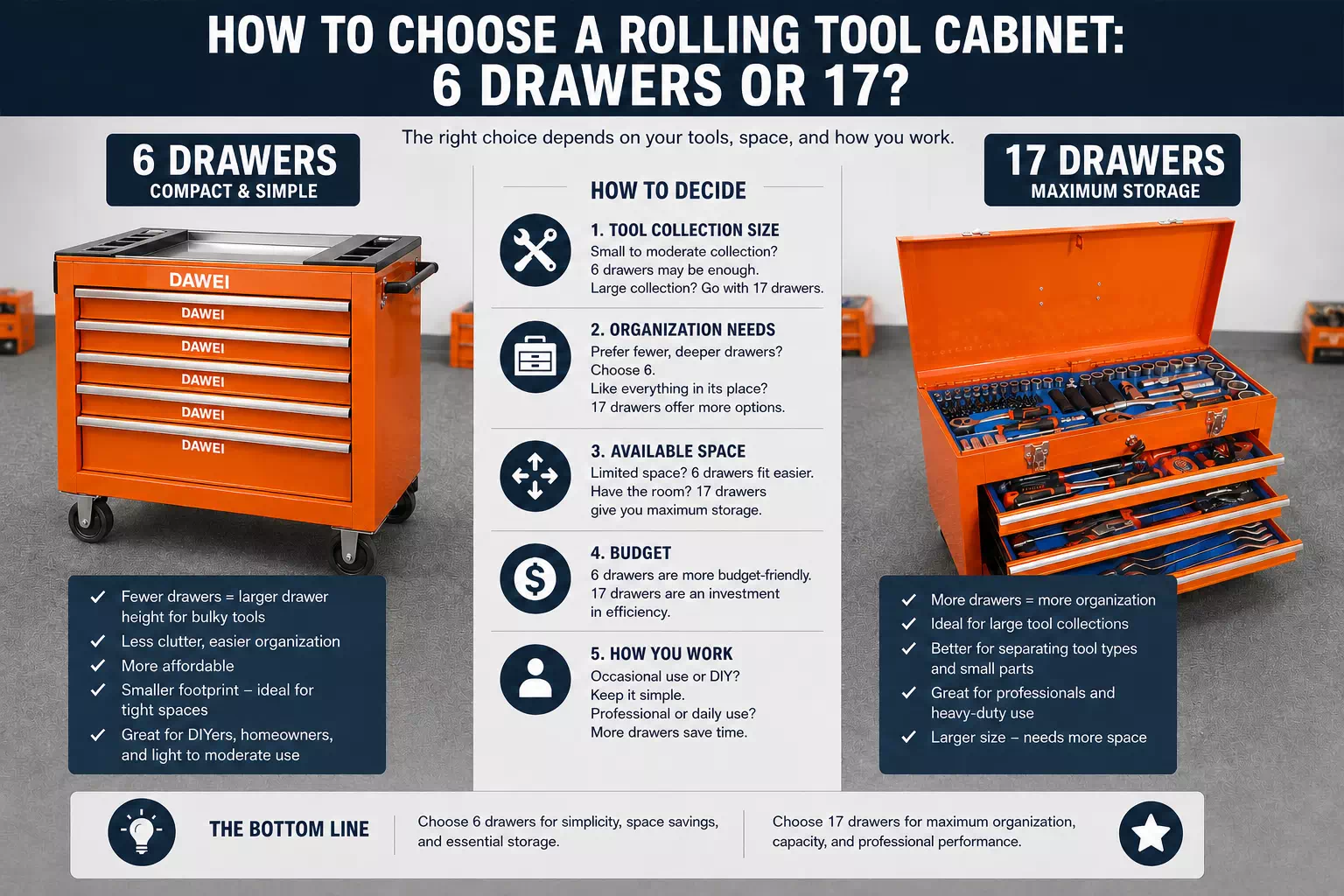
How to Choose a Rolling Tool Cabinet: 6 Drawers or 17?
-
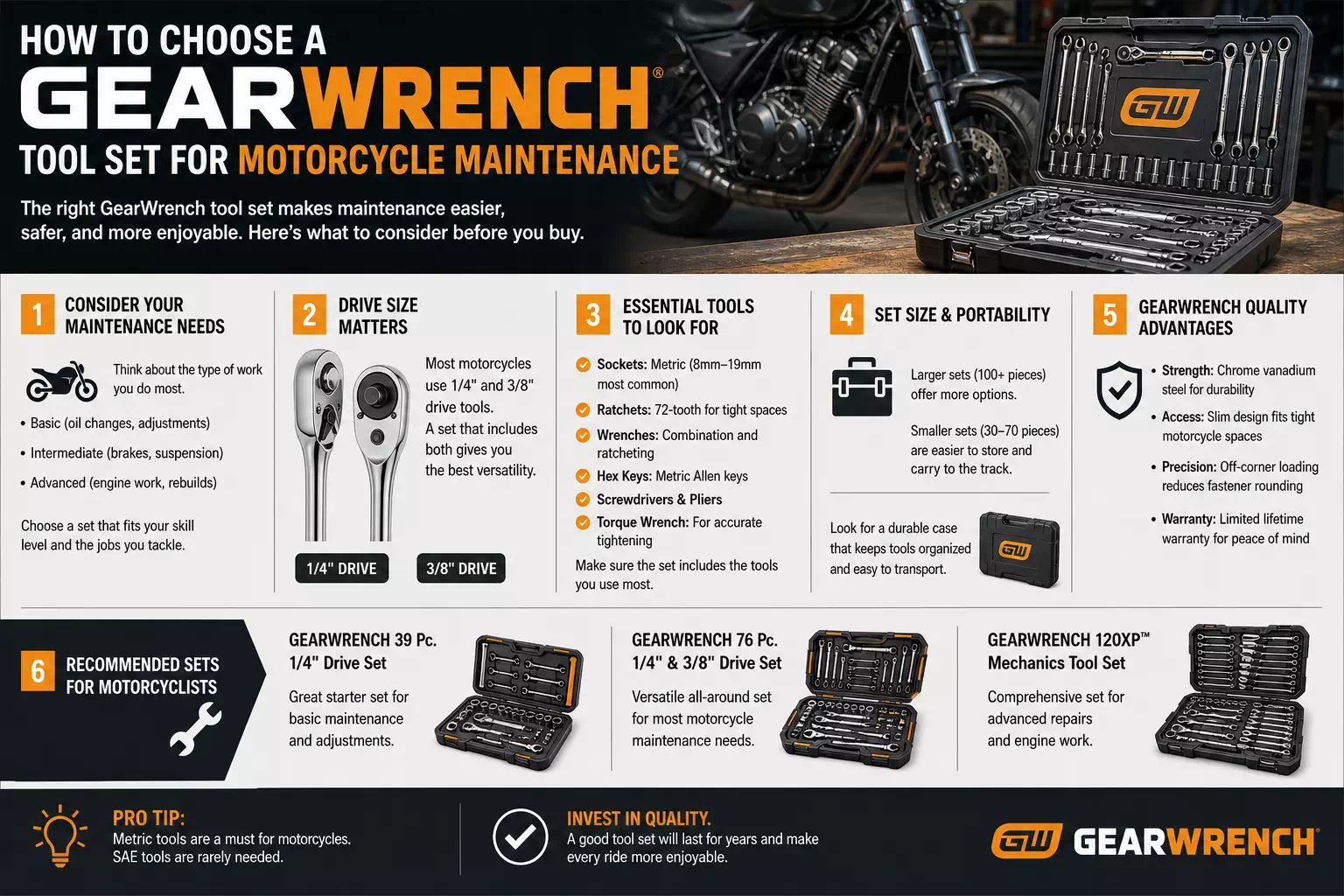
How to Choose a Gear Wrench Tool Set for Motorcycle Maintenance
-
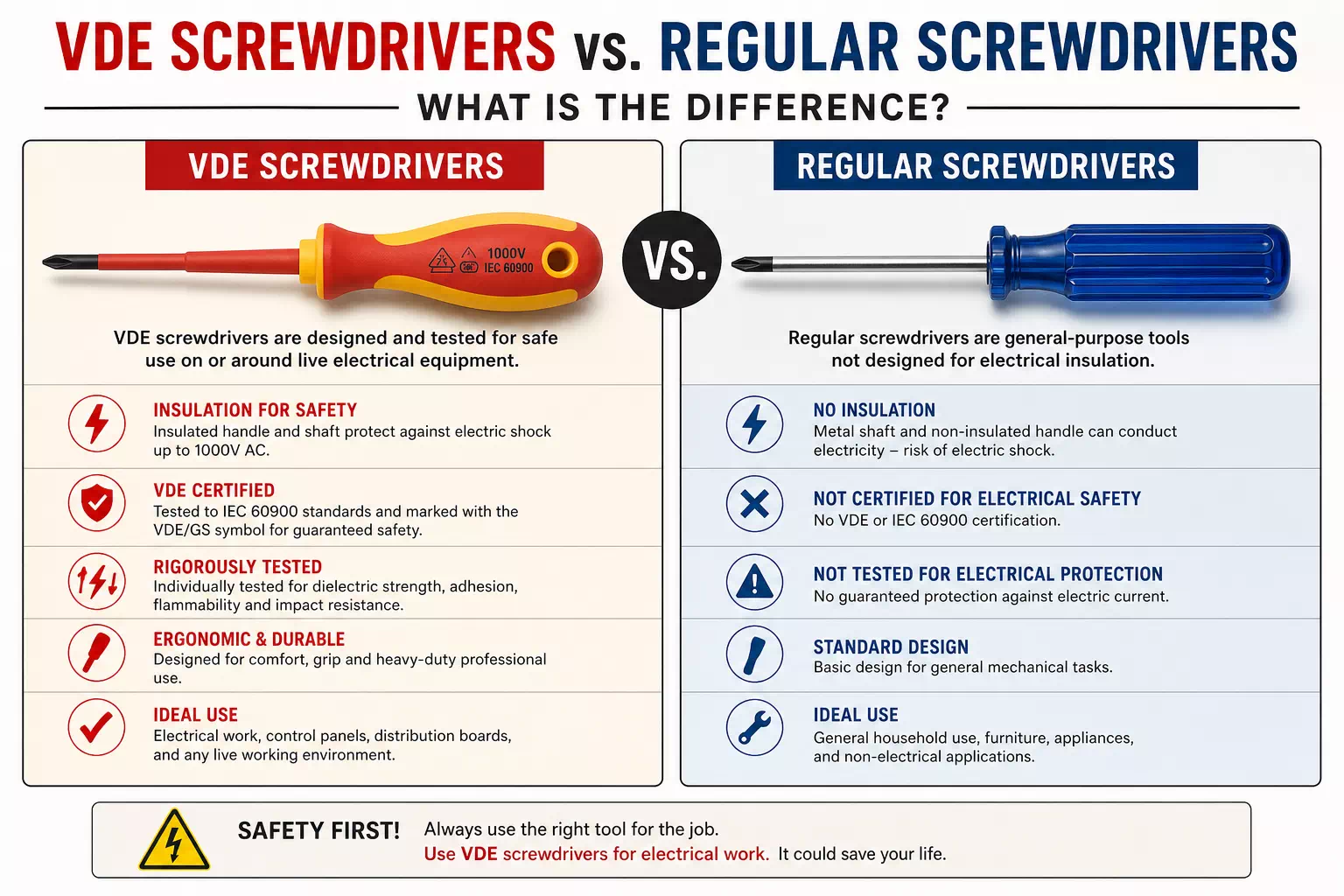
VDE Screwdrivers vs. Regular Screwdrivers: What Is the Difference?
-
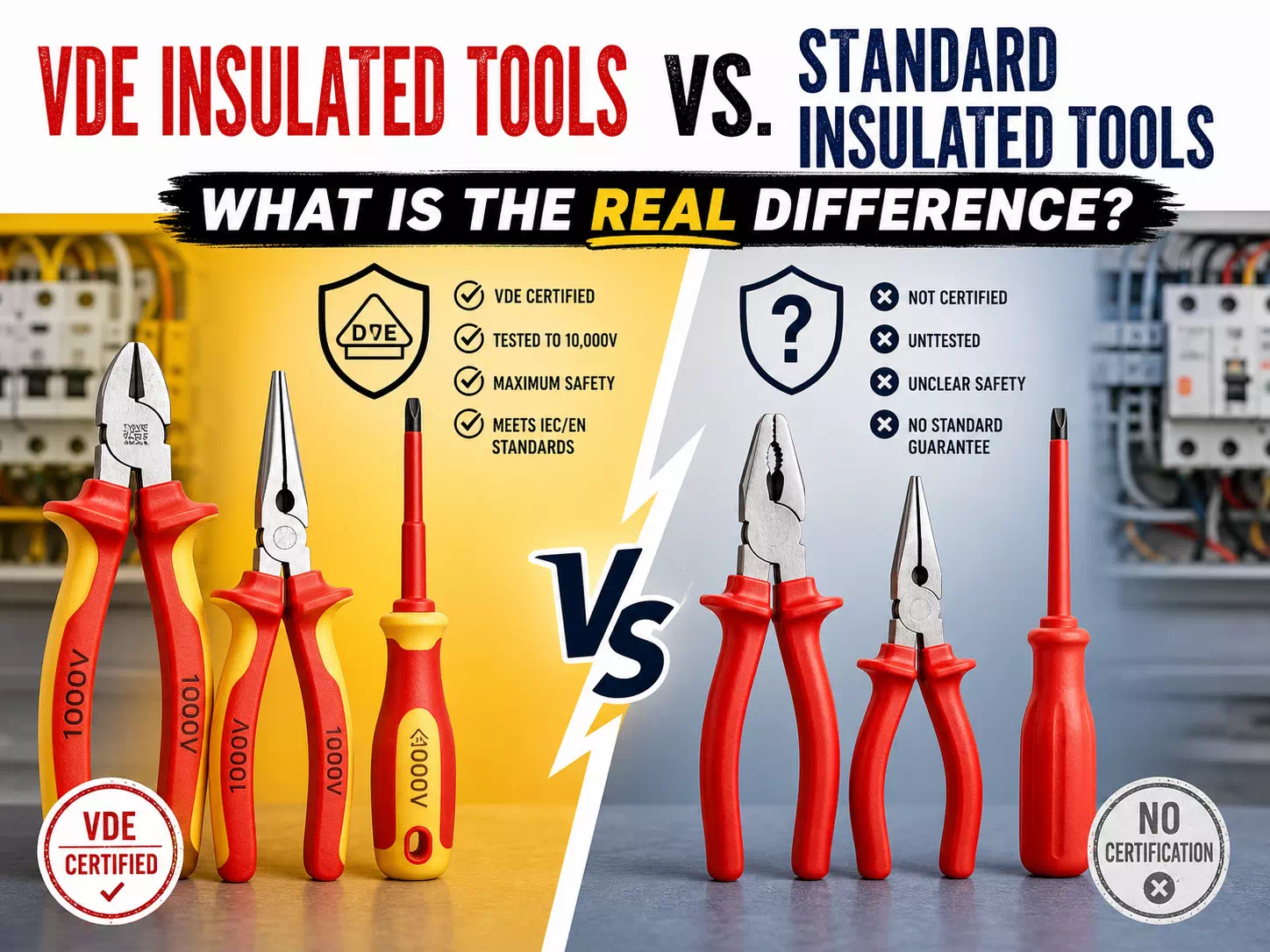
VDE Insulated Tools vs. Standard Insulated Tools: What Is the Real Difference?
-
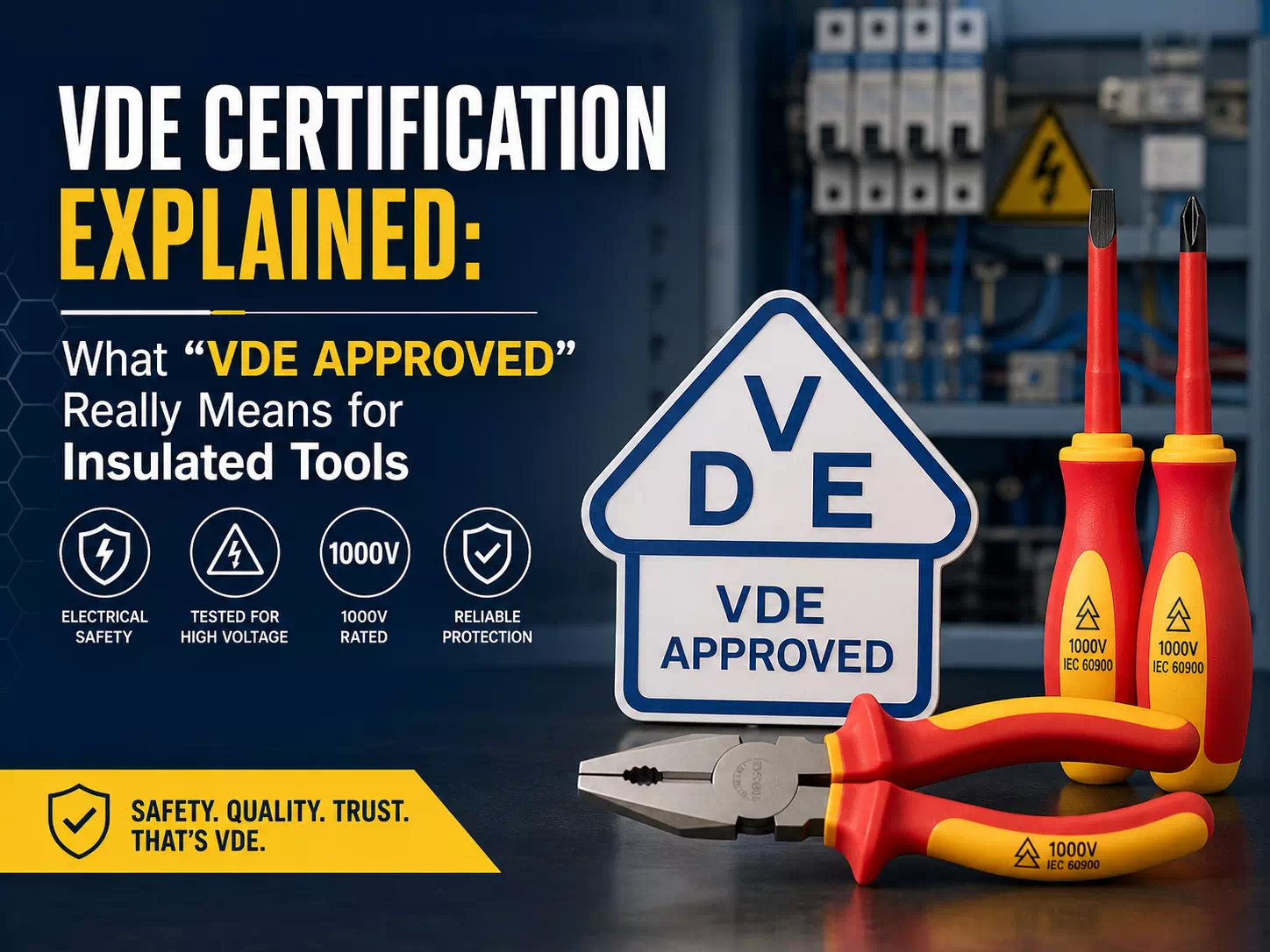
VDE Certification Explained: What “VDE Approved” Really Means for Insulated Tools