
- Dawei Metal 2026 Chinese New Year Special Offer: Gallop into Success with Upgraded Tools!
- Aluminum Alloy Combination Tool Set for Home, Automotive, and Repair Use
- Striking Tools: Types, Uses, and How to Choose the Right One
- Highest Quality Hand Tools: Inside the World's Most Trusted Tool Brands
- Why a Machete Saw Belongs in Your Outdoor Kit
Company:Shandong Dawei Metal Materials Co., Ltd.
Tel:+8615666285386
Email:dwhardwaretools@gmail.com
Address:Room 1413, Building 8, Shandong Steel Xintiandi Plaza, No. 61 Gongye South Road, High-tech Zone, Jinan City
Angle Measuring Tools: A Comprehensive Guide for Industrial Precision & Engineering
Introduction to Angle Measuring Tools in Industrial Applications
In modern industries—from aerospace manufacturing to heavy construction and CNC machining—measurement tools are non-negotiable for ensuring compliance with ISO 9001 quality standards, reducing scrap rates, and maintaining structural integrity. Among these, angle measuring tools play a critical role: accurate angle tools measurement can cut assembly errors by up to 15% (per industry manufacturing data) and extend the lifespan of mechanical components by ensuring precise alignment.This guide will break down the core types of precision measuring tools and angle instruments, their industrial applications, and how to select the right equipment for your workshop or engineering project.
Core Types of Angle Measuring Instruments
Protractors – Basic yet Essential Workshop Measuring Tools
The protractor is the foundational angle measurement instrument, ideal for quick checks in woodworking, metal fabrication, and educational settings. Industrial-grade protractors (stainless steel construction) offer precision up to ±0.1°, making them suitable for low-tolerance workshop tasks. They’re often paired with engineering measuring tools like calipers for full-dimensional checks.<ALT: Stainless steel industrial protractor measuring metal sheet angle in fabrication workshop>
Digital Angle Finders – High-Precision Measuring Tools
Digital angle measuring tools are the go-to for high-tolerance industries like aerospace and automotive manufacturing. Equipped with electronic sensors, they deliver accuracy up to ±0.05°, display readings in real time, and often include data-logging capabilities for quality control records. Many models support wireless sync with CNC machines, streamlining production workflows.
Bevel Gauges – Versatile Angle Tools Measurement for Custom Fabrication
Bevel gauges are adjustable instruments designed to transfer angles between surfaces, making them indispensable for custom metalworking and construction projects. Their hardened steel blades resist wear, and they can lock into place to replicate complex angles across multiple parts—critical for ensuring consistency in batch production.
Combination Squares – All-in-One Industrial Measuring Tools
Combination squares are multi-functional precision measurement instruments that combine angle measurement, linear measurement, and marking capabilities. They’re a staple in CNC workshops, used to check 90° angles on machined parts, mark cut lines, and verify surface flatness.
Electronic Angle Meters – Advanced Precision for Engineering
Electronic angle meters (also known as inclinometers) use tilt sensors to measure slopes and angles with micron-level accuracy. They’re commonly used in civil engineering for structural alignment checks and in heavy machinery maintenance to ensure equipment stability.
Precision Measuring Tools: Synergy with Angle Measurement
Precision measuring tools and angle instruments work hand-in-hand to deliver full-dimensional quality control. For example:
- A CNC machinist might use a digital angle finder to verify the angle of a machined slot, then a micrometer (a core precision tool) to measure its depth.
- Construction teams pair a laser inclinometer with a tape measure to ensure roof slopes meet building code standards.
- Aerospace engineers rely on coordinate measuring machines (CMMs) – advanced precision tools – to validate both angle and dimensional accuracy of critical components.
Industry-Specific Applications of Angle Measuring Tools
Manufacturing & CNC Machining
In industrial manufacturing, angle tools measurement ensures parts fit seamlessly during assembly. Digital angle finders are used to check the angle of gear teeth, while combination squares verify the squareness of machine beds to prevent production errors.
Construction & Civil Engineering
Angle measuring tools are critical for structural integrity: inclinometers check foundation slopes, protractors verify window frame alignment, and digital angle finders ensure solar panel installations meet optimal tilt angles for energy efficiency.
Automotive & Aerospace
High-precision industrial measuring tools like electronic angle meters are used to calibrate engine components and align aircraft fuselage parts, where even 0.01° deviation can lead to catastrophic failures.
Woodworking & Custom Fabrication
Bevel gauges and protractors help craftsmen replicate complex angles in furniture design, while digital angle finders ensure consistent cuts for large-scale woodworking projects.
How to Select the Right Angle & Precision Measuring Tools
Choosing the right instrument depends on 4 key factors for B2B users:
- Accuracy Requirements: For aerospace or medical device manufacturing, opt for digital angle measuring tools with ±0.05° precision; for general workshop tasks, a protractor or combination square suffices.
- Durability: Industrial-grade tools should be made of hardened stainless steel or aluminum to withstand harsh factory environments.
- Integration Capabilities: If you use CNC machines, select digital tools with wireless data sync to streamline quality control.
- Compliance: Ensure tools meet ISO 17025 calibration standards for traceable quality records.
Maintenance & Calibration Tips for Long-Term Accuracy
To extend the lifespan of your precision measurement instruments and maintain accuracy:
- Calibrate angle tools every 6 months (or after 500 hours of use) per industry standards.
- Store tools in dust-proof cases to prevent debris from affecting sensor accuracy.
- Clean contact points with isopropyl alcohol after each use to avoid contamination.
- For digital tools, replace batteries regularly to prevent sudden power loss during measurements.
FAQ: Expert Answers to Angle Measurement Tool Questions
Q1: What’s the difference between measurement tools and precision measuring tools?
A: General measurement tools (e.g., basic rulers, plastic protractors) offer low accuracy for non-critical tasks, while precision measuring tools (e.g., digital angle finders, micrometers) deliver ±0.01° to ±0.05° accuracy, meeting industrial quality control standards.
Q2: How do I calibrate angle measuring tools to comply with ISO 9001?
A: Use a certified calibration block or laser alignment system to verify tool accuracy. Document all calibration dates and results to maintain compliance with ISO 9001 quality management requirements.
Q3: Which angle measuring tool is best for CNC machining workshops?
A: Digital angle finders with wireless data sync are ideal for CNC workshops, as they can directly feed measurement data into machine control systems, reducing manual data entry errors.
Q4: Can angle measuring tools be used in outdoor construction environments?
A: Yes, look for water-resistant and dust-proof models (IP65 rating or higher) to withstand rain, dust, and extreme temperatures on construction sites.
Q5: How do angle measuring tools improve manufacturing efficiency?
A: By ensuring consistent part angles, these tools reduce rework and scrap rates, cutting production costs by up to 12% (per manufacturing industry benchmarks).
If you need professional measuring tools, contact me for excellent service.
- Pro:Precision Measuring Tools: A Comprehensive Guide for Metalworking Professionals
- Next:Precision Measuring Tools Guid
-
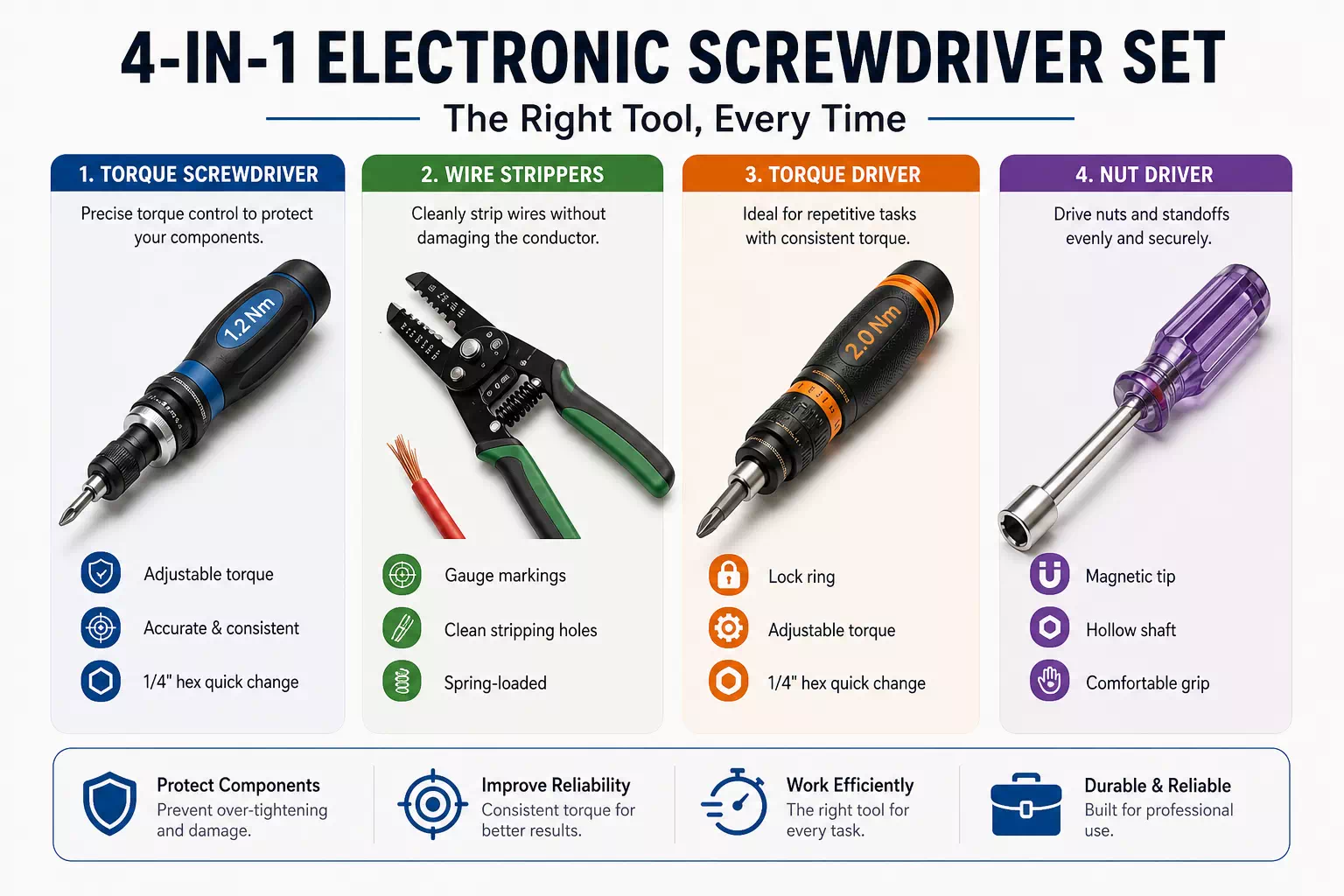
Torque Screwdrivers, Wire Strippers, Torque Drivers, and Nut Drivers: A Practical Electronic Tooling
-
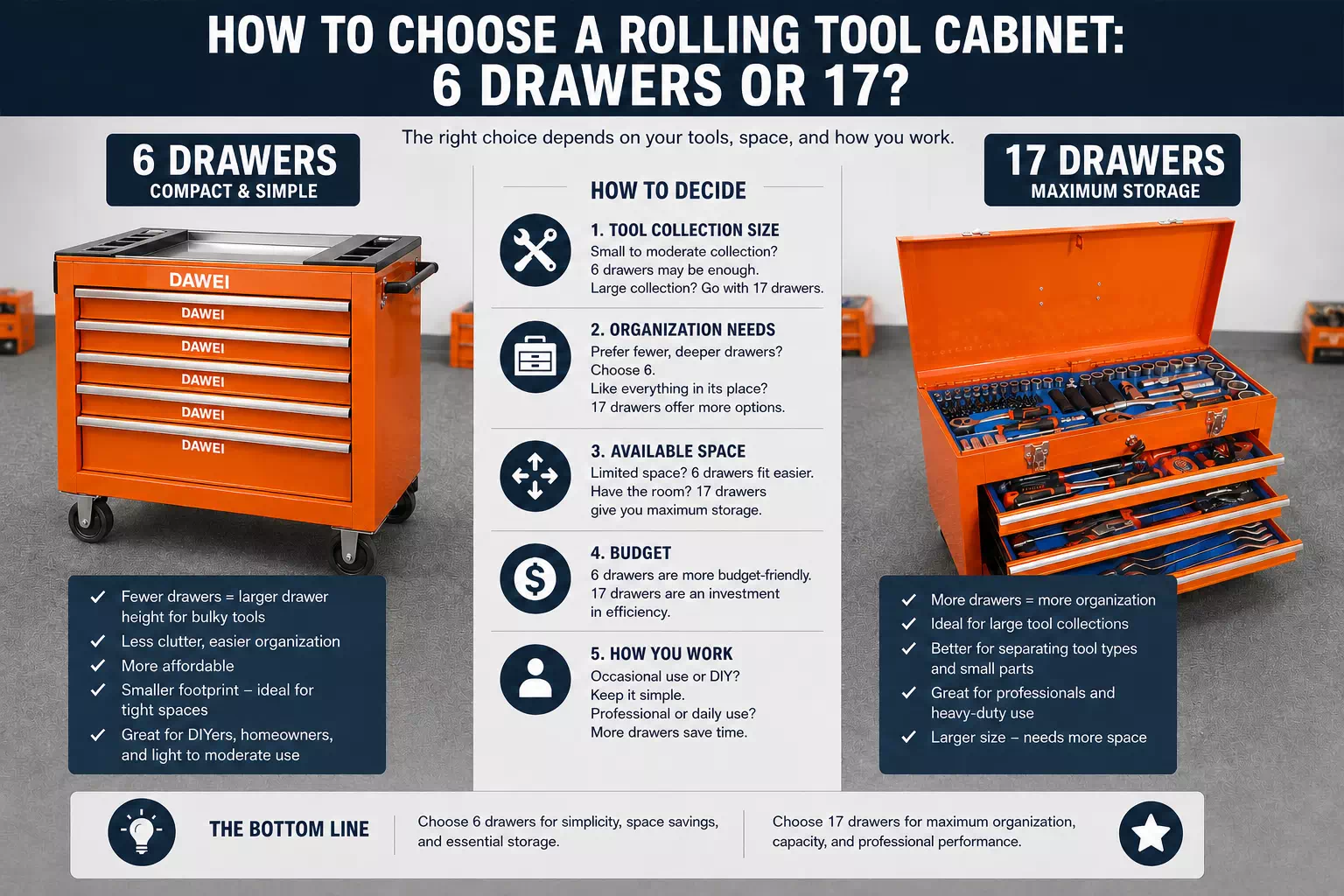
How to Choose a Rolling Tool Cabinet: 6 Drawers or 17?
-
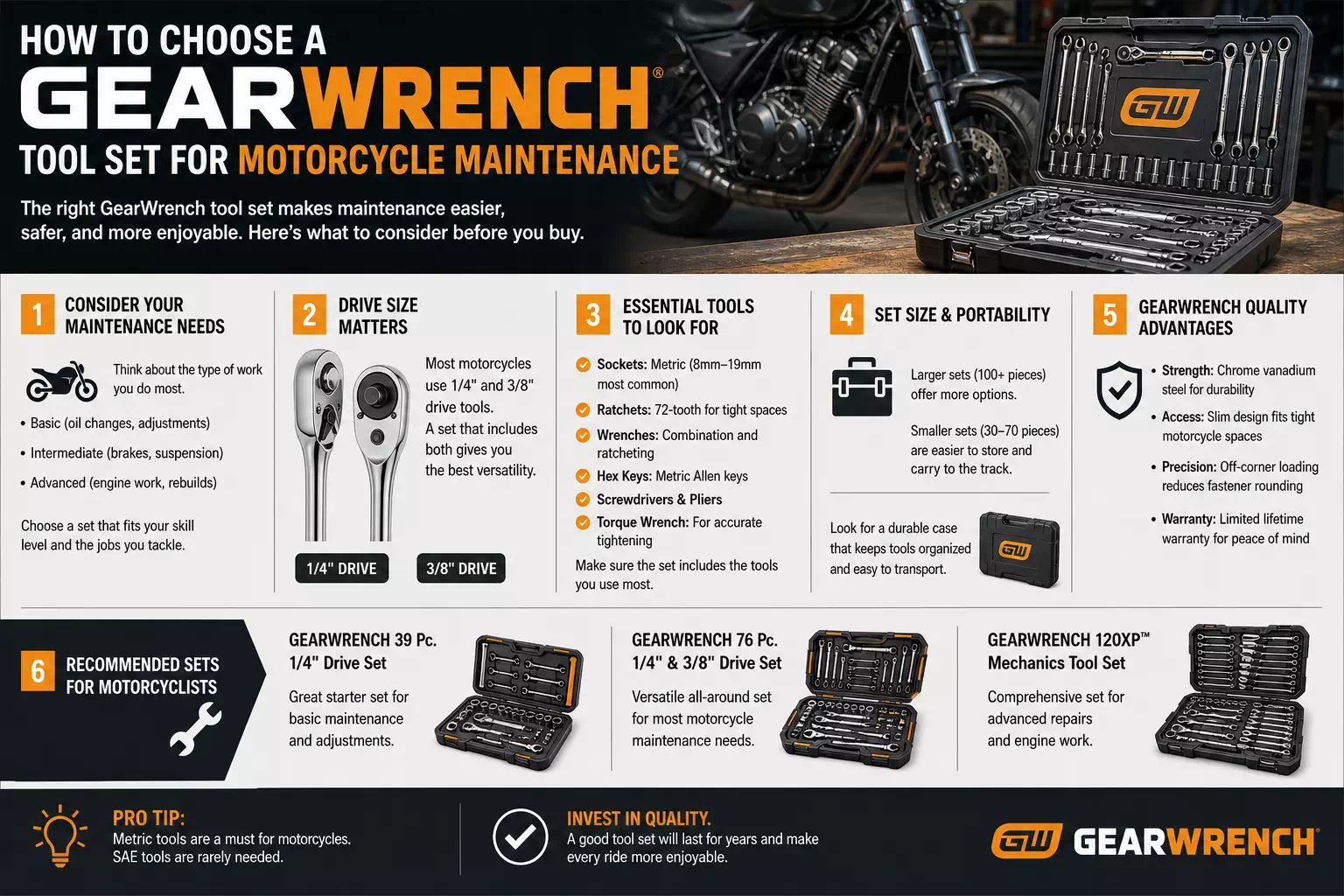
How to Choose a Gear Wrench Tool Set for Motorcycle Maintenance
-
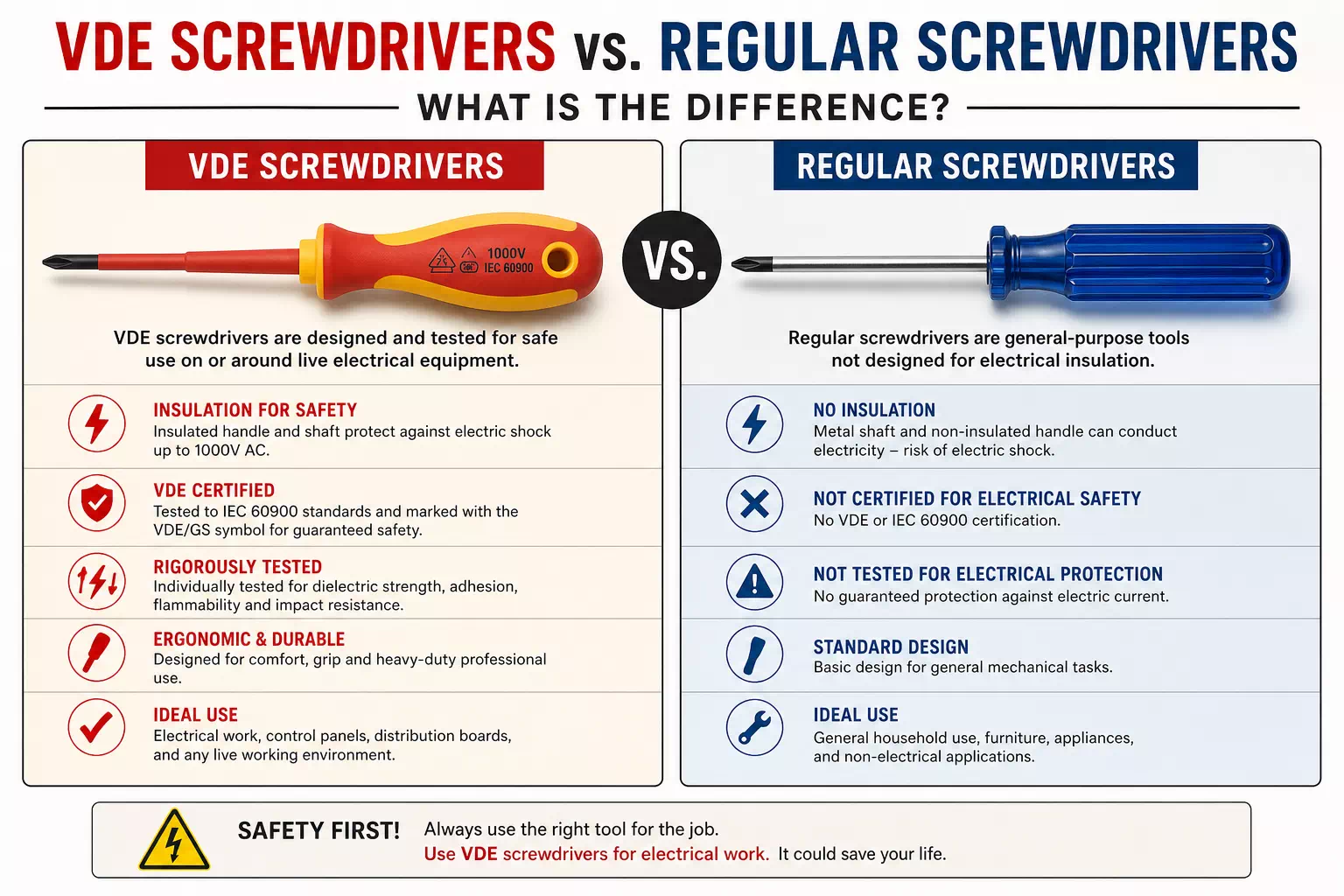
VDE Screwdrivers vs. Regular Screwdrivers: What Is the Difference?
-
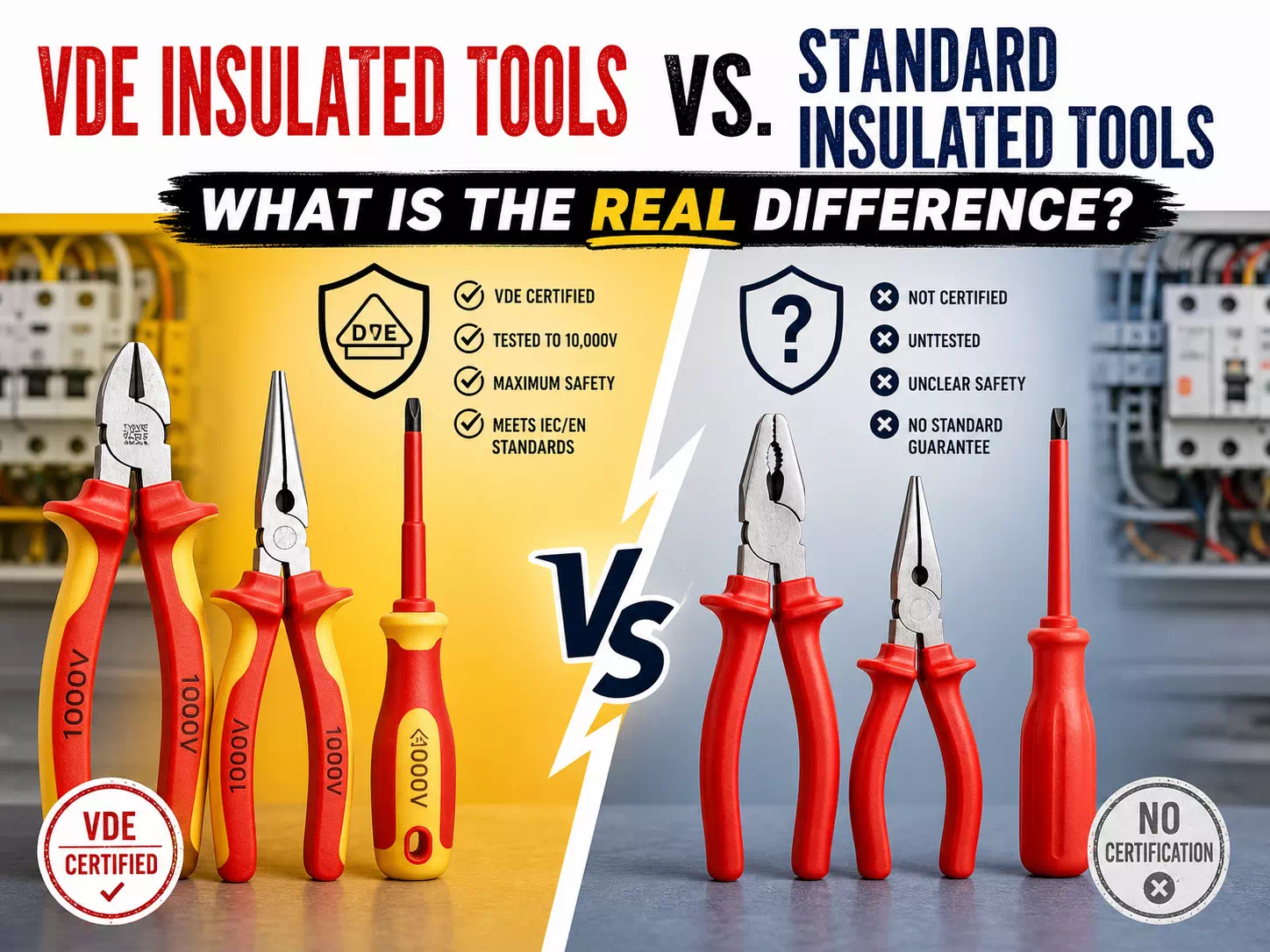
VDE Insulated Tools vs. Standard Insulated Tools: What Is the Real Difference?
-
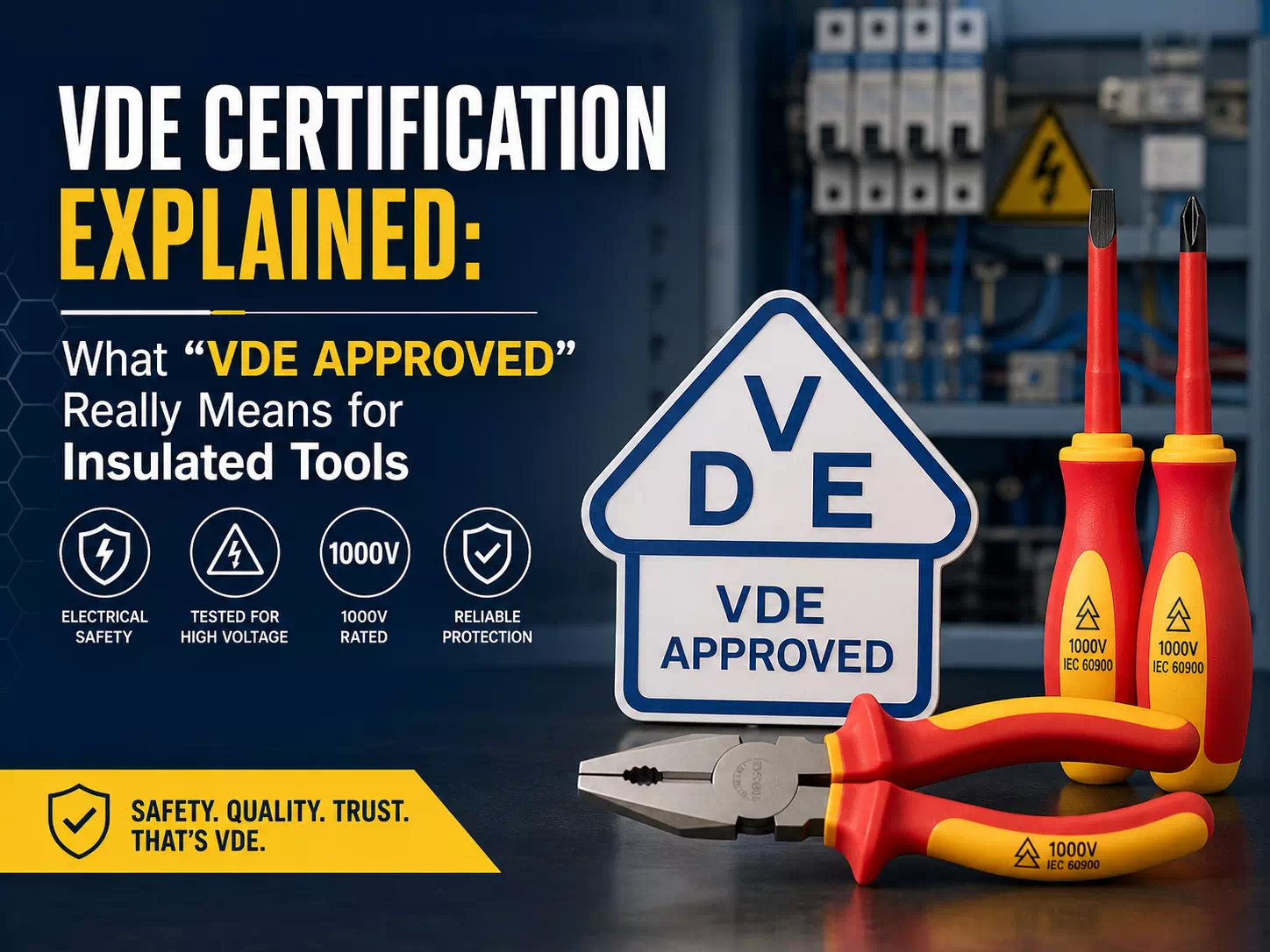
VDE Certification Explained: What “VDE Approved” Really Means for Insulated Tools