
- Dawei Metal 2026 Chinese New Year Special Offer: Gallop into Success with Upgraded Tools!
- Aluminum Alloy Combination Tool Set for Home, Automotive, and Repair Use
- Striking Tools: Types, Uses, and How to Choose the Right One
- Highest Quality Hand Tools: Inside the World's Most Trusted Tool Brands
- Why a Machete Saw Belongs in Your Outdoor Kit
Company:Shandong Dawei Metal Materials Co., Ltd.
Tel:+8615666285386
Email:dwhardwaretools@gmail.com
Address:Room 1413, Building 8, Shandong Steel Xintiandi Plaza, No. 61 Gongye South Road, High-tech Zone, Jinan City
Precision Measuring Tools: A Comprehensive Guide for Metalworking Professionals
Introduction
In metalworking and industrial manufacturing, even a 0.01mm deviation can lead to scrap parts, production delays, and thousands of dollars in lost revenue. For B2B manufacturers, fabricators, and CNC shops, investing in the right precision measuring tools isn’t just a choice—it’s a critical component of maintaining quality control, meeting industry standards, and maximizing operational efficiency.
At Dawei Metal, we’ve supported hundreds of metalworking businesses in selecting and implementing measurement solutions tailored to their production needs. This guide will break down everything you need to know about industrial measuring tools: from core instrument types to calibration best practices, helping you make data-driven decisions to elevate your fabrication processes.
What Are Industrial Precision Measuring Tools?
Industrial precision measuring tools are specialized instruments designed to capture accurate dimensional, geometric, and surface data of metal parts and components. Unlike consumer-grade tools, these instruments are built to withstand harsh factory environments, deliver consistent results, and meet strict industry standards (such as ISO 9001 quality management systems).
In metalworking, these tools play three key roles:
Quality Control: Verify that finished parts match design specifications
Process Optimization: Identify inefficiencies in CNC machining or fabrication lines
Compliance: Ensure products meet regulatory requirements for aerospace, automotive, or medical device industries
Types of Measuring Tools for Metalworking Applications
Calipers & Micrometers: Basic Metalworking Instruments
Calipers and micrometers are the workhorses of metalworking measurement, used for quick, accurate dimensional checks:
Digital Calipers: Ideal for measuring outer/inner diameters, depths, and steps in pipe fabrication or sheet metal cutting. They offer instant digital readouts, reducing human error.
Vernier Calipers: A cost-effective analog option for small-scale shops, suitable for measuring parts where high precision (±0.02mm) is required.
Outside Micrometers: The gold standard for measuring thin metal sheets or precision CNC-machined parts with accuracy up to ±0.001mm.
Dial Gauges & Digital Indicators for Quality Control
These tools measure small deviations or surface irregularities, critical for ensuring parts fit together seamlessly:
Dial Gauges: Used to check runout in rotating parts (e.g., automotive engine components) or alignment in CNC machine beds.
Digital Indicators: Offer higher precision and data logging capabilities, making them ideal for automated quality control systems.
Coordinate Measuring Machines (CMMs) for Precision Fabrication
CMMs are advanced, computer-controlled tools that measure complex 3D geometries of metal parts. They’re essential for aerospace, medical device, and automotive manufacturers where parts require micron-level accuracy. CMMs use touch probes to collect data points, which are then analyzed to verify compliance with CAD designs.
Height Gauges & Depth Meters for Dimensional Testing
Height gauges measure vertical distances, perfect for checking the height of machined features or ensuring consistent hole placement in metal plates. Depth meters, meanwhile, are used to measure recesses or groove depths in parts like gears or brackets.
How to Select the Right Measuring Tools for Your Production Line
Choosing the right measuring tool depends on three key factors:
1.Precision Requirements: For medical device parts, a CMM or digital micrometer is necessary; for general sheet metal work, calipers may suffice.
2.Production Volume: High-volume factories benefit from automated tools (e.g., inline measurement systems), while small shops can use manual instruments.
3.Environment: Tools used in welding or grinding shops need to be dust-proof and water-resistant, with durable casings to withstand vibrations.
Pro Tip: Prioritize tools that integrate with your existing CNC systems for real-time data analysis. This helps you catch errors early, reducing scrap rates by up to 15% (based on Dawei Metal customer data).
Key Advantages of High-Precision Measurement Instruments
Investing in industrial-grade measuring tools delivers tangible ROI for metalworking businesses:
Reduced Scrap Costs: Accurate measurements minimize part defects, cutting down on material waste.
Faster Production Cycles: Real-time data eliminates rework delays, speeding up time-to-market.
Improved Customer Trust: Consistent quality ensures products meet client specifications, boosting long-term loyalty.
Regulatory Compliance: Tools with traceable calibration certificates help you pass audits for ISO or aerospace industry standards.
Calibration & Maintenance Tips for Measuring Tools
Even the best measuring tools lose accuracy over time due to wear, vibration, or environmental factors. Follow these tips to extend their lifespan and ensure reliable results:
Step-by-Step Calibration Guide for Manual Measuring Tools
1.Schedule Regular Calibration: For high-precision tools, calibrate every 3–6 months; for general use tools, every 12 months.
2.Use Traceable Standards: Calibrate against certified reference blocks or gauges to ensure compliance with ISO 17025.
3.Document All Calibrations: Keep a log of calibration dates and results for audits and quality control records.
Common Maintenance Mistakes to Avoid
Exposing Tools to Harsh Conditions: Store tools in protective cases when not in use, away from dust, moisture, and extreme temperatures.
Ignoring Wear Signs: If a caliper’s jaws are scratched or a micrometer’s spindle is bent, replace or repair it immediately.
Over-Tightening Micrometers: This can damage the spindle and reduce accuracy; use the ratchet stop to apply consistent pressure.
FAQ About Metalworking Measuring Tools
Q1: What measuring tools are essential for a small metalworking shop?
A: A basic toolkit should include a digital caliper, outside micrometer, dial gauge, and height gauge. These tools cover most day-to-day measurement needs for small-scale fabrication.Q2: How often should industrial measuring tools be calibrated?
A: For tools used in high-precision applications (e.g., CNC machining for aerospace), calibrate every 3 months. For general use tools, annual calibration is sufficient. Always follow the manufacturer’s recommendations.Q3: Digital vs. analog measuring tools—Which is better for metalworking?
A: Digital tools offer faster readouts and data logging capabilities, making them ideal for high-volume production. Analog tools are more durable in extreme environments and don’t require batteries, making them a reliable backup. Many shops use a combination of both.Q4: Can I use consumer-grade measuring tools for industrial metalworking?
A: No. Consumer-grade tools lack the precision, durability, and calibration traceability required for industrial applications. Using them can lead to defective parts, compliance issues, and increased costs.Q5: How do I know if my measuring tool is no longer accurate?
A: Signs include inconsistent readouts, visible wear on contact points, or parts failing quality control checks despite correct machine settings. If you suspect inaccuracy, send the tool for professional calibration immediately.If you need professional measuring tools, contact me for excellent service.
- Pro:Measuring Tools: Complete Guide to Precision Measuring Instruments and Measurement Tools
- Next:Angle Measuring Tools: A Compr
-
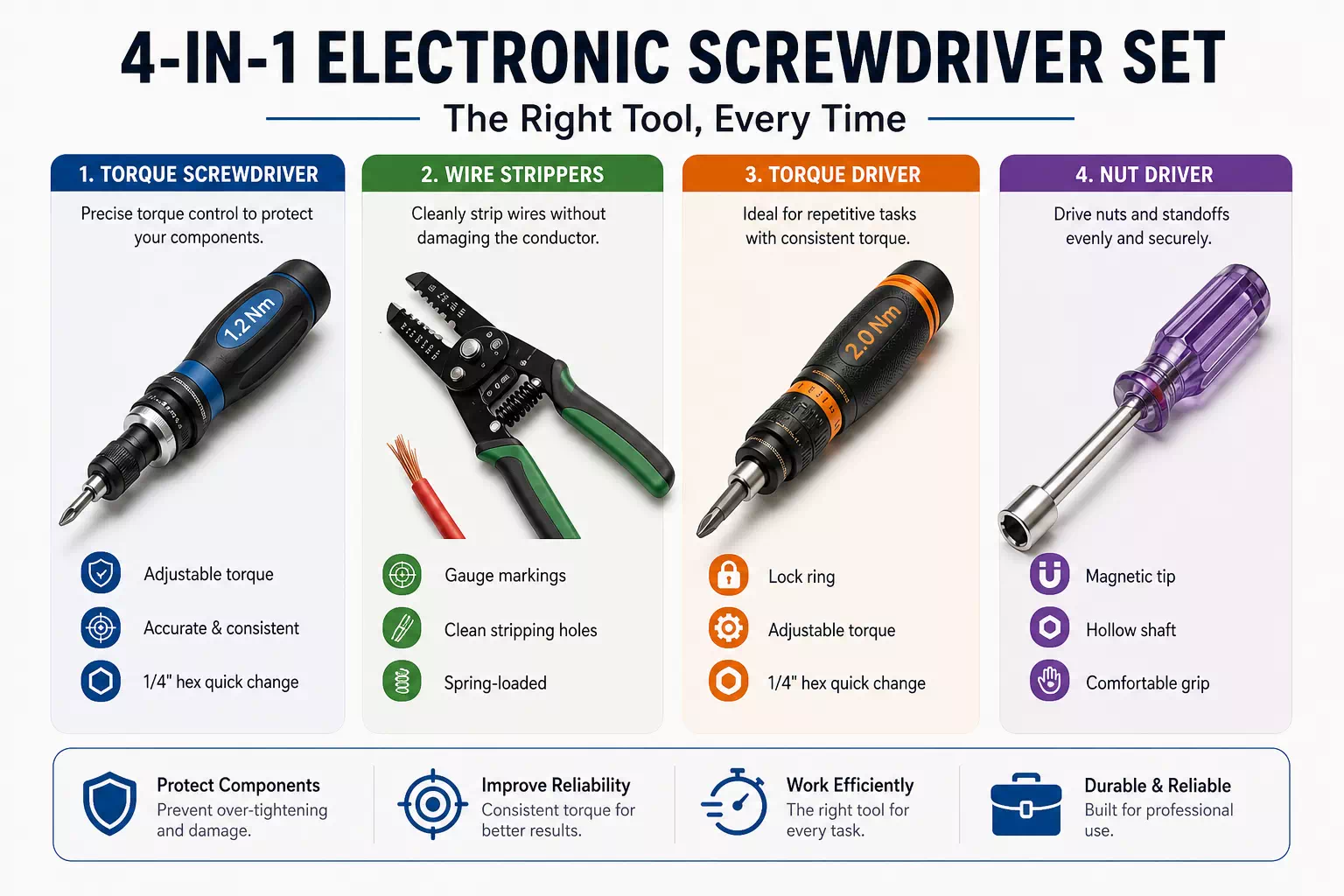
Torque Screwdrivers, Wire Strippers, Torque Drivers, and Nut Drivers: A Practical Electronic Tooling
-
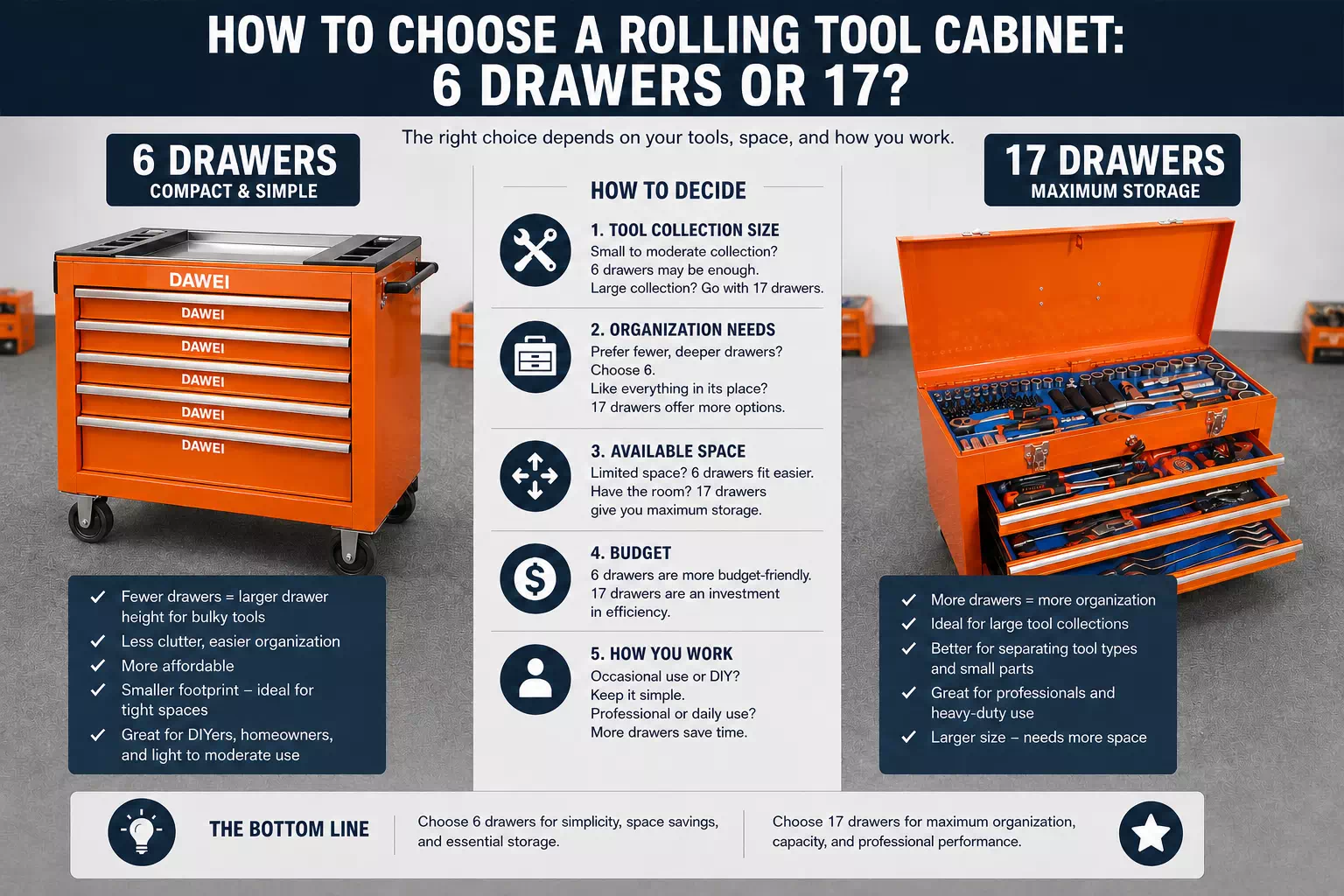
How to Choose a Rolling Tool Cabinet: 6 Drawers or 17?
-
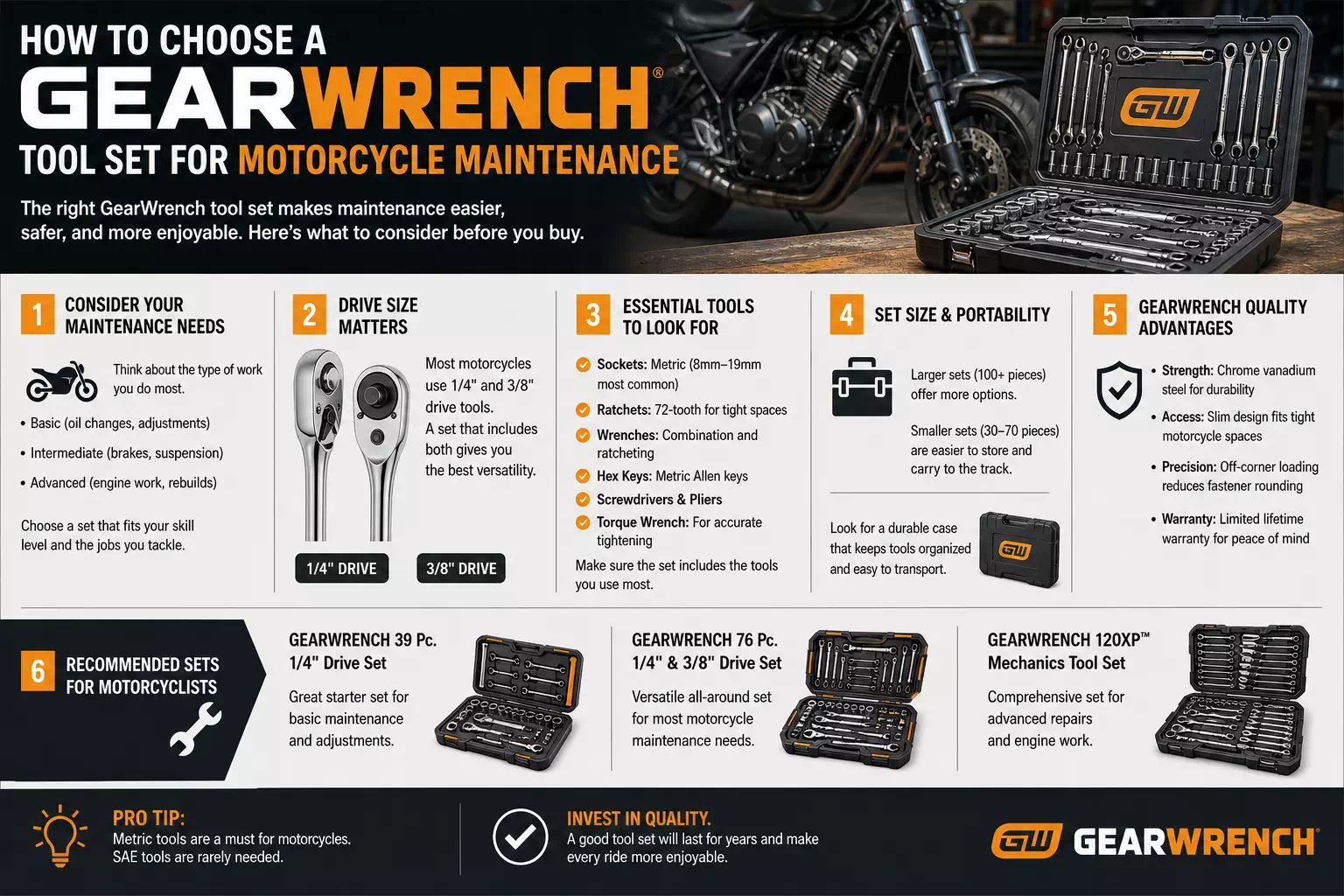
How to Choose a Gear Wrench Tool Set for Motorcycle Maintenance
-
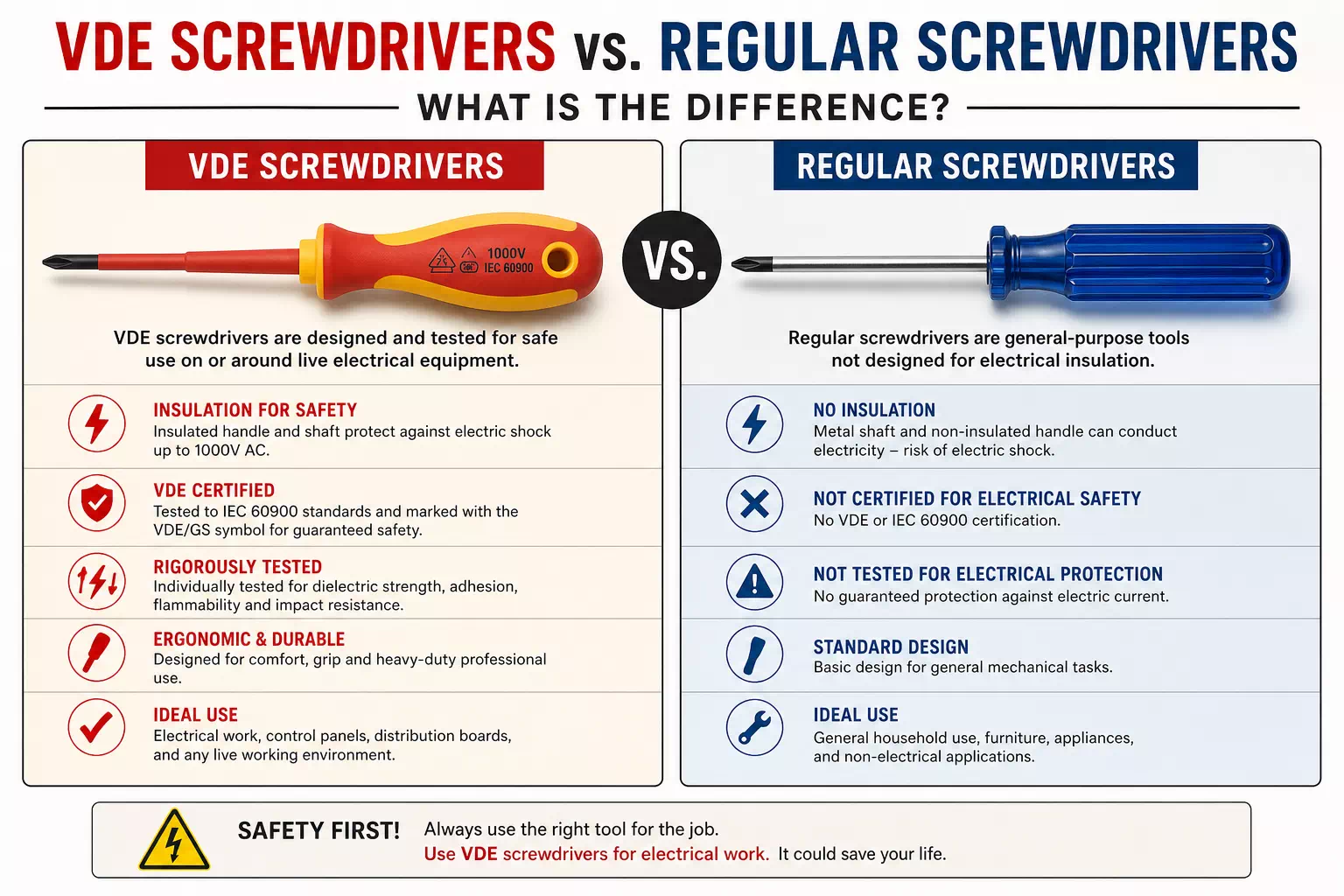
VDE Screwdrivers vs. Regular Screwdrivers: What Is the Difference?
-
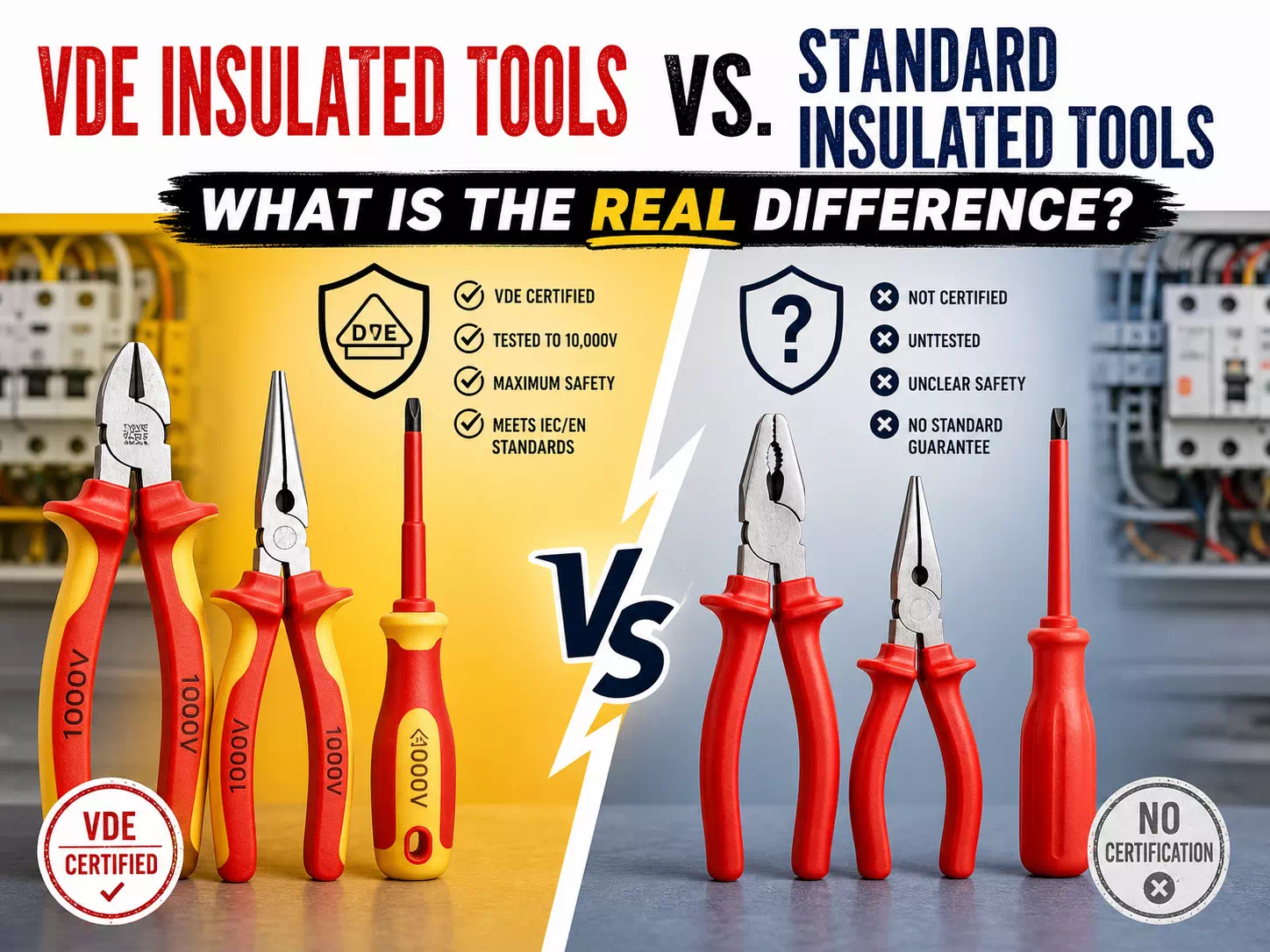
VDE Insulated Tools vs. Standard Insulated Tools: What Is the Real Difference?
-
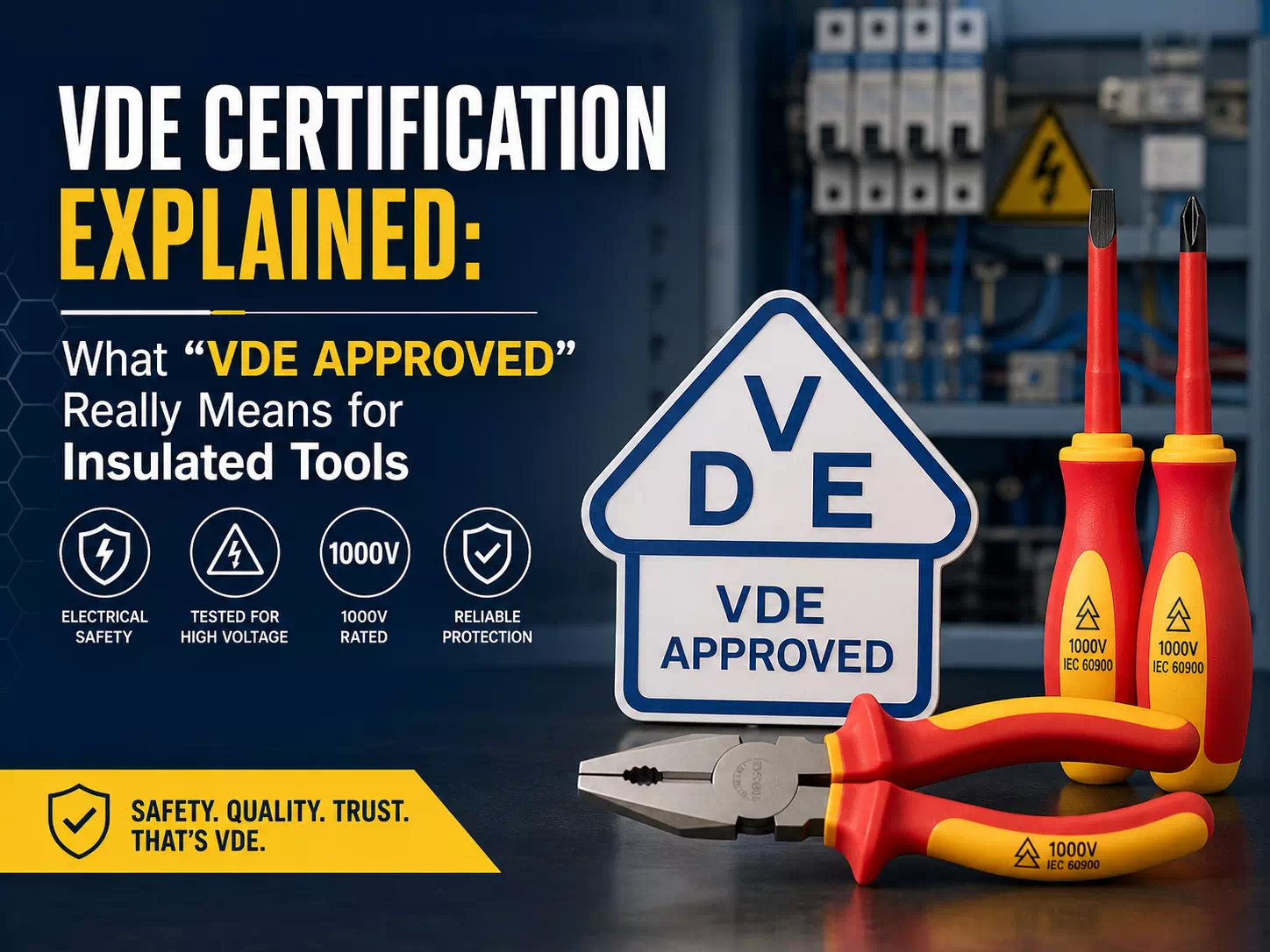
VDE Certification Explained: What “VDE Approved” Really Means for Insulated Tools