
- Dawei Metal 2026 Chinese New Year Special Offer: Gallop into Success with Upgraded Tools!
- Aluminum Alloy Combination Tool Set for Home, Automotive, and Repair Use
- Striking Tools: Types, Uses, and How to Choose the Right One
- Highest Quality Hand Tools: Inside the World's Most Trusted Tool Brands
- Why a Machete Saw Belongs in Your Outdoor Kit
Company:Shandong Dawei Metal Materials Co., Ltd.
Tel:+8615666285386
Email:dwhardwaretools@gmail.com
Address:Room 1413, Building 8, Shandong Steel Xintiandi Plaza, No. 61 Gongye South Road, High-tech Zone, Jinan City
Measuring Tools: Complete Guide to Precision Measuring Instruments and Measurement Tools
Introduction to Measuring Tools
In modern manufacturing, construction, automotive repair, and engineering industries, measuring tools play a crucial role in ensuring accuracy, quality, and efficiency. From simple rulers to advanced precision measuring instruments, these tools help professionals measure length, angle, depth, diameter, and other critical dimensions.
Whether you are a technician, engineer, or workshop operator, understanding different measurement and measuring tools can significantly improve productivity and product quality.
This guide introduces the most common types of tools measuring tools, their applications, and how to choose the right instrument for your project.
What Are Measuring Tools?
Measuring tools are instruments designed to determine physical dimensions such as length, width, thickness, angle, or depth. They are widely used in industries including manufacturing, construction, machining, metalworking, woodworking, and mechanical engineering.
Basic measuring tools provide quick measurements, while precision measuring instruments offer extremely accurate readings required in professional and industrial environments.
Common measurement units include:
Millimeters (mm)
Inches (in)
Microns (μm)
Degrees (°)
Accurate measurement ensures proper fitting of parts, high-quality production, and compliance with engineering standards.
Types of Measuring Tools
There are many different measurement and measuring tools available depending on the level of precision required.
1. Linear Measuring Tools
Linear measuring tools are used to measure length, width, and height.
Common examples include:
Steel rulers
Tape measures
Measuring tapes
Folding rulers
These tools measuring tools are commonly used in construction, carpentry, and daily workshop applications.
2. Precision Measuring Instruments
For engineering and machining tasks, precision measuring instruments are essential. They provide highly accurate measurements with minimal error.
Typical precision measuring tools include:
Vernier calipers
Digital calipers
Micrometers
Dial indicators
Height gauges
These instruments are widely used in mechanical workshops, manufacturing plants, and quality inspection departments.
3. Angle Measuring Tools
Angle measuring tools help measure angles accurately in machining and construction.
Common tools include:
Protractors
Digital angle finders
Combination squares
Bevel gauges
They are frequently used for metal fabrication, woodworking, and mechanical assembly.
4. Specialized Measurement Tools
Some industries require specialized measurement and measuring tools designed for specific applications.
Examples include:
Depth gauges
Thickness gauges
Feeler gauges
Laser measuring tools
These tools improve efficiency and accuracy in professional measurement tasks.
Applications of Measuring Tools
High-quality measuring tools are widely used across multiple industries.
Manufacturing Industry
In manufacturing, precision measuring instruments ensure that machine parts meet strict dimensional tolerances and quality standards.
Construction Industry
Construction professionals rely on measurement and measuring tools such as tape measures and laser distance meters to ensure accurate building layouts.
Automotive Repair
Mechanics use various tools measuring tools like calipers and micrometers to measure engine components and mechanical parts.
Woodworking and Carpentry
Woodworkers depend on accurate measuring tools to cut materials precisely and assemble furniture correctly.
How to Choose the Right Measuring Tools
Selecting the correct precision measuring instruments depends on several factors.
Measurement Accuracy
For industrial applications, choose tools with high precision such as micrometers or digital calipers.
Material and Durability
High-quality stainless steel measuring tools provide better durability and corrosion resistance.
Measurement Range
Different tools support different measurement ranges. Ensure the instrument meets your measurement requirements.
Ease of Use
Digital measuring tools offer quick readings and improved efficiency compared with traditional manual tools.
Advantages of Precision Measuring Instruments
Using high-quality precision measuring instruments provides several benefits:
Improved measurement accuracy
Higher production quality
Reduced measurement errors
Increased work efficiency
Better quality control in manufacturing
Reliable measurement and measuring tools are essential for industries where precision is critical.
Future Trends in Measuring Tools
With technological development, modern measuring tools are becoming smarter and more efficient. Digital and laser-based precision measuring instruments are increasingly used in industrial environments.
Key trends include:
Digital measurement systems
Smart measuring tools with data output
Laser distance measurement technology
High-precision electronic instruments
These innovations improve productivity and measurement reliability.
Conclusion
Measuring tools are essential instruments used across manufacturing, construction, engineering, and repair industries. From basic rulers to advanced precision measuring instruments, accurate measurement ensures product quality and operational efficiency.
Choosing the right measurement and measuring tools can significantly improve precision, reduce errors, and enhance overall workflow.
If you are looking for reliable and high-quality measuring tools, selecting professional-grade instruments will ensure accurate results for your projects.
FAQ About Measuring Tools
What are the most common measuring tools?
The most commonly used measuring tools include rulers, tape measures, calipers, micrometers, and digital measuring instruments.
What are precision measuring instruments used for?
Precision measuring instruments are used for high-accuracy measurements in machining, manufacturing, engineering, and quality inspection.
Why are measuring tools important in manufacturing?
Measuring tools ensure that components meet strict dimensional requirements, improving product quality and reducing defects.
What is the difference between measuring tools and precision measuring instruments?
Basic measuring tools provide general measurements, while precision measuring instruments offer highly accurate readings for industrial applications.
If you need professional measuring tools, contact me for excellent service.
- Pro:None
- Next:Precision Measuring Tools: A C
-
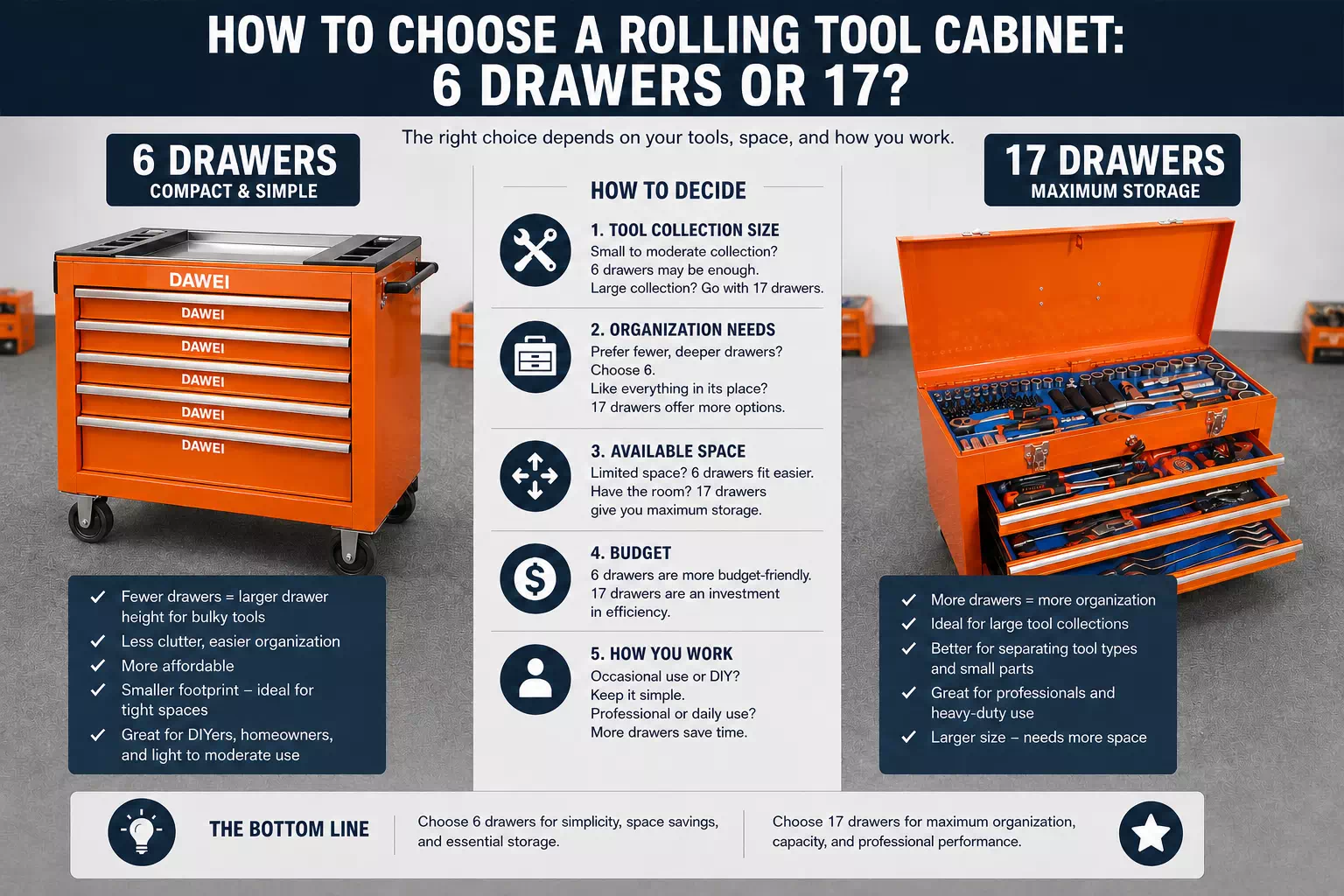
How to Choose a Rolling Tool Cabinet: 6 Drawers or 17?
-
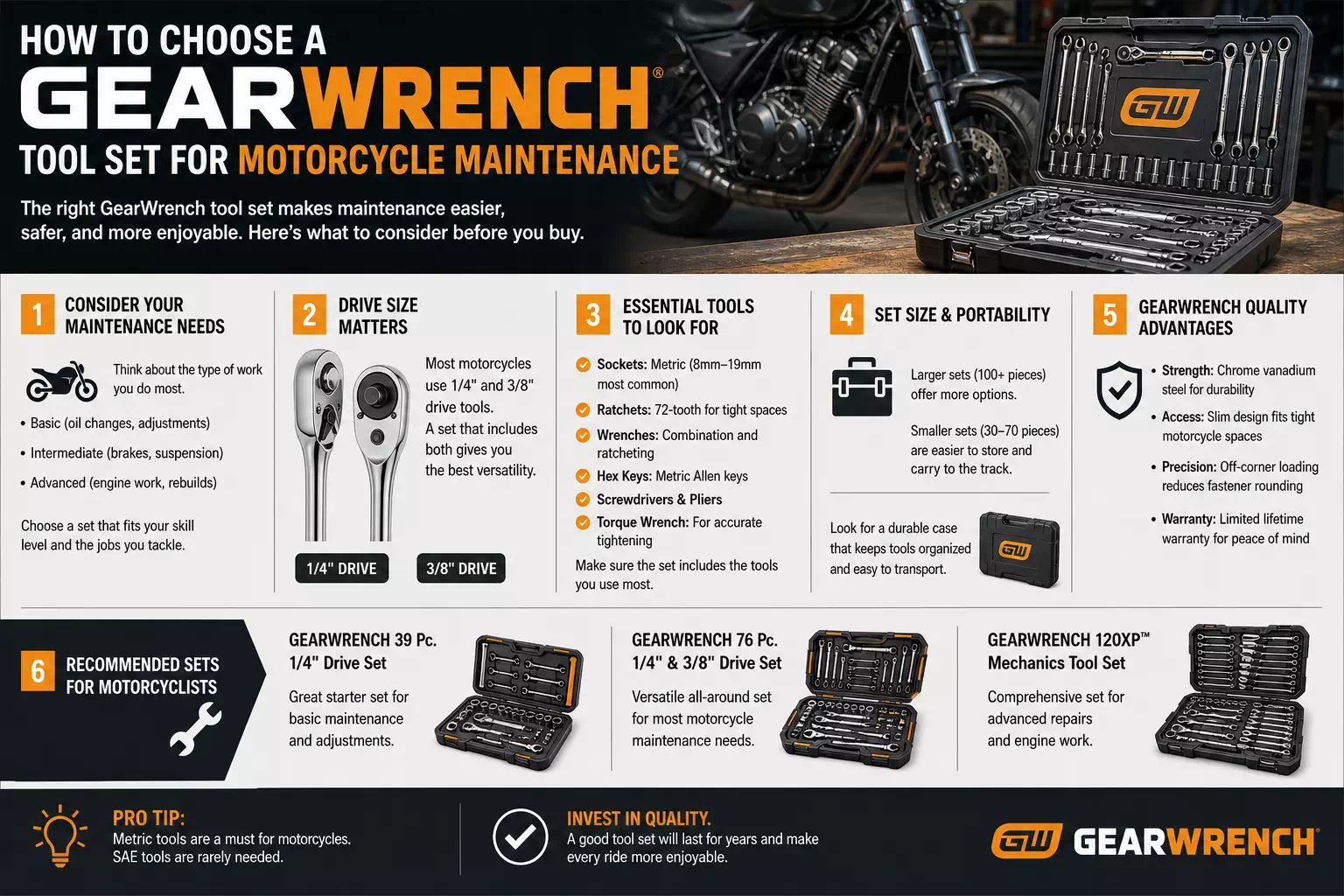
How to Choose a Gear Wrench Tool Set for Motorcycle Maintenance
-
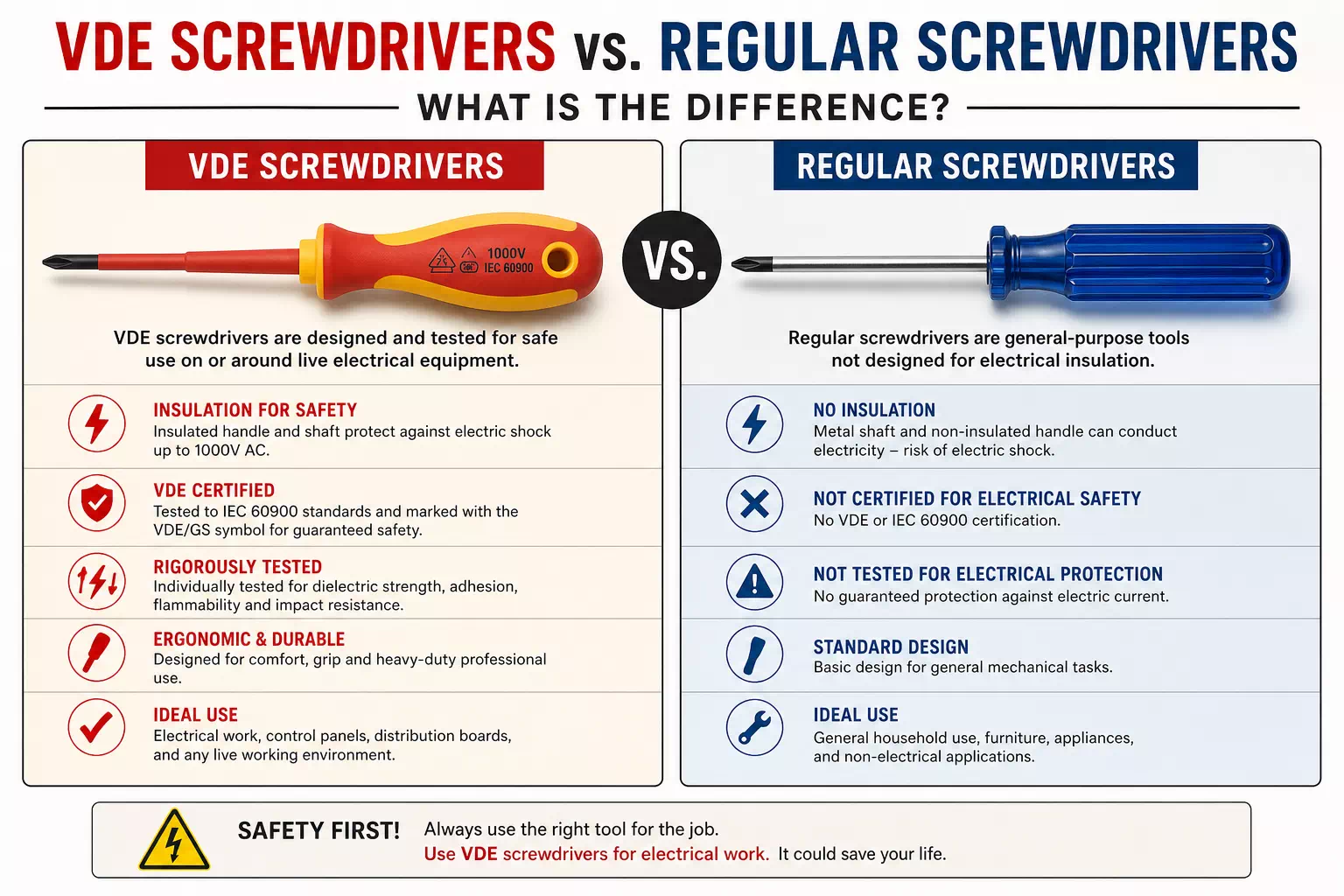
VDE Screwdrivers vs. Regular Screwdrivers: What Is the Difference?
-
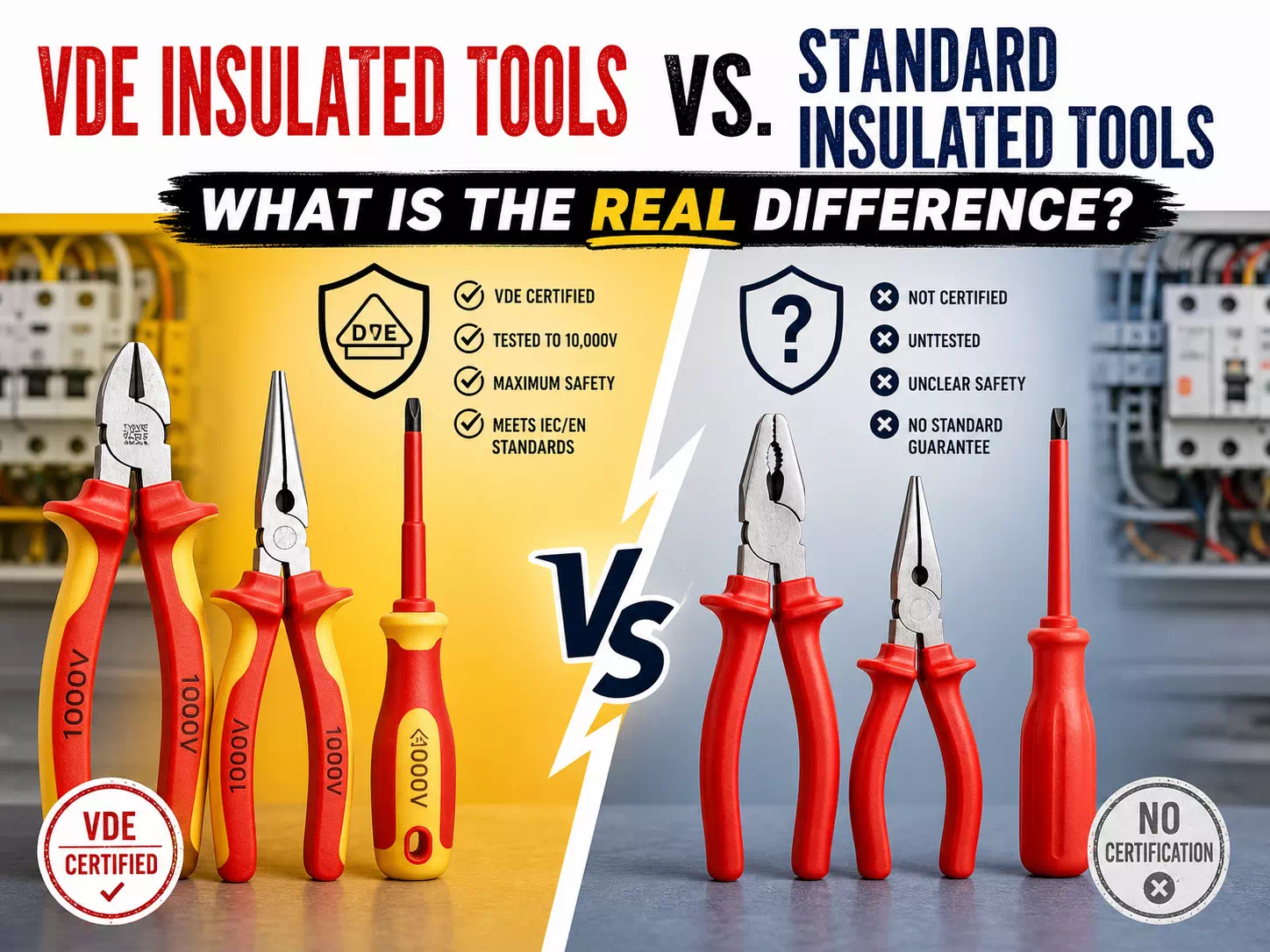
VDE Insulated Tools vs. Standard Insulated Tools: What Is the Real Difference?
-

VDE Certification Explained: What “VDE Approved” Really Means for Insulated Tools
-
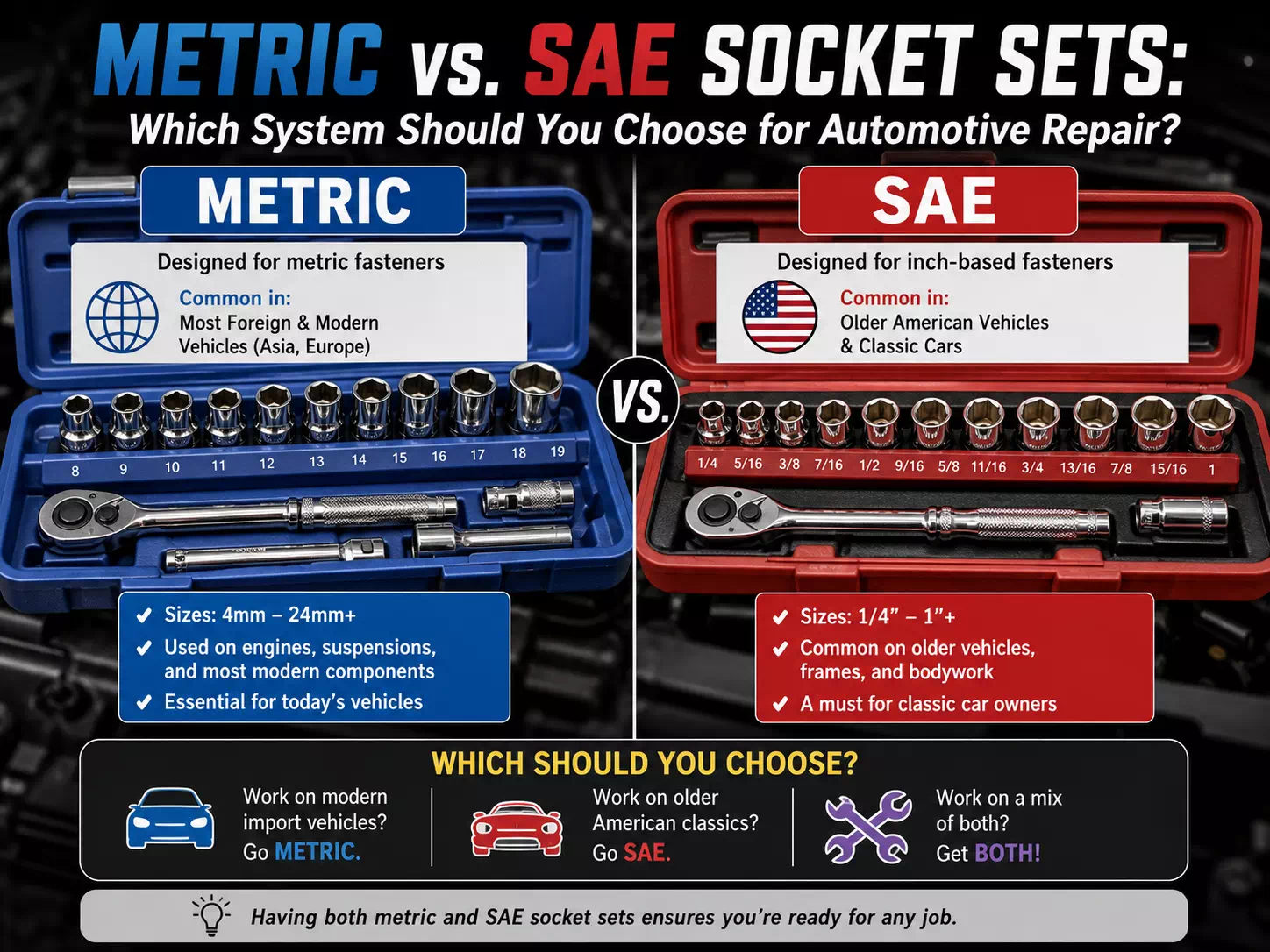
Metric vs. SAE Socket Sets: Which System Should You Choose for Automotive Repair?