
- Dawei Metal 2026 Chinese New Year Special Offer: Gallop into Success with Upgraded Tools!
- Aluminum Alloy Combination Tool Set for Home, Automotive, and Repair Use
- Striking Tools: Types, Uses, and How to Choose the Right One
- Highest Quality Hand Tools: Inside the World's Most Trusted Tool Brands
- Why a Machete Saw Belongs in Your Outdoor Kit
Company:Shandong Dawei Metal Materials Co., Ltd.
Tel:+8615666285386
Email:dwhardwaretools@gmail.com
Address:Room 1413, Building 8, Shandong Steel Xintiandi Plaza, No. 61 Gongye South Road, High-tech Zone, Jinan City
How to Choose a 1000V VDE Insulated Tool Set: A Practical Guide for Electricians and Maintenance Team
When people shop for an insulated tool set, they often start with the piece count: 15 pieces, 18, 19, or 25. The number is useful for a quick comparison, but it does not tell you whether the set fits the work.
A field electrician is usually thinking about more specific questions. Are the screwdriver sizes right for the terminals in the panels we service? Does the set include needle-nose pliers, diagonal cutters, and a wire stripper? What happens when the job involves a motor terminal box or a hex fastener? If one tool is damaged, can it be replaced without buying another complete set?
That is the right way to approach a 1000V VDE insulated tool set. Start with the work, then compare the tools. This guide looks at the requirements of distribution work, control cabinets, motors, and industrial maintenance, and explains what to check before buying a set for yourself or a team.
> Safety note: Insulated tools help reduce the risk of accidental contact with energized parts. They do not replace isolation, lockout/tagout, voltage verification, personal protective equipment, or the training required for electrical work. Live work should be performed only by authorized and properly trained personnel under the applicable procedure.
Start with the work you actually do
The same tool set will not suit every electrical job. A residential distribution panel and an industrial control cabinet may both need insulated screwdrivers, but industrial maintenance often adds larger terminals, hex fasteners, variable-frequency drive covers, and motor terminal boxes.
For distribution panels and control cabinets
If most of your work involves distribution panels, low-voltage control cabinets, terminal blocks, and circuit breakers, the core set should include slotted and Phillips screwdrivers, needle-nose pliers, combination pliers, diagonal cutters, and wire-stripping tools. Slotted drivers around 3mm, 5mm, and 6mm are usually more useful than a single so-called universal driver.
Control also matters. A tool that is too long can be awkward in a crowded cabinet, while one that is too short may not reach a recessed terminal. Look for clear size markings on the screwdriver handles and check the pliers for proper jaw alignment, clean cutting edges, and effective finger guards.
For motors and industrial equipment
Motor control centers, industrial panels, variable-frequency drives, and motor terminal boxes usually require more than screwdrivers and pliers. Common additions include insulated box wrenches, combination wrenches, or sockets in metric ranges such as 8–10mm, 10–13mm, and 13–17mm.
A socket set is especially useful when fasteners are recessed or surrounded by other components. If a connection has a specified tightening torque, use a calibrated torque tool as required. An insulated hand tool protects against accidental contact; it does not turn into a torque wrench simply because it has an insulated handle.
For inspection and general maintenance
Maintenance technicians often need to measure, dismantle, and make small adjustments in the same visit. Along with an insulated hand tool set, it may be useful to carry a selection from the [Dawei Metal measuring tools range](/products/measuring-tools/), such as tape measures, vernier calipers, or other dimensional tools used around equipment.
Dimensional measuring tools and electrical test instruments serve different purposes. A caliper checks a physical size. A multimeter, clamp meter, or insulation resistance tester checks an electrical parameter or insulation condition. They should be selected separately rather than treated as interchangeable parts of one kit.
Do not judge 1000V and VDE markings by appearance
“1000V insulated” is not something you can verify from a bright handle or a two-color coating. Before purchasing, check the markings on the tool itself and ask for technical documentation that corresponds to the actual product model.
IEC 60900 sets requirements for insulated, insulating, and hybrid hand tools used within the relevant voltage range. The common 1000V AC / 1500V DC wording describes the rated use range of the tool. VDE is one widely recognized certification mark, but a certificate should still be checked against the manufacturer, model, and product details. A mark without traceable documentation is not enough for a professional purchasing decision.
At a minimum, check whether:
· The tool carries a clear voltage rating and applicable standard marking.
· The certificate or test report identifies the actual model rather than only a broad product family.
· The insulation is firmly bonded and free from separation, cracking, or exposed metal.
· The working end of the screwdriver, wrench, or plier is mechanically suitable for the intended task.
· The manufacturer information and product markings are clear and traceable.
For a deeper explanation of VDE, IEC 60900, and insulated tool construction, see Dawei Metal’s [complete guide to insulated tools](/blog/insulated-tools-complete-guide.html).
What a practical insulated tool set should include
A useful set does not have to contain every possible tool, but it should cover the tasks that occur repeatedly in the field. The following categories are a sensible starting point.
Screwdrivers: compare size coverage first
A basic set should normally cover slotted drivers around 3mm, 5mm, and 6mm, plus PH1 and PH2 Phillips drivers. Industrial work may justify adding PH3.
The more accurately the screwdriver matches the fastener, the less likely the tip is to slip. An undersized tip can damage the screw head; an oversized tip may not seat fully. Neither problem is solved by having a larger handle or a more colorful grip.
Pliers: three basic types have different jobs
Needle-nose pliers are used for tight spaces, wire forming, and holding small components. Combination pliers handle gripping, bending, and general manipulation. Diagonal cutters are intended for trimming and cutting conductors within their rated capacity.
These tools are not interchangeable. Using a diagonal cutter on a conductor that is too large can chip the cutting edge or damage the joint. A tool may still look insulated after that happens, but it is no longer mechanically reliable and should not remain in service.
Wire strippers: match the conductors on site
The stripping range should match the wires used in the equipment you maintain. A range around 0.2–6mm² may suit many control and branch-circuit applications, but factories and machines can use different conductor sizes.
A good stripper does more than save time. It helps remove the correct length of insulation without scoring the copper. Stripping too deeply can weaken the conductor, while stripping too far can leave bare metal outside the terminal. A clear gauge or size marking is useful in day-to-day work.
Wrenches and sockets: the difference-maker in industrial work
If the set is intended for industrial equipment, the wrench and socket selection may determine whether it is useful beyond basic panel work. A set containing only screwdrivers and pliers will quickly reach its limits around motor terminal boxes, busbar connections, conduit fittings, and equipment bases.
Dawei Metal offers several [insulated electrician tool sets](/products/toolsets/). The [15-piece 1000V VDE insulated tool set](/ToolSets/weida-w07315-insulated-electrician-tool-set-vde.html) is suited to a more compact basic setup. For broader coverage that includes additional sockets and hand tools, see the [25-piece 1000V VDE insulated tool set](/ToolSets/weida-w07325-insulated-electrician-tool-set-1-2-sockets-vde.html).
How to compare 15-piece, 18-piece, 19-piece, and 25-piece sets
Piece count is a useful first filter, not a final decision. Compare the actual tool list, look for duplicate sizes, check whether wrenches and sockets are included, and see whether the case makes inspection easy.
Set size | Often suited to | What to check |
Around 15 pieces | Basic panel and control cabinet work | Whether the screwdrivers and three core plier types are covered |
Around 18 pieces | Portable electrician and inspection work | Whether the set handles common dismantling tasks and is easy to carry |
Around 19 pieces | Industrial electrical and equipment maintenance | Whether wrenches, sockets, or other industrial-use tools are included |
Around 25 pieces | Maintenance teams and broader purchasing programs | Completeness, storage, replacement options, and batch documentation |
For industrial maintenance teams, compare the [19-piece 1000V electrician’s insulated tool set](/ToolSets/weida-w07318-insulated-electrician-tool-set-vde.html) with the [18-piece 1000V VDE insulated electrician’s tool set](/ToolSets/weida-w07317-insulated-electrician-tool-set-vde.html). For an OEM or ODM project, confirm in advance whether the branding, packaging, tool configuration, and inspection documents can be adjusted to the project requirements.
The case and storage system matter more than they seem
An insulated tool set becomes difficult to manage when the tools are simply thrown into a box. Missing pieces are harder to notice, damaged tools can remain in circulation, and similar screwdriver or wrench sizes are easy to mix up.
A case with fixed slots, clear size markings, and a visible layout is easier to inspect. At the end of each job, return every tool to its assigned position and check that nothing has been left inside the equipment enclosure.
For a maintenance team, standardized cases are useful because they make issuing, checking, and replenishing tools more consistent. A uniform set also makes it easier to see when one electrician has a missing or damaged item.
How to inspect a new set and maintain it in service
When a new set arrives, do more than count the pieces. Compare the order, packing list, and model information. Then inspect the insulation, handles, finger guards, working ends, and markings on every tool. For a volume purchase, ask the supplier for documentation connected to the actual production batch and keep it with the tool inventory records.
Before daily use, look for cuts, cracks, deep abrasion, blisters, loose insulation, or exposed metal. Inspect the tool again after it is dropped, struck, or exposed to excessive heat. “It still works” is not a sufficient reason to keep using a tool with questionable insulation or mechanical damage.
If there is doubt, remove the tool from service and have it assessed by a qualified person. Do not try to restore a damaged insulated tool by wrapping it with tape or adding heat-shrink tubing. That may cover the visible damage, but it does not recreate a tested insulating system.
Clean and store tools according to the manufacturer’s instructions. Keep them dry and away from sharp metal edges, excessive heat, oils, and chemicals that could affect the insulation.
Advice for companies buying sets for a team
Before purchasing for an electrical crew or maintenance department, map the actual work performed by each role. Panel technicians, mechanical maintenance staff, and instrumentation personnel may not need identical cases, but people doing the same type of work should share a consistent core configuration.
The purchase specification can state the tool models, insulation rating, markings, packaging, spare-tool availability, and required quality documents. For larger orders, also confirm the process for handling nonconforming products, replacing individual tools, and replenishing damaged items. These details usually matter more over the life of the program than a small difference in the initial unit price.
For centralized purchasing, start with the [Dawei Metal tool set category](/products/toolsets/). If the project requires private labeling, packaging adjustments, or other OEM/ODM support, see the company’s [service page](/service/).
Frequently asked questions
Is the most expensive 1000V VDE tool set automatically the best?
No. Compare insulation rating, steel and mechanical performance, certification documents, replacement support, and the work environment. A more expensive set is not necessarily more suitable if it contains the wrong sizes or tools your team never uses.
What is the main difference between a 15-piece and a 25-piece set?
The difference is usually the number of tools and the range of sizes covered. A 15-piece set may be enough for basic electrical maintenance, while a 25-piece set may add more screwdrivers, pliers, wrenches, or sockets. Review the individual configuration rather than judging by the piece count alone.
Does a VDE mark mean I can work live?
No. A VDE mark indicates that the tool has been tested or certified under relevant requirements. It does not replace isolation, voltage verification, personal protective equipment, or authorization for live work. A 1000V tool rating is not a live-work permit.
Do insulated tools need to be replaced on a fixed schedule?
Not by calendar alone. Inspect them before each use and after any drop or impact. Remove a tool from service if it has cracks, cuts, exposed metal, loose insulation, or mechanical damage. Follow the inspection and retesting requirements in your company’s safety program and the applicable local rules.
Conclusion
Choosing a 1000V VDE insulated tool set is not mainly about finding the largest number printed on the box. It is about matching the set to the work.
Panel maintenance depends on the right screwdriver sizes and core pliers. Industrial equipment maintenance often requires wrenches, sockets, and stronger mechanical capability. Team purchasing adds another layer: standardized configurations, traceable documents, organized storage, and a practical replacement process.
Define the work first. Then check the tool sizes, insulation markings, certification documents, storage system, and supplier support. That is how you build an electrician tool set that can actually go to the job site, withstand routine use, and remain easy to inspect.
- Pro:Essential Insulated Tools for Safe Device Measurement: A Practical Hardware Tools List
- Next:How to Maintain and Store Insu
-
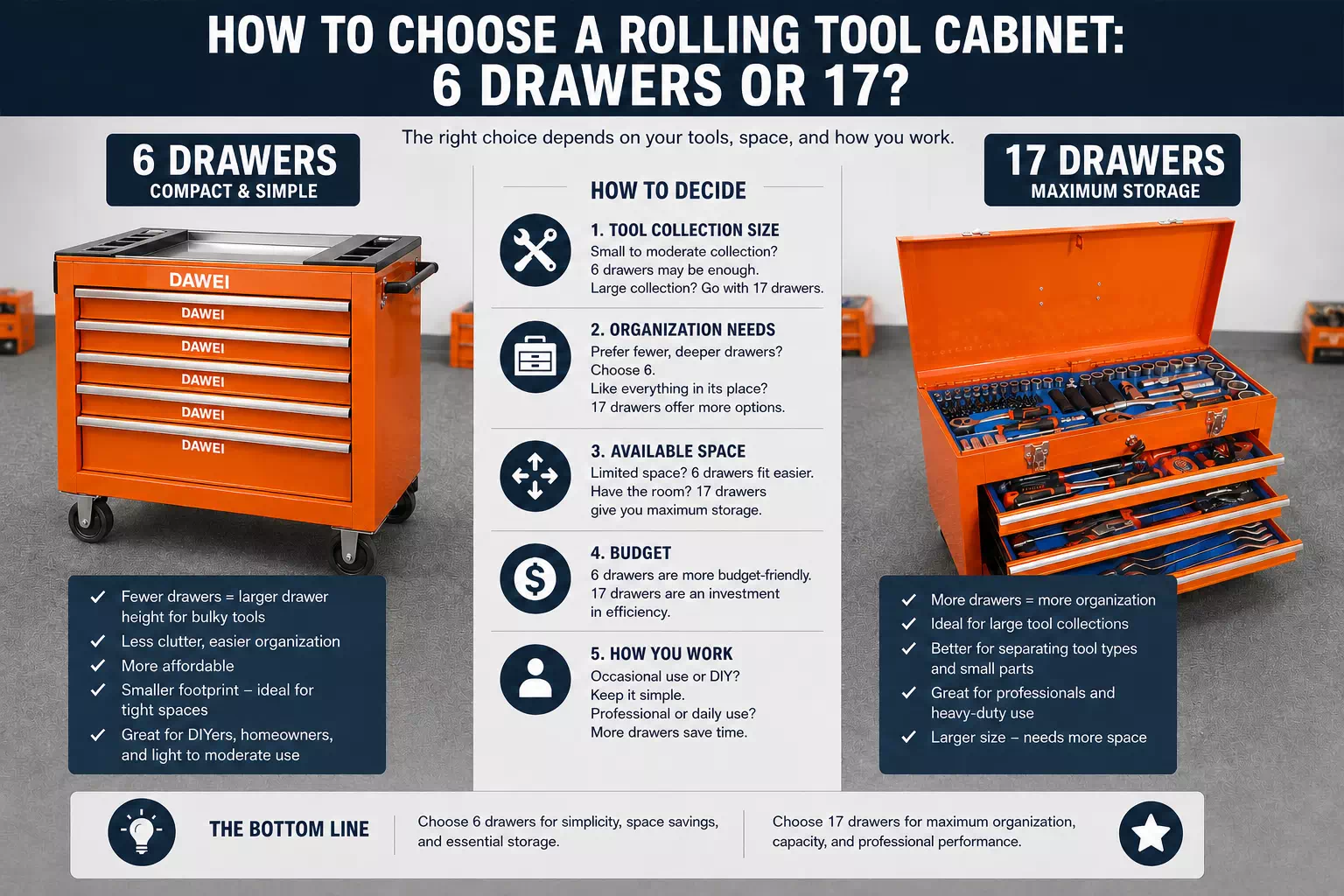
How to Choose a Rolling Tool Cabinet: 6 Drawers or 17?
-
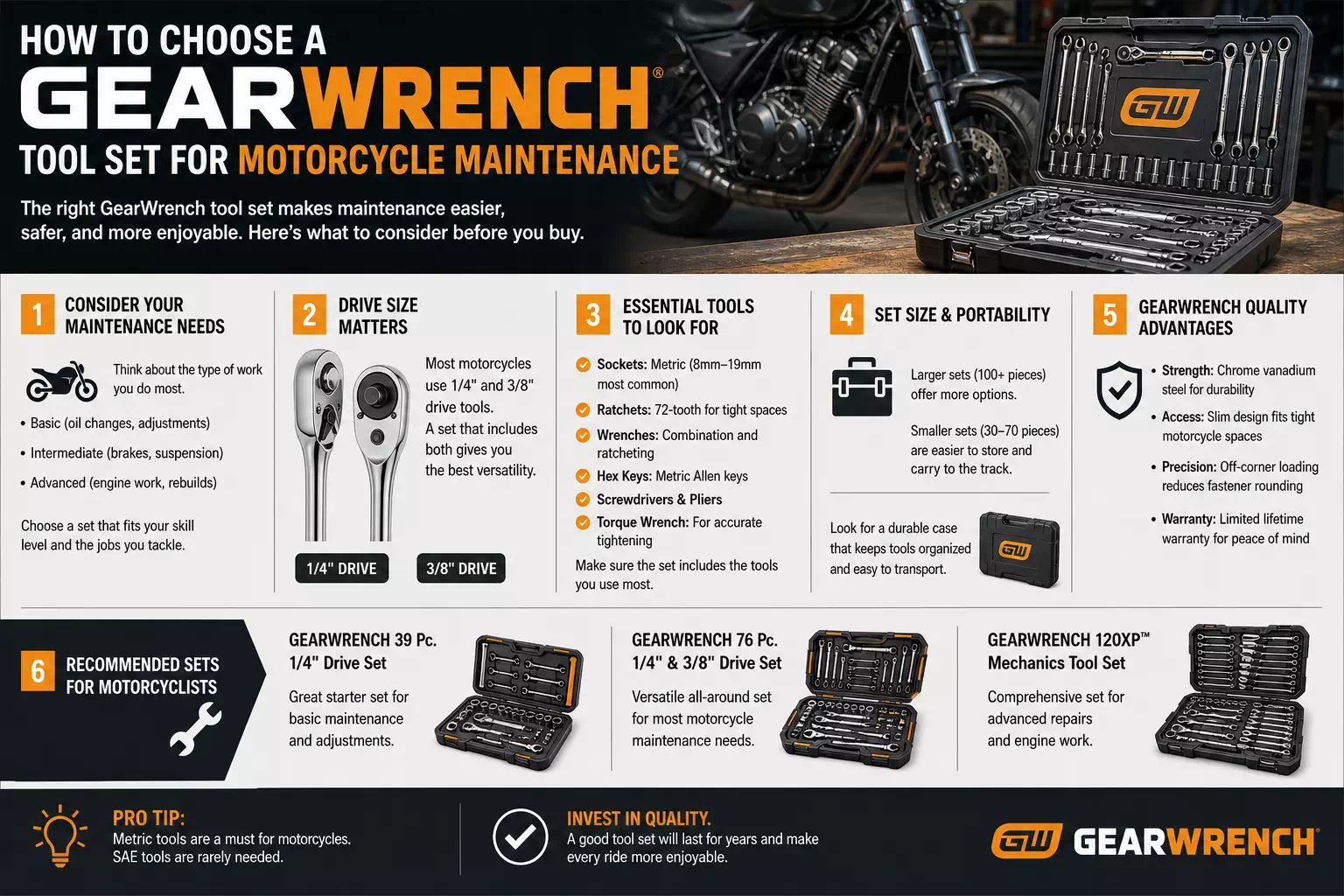
How to Choose a Gear Wrench Tool Set for Motorcycle Maintenance
-
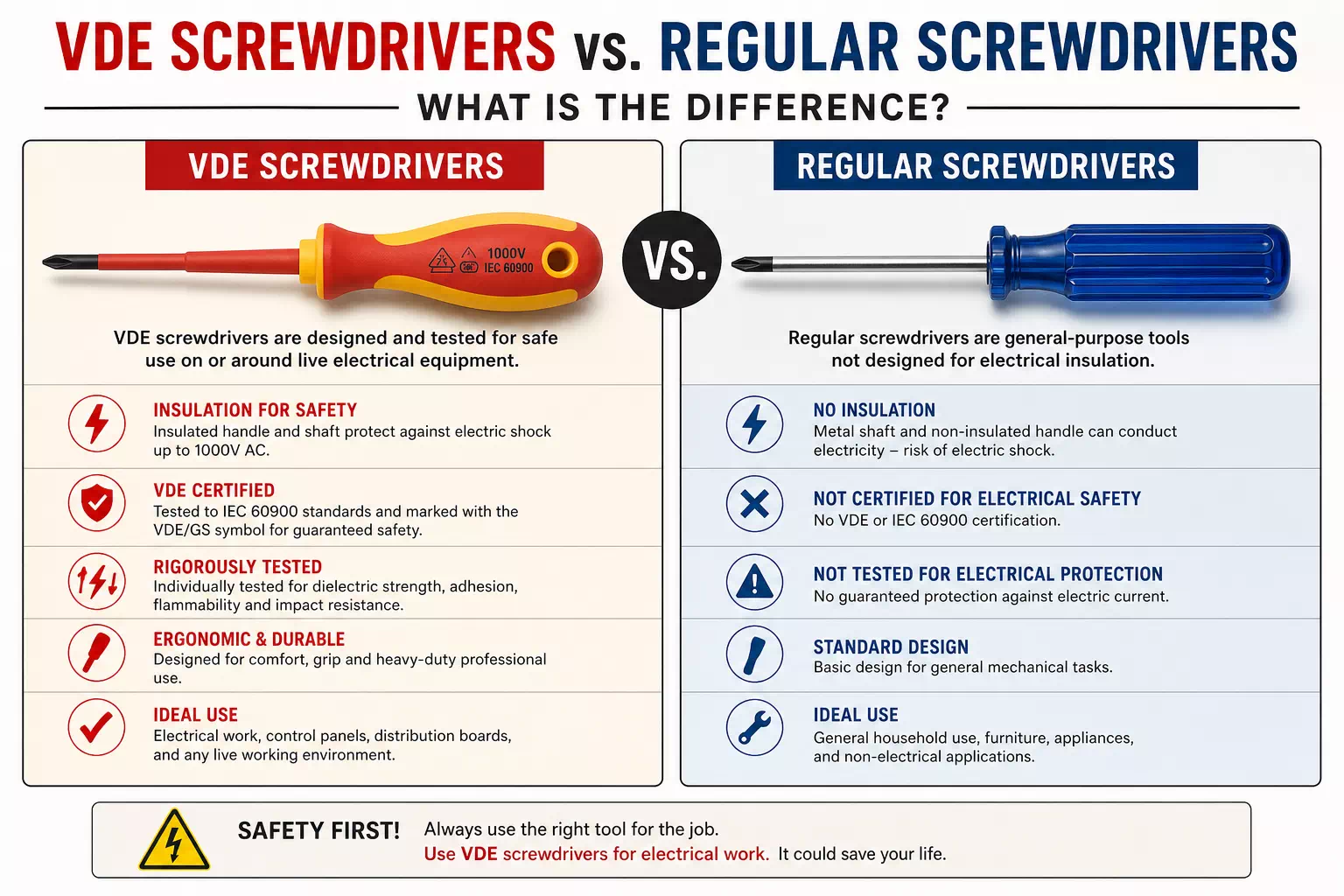
VDE Screwdrivers vs. Regular Screwdrivers: What Is the Difference?
-
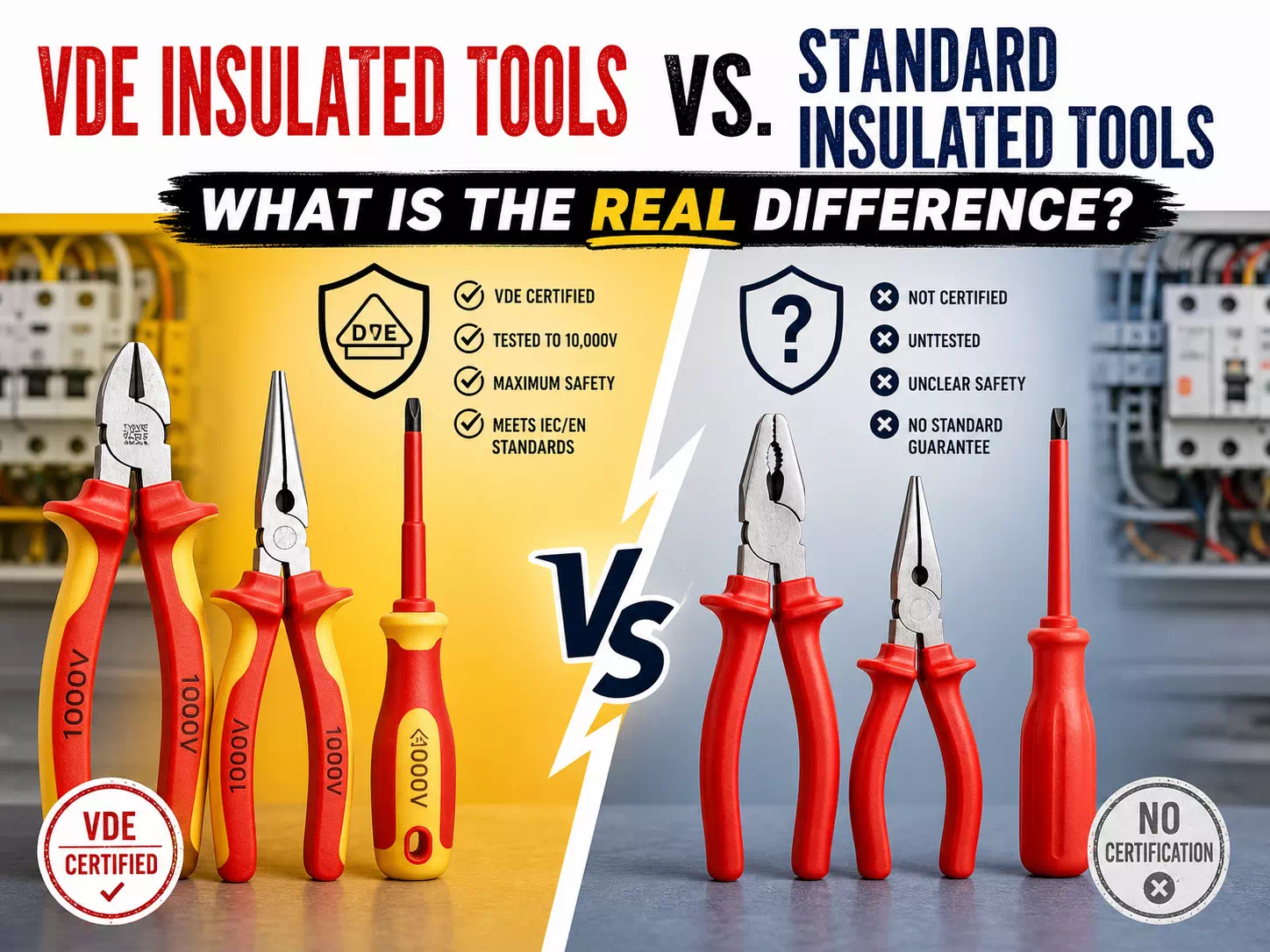
VDE Insulated Tools vs. Standard Insulated Tools: What Is the Real Difference?
-
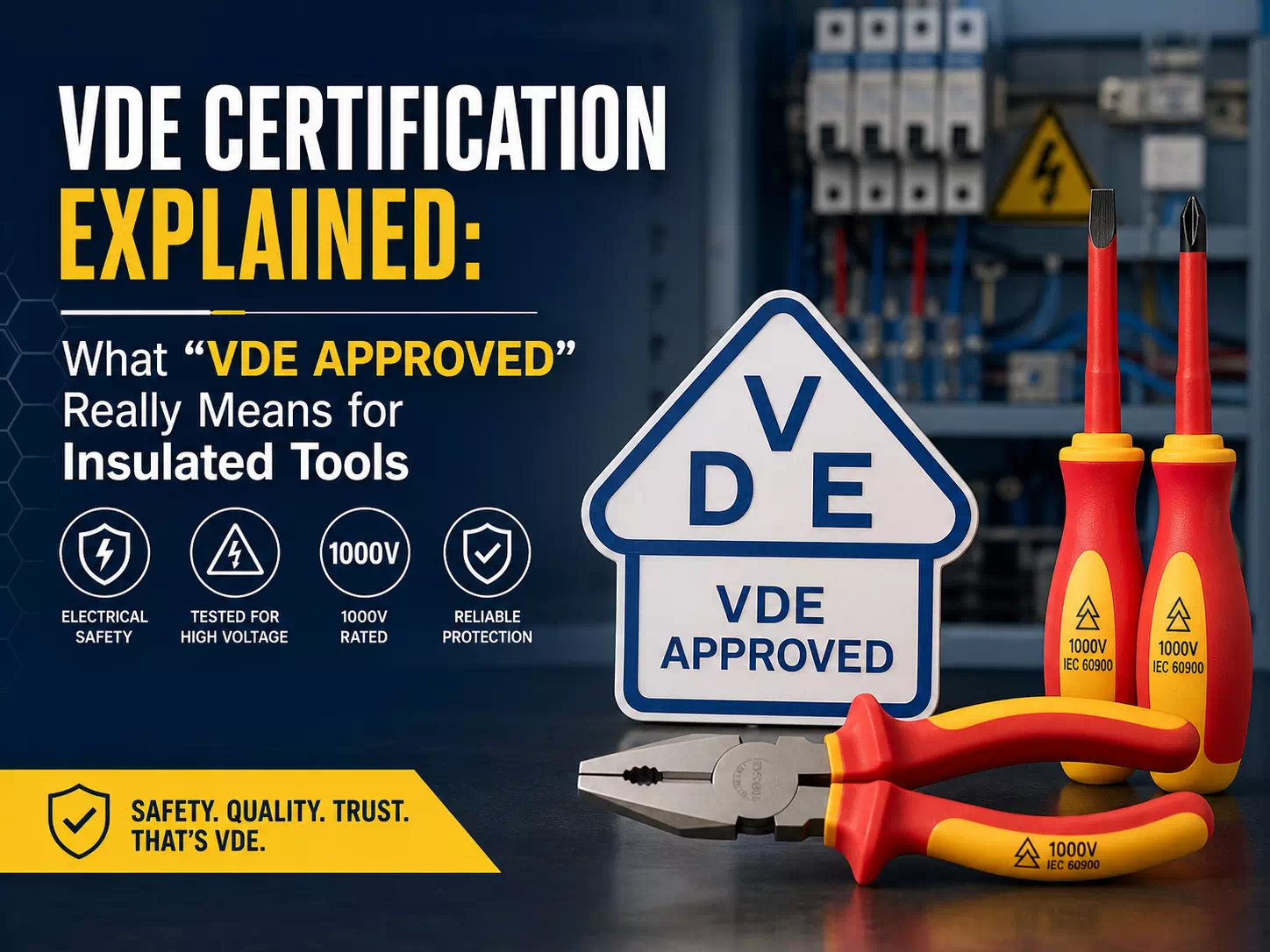
VDE Certification Explained: What “VDE Approved” Really Means for Insulated Tools
-
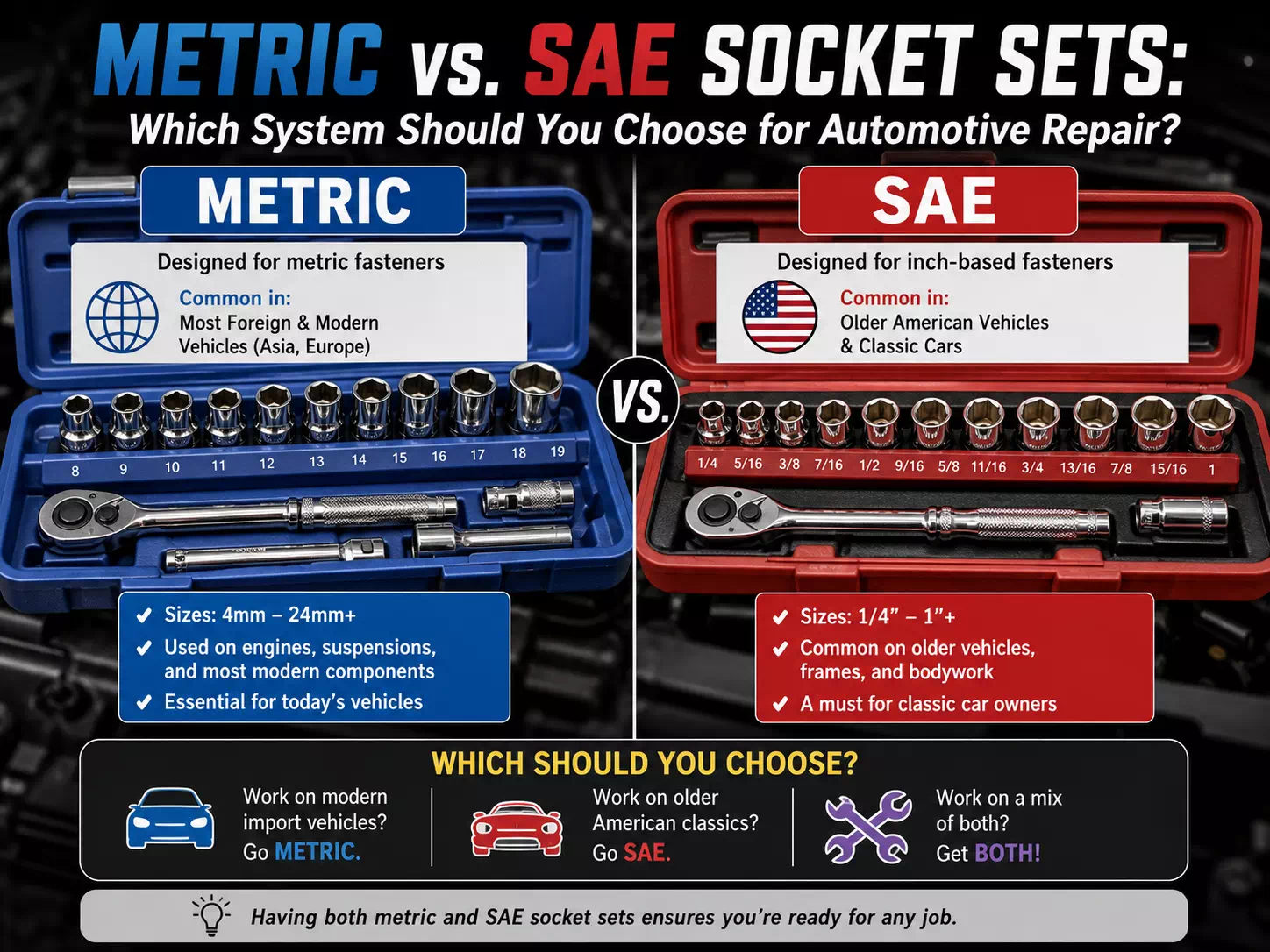
Metric vs. SAE Socket Sets: Which System Should You Choose for Automotive Repair?