
- Dawei Metal 2026 Chinese New Year Special Offer: Gallop into Success with Upgraded Tools!
- Aluminum Alloy Combination Tool Set for Home, Automotive, and Repair Use
- Striking Tools: Types, Uses, and How to Choose the Right One
- Highest Quality Hand Tools: Inside the World's Most Trusted Tool Brands
- Why a Machete Saw Belongs in Your Outdoor Kit
Company:Shandong Dawei Metal Materials Co., Ltd.
Tel:+8615666285386
Email:dwhardwaretools@gmail.com
Address:Room 1413, Building 8, Shandong Steel Xintiandi Plaza, No. 61 Gongye South Road, High-tech Zone, Jinan City
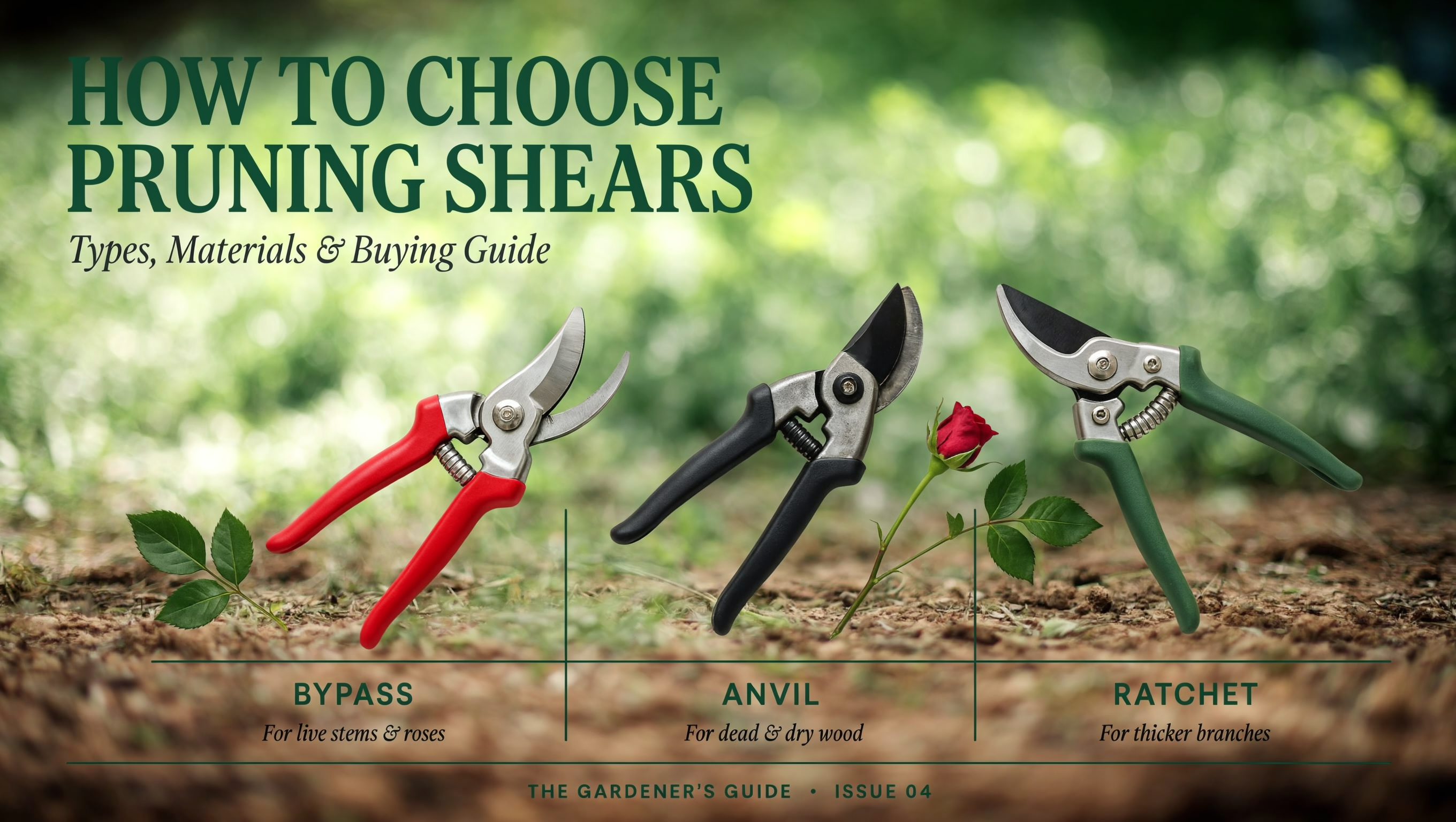
How to Choose Pruning Shears: Types, Materials & Buying Guide
Pruning shears are essential tools for gardening, orchard maintenance, and landscaping. However, different cutting tasks require different blade designs, handle structures, and cutting mechanisms.
A homeowner trimming flowers may prefer lightweight garden pruning shears, while orchard workers often need ratchet or rotating handle designs for repeated cutting.
For garden tool distributors and wholesalers, choosing the right product range means looking beyond appearance and price. Blade material, cutting capacity, handle construction, and packaging all deserve attention.
This guide explains how to select pruning shears and what buyers should check before placing a wholesale order.
1. What Are Pruning Shears Used For?
Pruning shears, also known as hand pruners or garden secateurs, are handheld cutting tools used for trimming branches, stems, flowers, and plant growth.
Common applications include:
Home gardening and flower maintenance
Fruit tree pruning and orchard management
Nursery and greenhouse work
Landscaping and park maintenance
Agricultural and farm applications
The right tool depends on the branch size, plant type, and frequency of use. A tool designed for soft flower stems may not be suitable for thicker woody branches.
2. Different Types of Garden Pruning Shears
Understanding the different designs helps buyers select suitable products for their target customers.
Bypass Pruning Shears
Bypass pruning shears use two blades that pass alongside each other, similar to scissors. They are commonly used for cutting live stems, flowers, and smaller branches.
Important features include blade alignment, cutting-edge sharpness, handle comfort, and spring performance.
See Dawei 8 Inch Silver Handle Pruning Shears for a bypass-style product option.
Anvil Pruning Shears
Anvil pruning shears use one cutting blade that closes against a flat supporting surface.
They are generally suitable for certain dry or dead woody branches. Compared with bypass designs, their cutting action can compress plant material, making them less suitable for some delicate live stems.
Ratchet Pruning Shears
Ratchet pruning shears use a staged cutting mechanism. Instead of completing a cut in one movement, users apply pressure through several stages.
This design can reduce the effort required for certain tougher cuts.
Buyers should check ratchet engagement, release operation, blade alignment, and handle strength.
Explore Dawei Ratchet Pruning Shears.
Rotating Handle Pruning Shears
Rotating handle pruning shears are designed to improve comfort during repeated cutting operations.
The rotating grip moves during use, helping reduce friction between the handle and the user's hand.
They are particularly suitable for orchard workers, professional gardeners, and landscaping teams.
See Dawei Rotating Handle Pruning Shears.
3. Bypass vs Anvil vs Ratchet Pruning Shears
| Feature | Bypass Shears | Anvil Shears | Ratchet Shears |
| Structure | Two blades pass each other | Blade closes against an anvil | Staged cutting mechanism |
| Main application | Live stems and routine pruning | Dry or dead woody material | Certain tougher cuts |
| Cutting action | Scissor-like | Compression | Multiple stages |
| Main advantage | Clean cutting action on suitable plants | Useful for suitable woody material | Reduced effort for certain cuts |
| Key inspection | Blade alignment | Blade contact | Ratchet operation |
For distributors, offering several designs can help cover different gardening requirements without relying on one universal product.
4. How to Choose the Right Blade Material
Blade material affects cutting performance, wear resistance, and corrosion protection.
Two commonly used material categories are high carbon steel and stainless steel.
| Material | Main characteristics | Buyer considerations |
| High carbon steel | Can achieve a hard and sharp cutting edge | Heat treatment and rust prevention |
| Stainless steel | Better corrosion resistance in suitable grades | Exact steel grade and cutting performance |
High carbon steel is widely used in cutting tools because of its ability to achieve a suitable hardness after heat treatment. However, proper surface protection is important in humid gardening environments.
Stainless steel offers corrosion resistance, but buyers should still confirm the exact grade and mechanical properties.
Do not judge a pruning shear by the steel name alone. Blade grinding, heat treatment, and dimensional consistency also affect the finished product.
5. Cutting Capacity and Product Specifications
Cutting capacity is an important specification when selecting garden pruning shears.
A pruner designed for small stems should not be forced to cut thick branches. Doing so may damage the blade or mechanism.
Before purchasing, check:
Maximum stated cutting diameter.
Blade length and design.
Handle construction.
Intended plant and branch types.
Actual performance through sample testing.
For reference, Dawei's 8-inch silver handle pruning shears have the following listed specifications:
| Specification | Details |
| Overall Length | 200 mm |
| Blade Material | High Carbon Steel |
| Handle Material | Steel with Silver Plating |
| Blade Type | Bypass |
| Cutting Capacity | 15–20 mm |
| Surface Finish | Polished Blade |
| Packing | Blister / Box |
| OEM | Available |
The stated cutting capacity should be verified against actual branch conditions. Hardness and moisture can affect cutting performance.
6. How to Inspect Pruning Shears Before Bulk Purchasing
For importers and wholesalers, sample inspection is essential before approving mass production.
Pay attention to these areas:
Blade quality: Check sharpness, grinding consistency, alignment, burrs, and surface finish.
Handle construction: Confirm the material, grip design, connection strength, and overall assembly.
Spring and locking mechanism: The spring should return consistently, and the locking device should secure the blades during storage.
Ratchet function: Check smooth engagement and release without jamming or slipping.
A practical pre-shipment inspection checklist:
| Inspection item | What to verify |
| Material | Matches approved specification |
| Blade | Sharpness and alignment |
| Handle | Correct material and assembly |
| Mechanism | Spring, lock, and ratchet function |
| Appearance | Rust, scratches, and coating defects |
| Packaging | Correct labels and accessories |
| Cartons | Quantity, weight, and dimensions |
Agree on inspection methods and acceptable defect limits before production. The finished batch should be compared with the approved sample.
7. Wholesale Pruning Shears: What Should Buyers Consider?
For B2B buyers, product selection is only one part of the purchasing decision. MOQ, packaging, branding, and shipping costs also affect the final order value.
Before requesting a quotation, prepare the following information:
| Requirement | Details to provide |
| Product type | Bypass, ratchet, or rotating handle |
| Material | Blade and handle specifications |
| Quantity | Estimated order quantity per model |
| Target market | Destination country or region |
| Branding | Logo and product markings |
| Packaging | Blister card, color box, or bulk packing |
| Inspection | Required quality checks |
For private-label orders, OEM customization may include logo marking, handle colors, retail packaging, and product labeling.
Packaging also deserves attention. Pruning shears have exposed cutting edges, so retail packages should provide suitable blade protection. For sea freight, buyers should discuss appropriate moisture and rust-prevention measures with the supplier.
Visit Dawei Metal's Garden Tools collection to review available products.
For customization requirements, see Dawei OEM/ODM services or contact the export team directly.
Frequently Asked Questions
1. What are the best pruning shears for gardening?
Bypass pruning shears are commonly used for live stems and routine garden pruning. Ratchet models can help with certain tougher cuts, while anvil designs are suitable for some dry woody materials.
2. What is the difference between bypass and anvil pruning shears?
Bypass shears use two blades that pass alongside each other, while anvil shears use one blade against a flat supporting surface. Bypass models are commonly preferred for live stems.
3. Are ratchet pruning shears better?
They can make certain tougher cuts easier by dividing the cutting movement into stages. However, standard bypass shears may be more convenient for everyday light pruning.
4. What steel is used for pruning shears?
High carbon steel and stainless steel grades are commonly used. Buyers should check the specific material, heat treatment, blade grinding, and corrosion protection.
5. What should importers check before ordering pruning shears?
Check blade material, cutting capacity, handle construction, spring operation, locking mechanism, packaging, and product markings. Approve a sample before mass production.
6. Can pruning shears be customized with a private label?
Depending on the model, customization may include logo marking, handle colors, product labels, and retail packaging. MOQ and customization options should be confirmed with the manufacturer.
Conclusion
Choosing suitable pruning shears requires attention to blade design, steel material, cutting capacity, and handle construction.
Bypass shears are suitable for many routine pruning tasks, ratchet models provide additional cutting assistance, and rotating handle designs can improve comfort during repeated use.
For garden tool wholesalers and importers, selecting the right assortment and confirming product specifications before bulk production can help reduce purchasing risks.
Looking for a pruning shears manufacturer for wholesale or OEM orders?
Contact Dawei Metal with your required models, estimated quantity, target market, and packaging preferences to discuss suitable garden pruning tools.
-
How to Choose Pruning Shears: Types, Materials & Buying Guide
-
Garden Tools for Home, Orchard & Landscaping: How to Choose the Right Tools
-
Screwdriver Sets: The Steel, the Tip Geometry, and the Sourcing Mistakes That Fill Your Returns Bin
-
Rolling Tool Chest with Tools: How to Choose the Right Setup for Your Workshop
-
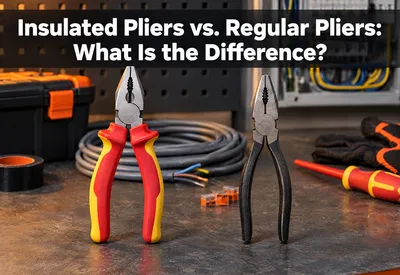
Insulated Pliers vs. Regular Pliers: What Is the Difference?
-
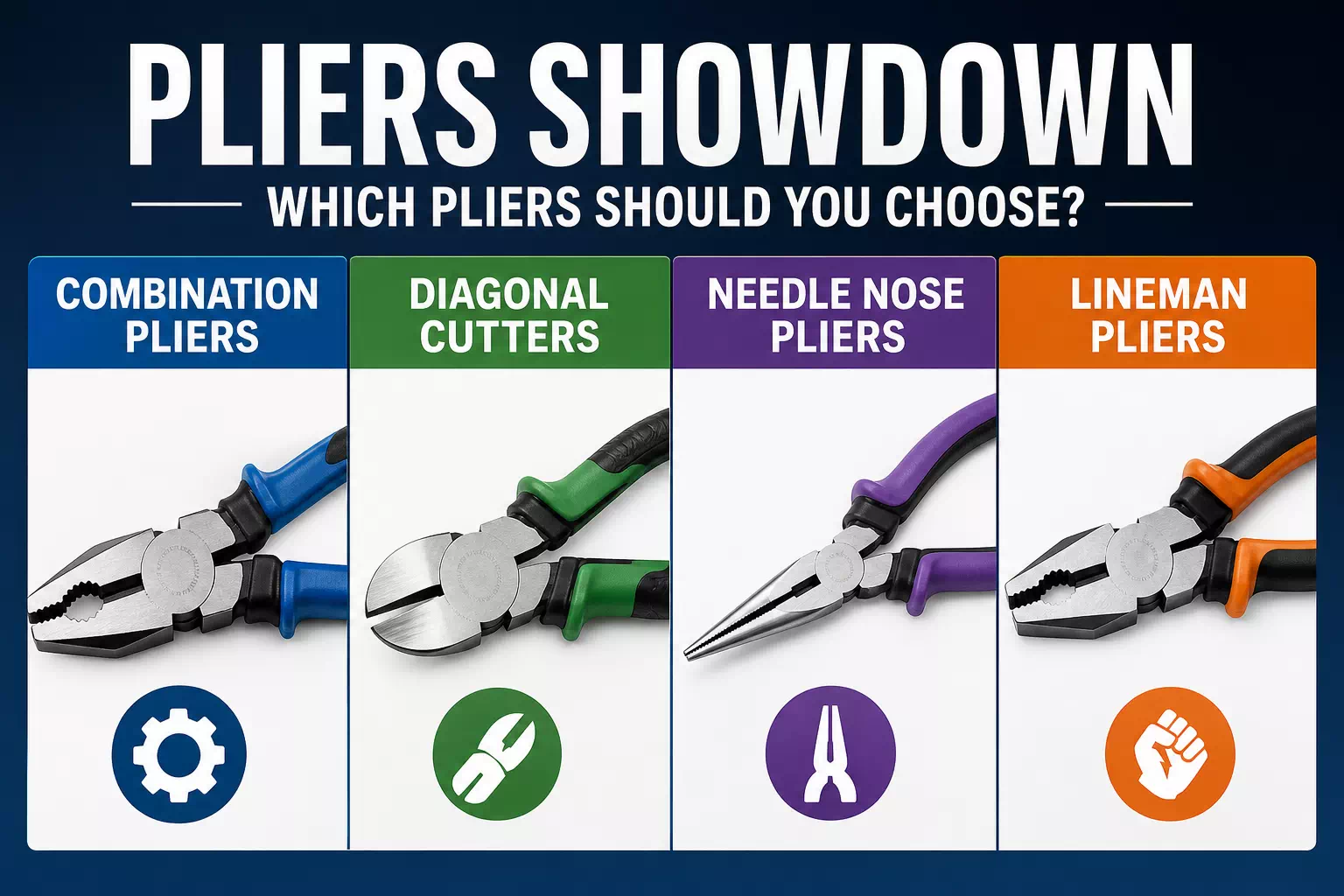
Combination Pliers vs. Diagonal Cutters, Needle Nose Pliers, and Lineman Pliers