
- Dawei Metal 2026 Chinese New Year Special Offer: Gallop into Success with Upgraded Tools!
- Aluminum Alloy Combination Tool Set for Home, Automotive, and Repair Use
- Striking Tools: Types, Uses, and How to Choose the Right One
- Highest Quality Hand Tools: Inside the World's Most Trusted Tool Brands
- Why a Machete Saw Belongs in Your Outdoor Kit
Company:Shandong Dawei Metal Materials Co., Ltd.
Tel:+8615666285386
Email:dwhardwaretools@gmail.com
Address:Room 1413, Building 8, Shandong Steel Xintiandi Plaza, No. 61 Gongye South Road, High-tech Zone, Jinan City
How to Prevent Hand Tools from Rusting in Humid Climates?
If you work in a tropical region, coastal area, or any environment with high humidity, you already know the frustration — you open your toolbox one morning and find your wrenches covered in orange rust spots, your screwdriver tips corroded, and your pliers stiff and hard to operate. Rust doesn't just make your hand tools and equipment look bad; it destroys their precision, weakens their structural integrity, and ultimately forces you to spend money replacing tools that should have lasted for years.
This is one of the most common and costly problems faced by mechanics, technicians, construction workers, and DIY enthusiasts around the world. Whether you own a small collection of basic hand and power tools or manage a full professional workshop, rust in humid climates is an enemy that never stops attacking.
In this comprehensive guide, we'll walk you through exactly what are hand tools most vulnerable to rust, why humidity causes so much damage, and — most importantly — proven, practical solutions to protect every type of tool you own. By the end of this article, you'll have a clear, actionable rust prevention plan that saves you money and keeps your tools performing like new.
What Are Hand Tools and Why Does Rust Destroy Them?
Before diving into solutions, let's understand what are hand tools and why they are particularly vulnerable to rust in humid environments.
Hand tools are non-powered instruments operated manually by hand to perform tasks such as cutting, gripping, turning, striking, and measuring. Unlike hand and power tools that rely on electricity or compressed air, hand tools depend entirely on the user's physical force, which means their surfaces, edges, and mechanisms must remain in perfect condition to function properly.
The core problem is simple chemistry: most hand tools are made from carbon steel or chrome vanadium steel. When these metals are exposed to moisture and oxygen — both abundant in humid climates — iron oxide (rust) forms on the surface. This process is accelerated by:
Relative humidity above 60% — common in tropical and coastal regions
Temperature fluctuations — causing condensation to form on metal surfaces
Salt air exposure — in coastal workshops and marine environments
Sweat and skin oils — transferred during use, containing corrosive salts
Improper storage — leaving tools in damp toolboxes, garages, or truck beds
Lack of protective coating — bare metal surfaces with scratched or worn finishes
Once rust begins, it spreads rapidly. A small spot of surface rust on a wrench jaw can grow into deep pitting within weeks, permanently damaging the tool's gripping surface and dimensional accuracy. For precision instruments like calipers and torque wrenches, even minor corrosion can render them useless.
Different Types of Hand Tools Most Vulnerable to Rust
Not all tools rust at the same rate. Understanding which different types of hand tools are most at risk helps you prioritize your protection efforts. Here is a breakdown of the major types of hand tools and their rust vulnerability:
Cutting Tools
A common example of hand tools in this category includes hacksaws, chisels, utility knives, tin snips, and wire cutters. These tools have thin, sharpened edges that are extremely susceptible to rust. Even a thin layer of corrosion on a cutting edge destroys its sharpness and makes clean cuts impossible. For professionals who rely on precise cuts daily, a rusted cutting tool means wasted material, rough finishes, and safety hazards.
Gripping & Holding Tools
Among the most recognized hand tools names in any workshop are pliers, vise grips, locking pliers, and clamps. These tools feature pivot joints and serrated jaws — both areas where moisture collects and rust thrives. When rust invades the pivot mechanism, the tool becomes stiff, difficult to operate, and eventually seizes completely. Rusted jaw serrations lose their grip, causing workpieces to slip — a serious safety concern.
Turning & Fastening Tools
This category covers essential hand tools names like screwdrivers, wrenches (open-end, box-end, combination), socket sets, Allen keys, and torque wrenches. Rust on wrench flats and socket interiors causes poor fit on fastener heads, leading to rounded bolts, stripped screws, and damaged fasteners. A rusted torque wrench can give inaccurate readings, resulting in under-tightened or over-tightened critical bolts — particularly dangerous in automotive and structural applications.
Striking Tools
Hammers, mallets, and punches are another example of hand tools that suffer in humid conditions. While the striking face of a hammer may seem robust, rust causes pitting that can lead to dangerous chip-off during impact. Rust on hammer handles (steel-handled models) weakens grip security, increasing the risk of the tool slipping during use.
Measuring & Layout Tools
Steel rulers, squares, calipers, tape measures, and marking gauges are precision types of hand tools that are extremely sensitive to corrosion. Rust on a steel square's edge makes accurate 90-degree marking impossible. A corroded tape measure blade becomes difficult to retract and produces unreliable measurements. For any task requiring dimensional accuracy, rusted measuring tools are essentially worthless.
Files, Rasps & Abrasive Tools
Files and rasps have hundreds of small cutting teeth that trap moisture and are nearly impossible to dry completely. Rust fills the teeth grooves, dramatically reducing cutting efficiency. A rusted file doesn't just cut slowly — it produces rough, uneven surfaces that require additional finishing work.
Prying & Leverage Tools
Pry bars, crowbars, and tire irons are high-carbon steel tools that are often stored carelessly and exposed to the elements. Rust weakens these tools at stress points, creating a risk of sudden failure under heavy load — a potentially dangerous situation.
When professionals plan workshop layouts, they often create a hand tools drawing to organize tools by category and frequency of use. Incorporating rust prevention zones into your hand tools drawing — such as designated dry storage areas, dehumidifier placement, and oiling stations — is a smart first step in protecting your investment. Modern workshop planning software also allows you to map out hand tools in computer programs, making it easy to track tool inventory, schedule maintenance, and identify which tools need rust treatment based on their material composition and storage location.
7 Proven Solutions to Prevent Hand Tools from Rusting
Now that you understand the problem, let's get into the solutions. These methods are used by professional workshops, hand tools and equipment distributors, and military maintenance facilities worldwide to keep different types of hand tools rust-free even in the most humid environments.
Solution 1: Apply Protective Oil or Rust Inhibitor Coating
This is the single most effective and affordable method to protect all types of hand tools from rust. A thin film of oil creates a barrier between the metal surface and moisture in the air, preventing the oxidation reaction from occurring.
Recommended products:
Light machine oil (3-IN-ONE) — ideal for general-purpose protection of wrenches, sockets, and screwdrivers
WD-40 Specialist Long-Term Corrosion Inhibitor — provides extended protection for tools stored for long periods
Camellia oil (Tsubaki oil) — traditional Japanese method, excellent for cutting tools and precision instruments
VCI (Vapor Corrosion Inhibitor) spray — creates an invisible protective vapor barrier inside enclosed toolboxes
Boeshield T-9 — developed by Boeing, forms a dry waxy film that repels moisture without leaving a greasy residue
How to apply:
Clean the tool thoroughly to remove dirt, grease, and existing surface rust
Dry the tool completely with a clean cloth
Apply a thin, even coat of oil or inhibitor to all metal surfaces
Wipe off excess — you want a thin film, not a dripping wet surface
Reapply every 2-4 weeks in high-humidity environments, or after each use
Pro tip: Keep an oil-soaked cloth in your toolbox. Every time you put a tool back, give it a quick wipe. This 5-second habit can add years to the life of your hand tools and equipment.
Solution 2: Control Workshop Humidity with Dehumidifiers
If you can't change the climate, change the environment inside your workshop. Reducing ambient humidity below 50% virtually eliminates the conditions that cause rust on hand and power tools.
Options by workshop size:
Small toolbox or cabinet: Use rechargeable silica gel dehumidifier canisters or moisture-absorbing packets (calcium chloride). Place them inside each drawer and replace or recharge monthly.
Single-car garage or small workshop: A 30-50 pint electric dehumidifier is sufficient. Set it to maintain 45-50% relative humidity.
Large commercial workshop: Install a ducted dehumidification system or industrial-grade dehumidifier (70+ pint capacity). Consider integrating humidity control with your HVAC system.
Budget-friendly alternative: If an electric dehumidifier is not feasible, improve air circulation with fans and ensure your workshop has adequate ventilation. Stagnant, humid air is far more corrosive than moving air at the same humidity level.
Solution 3: Use VCI (Vapor Corrosion Inhibitor) Storage Products
VCI technology is a game-changer for anyone storing different types of hand tools in humid conditions. VCI products release invisible, non-toxic vapor molecules that settle on metal surfaces and form a protective molecular layer that blocks moisture and oxygen from reaching the metal.
VCI products for tool storage:
VCI drawer liners — line your toolbox drawers with these treated paper or foam sheets
VCI zip-lock bags — perfect for storing individual precision tools, drill bits, and socket sets
VCI emitter capsules — small capsules you place inside enclosed cabinets; each one protects up to 11 cubic feet for 1-2 years
VCI tool wraps — treated cloth wraps for long-term storage of specialty and seasonal tools
VCI protection is especially valuable for tools that are stored for extended periods without use — seasonal equipment, backup tool sets, and inventory stock. Many hand tools and equipment distributors use VCI packaging to protect products during ocean freight shipping to tropical markets, where containers can reach extreme humidity levels.
Solution 4: Upgrade to Corrosion-Resistant Tool Materials and Finishes
When purchasing new hand tools and equipment, choosing tools with built-in corrosion resistance is a proactive long-term investment. Not all tools are created equal when it comes to rust resistance.
Corrosion-resistant options to look for:
Chrome-plated tools — the mirror-finish chrome plating on quality sockets and wrenches isn't just cosmetic; it provides excellent corrosion protection. Look for tools with full chrome plating rather than partial coverage.
Stainless steel tools — available for screwdrivers, pliers, and wrenches. More expensive but virtually rust-proof. Essential for marine, food processing, and chemical plant environments.
Black oxide finish — provides moderate rust resistance and is common on hex keys and specialty fastening tools. Must be maintained with periodic oiling.
Phosphate coating — dark gray finish that absorbs and holds oil, providing good protection in combination with regular lubrication.
Titanium-coated tools — premium option offering superior hardness and corrosion resistance, commonly found on high-end drill bits and cutting tools.
Nickel-plated tools — excellent corrosion resistance with a slightly warmer tone than chrome, often used on precision instruments.
When planning your workshop equipment with a hand tools drawing or digital layout using hand tools in computer software, color-code your tools by finish type. This visual system helps you quickly identify which tools need more frequent oiling (black oxide, phosphate) versus those with self-protecting finishes (chrome, stainless steel).
Solution 5: Implement a Regular Cleaning and Maintenance Schedule
The most expensive, highest-quality tools in the world will still rust if they're neglected. Establishing a consistent maintenance routine is essential for protecting all types of hand tools in your collection.
Daily maintenance (after each use):
Wipe down each tool with a clean, dry cloth to remove moisture, sweat, and debris
Apply a light coat of protective oil to metal surfaces
Return tools to their designated storage location — never leave them on the workbench overnight
Weekly maintenance:
Inspect all tools for early signs of rust (orange spots, discoloration, rough texture)
Clean tool pivot points (pliers, adjustable wrenches) with penetrating oil
Check and replace silica gel packets or moisture absorbers in toolboxes
Wipe down toolbox drawers and cabinet interiors
Monthly maintenance:
Deep clean all tools with a degreaser, dry thoroughly, and reapply protective coating
Sharpen cutting tools (rust often starts at damaged or dull edges)
Lubricate all moving parts (ratchet mechanisms, adjustable wrench worms, locking plier rivets)
Inspect tool storage for signs of moisture intrusion (water stains, condensation marks, mold)
Update your tool inventory — use hand tools in computer tracking software or a simple spreadsheet to log maintenance dates and tool conditions
Quarterly / seasonal maintenance:
Perform a complete inventory check of all hand tools and equipment
Remove tools from storage, clean storage units, and replace VCI liners
Assess tools for replacement — severely rusted or pitted tools should be retired
Review and update your hand tools drawing or workshop layout plan as your tool collection evolves
Solution 6: Proper Tool Storage Design and Organization
How and where you store your tools has a massive impact on rust formation. Many mechanics invest in quality hand and power tools but then store them in conditions that guarantee corrosion.
Storage best practices:
Never store tools directly on concrete floors. Concrete absorbs and releases moisture, creating a constant humidity source. Use shelving, wall-mounted pegboards, or raised tool cabinets.
Keep toolboxes off exterior walls. Temperature differences between the wall and the room cause condensation to form on surfaces touching the wall.
Use sealed tool cabinets with gaskets rather than open shelving in high-humidity environments. The enclosed space is easier to protect with VCI products or small dehumidifiers.
Separate wet and dry zones in your workshop. Keep cleaning areas, parts washers, and compressed air drain points away from tool storage areas.
Install a tool wall with individual hangers for frequently used tools. Wall-mounted tools dry faster and are less likely to trap moisture compared to tools stacked in drawers.
Wrap seldom-used tools individually in VCI paper or oil-treated cloth before storing them in sealed containers.
Creating a detailed hand tools drawing of your workshop layout is one of the most practical steps you can take. Map out where each category of tools is stored, where moisture sources are located (doors, windows, sinks, air compressor drains), and where your dehumidification equipment is placed. Many professionals now design their workshop layouts using hand tools in computer programs such as SketchUp, AutoCAD, or even simple tools like Google Drawings. This digital approach lets you optimize tool placement, identify problem areas, and share your storage plan with team members.
Solution 7: Rescue Already-Rusted Tools Before It's Too Late
If rust has already attacked your tools, don't throw them away yet. Many rusted hand tools and equipment can be fully restored if the corrosion hasn't caused deep pitting or structural damage.
Rust removal methods ranked by effectiveness:
For light surface rust:
Scrub with fine steel wool (0000 grade) or a brass wire brush
Apply a rust remover solution (Evapo-Rust, naval jelly, or white vinegar soak)
Clean, dry thoroughly, and immediately apply protective oil
For moderate rust:
Soak tools in Evapo-Rust or a 50/50 white vinegar and water solution for 12-24 hours
Scrub with a nylon abrasive pad or wire brush attachment on a drill
Rinse with clean water, dry immediately with compressed air or heat gun
Apply rust converter primer (for tools where appearance matters less than function)
Finish with a protective oil or wax coating
For severe rust:
Use electrolysis rust removal for large batches of heavily rusted tools (requires a battery charger, washing soda, and a water tank)
Mechanical removal with a wire wheel on a bench grinder (use caution to avoid removing too much base material)
Professional sandblasting for large tools (pry bars, wrenches, hammer heads)
After rust removal, apply a new protective finish — consider having restored tools re-chrome plated or apply a quality cold-galvanizing spray
When to replace instead of restore:
Deep pitting on wrench jaws or socket interiors — compromises fastener grip
Rust damage on torque wrench mechanisms — accuracy cannot be guaranteed
Corroded cutting edges that have lost significant material — resharpening won't restore proper geometry
Structural rust on striking tools — creates dangerous chip-off and breakage risk
Frozen pivot joints on pliers or adjustable wrenches that won't free up after penetrating oil treatment
Complete Hand Tools and Equipment Rust Prevention Checklist
Use this quick-reference checklist to implement a complete rust prevention system for your workshop. This covers all major different types of hand tools and can be adapted for any climate and workshop size:
| Action Item | Frequency | Tools Protected | Cost Level |
|---|---|---|---|
| Wipe tools with oil-soaked cloth after use | Daily | All types of hand tools | Low |
| Place silica gel packets in toolbox drawers | Replace monthly | All stored tools | Low |
| Run dehumidifier in workshop | Continuous | All hand and power tools | Medium |
| Install VCI drawer liners | Replace every 12 months | Stored hand tools and equipment | Low-Medium |
| Deep clean and re-oil all tools | Monthly | All types of hand tools | Low |
| Inspect for early rust signs | Weekly | All different types of hand tools | Free |
| Update hand tools drawing and workshop layout | Quarterly | Workshop organization | Free |
| Track tool inventory using hand tools in computer software | Monthly | Complete tool inventory | Free-Low |
| Purchase corrosion-resistant tools (chrome/stainless) for replacements | As needed | New tool purchases | Medium-High |
| Wrap seasonal/seldom-used tools in VCI paper | Before storage | Specialty and seasonal tools | Low |
Understanding All Types of Hand Tools: A Quick Reference Guide
For readers who are building their first tool collection or expanding an existing one, here is a comprehensive overview of all major types of hand tools you should know, along with their hand tools names and primary functions. Understanding this full range helps you apply the right rust prevention method to each tool type:
| Category | Hand Tools Names (Examples) | Primary Function | Rust Risk Level |
|---|---|---|---|
| Cutting Tools | Hacksaw, chisel, utility knife, tin snips, wire cutter, scissors | Cutting, shearing, trimming | High |
| Gripping Tools | Pliers, vise grips, locking pliers, clamps, tongs | Holding, gripping, clamping | High |
| Turning Tools | Screwdriver, wrench, socket, Allen key, torque wrench | Fastening, loosening, torque application | Medium-High |
| Striking Tools | Ball peen hammer, claw hammer, mallet, punch, chisel | Driving, shaping, breaking | Medium |
| Measuring Tools | Steel ruler, tape measure, caliper, square, level, protractor | Measuring, marking, layout | High |
| Filing Tools | Flat file, round file, half-round file, rasp, needle file | Smoothing, shaping, deburring | Very High |
| Prying Tools | Pry bar, crowbar, nail puller, trim removal tool | Leveraging, prying, demolition | Medium-High |
| Boring Tools | Hand drill, awl, reamer, hole punch, tap and die set | Drilling, threading, hole-making | High |
Each example of hand tools listed above requires a slightly different approach to rust prevention based on its material, finish, and how frequently it's used. High-risk tools like files, cutting tools, and measuring instruments deserve the most attention, while chrome-plated turning tools may need less frequent maintenance. Use this table as a guide when setting up your maintenance schedule.
Hand and Power Tools: Does Rust Affect Them Differently?
A question we frequently receive from customers is whether hand and power tools require different rust prevention approaches. The answer is yes — and understanding the differences is important for protecting your complete tool collection.
Hand tools are typically solid metal construction with few or no internal components. Rust primarily affects external surfaces — jaws, shafts, blades, and handles. Protection is straightforward: clean, oil, and store properly.
Power tools have additional vulnerabilities. Electric motors, internal gears, bearings, chucks, and electronic controls can all be damaged by moisture and corrosion. While the external housing of many power tools is plastic or aluminum (naturally corrosion-resistant), the internal steel components, drill chucks, saw blades, and accessory attachments are just as susceptible to rust as any hand tool.
Key differences in rust prevention for hand and power tools:
Hand tools: Direct oil application to all surfaces is safe and effective
Power tools: Avoid getting oil on electrical contacts, motor vents, and rubber seals. Use VCI storage or dehumidification instead of direct oil application for the tool body. Treat metal accessories (blades, bits, chucks) separately with oil or VCI bags.
Shared approach: Both benefit equally from controlled humidity storage, VCI technology, and regular inspection schedules
When creating a comprehensive hand tools drawing for your workshop, include both hand and power tool storage zones. Use hand tools in computer planning software to designate separate humidity-controlled areas for sensitive power tool electronics and general hand tool storage. This integrated approach ensures your entire tool investment — hand and power tools alike — stays protected year-round.
How We Help You Fight Rust: Our Corrosion-Resistant Hand Tools
At our factory, we manufacture professional-grade hand tools and equipment with rust prevention built into every product. We understand that our customers in Southeast Asia, South America, the Middle East, Africa, and coastal regions worldwide face extreme humidity challenges, and we've engineered our products accordingly.
Our built-in rust protection features:
Full mirror chrome plating on all sockets, wrenches, and ratchets — not partial coverage like lower-quality brands
Chrome Vanadium steel with optimized chromium content for natural corrosion resistance
Phosphate-coated hex keys that absorb and retain protective oil
Sealed ratchet mechanisms that prevent moisture from entering internal gears
Oil-resistant TPR handles that won't absorb moisture or transfer corrosive sweat to metal shafts
VCI-treated packaging available for export orders to tropical markets — your tools arrive rust-free guaranteed
Powder-coated tool cabinets and boxes with sealed drawer gaskets to protect stored tools
Whether you need a single example of hand tools for evaluation or a full container of different types of hand tools for your distribution network, every product we ship is engineered and packaged to resist rust from our factory floor to your customer's workshop.
Frequently Asked Questions
Q: What is the best oil for preventing rust on hand tools?
A: For daily protection, a light machine oil or camellia oil works excellently on all types of hand tools. For long-term storage, use a VCI spray or Boeshield T-9, which leaves a dry protective film. Avoid using motor oil — it's too thick, attracts dust, and can degrade rubber handles on certain hand and power tools.
Q: How often should I oil my tools in a humid climate?
A: In environments with relative humidity consistently above 60%, wipe your hand tools and equipment with oil after every use session. Perform a complete deep-clean and re-oil treatment monthly. If tools are stored and not used regularly, VCI storage products provide passive protection that lasts months without reapplication.
Q: Can I use WD-40 to prevent rust on my hand tools?
A: Standard WD-40 is primarily a water displacer and light lubricant — it provides short-term rust protection but evaporates relatively quickly. For sustained protection in humid climates, use WD-40 Specialist Long-Term Corrosion Inhibitor or a dedicated rust prevention product. Standard WD-40 is excellent for immediate moisture displacement after tools get wet.
Q: Are stainless steel hand tools worth the extra cost?
A: For general workshop use in humid climates, high-quality chrome-plated Cr-V tools with proper maintenance are the best value. Stainless steel tools are worth the investment in specific example of hand tools applications: marine environments, food processing plants, chemical facilities, and clean room operations where corrosion resistance is critical and tool contact with corrosive substances is frequent.
Q: How do I prevent rust inside my mechanics tool box?
A: Line every drawer with VCI-treated drawer liners, place silica gel canisters or rechargeable dehumidifier units inside the cabinet, and ensure the toolbox has a good seal. Avoid placing the toolbox against exterior walls or on concrete floors. Keep the toolbox in a climate-controlled area when possible. Our powder-coated tool cabinets with sealed drawer gaskets are specifically designed to protect hand tools and equipment in humid workshops.
Q: Is it possible to create a hand tools drawing for rust prevention planning?
A: Absolutely. Creating a hand tools drawing that maps your workshop layout is one of the most effective planning tools for rust prevention. Mark tool storage locations, moisture sources, dehumidifier placement, and air circulation paths. You can create this on paper or use hand tools in computer programs like SketchUp, Visio, or even Google Drawings for a digital version you can easily update and share with your team.
Q: Do you offer hand tools with enhanced rust protection for tropical markets?
A: Yes. We offer our complete range of different types of hand tools with full mirror chrome plating, optional stainless steel construction, and VCI-treated export packaging specifically designed for tropical and coastal market distribution. Contact us to discuss rust-resistant specifications for your market.
Q: What are hand tools that rust the fastest?
A: Among all types of hand tools, files and rasps rust fastest because their toothed surfaces trap moisture and are difficult to dry and oil thoroughly. Uncoated carbon steel chisels, punches, and bare-metal measuring tools are also highly vulnerable. Any tool with a damaged or scratched chrome finish will rust at the damaged area much faster than fully coated tools.
Protect Your Tool Investment — Start Today
Rust is not just a cosmetic issue — it destroys the functionality, precision, and safety of every example of hand tools in your workshop. In humid climates, rust prevention isn't optional; it's essential to protecting your investment and maintaining professional-quality work.
By implementing the seven solutions outlined in this guide — protective oil application, humidity control, VCI storage, corrosion-resistant tool selection, regular maintenance schedules, proper storage design, and timely rust rescue — you can keep all your different types of hand tools performing like new for years, regardless of your climate.
Whether you're a professional mechanic maintaining a full set of hand and power tools, a distributor stocking hand tools and equipment for humid market regions, or a workshop owner building a comprehensive tool collection, we're here to help. Our factory produces premium-quality, corrosion-resistant hand tools engineered specifically for demanding environments worldwide.
Contact us today to request our complete product catalog, discuss custom corrosion-resistant specifications, or get a factory-direct quote on any of our professional hand tool products.
-
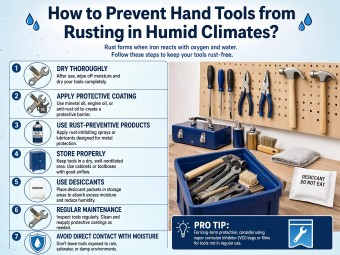
How to Prevent Hand Tools from Rusting in Humid Climates?
-
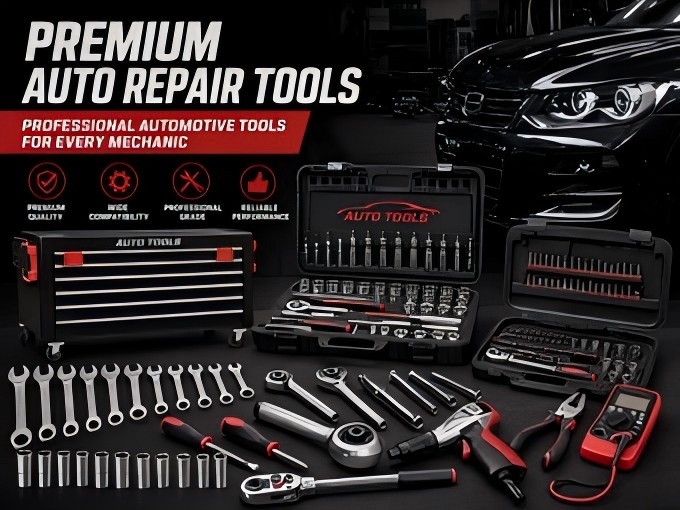
Premium Auto Repair Tools – Professional Automotive Tools for Every Mechanic
-
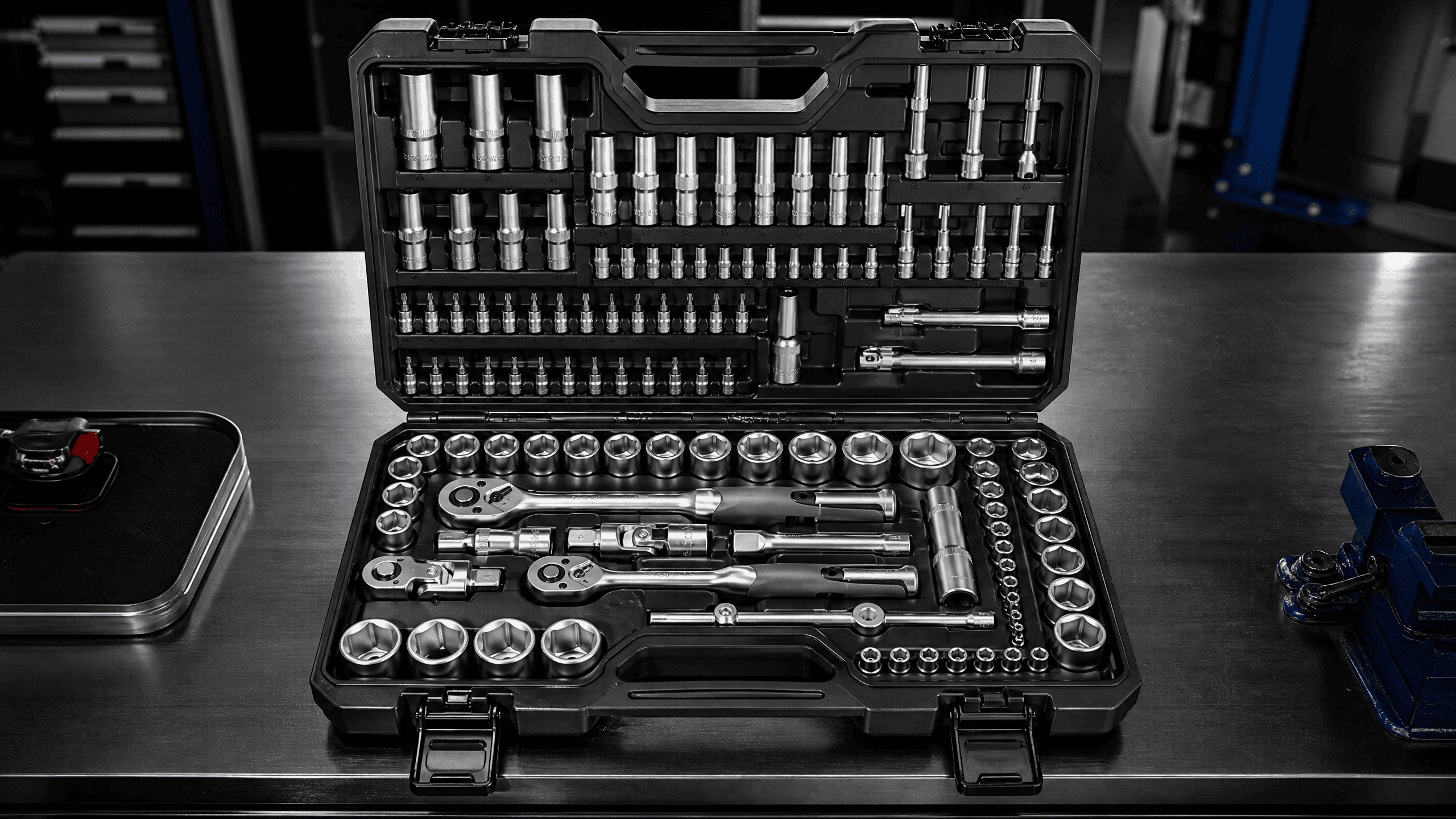
The Ultimate Guide to Professional Mechanic Tool Sets: Why Cr-V Steel Matters in 2026
-
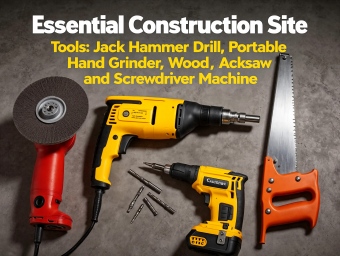
Essential Construction Site Tools: Jack Hammer Drill, Portable Hand Grinder, Wood Hacksaw and Screwd
-

Worksite Tools in Real Use: Portable Hand Grinder and Worksite Compressor Setup
-
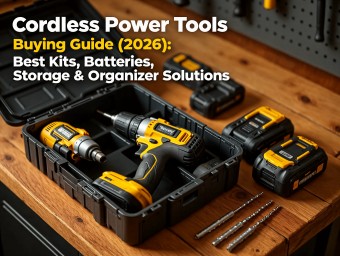
Cordless Power Tools Buying Guide (2026): Best Kits, Batteries, Storage & Organizer Solutions