1) The most important decision: choose a battery platform first
Before buying individual cordless power tools, pick a battery platform you can stay on long-term. That’s because power tool batteries are typically brand-specific, and your battery investment can quickly cost as much as your first tools.
What to check on any battery platform
Voltage: 18V/20V class is the best all-around choice for most users.
Amp-hour (Ah): higher Ah = longer runtime (not necessarily more power).
Tool ecosystem: confirm the platform has the tools you may want later.
Battery availability: replacement batteries should be easy to buy in the future.
Warranty and support: a good warranty reduces long-term ownership risk.
| Battery size | Best for | Notes |
|---|---|---|
| 2.0Ah | Light DIY, short tasks | Lower weight; shorter runtime |
| 4.0Ah | Regular DIY, home maintenance | Strong balance of runtime and weight |
| 5.0Ah–6.0Ah+ | Long projects, job-site work | Best runtime; heavier on compact tools |
Practical minimum: own two power tool batteries per platform (one in use, one charging).
2) Best cordless power tools to buy first (high-ROI tools)
If you’re building a new system, start with tools that cover the most jobs. For most users, these are the “foundation” cordless power tools.
Tier 1 (buy first)
Cordless drill/driver: drilling and general fastening.
Cordless impact driver: faster driving, better for long screws and repetitive work.
Tier 2 (add next)
Cordless circular saw: lumber and sheet goods.
Cordless oscillating multi-tool: plunge cuts, trimming, scraping, sanding in tight areas.
Cordless reciprocating saw: demo work and rough cuts.
When people search for the best power tools, they often mean “best for my projects.” A realistic approach is to buy fewer tools first, then expand within the same battery platform as you learn what you use most.
3) Power tool combo kits: when bundles are the smarter buy
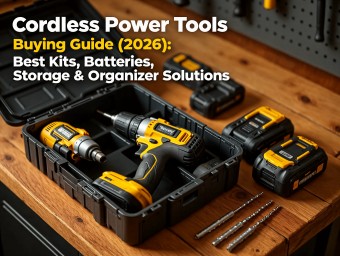
Power tool combo kits are usually the best value when you’re starting from zero because they include compatible tools, chargers, and power tool batteries. In many cases, the batteries and charger are the most expensive part to buy separately.
How to judge power tool combo kits (quick checklist)
Does it include the tools you will actually use (not filler tools)?
How many batteries are included, and what Ah rating?
Is the charger standard or fast/rapid?
Are the tools brushless or brushed (brushless is usually better for frequent use)?
4) Power tool batteries: buying, managing, and extending battery life
Good power tool batteries keep your cordless system reliable. Bad battery habits shorten lifespan,reduce runtime, and create downtime.
Battery management tips that matter
Keep batteries at moderate temperature: avoid storing in hot cars or freezing garages.
Use two-battery rotation: one runs, one charges (reduces project stops).
Don’t abuse small batteries: high-demand tools run better on 4.0Ah+ packs.
Store partially charged for long storage: many users store around 40–60% if not used for weeks.
5) Power tool storage: how to keep tools safe and easy to find
As your collection grows, power tool storage becomes a performance factor. Disorganized tools waste time,increase damage, and make battery management harder.
Three practical storage approaches
Wall storage: keeps tools visible and off the bench (great for garages).
Rolling cabinet: best for larger collections and accessories.
Cases/bags: best when you move tools between job sites.
If you regularly search for “power tool storage” solutions, consider building a dedicated charging zone:charger mounted, battery slots, and a clear “charged vs needs charging” routine.
6) Power tool organizer: the fastest way to improve daily workflow
A power tool organizer isn’t just about neatness. It reduces time searching for tools, prevents lost batteries, and makes it obvious what’s missing before you start a job.
What a good power tool organizer should include
Dedicated battery slots: separate areas for charged and used batteries.
Visible tool placement: no digging through piles or drawers.
Room to expand: your cordless power tools collection will grow.
Nearby charger: organizer should be close to your charging station.
7) What “best power tools” means in 2026 (a realistic definition)
The best power tools are not always the most expensive tools. For most buyers, “best” means: reliable performance, strong battery support, an ecosystem you can expand, and storage that keeps the system usable.
| User type | What “best” usually means | What to prioritize |
|---|---|---|
| Occasional DIY | Value and simplicity | Small combo kit, two batteries, basic organizer |
| Serious DIY | Performance + expandability | Brushless tools, 4.0Ah+ packs, better storage |
| Professional | Durability + uptime | Multiple batteries, fast charging, rugged storage |
If you are evaluating dawei power tools cordless options, focus on the same fundamentals: battery platform coverage, brushless availability, and replacement battery support.
FAQ
What cordless power tools should I buy first?
Start with a cordless drill/driver and an impact driver on the same battery platform. These two cordless power tools cover most drilling and fastening jobs for DIY and maintenance.
Are power tool combo kits worth it?
Yes. Power tool combo kits often provide the best value because they include tools, a charger, and power tool batteries that work together from day one.
How many power tool batteries do I need?
Two batteries per platform is the practical minimum (one in use, one charging). If you use multiple cordless power tools in the same project, three to four batteries reduces downtime.
What is the best power tool storage setup for a garage?
A wall-mounted power tool organizer plus a dedicated charging station is one of the most efficient power tool storage setups for a garage. Add a cabinet or toolbox as your collection grows.
Where can I see Dawei options for cordless tools and kits?
Recommended next read
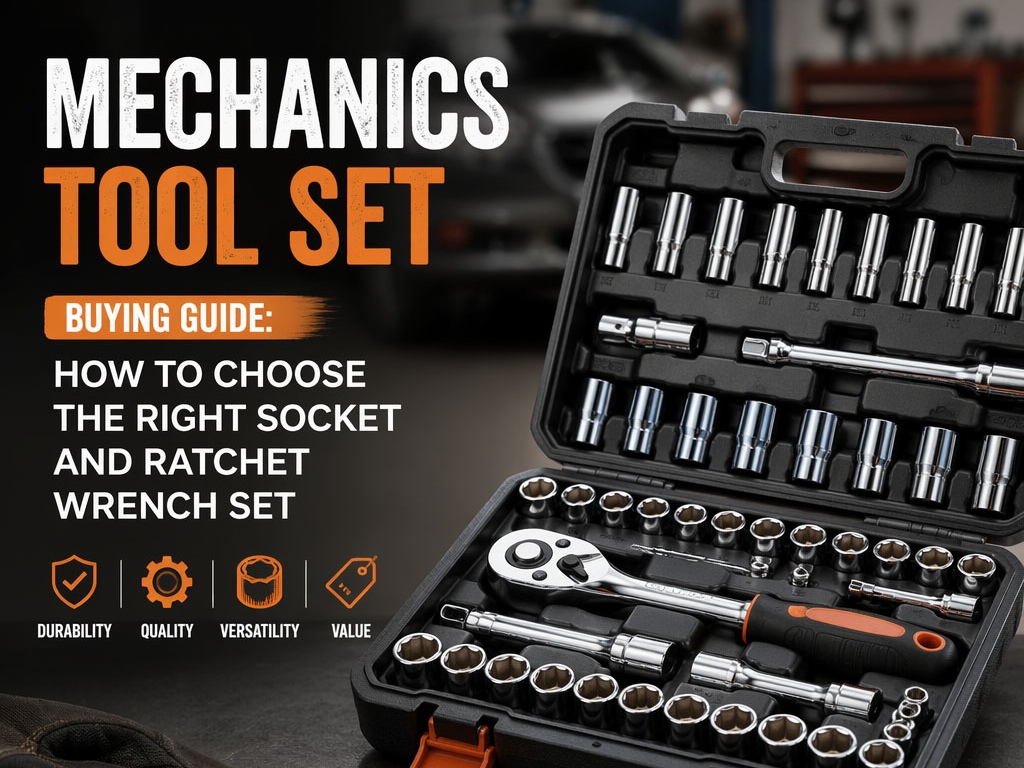
If you also build mechanical tool kits, this guide complements cordless power tools selection: https://www.daweimetal.com/blog/Mechanic-Tool-Set-Buying-Guide.html