
- Dawei Metal 2026 Chinese New Year Special Offer: Gallop into Success with Upgraded Tools!
- Aluminum Alloy Combination Tool Set for Home, Automotive, and Repair Use
- Striking Tools: Types, Uses, and How to Choose the Right One
- Highest Quality Hand Tools: Inside the World's Most Trusted Tool Brands
- Why a Machete Saw Belongs in Your Outdoor Kit
Company:Shandong Dawei Metal Materials Co., Ltd.
Tel:+8615666285386
Email:dwhardwaretools@gmail.com
Address:Room 1413, Building 8, Shandong Steel Xintiandi Plaza, No. 61 Gongye South Road, High-tech Zone, Jinan City
The Ultimate Guide to Hand Tools: Top Tool Brands, Woodworking Tools & Where to Find the Best Tool Sales Online
Every serious craftsman, professional mechanic, and dedicated DIY enthusiast knows that the quality of your work is directly connected to the quality of your hand tools. Walk into any professional workshop and you'll immediately notice two things: a well-organized collection of tools from trusted tool brands, and an owner who knows exactly where to find the best tool sales to keep their workshop stocked without breaking the bank.
Whether you're setting up a woodworking studio and need reliable woodworking tools, building your first tool collection, or simply looking for the best tool web resources to compare products and prices, this guide covers everything you need to know. We'll break down the most important categories of hand tools, explain what separates great tool brands from average ones, walk you through essential woodworking tools for every skill level, and show you how to find genuine tool sales that offer real value — not just discounted low-quality products dressed up with flashy marketing.
Why Hand Tools Still Matter in a Power Tool World
Before we dive into tool brands and tool sales, let's address the question that every beginner eventually asks: in an age of cordless drills, electric sanders, and pneumatic nailers, why do hand tools still matter?
The answer is both practical and philosophical.
From a practical standpoint, hand tools offer precision, control, and reliability that powered alternatives simply cannot match in certain situations. A hand saw cutting dovetail joints for fine furniture gives the craftsman tactile feedback and control that no powered jigsaw can replicate. A well-tuned hand plane produces a surface finish that sandpaper and electric planers struggle to equal. A properly fitted screwdriver delivers exactly the right torque without the risk of over-driving and stripping fasteners.
From a reliability standpoint, hand tools never run out of battery charge, never trip a circuit breaker, and never fail because of a motor burnout. In a professional environment where downtime costs money, having quality hand tools as backup — or as the primary tool for precision work — is not optional; it's essential.
The best professional workshops use hand tools and power tools in combination, choosing the right tool for each specific task rather than defaulting to one category exclusively. This is why the best tool brands in the industry always maintain comprehensive lines of both hand tools and powered equipment, and why the best tool web platforms always feature both categories side by side.
Understanding Tool Brands: What Separates the Best from the Rest
Not all tool brands are created equal. The global hand tool market is flooded with products at every price point, from ultra-budget imports to premium professional-grade tools that carry lifetime warranties. Understanding what distinguishes top tool brands from mediocre competitors helps you make smarter purchasing decisions — whether you're shopping tool sales online or stocking a full workshop from scratch.
What Makes a Tool Brand Truly Great
The best tool brands share a set of core characteristics that have nothing to do with marketing budgets or brand recognition:
Material quality and specification compliance. Top tool brands use specified steel alloys — Chrome Vanadium (Cr-V) for wrenches and sockets, S2 alloy steel for screwdriver bits, high-carbon steel for cutting tools — and they can prove it with third-party material certifications. Budget brands often substitute lower-grade steel without disclosing the change, resulting in tools that look identical but perform and last very differently.
Manufacturing process control. Premium tool brands maintain tight tolerances in their machining and forging operations. A socket from a top brand will fit a fastener head precisely, with minimal play that could round off corners. A bargain socket from an unknown brand might be 0.5mm oversized — imperceptible to the eye but catastrophic in practice when you're trying to break loose a seized bolt.
Heat treatment expertise. The hardness and toughness of a hand tool depends almost entirely on the heat treatment process applied after forging or machining. Great tool brands invest in precise, computer-controlled heat treatment furnaces and maintain detailed process records. This is why two wrenches made from nominally identical steel can perform completely differently — the difference is invisible to the naked eye but shows up immediately under load.
Quality control systems. Established tool brands maintain in-house testing laboratories and implement statistical process control throughout production. Every batch of tools undergoes hardness testing, dimensional inspection, torque testing, and surface finish evaluation before leaving the factory. ISO 9001:2015 certification is the minimum standard to look for when evaluating any tool brand.
Warranty and after-sales support. The confidence a tool brand has in its own products is reflected directly in its warranty terms. The best brands offer lifetime warranties on their hand tools — not because they expect to replace tools frequently, but because they know their products rarely fail under normal use. A tool brand that offers only a 90-day warranty is telling you something important about how much faith they have in their own manufacturing.
Track record and industry reputation. The best tool brands have been trusted by professionals for decades. Their reputation has been built not through advertising but through performance in real workshops, on real job sites, and in the hands of professionals who depend on their tools every day.
Tool Brands by Market Segment
The tool brand landscape can be broadly divided into three market segments, each serving a different buyer profile:
Professional and Industrial Grade Tool Brands
These tool brands produce tools designed for daily professional use in demanding environments. Materials and manufacturing processes are at the highest level, warranties are comprehensive, and prices reflect the long-term value rather than the initial purchase cost. Professional mechanics, master carpenters, and industrial maintenance technicians rely on these brands.
Prosumer and Serious DIY Tool Brands
The middle market of tool brands offers excellent quality at more accessible price points. Tools in this segment are typically made from the same specified steel alloys as professional tools, with slightly less stringent quality control tolerances and more modest warranty terms. For serious home workshop users and part-time tradespeople, these tool brands represent outstanding value.
Entry-Level and Budget Tool Brands
The entry-level segment serves beginners, occasional users, and buyers on strict budgets. Quality varies enormously in this segment — some budget tool brands deliver surprising performance for their price, while others are essentially disposable. Careful evaluation and targeted tool sales shopping can help buyers find genuine value in this segment without falling for marketing traps.
Essential Hand Tools Every Workshop Needs
Regardless of which tool brands you choose or where you find your tool sales, every serious workshop needs the same fundamental categories of hand tools. Here is a comprehensive breakdown:
Measuring and Marking Tools
Accurate measurement is the foundation of every successful project, whether you're doing automotive work or fine woodworking. Essential measuring hand tools include steel tape measures, combination squares, marking gauges, marking knives, and precision calipers. Invest in quality here — measurement errors compound through every subsequent step of a project.
Striking Tools
The hammer is humanity's oldest hand tool and still one of the most essential. A well-stocked workshop needs at minimum a 16oz claw hammer for general carpentry, a ball peen hammer for metalwork, a rubber mallet for assembly work where marring surfaces is a concern, and a dead blow hammer for stubborn assemblies that need persuasion without rebound force.
Gripping and Clamping Tools
Pliers, clamps, and vises are the third hands that every craftsman needs. Combination pliers, needle-nose pliers, locking pliers (vise grips), and pipe wrenches cover most gripping needs. For woodworking tools specifically, a comprehensive set of bar clamps and pipe clamps in multiple lengths is essential for glue-ups.
Cutting Tools
Hand saws, chisels, utility knives, and marking knives form the cutting toolkit. The specific cutting hand tools you prioritize depend heavily on your primary work — a woodworker will invest heavily in chisels and hand saws, while a mechanic will prioritize hacksaw blades and utility knives.
Fastening Tools
Screwdrivers in multiple types and sizes, wrenches (combination, open-end, box-end), socket sets, and Allen key sets cover the fastening needs of virtually any workshop. For woodworking tools applications specifically, quality screwdrivers and a good set of mallets are essential for driving joints and chisels.
Shaping and Finishing Tools
Planes, files, rasps, and spokeshaves are the refining hand tools that transform rough work into finished products. These tools are particularly central to woodworking tools practice, where the difference between a mediocre and a masterful result often comes down to the quality of final shaping and surface preparation.
Woodworking Tools: A Complete Category Guide
Woodworking tools represent one of the richest and most nuanced categories in the entire hand tools universe. Unlike automotive or construction tools, where standardization is paramount, woodworking tools encompass an enormous range of specialized instruments developed over centuries of craft tradition.
Why Quality Matters More in Woodworking Tools
The demands placed on woodworking tools are different from those placed on most other hand tools. A wrench needs to be strong and dimensionally accurate. A chisel needs to be strong, dimensionally accurate, AND maintain a razor-sharp edge through repeated use. Edge retention — the ability of a cutting tool to stay sharp under use — is the defining quality characteristic of premium woodworking tools and the area where the gap between great tool brands and budget alternatives is most dramatic.
Edge retention depends on two factors: steel quality (specifically carbon content and alloying elements) and geometry (the angle and profile of the cutting edge). The best tool brands producing woodworking tools obsess over both factors, using high-carbon or A2/O1 tool steel with precisely ground and heat-treated blades.
Essential Woodworking Hand Tools by Category
Bench Planes
The hand plane is the defining woodworking tool of traditional craftsmanship. A quality bench plane — properly tuned and fitted with a sharp blade — can produce surfaces so smooth that no sanding is required. Essential planes for a well-equipped woodworking workshop include:
No. 4 Smoothing Plane — the most versatile bench plane, used for final surface preparation
No. 5 Jack Plane — longer sole for flattening rough boards
No. 7 or No. 8 Jointer Plane — for flattening and jointing long boards and panel edges
Block Plane — compact plane for end grain work, chamfers, and tight spaces
Router Plane — for cleaning up dadoes, grooves, and inlays to precise depths
Chisels
Bench chisels are arguably the most fundamental woodworking tools for joinery work. A quality set of bench chisels in sizes from 6mm to 38mm covers the vast majority of woodworking needs. Mortise chisels, with their thicker blades designed for heavy mallet work, are essential for cutting mortise and tenon joints — one of woodworking's most important structural connections.
Hand Saws
Despite the prevalence of power saws, hand saws remain essential woodworking tools for precision cutting, especially in joinery work. A well-equipped woodworking shop needs:
Rip saw — for cutting along the grain
Cross-cut saw — for cutting across the grain
Tenon saw (back saw) — for precise joinery cuts
Dovetail saw — for the fine, accurate cuts required for dovetail joints
Coping saw — for curved cuts and tight radii
Marking and Layout Tools
Precision layout is everything in woodworking. Essential woodworking tools for marking include marking gauges, mortise gauges, combination squares, sliding bevels (for angles), and marking knives. A quality marking knife produces a crisp, precise line that a pencil simply cannot match — particularly important when cutting to a line with a chisel or hand saw.
Sharpening Tools
No discussion of woodworking tools is complete without addressing sharpening. Even the best tool brands produce woodworking tools that require regular sharpening maintenance. A quality sharpening setup — whether water stones, oil stones, or diamond plates — is as essential as any cutting tool in the woodworking workshop. A dull chisel or plane blade is not just less effective; it's actually more dangerous, requiring more force and providing less control.
Mallets
A wooden or rubber mallet is the woodworker's striking tool of choice when driving chisels and assembling joints. Unlike metal hammers, mallets drive chisels without damaging the tool handle and provide a feel of feedback that helps the woodworker control cutting depth and force.
Tool Sales: How to Find Real Value Without Getting Burned
Every workshop owner loves a great tool sale. The challenge is distinguishing genuine tool sales that offer real value from discount traps that push inferior products at prices that still represent poor value. Here's how to navigate tool sales intelligently:
Types of Tool Sales to Know
Seasonal Tool Sales
The best predictable tool sales occur around major retail seasons. Black Friday and Cyber Monday typically bring significant discounts on hand tools and woodworking tools from major tool brands. Spring brings tool sales targeting home improvement project season. Back-to-school and end-of-summer periods often feature clearance tool sales on seasonal products.
Manufacturer Direct Tool Sales
Some tool brands run their own direct sales events, offering factory-direct pricing that bypasses retail markups. These tool sales often include discontinued models, factory seconds with minor cosmetic defects (but full functionality), and bundle deals that combine complementary tools at package pricing.
Distributor and Wholesaler Tool Sales
For trade buyers, workshop owners, and tool resellers, distributor-level tool sales offer the deepest discounts. These tool sales typically require minimum order quantities but offer pricing structures that retail tool sales cannot approach.
Clearance and Overstock Tool Sales
When tool brands update their product lines, the previous generation often appears in clearance tool sales at dramatically reduced prices. These tools are not inferior — they're simply being replaced by updated models. Clearance tool sales are among the best opportunities to acquire professional-grade hand tools at prosumer prices.
What to Look For in Tool Sales
Verify the tool brand. A tool sale featuring products from established, reputable tool brands is fundamentally different from a tool sale pushing unknown products. The tool brand name is the most important quality signal — always research any unfamiliar tool brand before purchasing based on price alone.
Check the specifications. Quality tool sales from honest sellers always include detailed product specifications — steel grade, finish type, dimensional standards, and warranty terms. If a tool sale listing lacks specification detail, that omission is itself a warning sign.
Read reviews from verified buyers. The best tool web platforms feature verified buyer reviews that provide real-world performance feedback. A tool sale price that looks attractive but carries consistently poor reviews is not a bargain — it's a money trap.
Calculate total cost of ownership. A cheap hand tool that needs replacement after one year costs more over five years than a quality tool purchased at full price. When evaluating tool sales, always factor in expected service life, warranty coverage, and replacement costs.
Be cautious with deeply discounted professional tools. If a tool sale offers professional-grade hand tools at prices that seem too good to be true, verify authenticity carefully. Counterfeit tools from well-known tool brands are a real problem — particularly on third-party marketplace platforms.
Tool Web: Your Online Resource for Hand Tools, Tool Brands & Woodworking Tools
The rise of the tool web — the ecosystem of online platforms, communities, review sites, and marketplaces dedicated to tools — has transformed how professionals and enthusiasts research, compare, and purchase hand tools and woodworking tools.
How to Use the Tool Web Effectively
Research before you buy. The tool web gives you access to more information about any tool brand or specific product than any physical store can provide. Before making any significant tool purchase, invest time in tool web research — read professional reviews, watch video demonstrations, compare specifications across competing products, and check pricing across multiple sellers.
Join tool web communities. Online forums, subreddits, and social media groups dedicated to hand tools and woodworking tools are invaluable tool web resources. Experienced craftsmen freely share their real-world experience with different tool brands, alert the community to exceptional tool sales, and provide honest assessments that no manufacturer's marketing can match.
Use tool web comparison tools. Price comparison engines and product comparison tools within major tool web platforms make it easy to find the best current tool sales on specific products from verified tool brands. Set up price alerts for tools on your wish list and wait for tool sales to bring them into your budget range.
Follow tool brand websites directly. Most established tool brands maintain their own tool web presence with product information, tutorial content, and direct purchase options. Following tool brands directly ensures you're always aware of manufacturer-direct tool sales and new product launches.
Leverage tool web educational content. The best tool web resources go far beyond shopping. Professional woodworkers, mechanics, and tool enthusiasts create enormous amounts of educational content — technique tutorials, tool comparisons, project guides, and maintenance instructions — that make the tool web an invaluable learning resource for craftsmen at every skill level.
Our Tool Web Presence: What We Offer
As a professional hand tools manufacturer and exporter, our tool web platform gives buyers around the world direct access to factory-quality hand tools, woodworking tools, and complete tool sets at competitive prices.
Our tool web resource includes:
Complete product catalog with detailed specifications, material certifications, and high-resolution imagery for every product we manufacture
Tool brand comparison guides to help buyers understand quality differences and make informed purchasing decisions
Woodworking tools selection guides organized by skill level, project type, and budget
Current tool sales and promotional pricing updated regularly with genuine discounts on professional-grade products
OEM and private label services for distributors and retailers who want to build their own tool brand using our manufacturing capabilities
Export documentation support for international buyers navigating import requirements
Direct inquiry system for custom orders, bulk purchases, and tool sales pricing on large quantities
How to Build Your Workshop Tool Collection Strategically
Whether you're drawn to woodworking tools, automotive hand tools, or a general-purpose workshop setup, building your collection strategically — rather than buying impulsively at every tool sale — leads to a better workshop and smarter spending.
The Foundation First Approach
Start with the hand tools you'll use most frequently and build quality into those purchases, even if it means buying fewer tools initially. A professional-grade hammer, a quality set of screwdrivers, and a reliable tape measure from reputable tool brands will serve you better than a 200-piece set of questionable quality from an unknown manufacturer found at a discount tool sale.
Expand Strategically with Tool Sales
Once your foundation is established, use tool sales strategically to expand your collection with tools you've researched and identified as your next purchases. Having a prioritized wish list means you're ready to act when a genuine tool sale makes a target tool available at exceptional value — rather than buying whatever happens to be discounted.
Invest More in Woodworking Tools You'll Use Daily
For woodworkers specifically, the principle is simple: invest most heavily in the woodworking tools you reach for every session. Your bench plane, your most-used chisels, your marking tools — these deserve the best quality you can afford from the best tool brands in the category. Tools used occasionally can be acquired more economically, especially through tool sales.
Use the Tool Web for Every Significant Purchase
Before any significant tool purchase, do your tool web research. Read reviews, compare specifications, check pricing across multiple sellers, and look for current tool sales. The tool web makes this research faster and more thorough than ever before — there's no excuse for making uninformed tool purchases in the digital age.
Frequently Asked Questions
What are the most important hand tools for a beginner woodworker?
For beginners focusing on woodworking tools, start with a quality marking gauge, combination square, marking knife, a set of bench chisels (6mm, 12mm, 19mm, 25mm), a crosscut hand saw, a No. 4 bench plane, a wooden mallet, and a sharpening setup. These hand tools from reputable tool brands will handle the vast majority of beginner and intermediate woodworking projects.
How do I identify genuine tool sales versus marketing traps?
Genuine tool sales feature products from known tool brands with verifiable specifications, detailed product information, warranty terms, and realistic discount levels (typically 15-40% off regular retail). Be skeptical of tool sales claiming 70-80% discounts, featuring unbranded products, or lacking specification details. Always cross-reference prices on the tool web before assuming a tool sale represents genuine value.
Which tool brands offer the best value for professional hand tools?
The best tool brands for professional hand tools are those with ISO 9001:2015 certification, specified steel alloy documentation, comprehensive warranty terms, and a proven track record in their target market. For buyers importing from China, look for tool brands with SGS or TUV third-party certification and verifiable export history.
Can I find quality woodworking tools on tool sales?
Absolutely. Quality woodworking tools from established tool brands appear in genuine tool sales regularly — particularly at seasonal clearance events and manufacturer direct promotions. The key is knowing exactly which products you want before the tool sale occurs, so you can recognize genuine value instantly when it appears.
How do I use tool web resources to compare tool brands?
Effective tool web research for comparing tool brands involves reading professional reviews on dedicated tool review sites, watching video comparisons from experienced craftsmen, checking community forums for real-user experiences, comparing specification sheets directly from manufacturer websites, and tracking pricing history using tool web price comparison tools.
What should I look for when buying hand tools online?
When purchasing hand tools through any tool web platform, prioritize: verified tool brand identity, detailed product specifications (steel grade, finish, dimensions), clear warranty terms, verified buyer reviews, seller reputation and return policy, and accurate shipping cost information. Never make significant hand tool purchases based on price alone.
Do you offer tool sales for bulk and wholesale orders?
Yes. We offer competitive tool sales pricing for bulk orders, wholesale buyers, distributors, and retailers. Our factory-direct pricing structure provides genuine value for buyers who are building inventory, stocking a tool web store, or supplying professional workshops. Contact us directly for current tool sales pricing on any product in our catalog.
Conclusion: Building Excellence One Tool at a Time
The journey of building a great workshop — whether it centers on woodworking tools, automotive hand tools, or a comprehensive multi-discipline setup — is one of the most rewarding investments a craftsman can make. Every quality tool acquired from a trusted tool brand, every great find from a genuine tool sale, and every piece of knowledge gained from the tool web community adds to a collection that will serve you for decades.
At our factory, we take pride in being the tool brand that professional workshops around the world trust for their core hand tools and woodworking tools needs. Our commitment to material quality, manufacturing precision, and honest value means that every product we make — whether purchased at full price or discovered through one of our tool sales — delivers the performance and longevity that serious craftsmen demand.
Explore our complete catalog on our tool web platform, connect with our team for personalized recommendations, and discover why leading distributors, retailers, and workshops choose us as their trusted tool brand partner.
Contact us today for factory-direct pricing, current tool sales, and OEM opportunities.
Fast response within 12 hours | Worldwide shipping | Free samples available
- Pro:Complete Guide to Dawei Wrench Tools: Torque Wrenches, Impact Wrenches, Spanners and More
- Next:OEM Multi Bit Screwdriver Set
-

Socket Set vs. Wrench Set: Which Is Better for Automotive Repair?
-
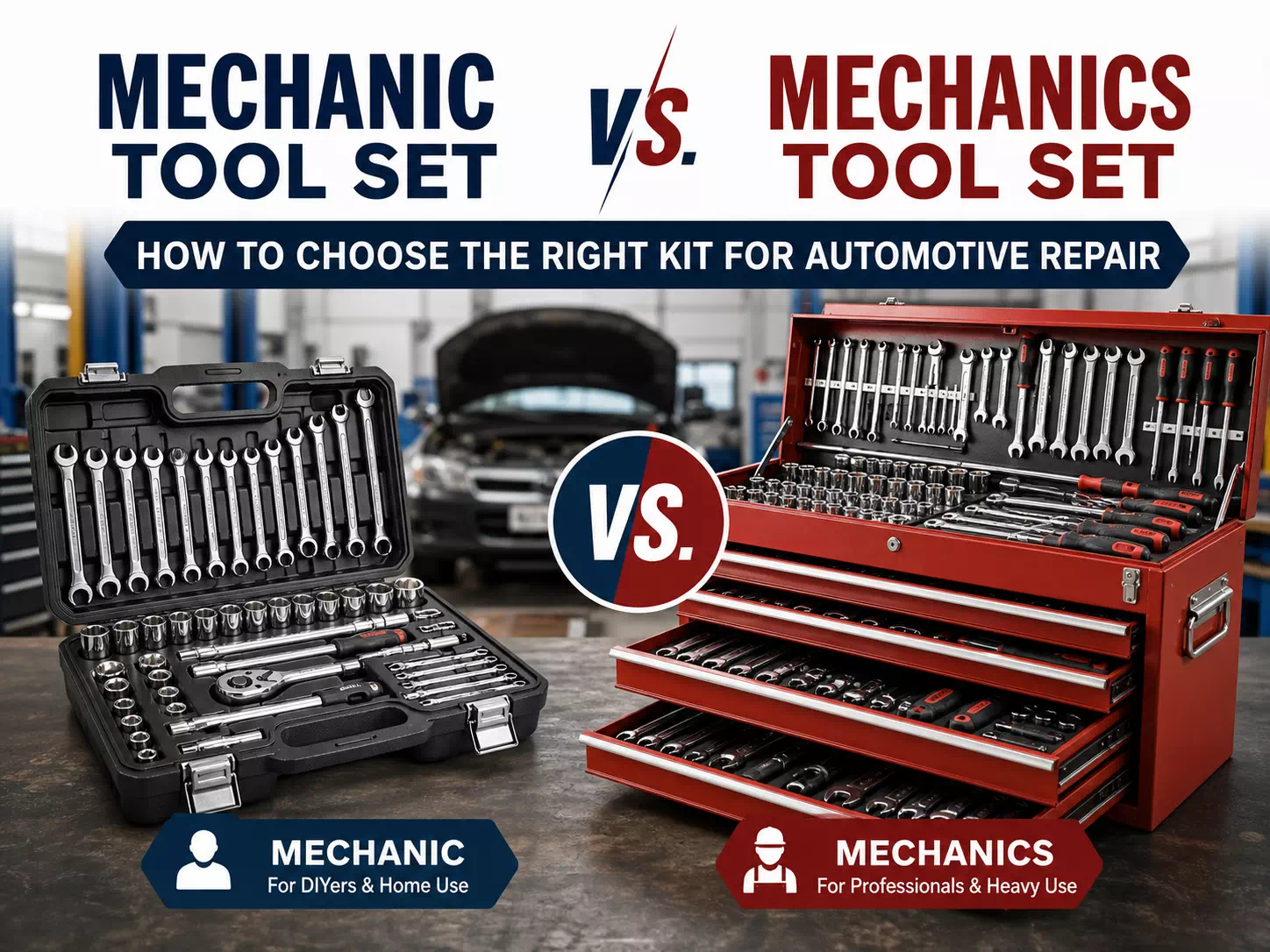
Mechanic Tool Set vs. Mechanics Tool Set: How to Choose the Right Kit for Automotive Repair
-
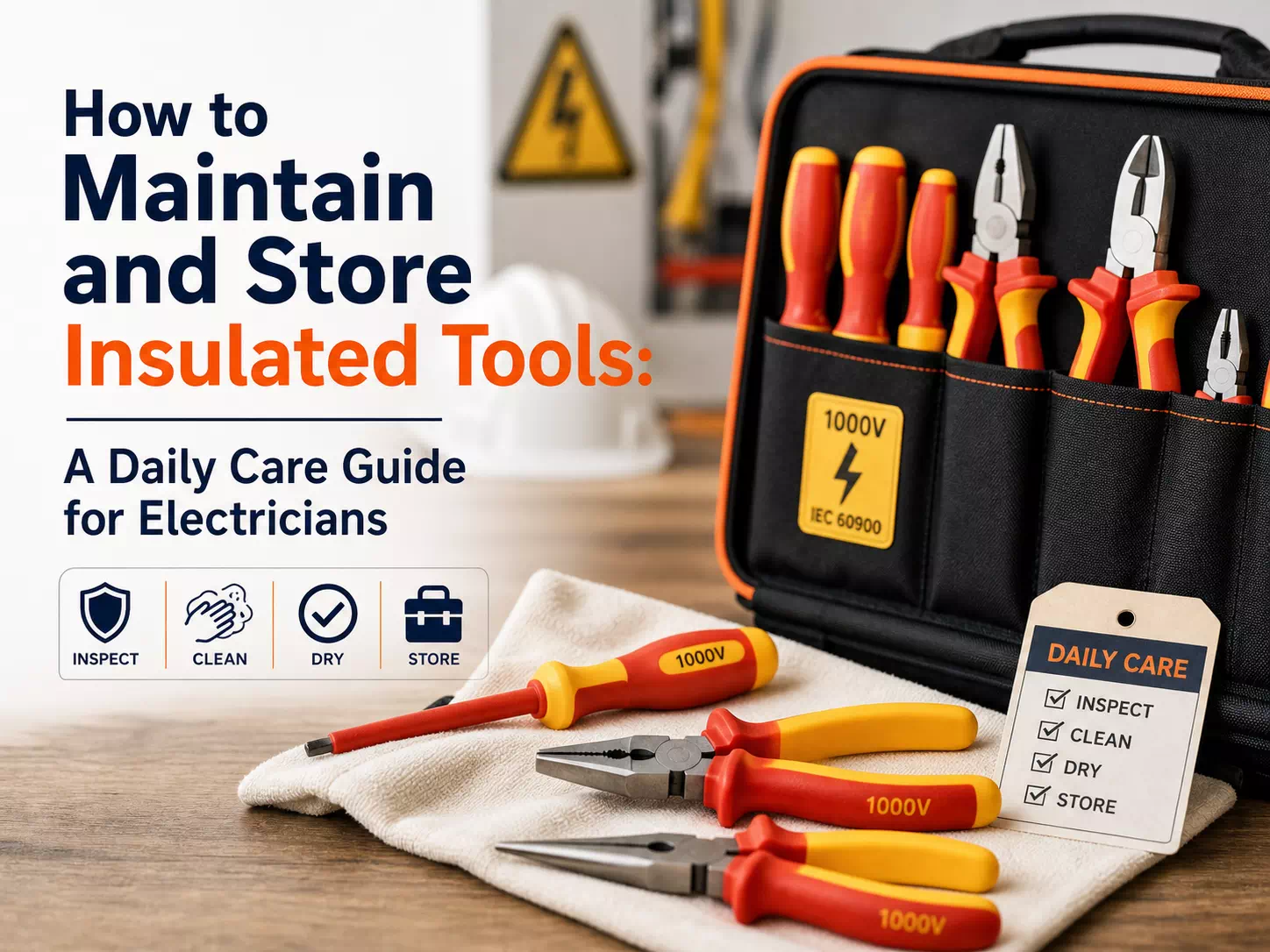
How to Maintain and Store Insulated Tools: A Daily Care Guide for Electricians
-
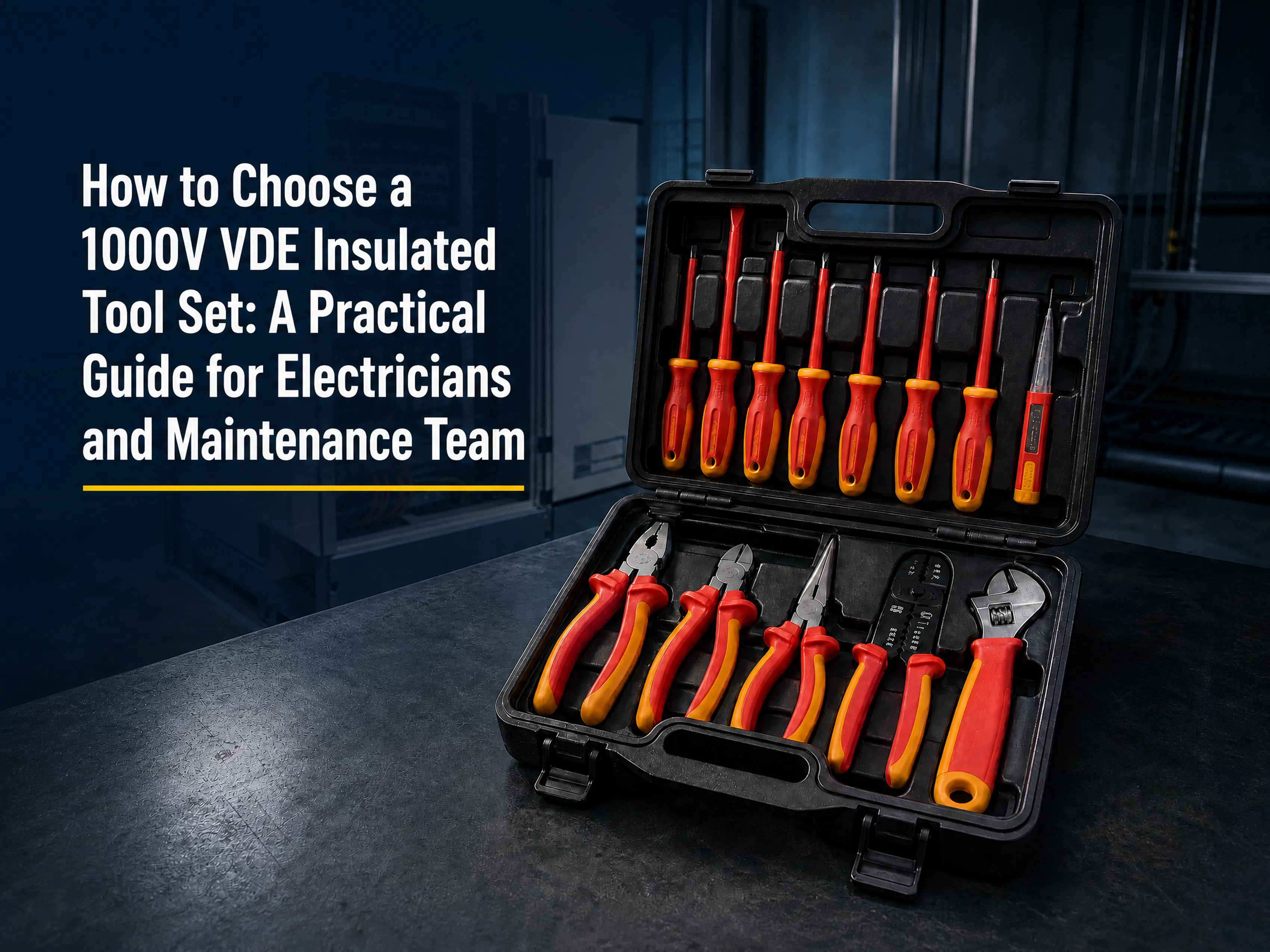
How to Choose a 1000V VDE Insulated Tool Set: A Practical Guide for Electricians and Maintenance Tea
-
Essential Insulated Tools for Safe Device Measurement: A Practical Hardware Tools List
-
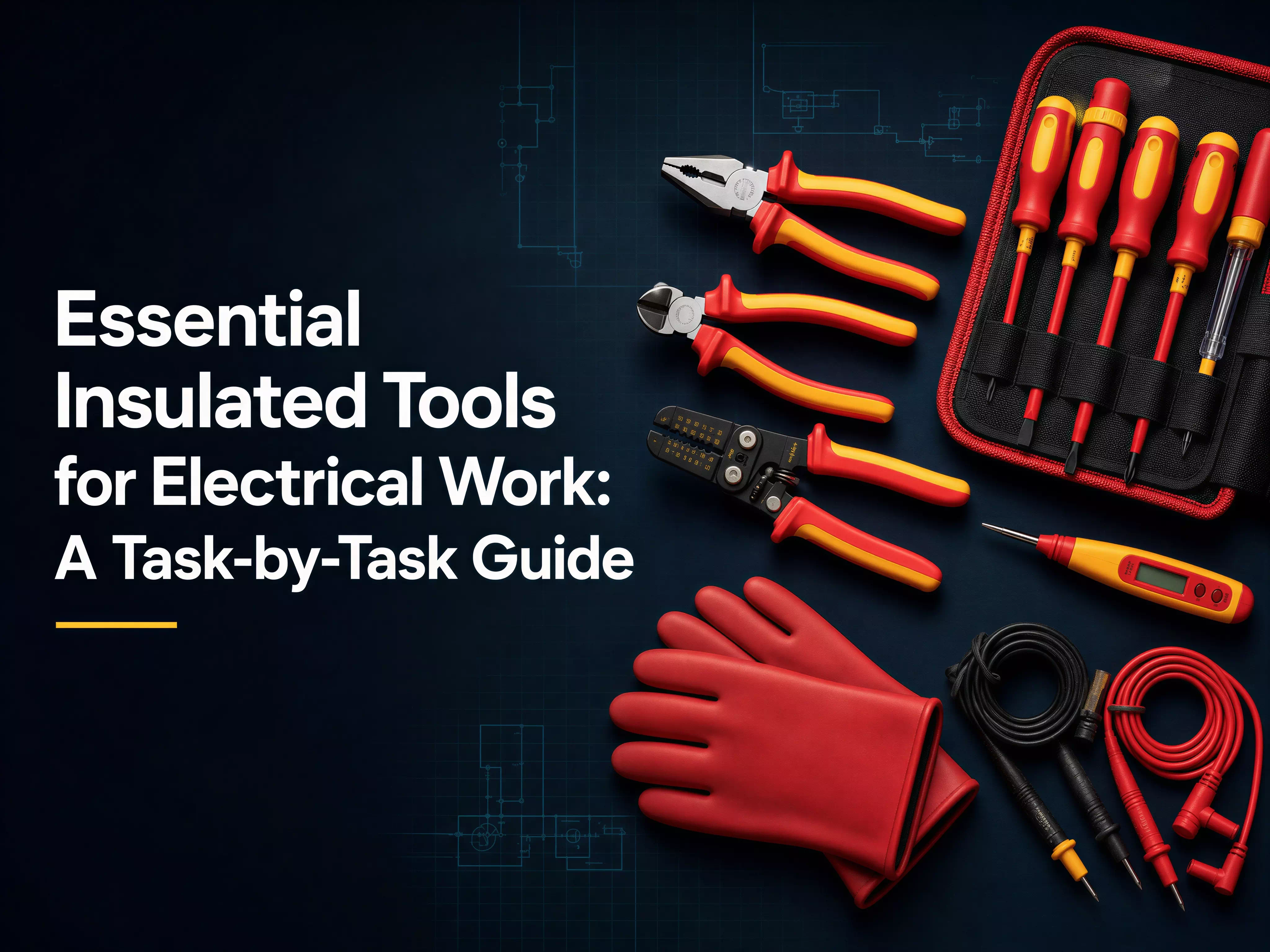
Essential Insulated Tools for Electrical Work: A Task-by-Task Guide