
- Dawei Metal 2026 Chinese New Year Special Offer: Gallop into Success with Upgraded Tools!
- Aluminum Alloy Combination Tool Set for Home, Automotive, and Repair Use
- Striking Tools: Types, Uses, and How to Choose the Right One
- Highest Quality Hand Tools: Inside the World's Most Trusted Tool Brands
- Why a Machete Saw Belongs in Your Outdoor Kit
Company:Shandong Dawei Metal Materials Co., Ltd.
Tel:+8615666285386
Email:dwhardwaretools@gmail.com
Address:Room 1413, Building 8, Shandong Steel Xintiandi Plaza, No. 61 Gongye South Road, High-tech Zone, Jinan City
Precision Measurement Tools: Master Diameter Accuracy with Industrial-Grade Measuring Devices
Introduction
In industrial manufacturing, a single 0.01mm error in diameter measurement can lead to $20,000+ in rework, scrap, and delayed shipments, according to the International Organization for Standardization (ISO). This is why investing in high-quality precision measurement tools—especially specialized diameter measuring devices—is non-negotiable for businesses aiming to meet strict industry standards and deliver defect-free products.While generic measuring devices can work for basic tasks, precision measurement tools are engineered to deliver ±0.001mm accuracy, far surpassing consumer-grade options. In this guide, we’ll break down the role of precision measurement tools in industrial settings, explore key types of diameter measuring devices, their applications, and share expert tips for selecting and maintaining these critical tools.
Precision Measurement Tools in Industrial Manufacturing: Why Diameter Accuracy Matters
Precision measurement tools are specialized measuring devices designed to quantify physical dimensions (like diameter, length, or thickness) with extreme consistency, adhering to ISO 17025 and ASME B89 standards. For industries where component fit and performance are critical, diameter measurement is one of the most frequent and high-stakes tasks:
Automotive: Engine pistons, crankshafts, and wheel bearings require precise diameter measurements to ensure smooth operation and fuel efficiency.
Aerospace: Turbine blades and hydraulic fittings demand ±0.0005mm accuracy to meet FAA safety regulations.
Pipe Fabrication: Oil and gas pipes need consistent diameter measurements to prevent leaks and ensure compatibility with connectors.
Machining: CNC-machined parts rely on diameter measuring tools to validate that final products match CAD designs exactly.
Types of Diameter Measuring Tools: Choosing the Right Measuring Device for Your Application
There are several types of diameter measuring devices, each tailored to different industrial use cases. Below are the most common precision measurement tools for diameter measurement:
Vernier Calipers & Micrometers: Traditional Precision Measurement Tools
Vernier Calipers & Micrometers: Traditional Precision Measurement Tools
The most widely used manual precision measurement tools, vernier calipers and micrometers are staple diameter measuring devices in machine shops and inspection labs.
Vernier Calipers: Measure external and internal diameters with ±0.02mm accuracy. Ideal for quick checks on small components like bolts, nuts, and washers.
Digital Micrometers: Deliver ±0.001mm accuracy with digital displays, eliminating scale-reading errors. Perfect for high-precision tasks like measuring bearing inner diameters.
Applications: General machining, automotive repair, small-part manufacturing.
User Testimonial: “Our CNC shop uses digital micrometers as our primary diameter measuring device—they cut inspection time by 30% and reduced rework by 25%,” says Jake T., a machining supervisor at a Detroit-based automotive supplier.
Laser Diameter Measuring Devices: Non-Contact Precision Measurement Tools
For delicate or fast-moving components, non-contact laser diameter measuring devices are the gold standard precision measurement tools.
Key Features: Use laser beams to scan components, delivering ±0.0005mm accuracy without touching the surface. Can measure moving parts in production lines (like wire, tubing, or plastic extrusions).
Benefits: Eliminates damage to soft materials (like rubber or glass) and enables real-time quality control.
Applications: Aerospace turbine blade manufacturing, wire and cable production, medical device fabrication.
Portable Diameter Measuring Tools: On-Site & Field Measuring Devices
For outdoor or remote projects (like pipe installation or construction), portable diameter measuring devices are lightweight, rugged precision measurement tools.
Types: Portable ultrasonic diameter gauges, digital calipers with IP67 waterproof ratings, and telescoping diameter measuring tapes.
Accuracy: ±0.01mm to ±0.1mm, depending on the model.
Applications: Oil and gas pipe inspection, construction site steel beam measurement, HVAC duct sizing.
Bench-Top Diameter Measuring Devices: Laboratory-Grade Precision Measurement Tools
For high-volume inspection and quality control, bench-top diameter measuring devices are automated precision measurement tools that integrate with CAD systems.
Key Features: Use vision systems or coordinate measuring machines (CMMs) to measure diameters, roundness, and concentricity in one scan.
Benefits: Automatically generates inspection reports and syncs data with manufacturing ERP systems.
Applications: Aerospace component inspection, medical device validation, automotive mass production.
How to Select the Best Diameter Measuring Device for Your Needs
Choosing the right precision measurement tool depends on three critical factors:
1. Precision Requirements
High-Precision Tasks (Aerospace, Medical Devices): Opt for laser diameter measuring devices or digital micrometers with ±0.001mm accuracy.
General Manufacturing: Vernier calipers or portable digital gauges with ±0.02mm accuracy are sufficient.
2. Measurement Environment
Indoor Labs/Shops: Bench-top CMMs or digital micrometers work best.
Outdoor/Harsh Environments: Portable ultrasonic diameter gauges or IP67-rated measuring devices are ideal for dust, moisture, and extreme temperatures.
3. Component Type
Delicate/Moving Parts: Non-contact laser diameter measuring devices to avoid damage.
Large Components (Pipes, Beams): Telescoping diameter measuring tapes or portable ultrasonic gauges.
Best Practices for Using Precision Measurement Tools & Diameter Measuring Devices
To ensure your diameter measuring device delivers consistent, accurate results:
Calibrate Regularly: Professional precision measurement tools should be calibrated every 6–12 months by a certified lab to meet ISO 17025 standards.
Handle with Care: Avoid dropping or exposing precision measurement tools to dust, moisture, or extreme temperatures—store them in padded cases when not in use.
Follow Standard Operating Procedures (SOPs): Train staff to use diameter measuring devices correctly (e.g., applying consistent pressure with micrometers, aligning laser tools properly).
Document Results: Keep digital records of diameter measurements for quality control audits and compliance reporting.
FAQ: Precision Measurement Tools & Diameter Measuring Devices
Q1: What’s the difference between a diameter measuring device and a generic measuring device?
A1: Generic measuring devices (like rulers or basic tape measures) deliver low accuracy (±1mm or more) and are designed for consumer use. Diameter measuring devices are precision measurement tools engineered for industrial applications, with accuracy ranging from ±0.0005mm to ±0.1mm, meeting ISO and ASME standards.Q2: How often should I calibrate my precision measurement tools?
A2: For heavy industrial use, calibrate diameter measuring devices every 6 months. For light lab use, annual calibration is sufficient. If your tool is dropped, exposed to harsh conditions, or shows inconsistent results, schedule calibration immediately.Q3: Can laser diameter measuring devices measure non-circular components?
A3: Yes—advanced laser diameter measuring devices can measure ovality, roundness, and diameter at multiple points on non-circular components, making them ideal for automotive crankshafts and aerospace turbine blades.Q4: Are portable diameter measuring tools as accurate as bench-top models?
A4: Portable diameter measuring devices offer slightly lower accuracy (±0.01mm to ±0.1mm) compared to bench-top models (±0.0005mm), but they are far more flexible for on-site and field applications. For most outdoor projects, this accuracy is more than sufficient.Ready to Upgrade Your Precision Measurement Tools?
Investing in high-quality diameter measuring devices is a strategic choice for businesses looking to reduce rework, improve product quality, and meet industry compliance standards. Our independent store offers a full range of precision measurement tools, including:
Digital micrometers and laser diameter measuring devices
Calibration services for all industrial measuring devices
Expert support for selecting the right tool for your application
- Pro:Measuring Tools and Instruments: Master Precision with Wheel & Compass Measuring Tools
- Next:Digital Measuring Devices: Mod
-
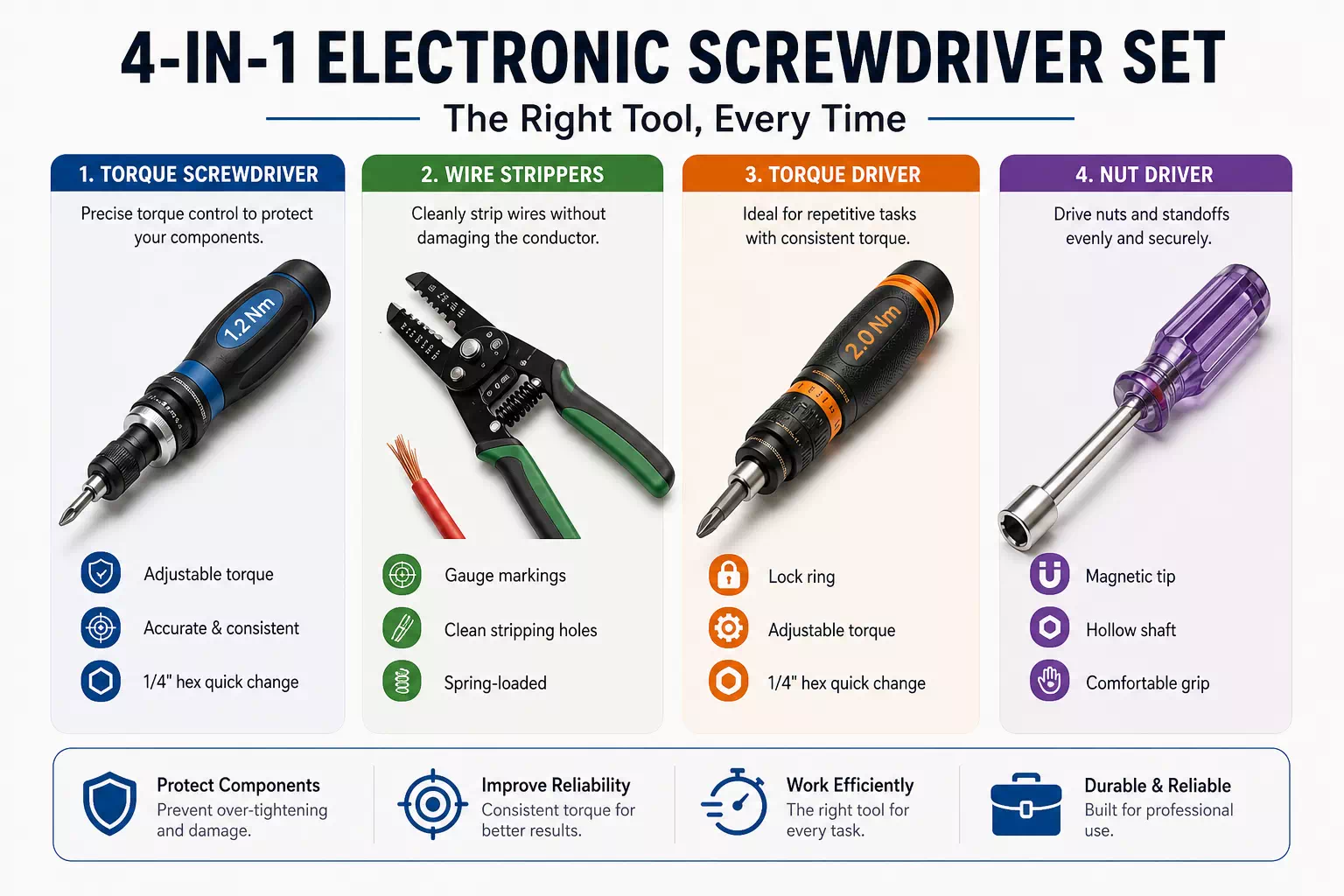
Torque Screwdrivers, Wire Strippers, Torque Drivers, and Nut Drivers: A Practical Electronic Tooling
-
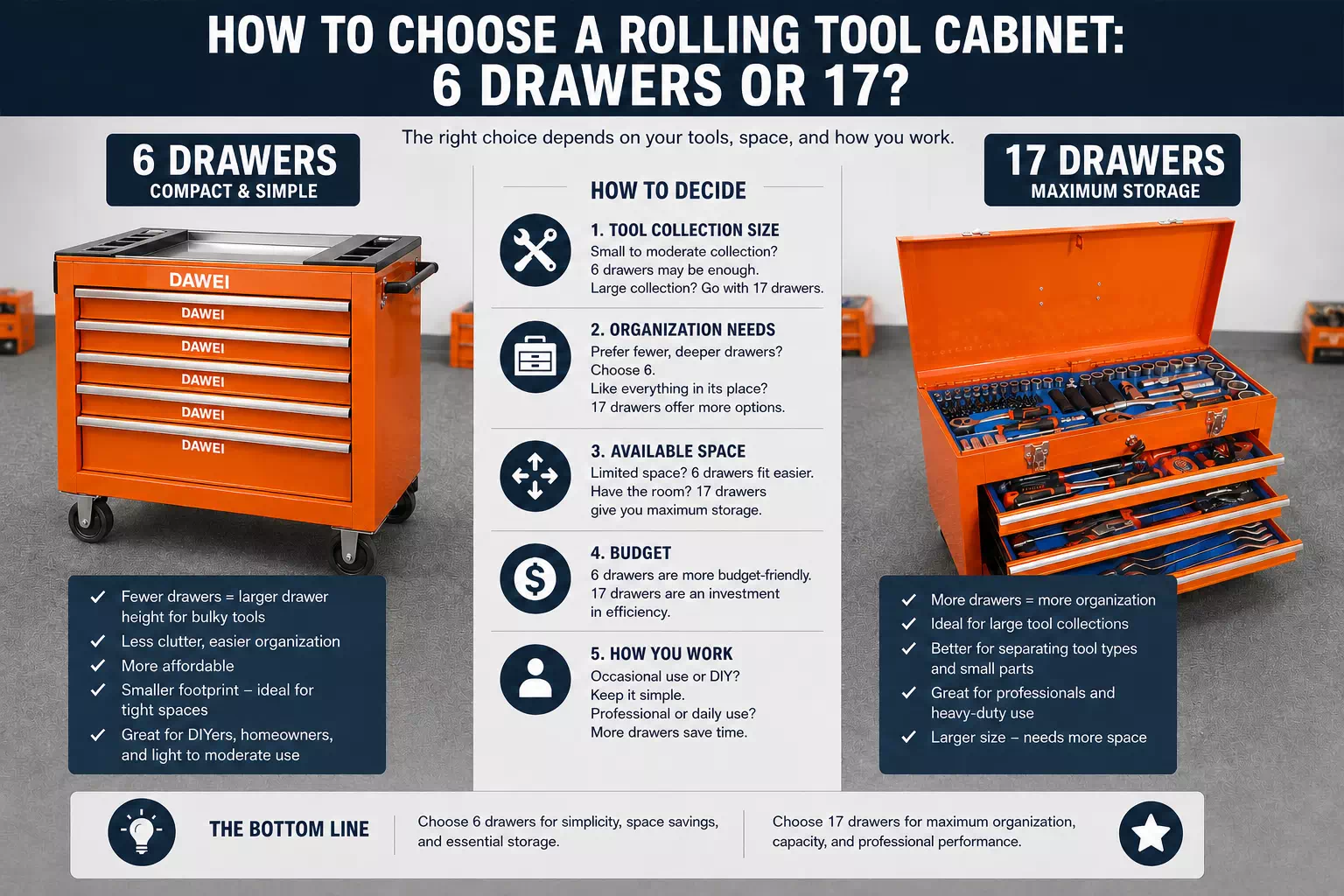
How to Choose a Rolling Tool Cabinet: 6 Drawers or 17?
-

How to Choose a Gear Wrench Tool Set for Motorcycle Maintenance
-
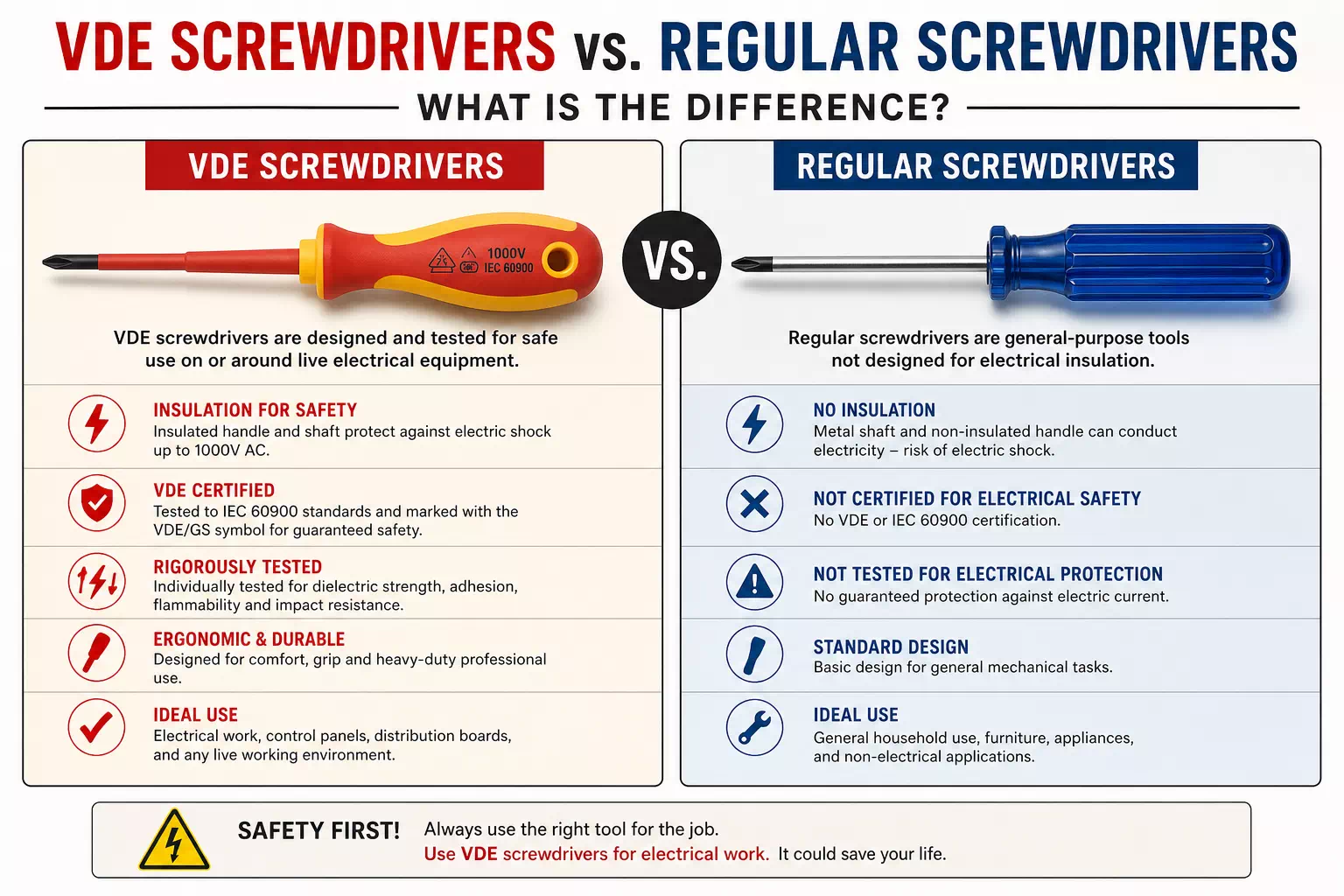
VDE Screwdrivers vs. Regular Screwdrivers: What Is the Difference?
-
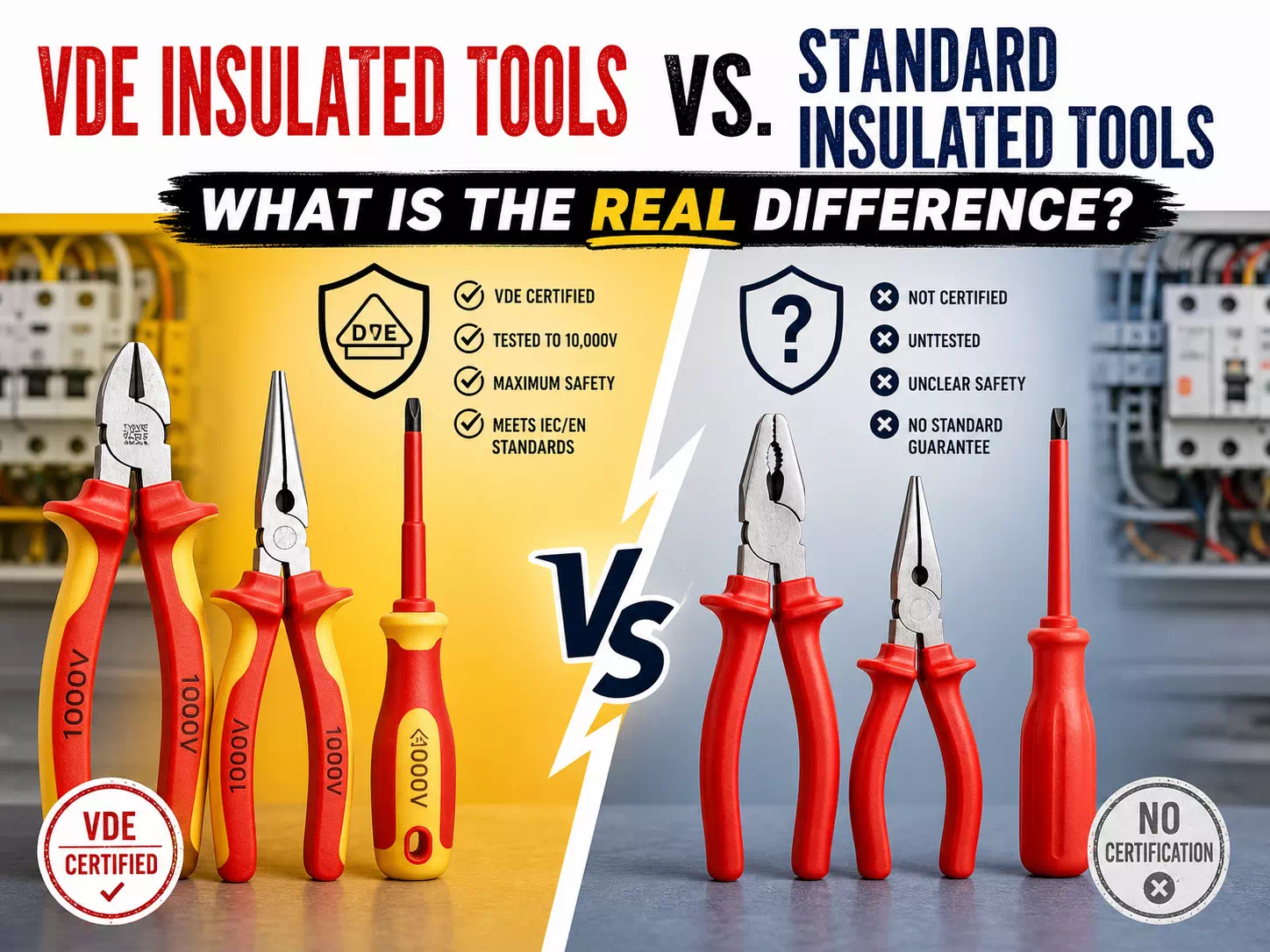
VDE Insulated Tools vs. Standard Insulated Tools: What Is the Real Difference?
-

VDE Certification Explained: What “VDE Approved” Really Means for Insulated Tools