
- Dawei Metal 2026 Chinese New Year Special Offer: Gallop into Success with Upgraded Tools!
- Aluminum Alloy Combination Tool Set for Home, Automotive, and Repair Use
- Striking Tools: Types, Uses, and How to Choose the Right One
- Highest Quality Hand Tools: Inside the World's Most Trusted Tool Brands
- Why a Machete Saw Belongs in Your Outdoor Kit
Company:Shandong Dawei Metal Materials Co., Ltd.
Tel:+8615666285386
Email:dwhardwaretools@gmail.com
Address:Room 1413, Building 8, Shandong Steel Xintiandi Plaza, No. 61 Gongye South Road, High-tech Zone, Jinan City
Measuring Tools and Instruments: Master Precision with Wheel & Compass Measuring Tools
Introduction
In industrial manufacturing, construction, and logistics, even a 1mm measurement error can lead to $10,000+ in rework costs, according to the International Organization for Standardization (ISO). This is why investing in high-quality measuring tools and instruments is non-negotiable for businesses aiming to reduce waste and deliver compliant products.While tape measures and calipers are common measuring instruments, specialized tools like the wheel measuring tool and compass measuring tool solve unique precision challenges across industries. In this guide, we’ll break down these critical measuring tools and instruments, their key features, applications, and how to select the right model for your work.Measuring Tools and Instruments: An Overview of Industrial Precision Solutions
Measuring tools and instruments are devices designed to quantify physical properties like length, angle, radius, or distance with consistent accuracy. These measuring instruments range from handheld tools for on-site work to bench-top systems for laboratory-grade precision.
Key Categories of Measuring Tools and Instruments
Linear Measuring Instruments: Tape measures, rulers, calipers, and wheel measuring tool for length/distance
Angular Measuring Instruments: Protractors, levels, and compass measuring tool for angles/radii
Digital Measuring Instruments: Laser distance meters, digital calipers, and smart wheel measuring tool with data sync
Specialized Measuring Instruments: Custom tools for aerospace, automotive, or pharmaceutical manufacturing
Wheel Measuring Tool: The Ultimate Solution for Long-Distance Precision Measurement
The wheel measuring tool is a specialized linear measuring instrument designed to measure long distances quickly and accurately—ideal for projects where tape measures or laser meters fall short.
How a Wheel Measuring Tool Works
A wheel measuring tool features a rotating wheel attached to a handle with a digital or analog display. As you roll the wheel across a surface, it calculates distance based on the wheel’s circumference, delivering real-time readings with ±0.1% accuracy.Key Features of Industrial-Grade Wheel Measuring Tool
Durable Construction: Rubberized wheel for traction on rough surfaces (asphalt, concrete, gravel)
Digital Display: Backlit screen for low-light job sites, with unit conversion (imperial/metric)
Data Storage: Saves up to 100 measurements for project documentation
Foldable Design: Portable and easy to store in a tool bag or truck
Waterproof Rating: IP54 or higher for use in rain or dusty conditions
Top Applications for Wheel Measuring Tool
Road Construction: Measure pavement lengths, drainage ditches, and construction site boundaries
Logistics & Warehousing: Map warehouse aisle dimensions and vehicle turning radii
Landscaping: Calculate lawn areas, fence lines, and irrigation system layouts
Mining & Agriculture: Measure field sizes, mine site paths, and equipment access routes
User Testimonial: “Our road construction team switched to a digital wheel measuring tool last year, and we cut survey time by 35%,” says Sarah M., a civil engineer at a top U.S. construction firm. “The data storage feature also eliminates manual note-taking errors.”
Compass Measuring Tool: Precision Radius & Angle Measurement for Machining & Fabrication
Types of Compass Measuring Tool
Spring-Loaded Compass Measuring Tool: For quick radius checks on metal or plastic components
Digital Compass Measuring Tool: Delivers precise digital readings (±0.01mm) for aerospace and automotive parts
Adjustable Compass Measuring Tool: Suitable for large-scale metal fabrication and woodworking
Key Features of Industrial Compass Measuring Tool
Hardened Steel Construction: Resists wear and maintains accuracy over thousands of uses
Locking Mechanism: Securely holds radius settings for consistent measurements
Multi-Scale Markings: Imperial and metric units for global projects
Non-Scratch Tips: Protects delicate surfaces on precision components
Top Applications for Compass Measuring Tool
Mechanical Machining: Verify radius cuts on engine parts, gears, and tooling
Metal Fabrication: Measure arc lengths on steel beams and pipe fittings
Woodworking: Create precise curved edges on furniture and cabinetry
Aerospace Engineering: Check radius specifications on turbine blades and aircraft fuselages
For Long-Distance Projects
Choose: Wheel measuring tool with a 1000ft+ range and data storage
Avoid: Tape measures (prone to bending) or laser meters (reduced accuracy in bright sunlight)
For Precision Radius/Angle Projects
Choose: Digital compass measuring tool with ±0.01mm accuracy
Avoid: Standard drawing compasses (not designed for industrial precision)
For Harsh Environments
Look For: Measuring tools and instruments with IP54+ waterproof ratings and rubberized casings
Brands to Trust: Klein Tools, Bosch, Mitutoyo, and Starrett (all ISO-certified measuring instruments)
Maintenance Tips for Measuring Tools and Instruments
To extend the lifespan of your wheel measuring tool, compass measuring tool, and other measuring instruments:Calibrate Annually: Send your measuring tools and instruments to a certified lab to meet ISO 10012 standards
Clean After Use: Wipe wheel measuring tool tires with a damp cloth and lubricate compass measuring tool hinges with light oil
Store Properly: Keep measuring instruments in a dry, temperature-controlled case to avoid rust or warping
Handle with Care: Drop shocks can damage internal components of digital wheel measuring tool and compass measuring tool
FAQ: Measuring Tools and Instruments, Wheel & Compass Measuring Tool
Q1: What’s the difference between a wheel measuring tool and a laser distance meter?
A1: A wheel measuring tool is ideal for long, uneven surfaces (like roads or gravel) where laser meters lose accuracy due to glare or terrain. Laser meters are better for short, flat distances in indoor settings. Both are precision measuring instruments, but they serve different use cases.Q2: Can a compass measuring tool be used for both radius and diameter measurements?
A2: Yes! Most industrial compass measuring tool models include a conversion scale or digital display that calculates diameter from radius readings, making them versatile measuring tools and instruments for machining and fabrication.Q3: How often should I calibrate my measuring tools and instruments?
A3: For industrial use, calibrate measuring instruments every 6–12 months. For heavy-duty applications (like road construction), calibrate wheel measuring tool every 3 months to ensure consistent accuracy.Q4: Are digital measuring instruments more accurate than analog ones?
A4: Digital wheel measuring tool and compass measuring tool offer higher precision (±0.01mm/±0.1%) than analog models, and they eliminate human error from reading scales. However, analog meas
uring instruments are more durable in extreme conditions with no battery reliance.
- Pro:Tools Measuring Angles & Height: A Comprehensive Guide to Precise Measuring Tools for Industrial
- Next:Precision Measurement Tools: M
-
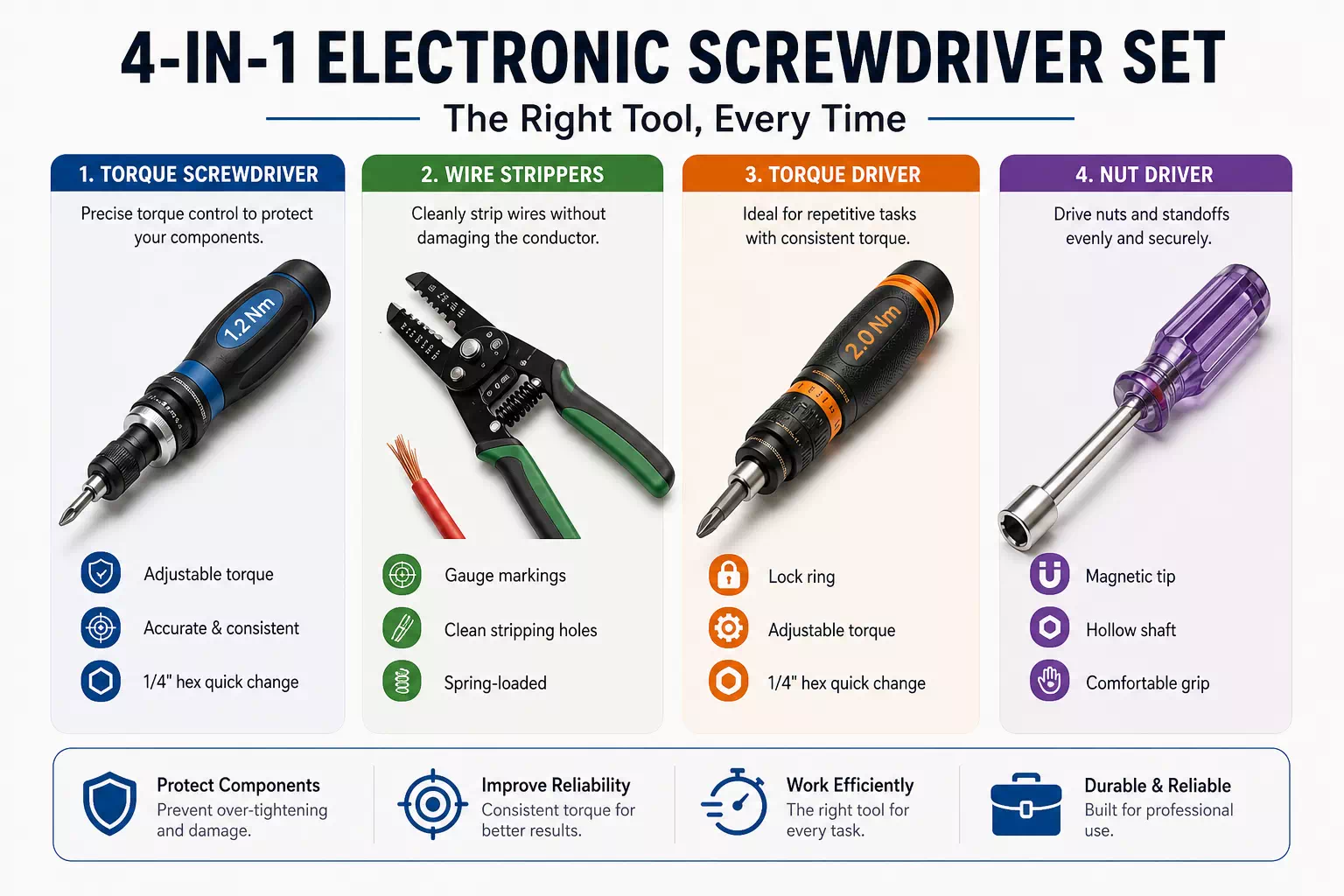
Torque Screwdrivers, Wire Strippers, Torque Drivers, and Nut Drivers: A Practical Electronic Tooling
-
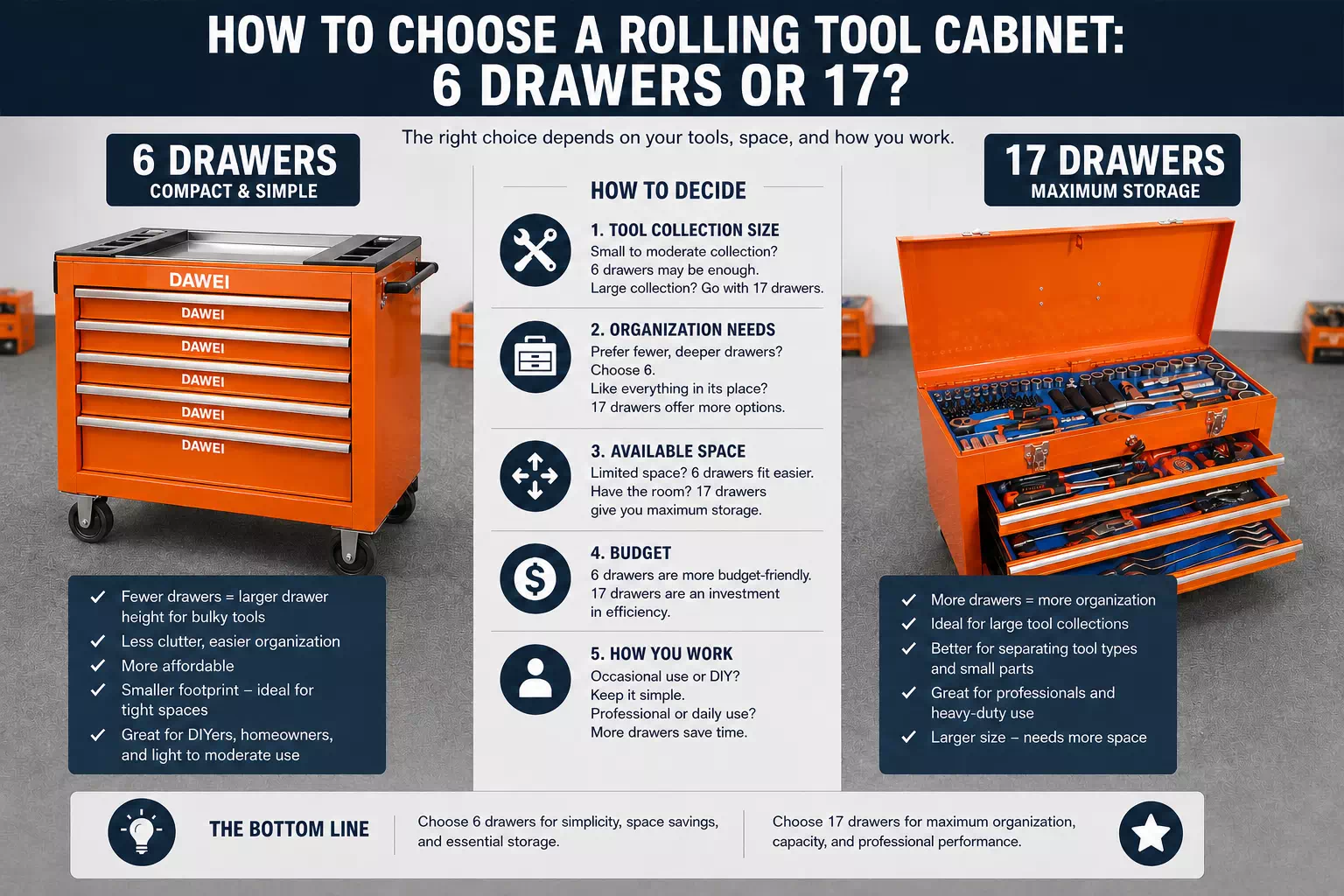
How to Choose a Rolling Tool Cabinet: 6 Drawers or 17?
-

How to Choose a Gear Wrench Tool Set for Motorcycle Maintenance
-
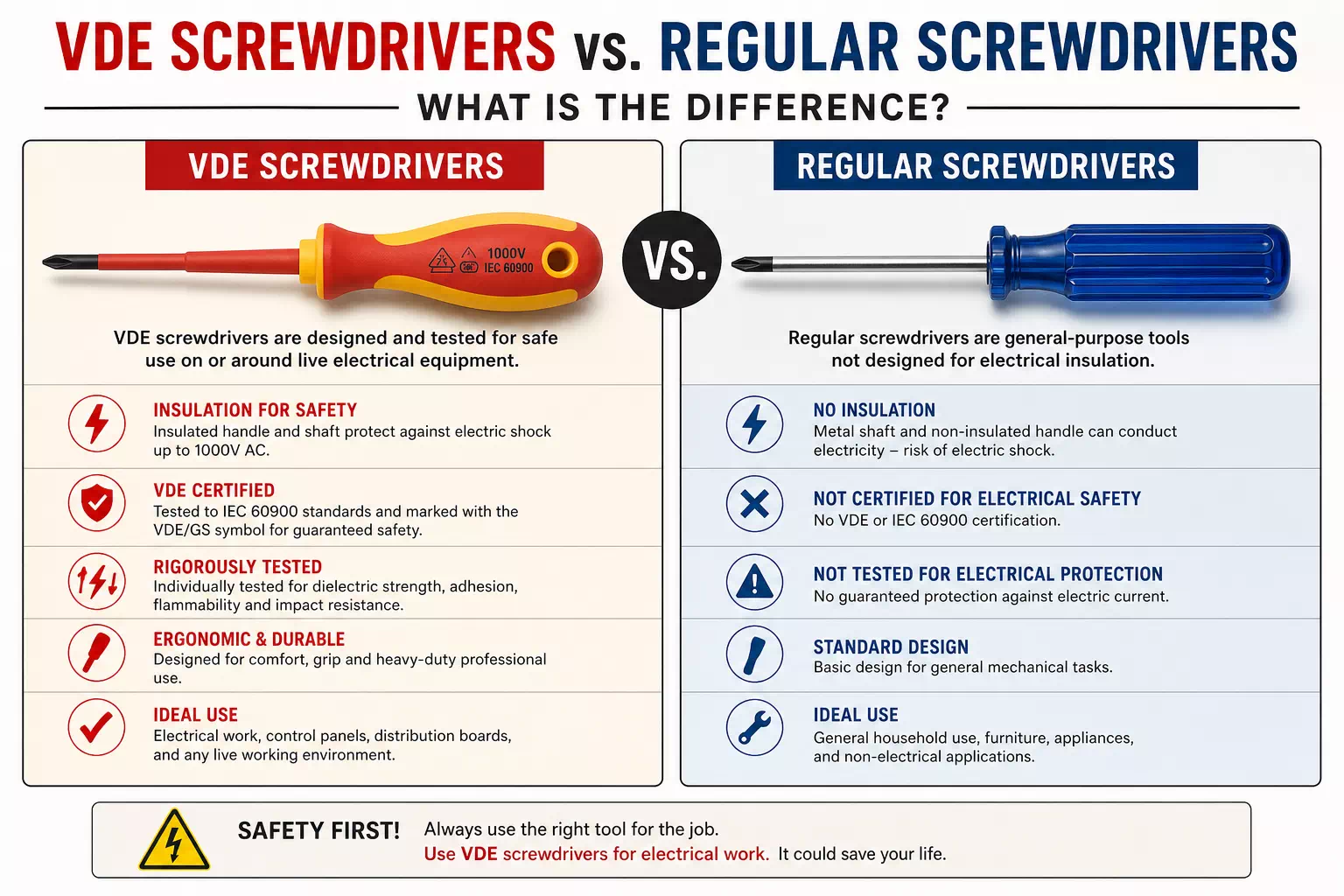
VDE Screwdrivers vs. Regular Screwdrivers: What Is the Difference?
-
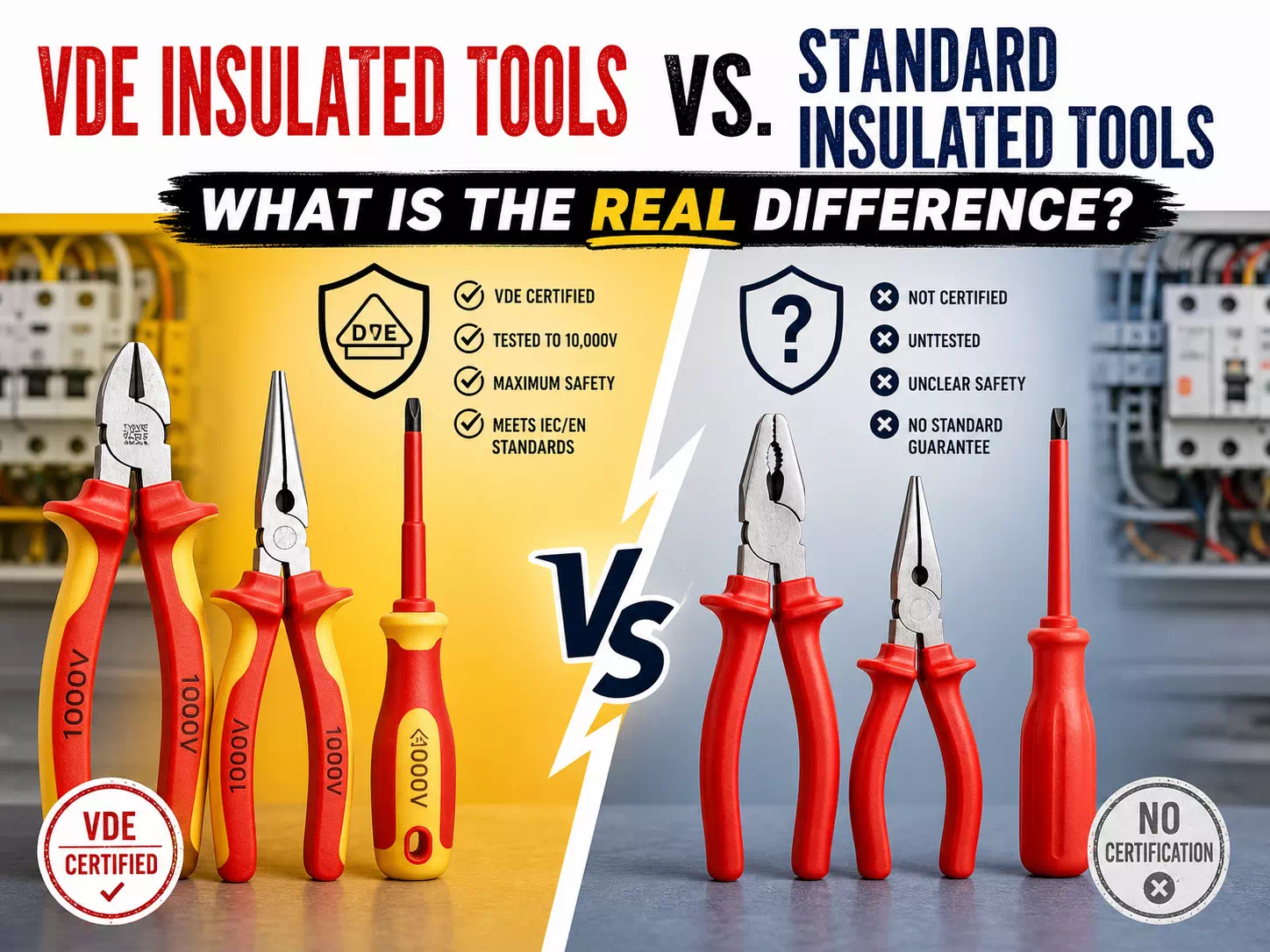
VDE Insulated Tools vs. Standard Insulated Tools: What Is the Real Difference?
-

VDE Certification Explained: What “VDE Approved” Really Means for Insulated Tools